Han Pengyong, Gopalakrishnan Chandrasekhar, Yu Haiquan, Wang Edwin
The State Key Laboratory of Reproductive Regulation and Breeding of Grassland Livestock, Inner Mongolia University, Hohhot 010070, China.
Cumming School of Medicine, University of Calgary, Calgary, AB T2N 1N4, Canada.
Genes (Basel). 2017 Nov 7;8(11):308. doi: 10.3390/genes8110308.
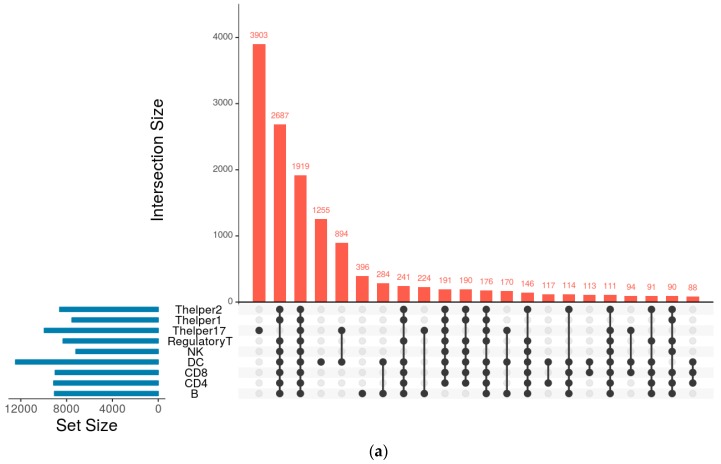
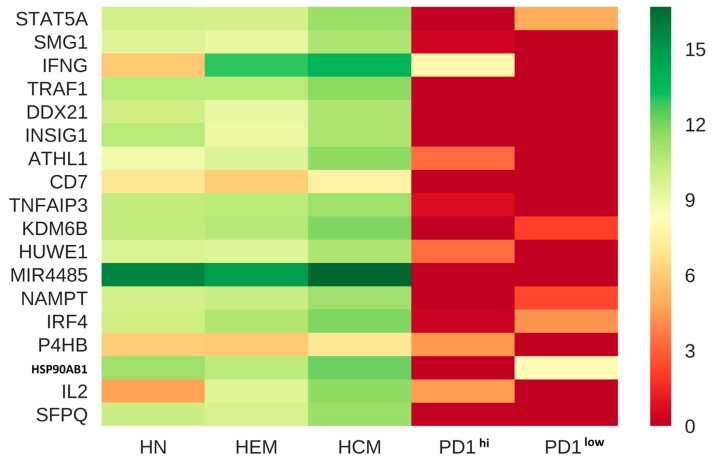
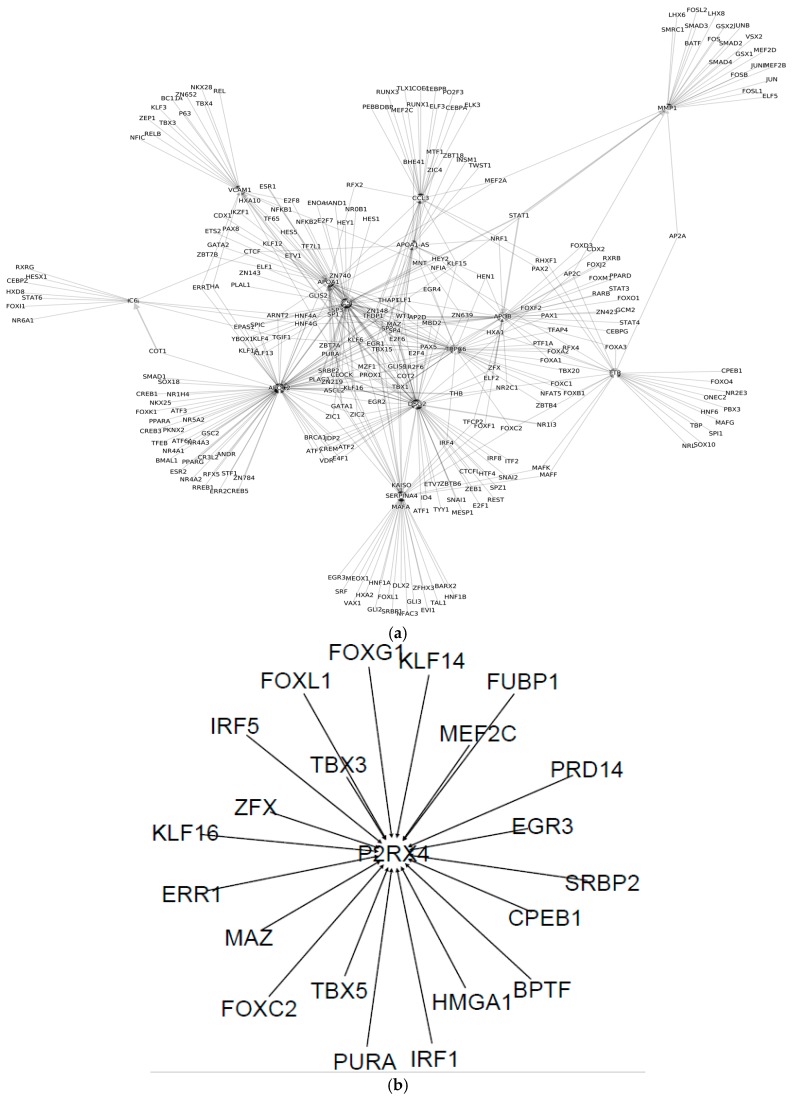
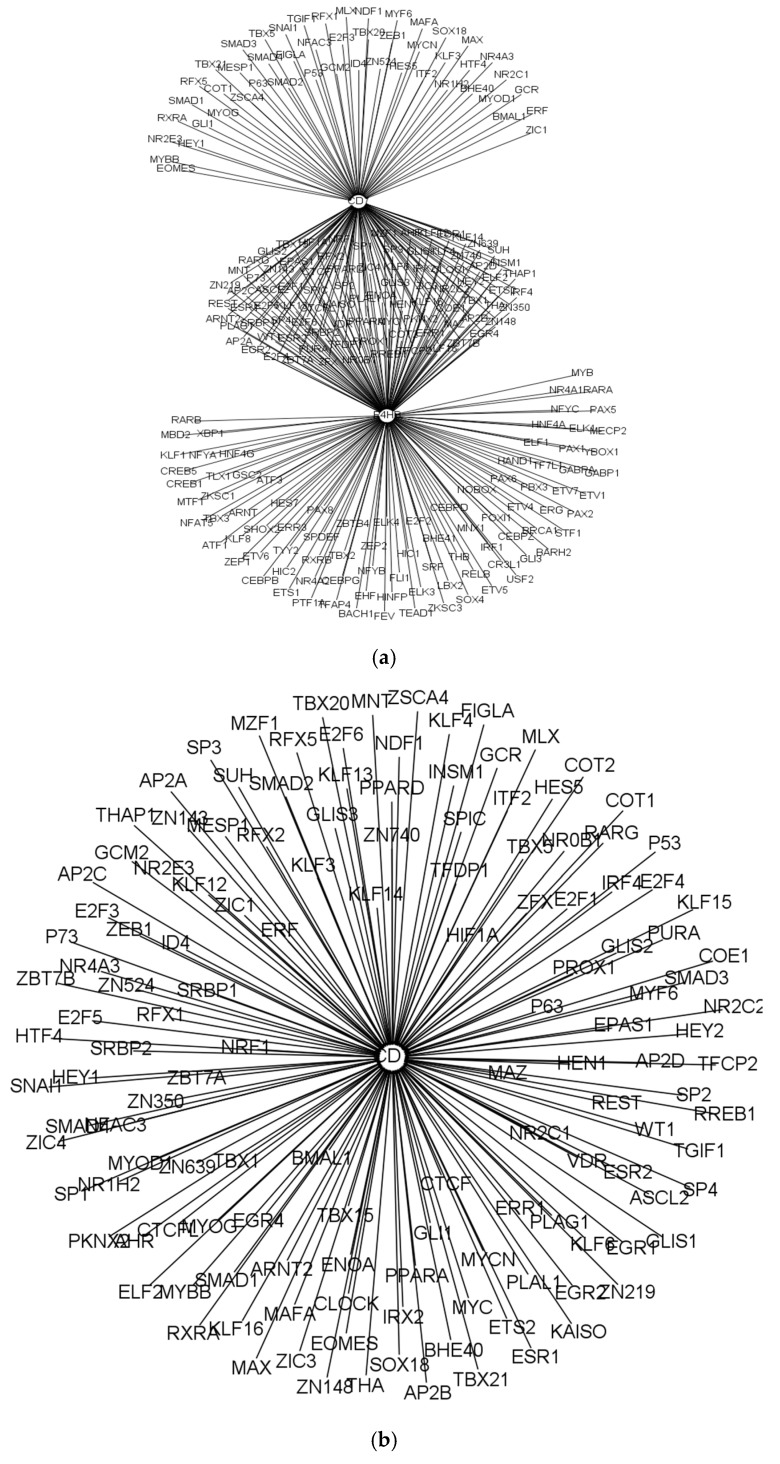
The gene regulatory networks (GRNs) of immune cells not only indicate cell identity but also reveal the dynamic changes of immune cells when comparing their GRNs. Cancer immunotherapy has advanced in the past few years. Immune-checkpoint blockades (i.e., blocking PD-1, PD-L1, or CTLA-4) have shown durable clinical effects on some patients with various advanced cancers. However, major gaps in our knowledge of immunotherapy have been recognized. To fill these gaps, we conducted a systematic analysis of the GRNs of key immune cell subsets (i.e., B cell, CD4, CD8, CD8 naïve, CD8 Effector memory, CD8 Central Memory, regulatory T, Thelper1, Thelper2, Thelp17, and NK (Nature killer) and DC (Dendritic cell) cells associated with cancer immunologic therapies. We showed that most of the GRNs of these cells in blood share key important hub regulators, but their subnetworks for controlling cell type-specific receptors are different, suggesting that transformation between these immune cell subsets could be fast so that they can rapidly respond to environmental cues. To understand how cancer cells send molecular signals to immune cells to make them more cancer-cell friendly, we compared the GRNs of the tumor-infiltrating immune T cells and their corresponding immune cells in blood. We showed that the network size of the tumor-infiltrating immune T cells' GRNs was reduced when compared to the GRNs of their corresponding immune cells in blood. These results suggest that the shutting down certain cellular activities of the immune cells by cancer cells is one of the key molecular mechanisms for helping cancer cells to escape the defense of the host immune system. These results highlight the possibility of genetic engineering of T cells for turning on the identified subnetworks that have been shut down by cancer cells to combat tumors.
免疫细胞的基因调控网络(GRNs)不仅能指示细胞身份,还能在比较其基因调控网络时揭示免疫细胞的动态变化。癌症免疫疗法在过去几年取得了进展。免疫检查点阻断(即阻断PD-1、PD-L1或CTLA-4)已在一些患有各种晚期癌症的患者中显示出持久的临床效果。然而,我们已经认识到在免疫疗法知识方面存在重大差距。为了填补这些差距,我们对关键免疫细胞亚群(即B细胞、CD4、CD8、初始CD8、效应记忆CD8、中央记忆CD8、调节性T细胞、辅助性T细胞1、辅助性T细胞2、辅助性T细胞17以及与癌症免疫疗法相关的自然杀伤(NK)细胞和树突状细胞(DC))的基因调控网络进行了系统分析。我们发现,血液中这些细胞的大多数基因调控网络共享关键的重要枢纽调节因子,但其控制细胞类型特异性受体的子网络不同,这表明这些免疫细胞亚群之间的转变可能很快,以便它们能够迅速响应环境信号。为了了解癌细胞如何向免疫细胞发送分子信号以使它们对癌细胞更友好,我们比较了肿瘤浸润性免疫T细胞及其血液中相应免疫细胞的基因调控网络。我们发现,与血液中相应免疫细胞的基因调控网络相比,肿瘤浸润性免疫T细胞的基因调控网络的网络规模减小了。这些结果表明,癌细胞关闭免疫细胞的某些细胞活动是帮助癌细胞逃避宿主免疫系统防御的关键分子机制之一。这些结果突出了对T细胞进行基因工程改造以开启已被癌细胞关闭的特定子网络来对抗肿瘤的可能性。