Chemistry Department, University of Helsinki, AI Virtasen Aukio 1, Helsinki, 00014, Finland.
Department of Bioproducts and Biosystems, School of Chemical Engineering, Aalto University, Espoo, 00076, Finland.
ChemSusChem. 2017 Dec 22;10(24):4879-4890. doi: 10.1002/cssc.201701344. Epub 2017 Nov 24.
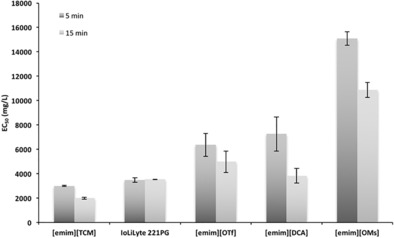
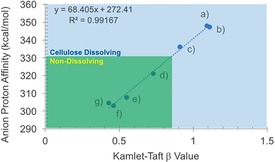
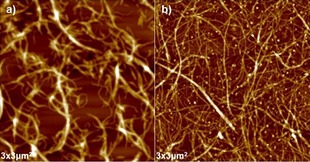
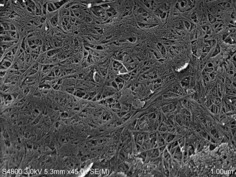
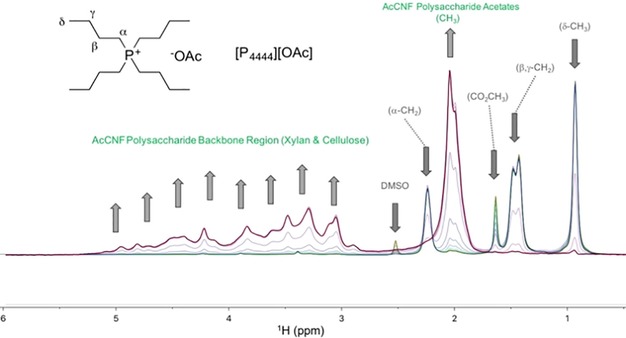
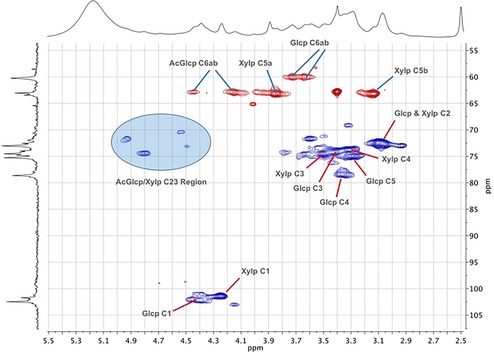
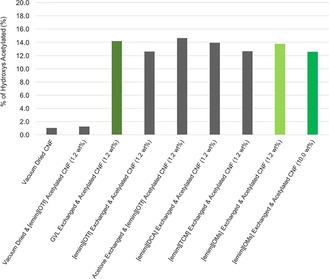
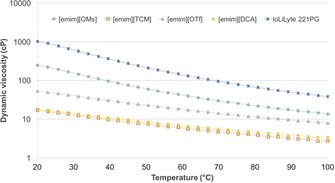
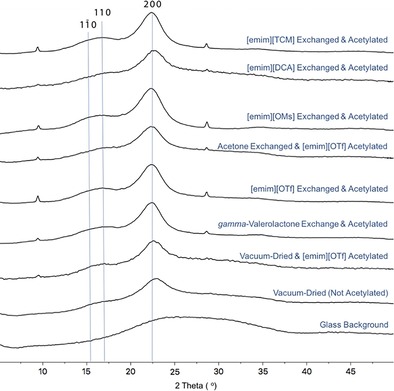
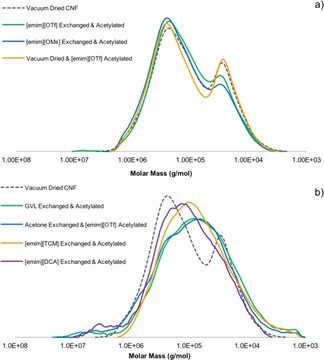
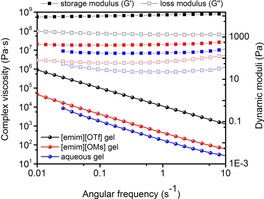
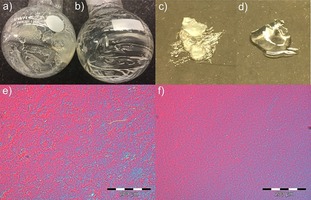
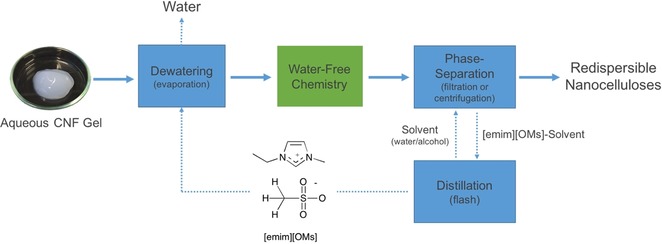
Ionic liquids are used to dewater a suspension of birch Kraft pulp cellulose nanofibrils (CNF) and as a medium for water-free topochemical modification of the nanocellulose (a process denoted as "WtF-Nano"). Acetylation was applied as a model reaction to investigate the degree of modification and scope of effective ionic liquid structures. Little difference in reactivity was observed when water was removed, after introduction of an ionic liquid or molecular co-solvent. However, the viscoelastic properties of the CNF suspended in two ionic liquids show that the more basic, but non-dissolving ionic liquid, allows for better solvation of the CNF. Vibrio fischeri bacterial tests show that all ionic liquids in this study were harmless. Scanning electron microscopy and wide-angle X-ray scattering on regenerated samples show that the acetylated CNF is still in a fibrillar form. 1 D and 2 D NMR analyses, after direct dissolution in a novel ionic liquid electrolyte solution, indicate that both cellulose and residual xylan on the surface of the nanofibrils reacts to give acetate esters.
离子液体被用于对桦木硫酸盐浆纤维素纳米纤维(CNF)悬浮液进行脱水,并作为纳米纤维素无水电化学改性的介质(一种称为“WtF-Nano”的工艺)。乙酰化被用作模型反应,以研究改性程度和有效离子液体结构的范围。在引入离子液体或分子共溶剂后除去水时,反应性几乎没有差异。然而,悬浮在两种离子液体中的 CNF 的粘弹性性质表明,碱性更强但不溶解的离子液体能够更好地溶解 CNF。弧菌 Fischeri 细菌测试表明,本研究中的所有离子液体均无害。再生样品的扫描电子显微镜和广角 X 射线散射表明,乙酰化的 CNF 仍呈纤维状。在新型离子液体电解质溶液中直接溶解后的 1D 和 2D NMR 分析表明,纤维素和纳米纤维表面上的残余木聚糖均反应生成醋酸酯。