Department of Bioproducts and Biosystems, Aalto University, EspooFI-00076, Finland.
Department of Wood Science, University of British Columbia, Vancouver, British ColumbiaV6T 1Z4, Canada.
Chem Rev. 2023 Mar 8;123(5):1925-2015. doi: 10.1021/acs.chemrev.2c00611. Epub 2023 Feb 1.
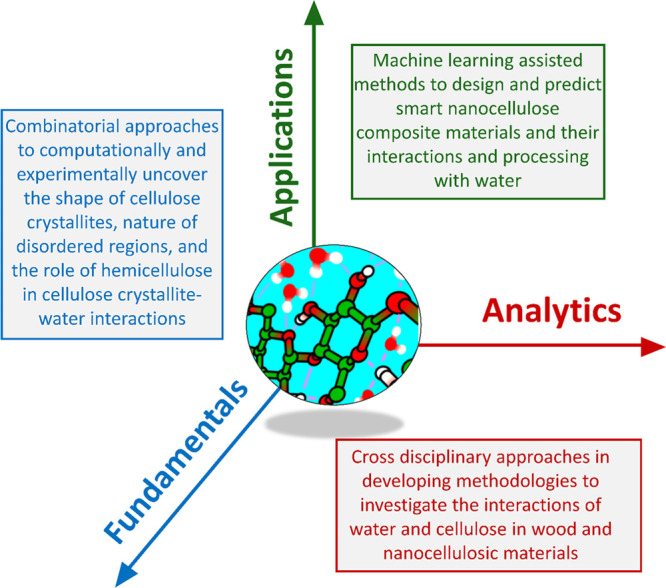
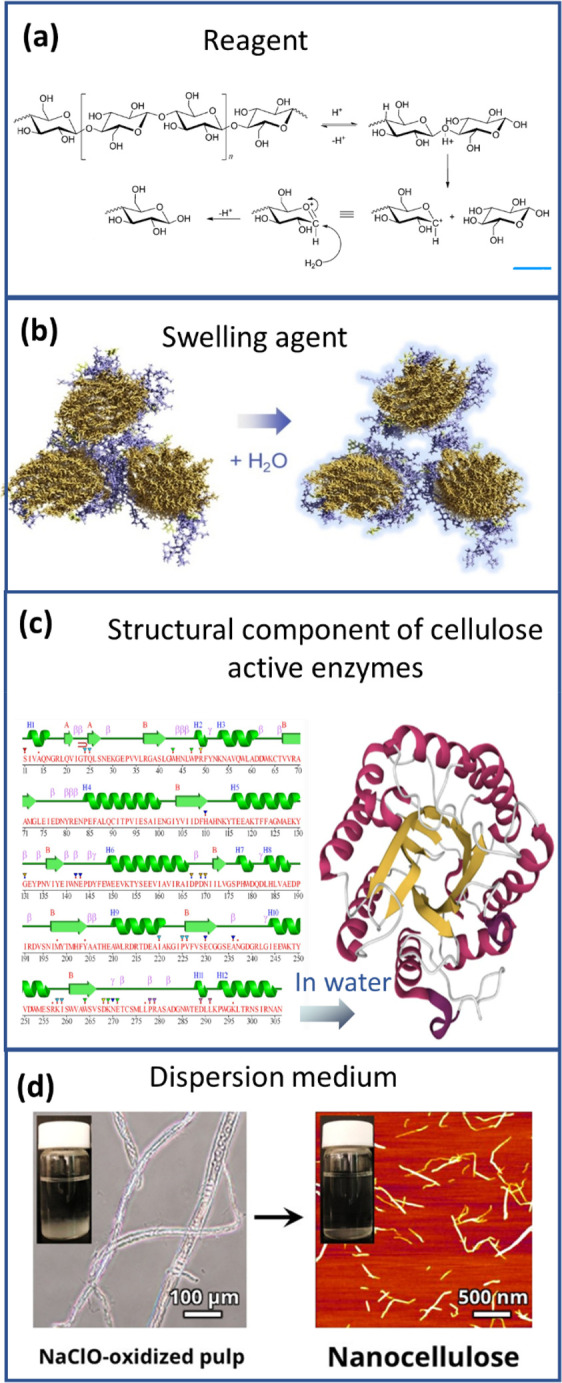
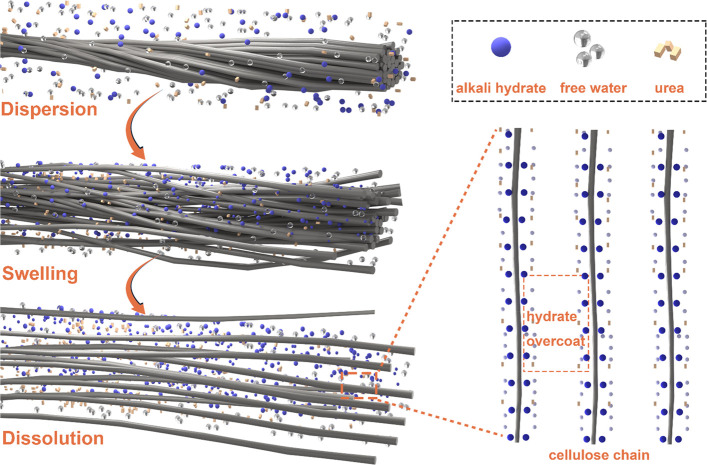
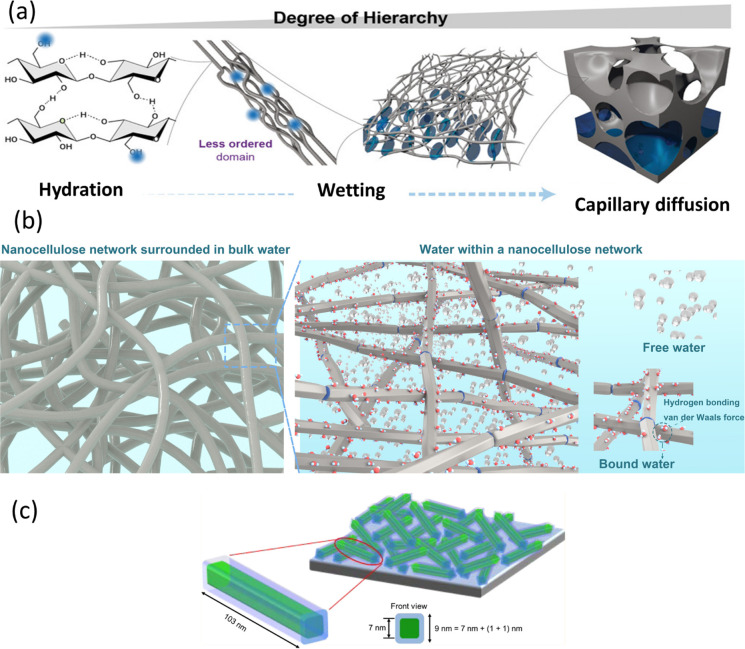
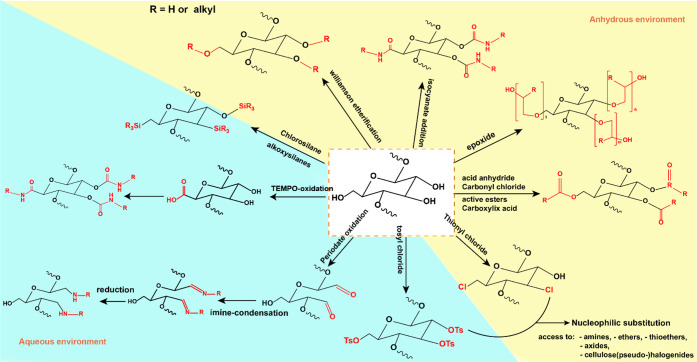
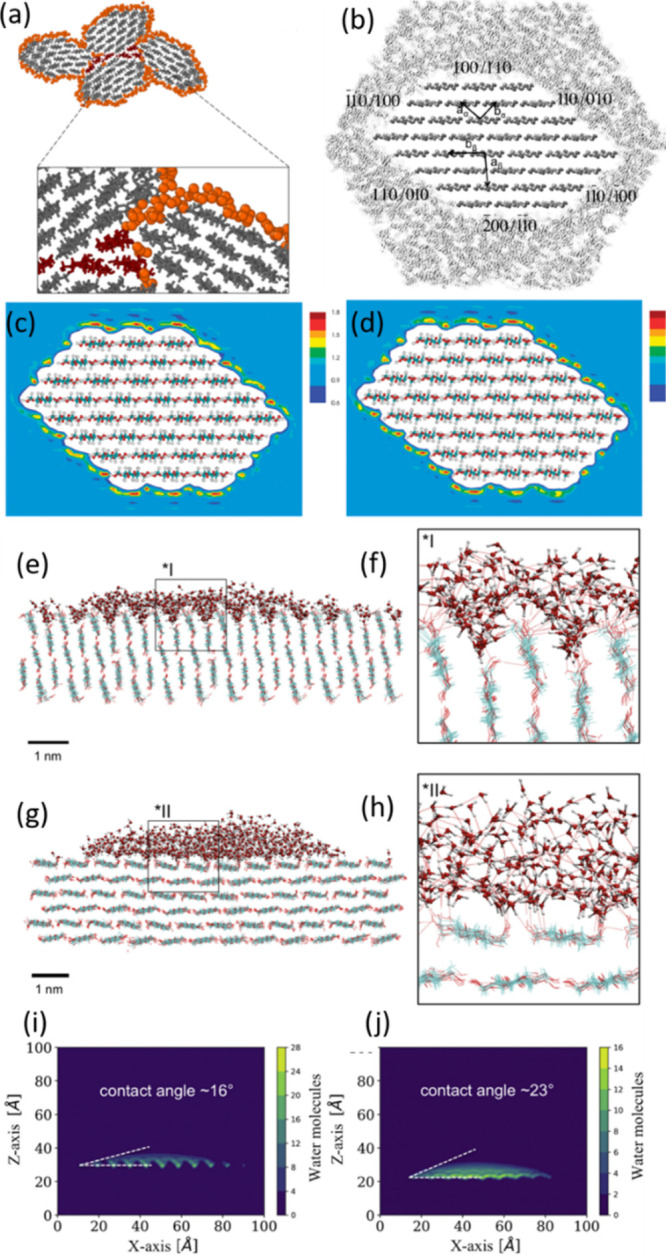
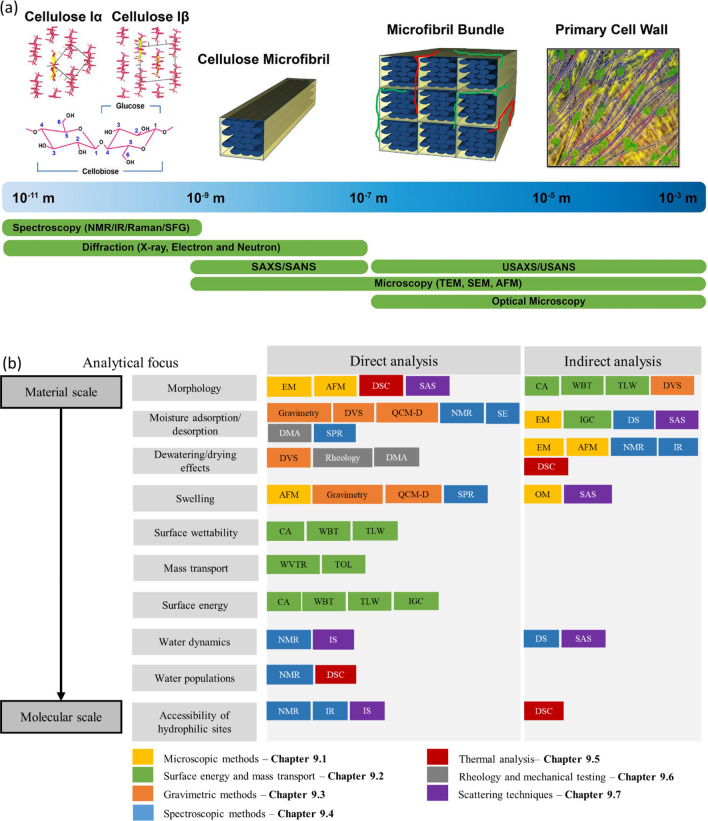
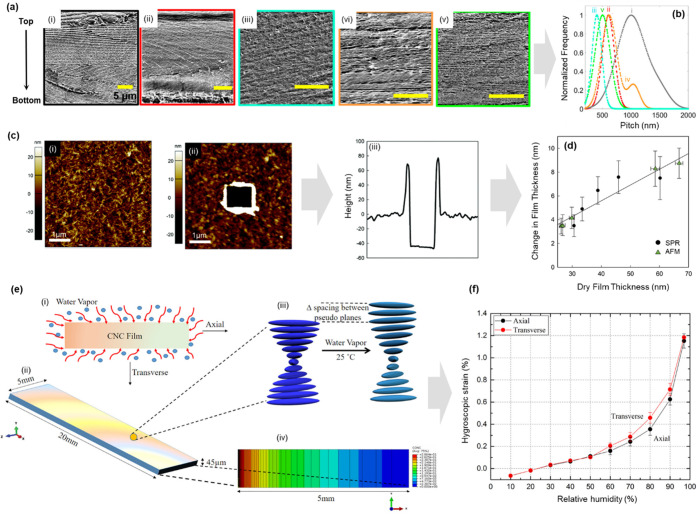
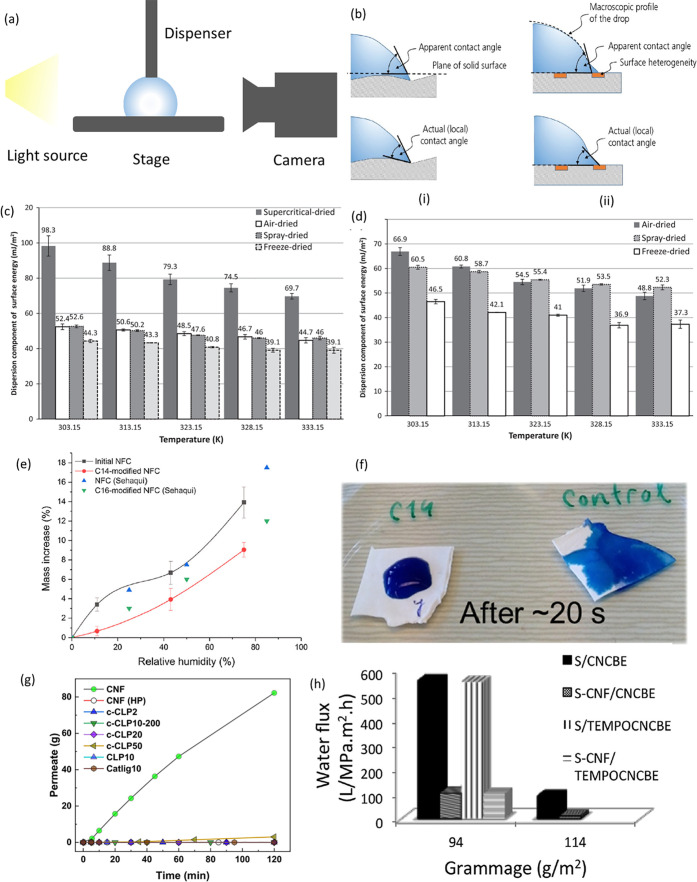
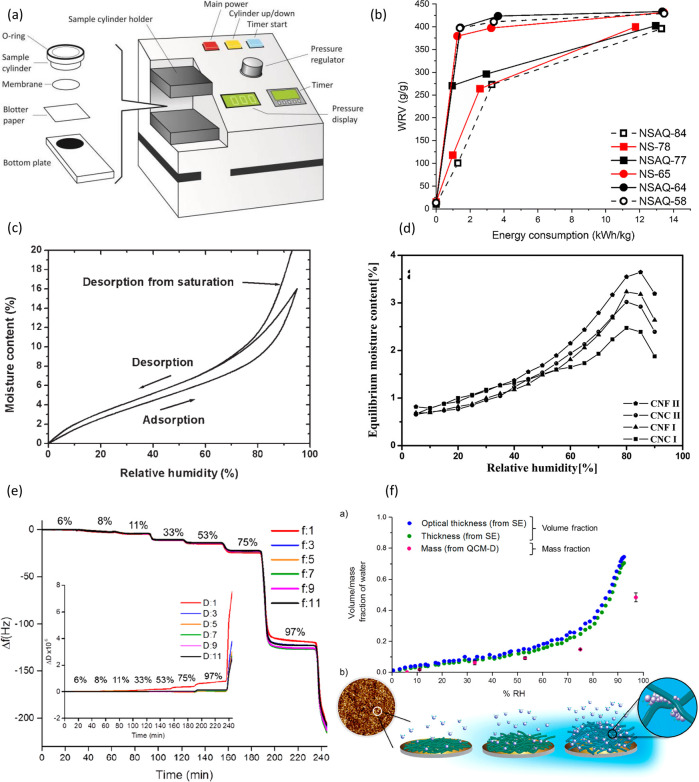
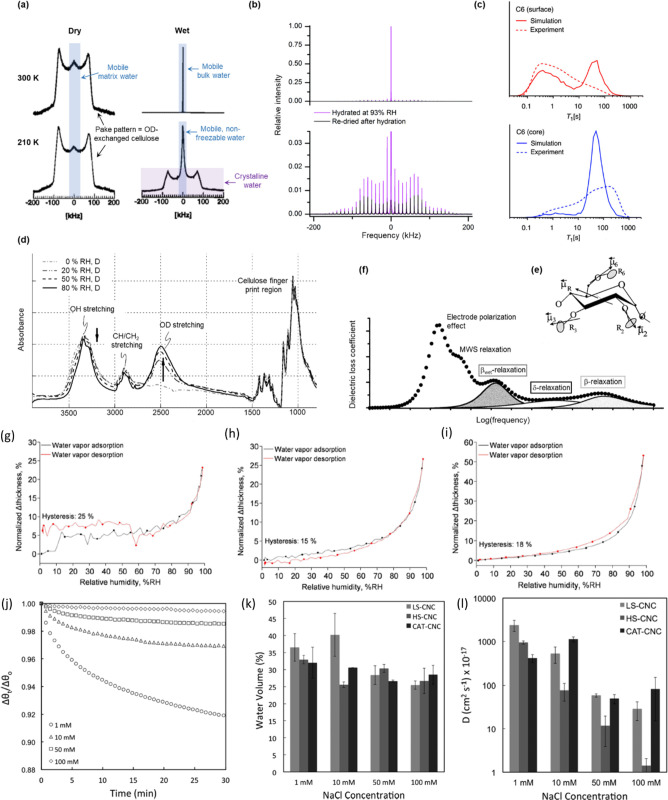
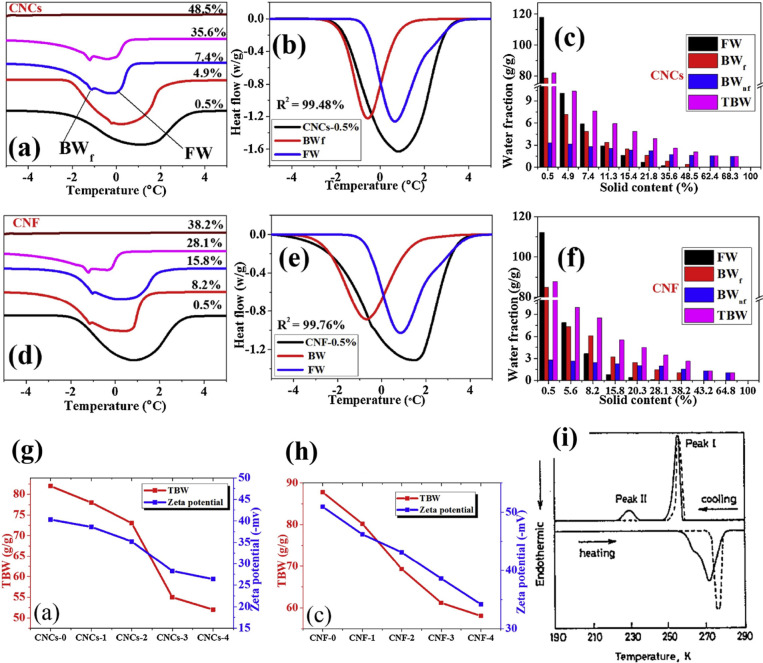
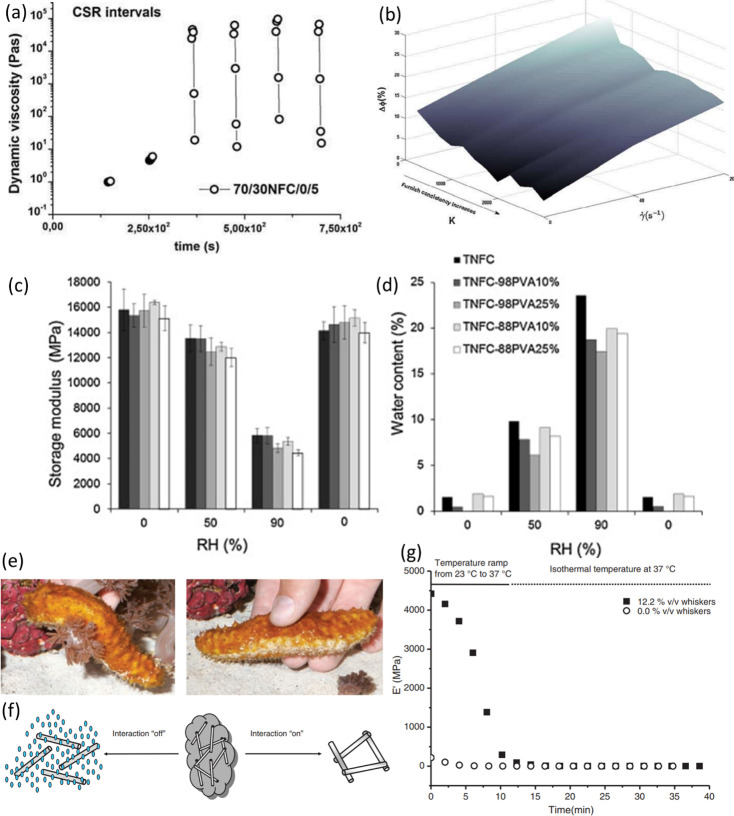
Modern technology has enabled the isolation of nanocellulose from plant-based fibers, and the current trend focuses on utilizing nanocellulose in a broad range of sustainable materials applications. Water is generally seen as a detrimental component when in contact with nanocellulose-based materials, just like it is harmful for traditional cellulosic materials such as paper or cardboard. However, water is an integral component in plants, and many applications of nanocellulose already accept the presence of water or make use of it. This review gives a comprehensive account of nanocellulose-water interactions and their repercussions in all key areas of contemporary research: fundamental physical chemistry, chemical modification of nanocellulose, materials applications, and analytical methods to map the water interactions and the effect of water on a nanocellulose matrix.
现代技术已经实现了从植物纤维中分离纳米纤维素,目前的趋势集中在将纳米纤维素广泛应用于各种可持续材料中。当纳米纤维素基材料与水接触时,水通常被视为有害成分,就像它对传统纤维素材料(如纸张或纸板)有害一样。然而,水是植物的一个组成部分,许多纳米纤维素的应用已经接受了水的存在或利用了水。这篇综述全面介绍了纳米纤维素-水相互作用及其在当代研究的所有关键领域的影响:基础物理化学、纳米纤维素的化学改性、材料应用以及分析方法,以绘制水相互作用及其对纳米纤维素基质的影响。