Department of Pharmacy, Pharmaceutical Biology, Ludwig-Maximilians-University of Munich, Butenandstr. 5-13, Munich, Germany.
Nanosystems Initiative Munich (NIM), Schellingstraße 4, Munich, Germany.
Br J Cancer. 2018 Jan;118(1):43-51. doi: 10.1038/bjc.2017.374. Epub 2017 Nov 7.
Although altered membrane physiology has been discussed within the context of cancer, targeting membrane characteristics by drugs being an attractive therapeutic strategy has received little attention so far.
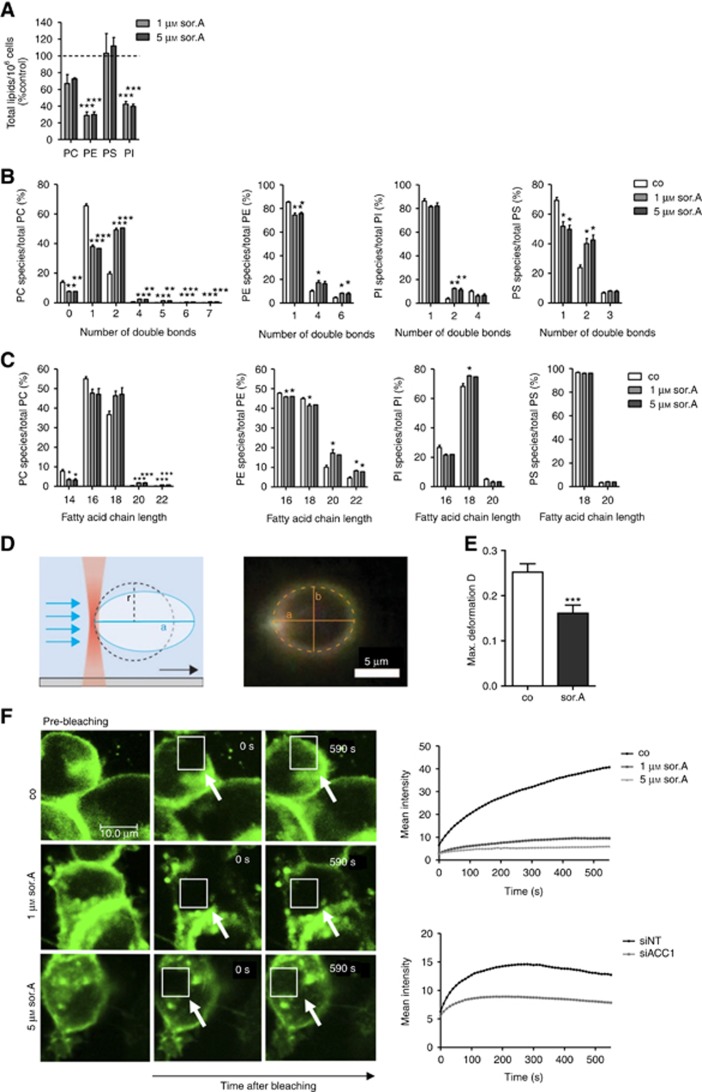
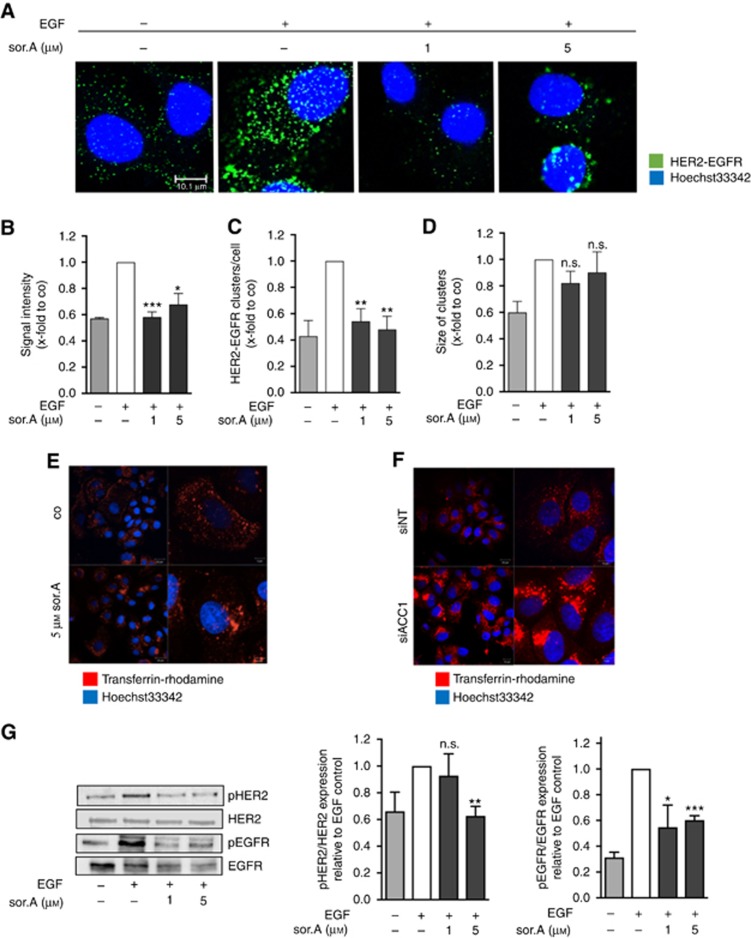
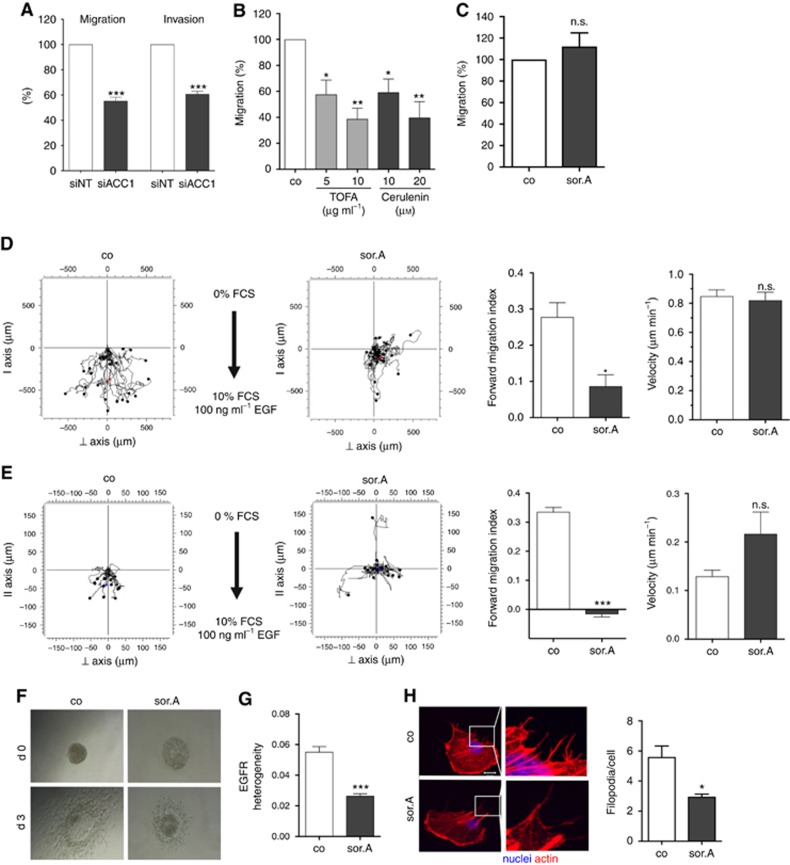
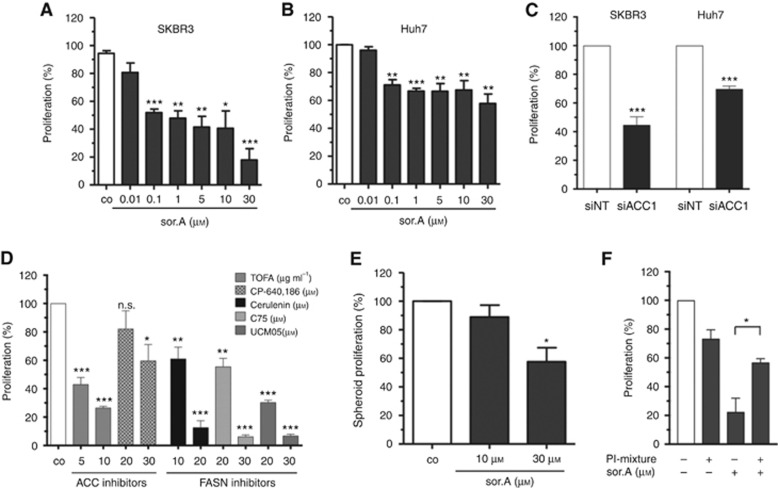
Various acetyl-CoA carboxylase 1 (ACC1), and fatty acid synthase (FASN) inhibitors (like Soraphen A and Cerulenin) as well as genetic knockdown approaches were employed to study the effects of disturbed phospholipid composition on membrane properties and its functional impact on cancer progression. By using state-of-the-art methodologies such as LC-MS/MS, optical tweezers measurements of giant plasma membrane vesicles and fluorescence recovery after photobleaching analysis, membrane characteristics were examined. Confocal laser scanning microscopy, proximity ligation assays, immunoblotting as well as migration, invasion and proliferation experiments unravelled the functional relevance of membrane properties in vitro and in vivo.
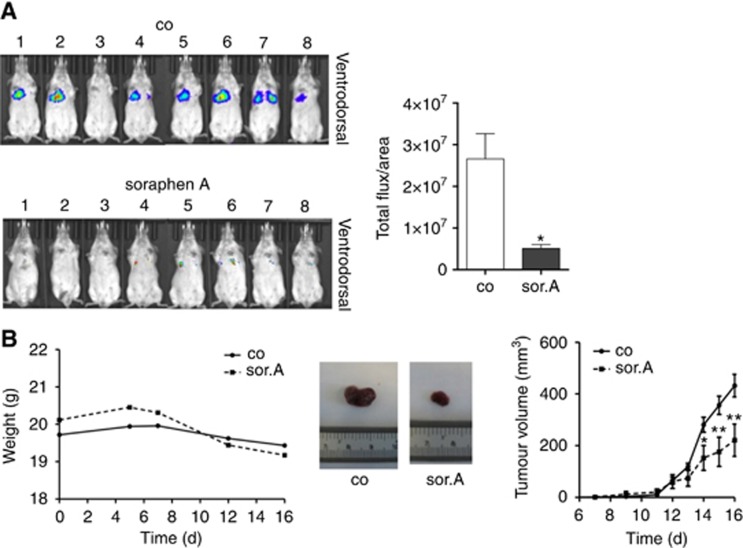
By disturbing the deformability and lateral fluidity of cellular membranes, the dimerisation, localisation and recycling of cancer-relevant transmembrane receptors is compromised. Consequently, impaired activation of growth factor receptor signalling cascades results in abrogated tumour growth and metastasis in different in vitro and in vivo models.
This study highlights the field of membrane properties as a promising druggable cellular target representing an innovative strategy for development of anti-cancer agents.
尽管细胞膜生理学的改变在癌症的背景下已被讨论过,但迄今为止,通过药物靶向细胞膜特性作为一种有吸引力的治疗策略还没有得到太多关注。
采用各种乙酰辅酶 A 羧化酶 1(ACC1)和脂肪酸合酶(FASN)抑制剂(如 Soraphen A 和 Cerulenin)以及基因敲低方法,研究磷脂组成改变对膜特性的影响及其对癌症进展的功能影响。通过使用最先进的方法,如 LC-MS/MS、光学镊子测量巨细胞膜囊泡和荧光恢复后光漂白分析,研究了膜特性。共聚焦激光扫描显微镜、邻近连接分析、免疫印迹以及迁移、侵袭和增殖实验揭示了膜特性在体外和体内的功能相关性。
通过扰乱细胞膜的变形性和侧向流动性,癌症相关跨膜受体的二聚化、定位和再循环受到损害。因此,生长因子受体信号级联的激活受损导致不同的体外和体内模型中的肿瘤生长和转移受到抑制。
这项研究强调了膜特性领域作为一个有前途的可成药细胞靶点,代表了开发抗癌药物的一种创新策略。