Ivin Masa, Dumigan Amy, de Vasconcelos Filipe N, Ebner Florian, Borroni Martina, Kavirayani Anoop, Przybyszewska Kornelia N, Ingram Rebecca J, Lienenklaus Stefan, Kalinke Ulrich, Stoiber Dagmar, Bengoechea Jose A, Kovarik Pavel
Max F. Perutz Laboratories, University of Vienna, Vienna Biocenter (VBC), Vienna, Austria.
Wellcome-Wolfson Institute for Experimental Medicine, Queen's University Belfast, Belfast, United Kingdom.
PLoS Pathog. 2017 Nov 7;13(11):e1006696. doi: 10.1371/journal.ppat.1006696. eCollection 2017 Nov.
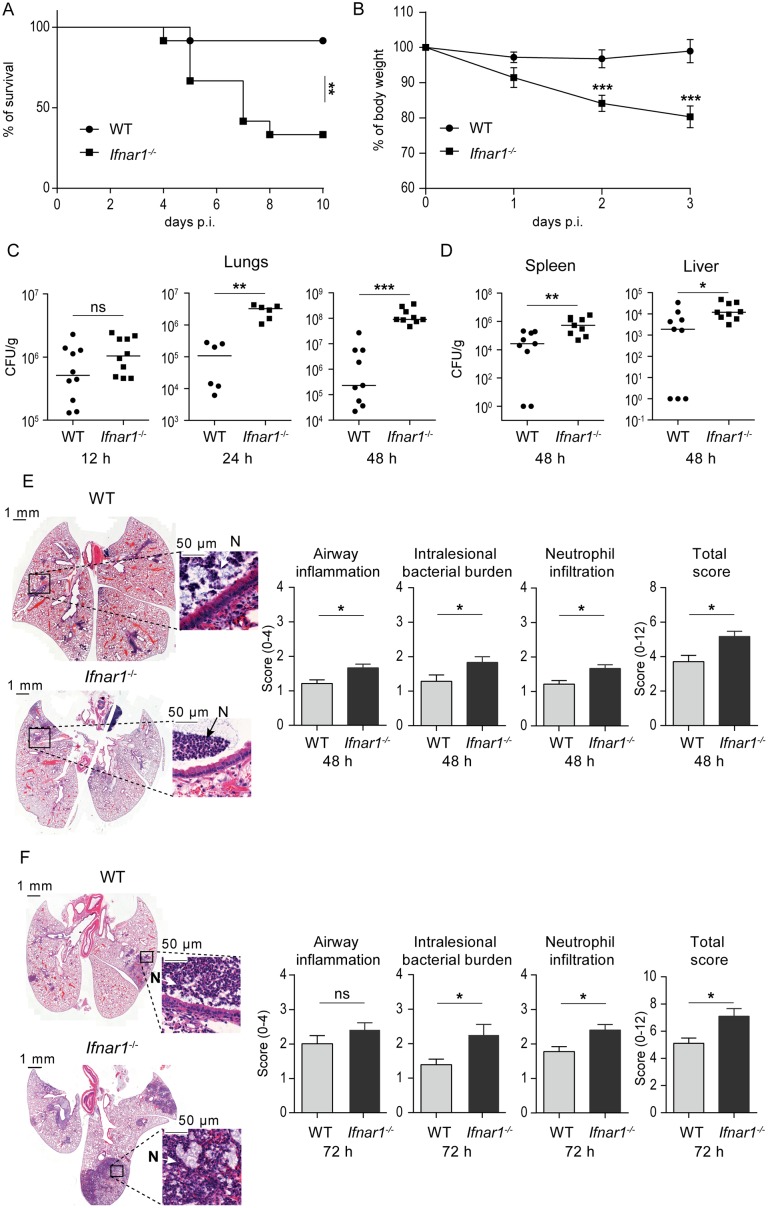
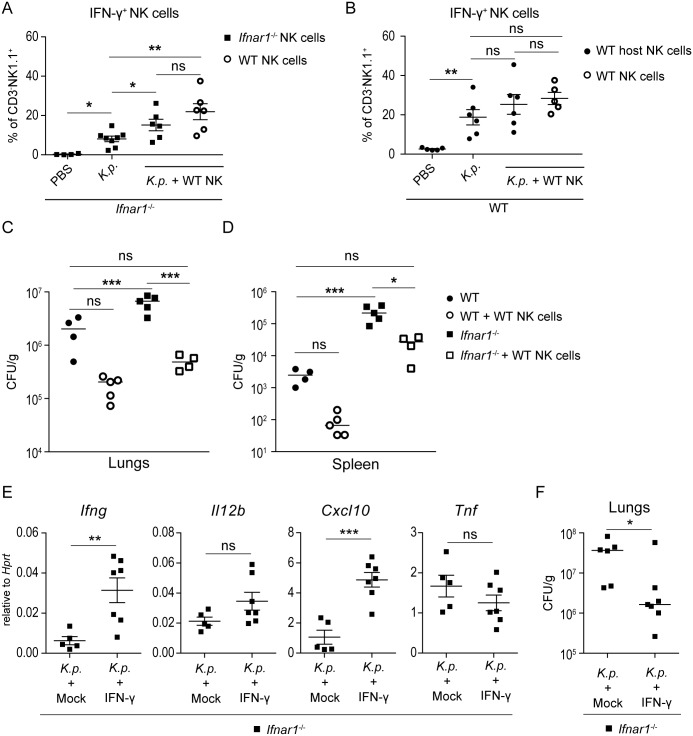
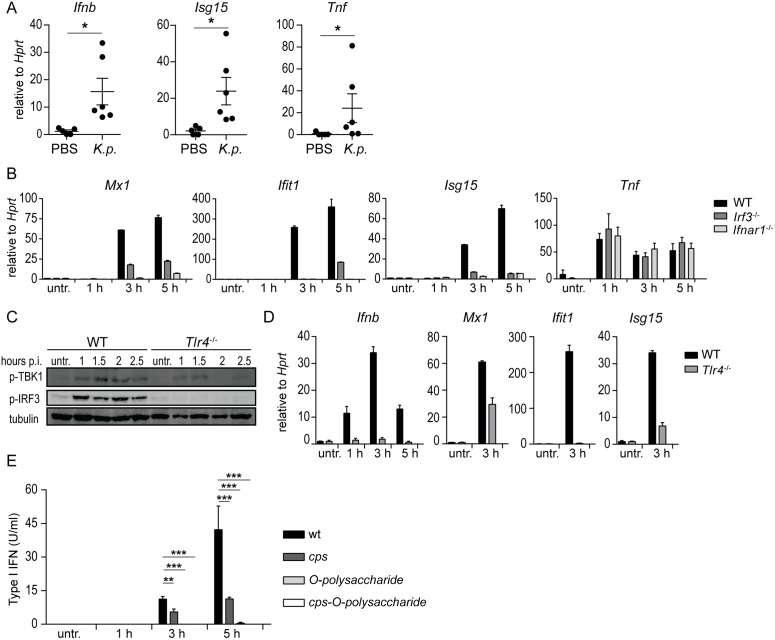
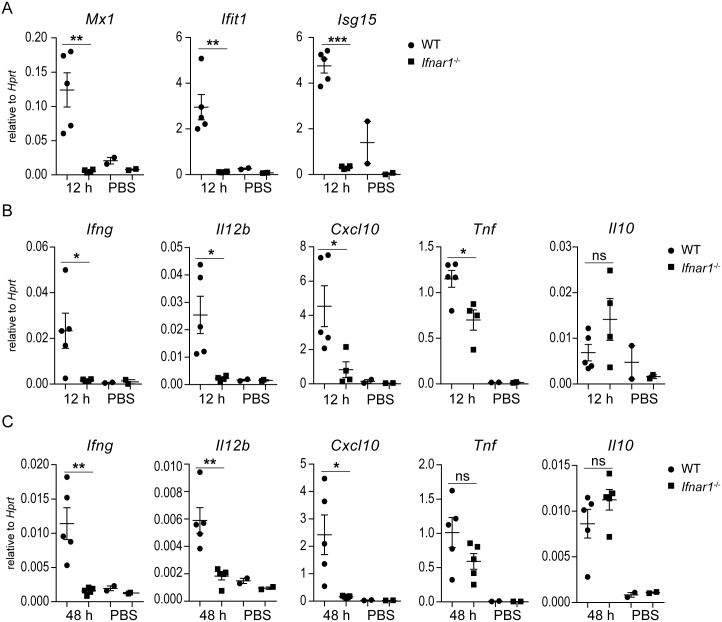
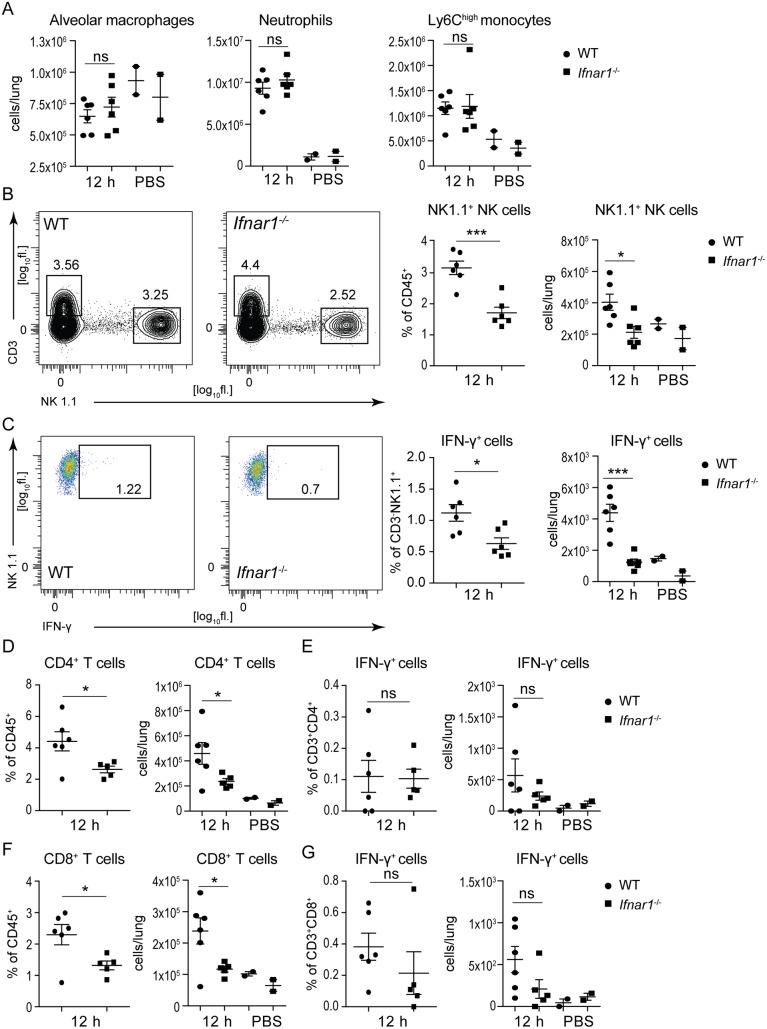
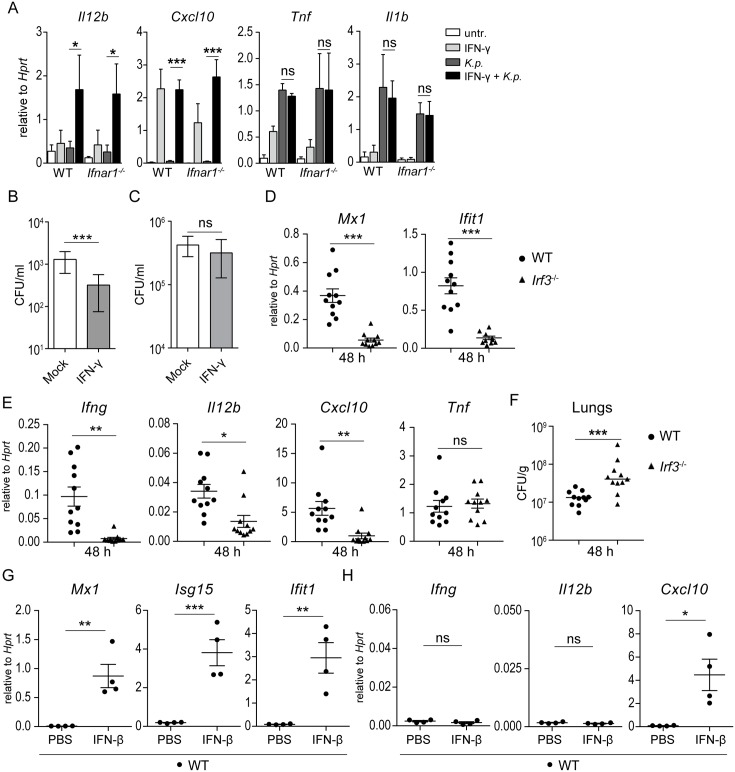
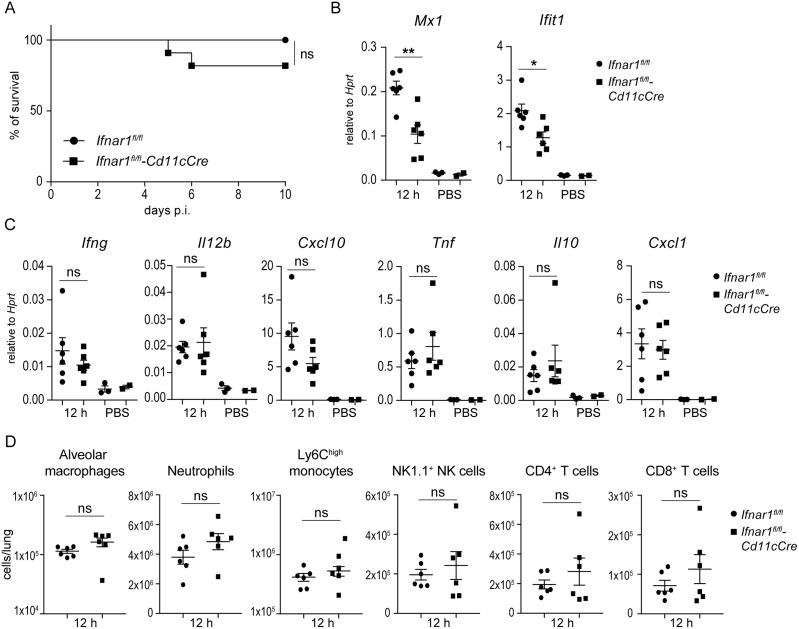
Klebsiella pneumoniae is a significant cause of nosocomial pneumonia and an alarming pathogen owing to the recent isolation of multidrug resistant strains. Understanding of immune responses orchestrating K. pneumoniae clearance by the host is of utmost importance. Here we show that type I interferon (IFN) signaling protects against lung infection with K. pneumoniae by launching bacterial growth-controlling interactions between alveolar macrophages and natural killer (NK) cells. Type I IFNs are important but disparate and incompletely understood regulators of defense against bacterial infections. Type I IFN receptor 1 (Ifnar1)-deficient mice infected with K. pneumoniae failed to activate NK cell-derived IFN-γ production. IFN-γ was required for bactericidal action and the production of the NK cell response-amplifying IL-12 and CXCL10 by alveolar macrophages. Bacterial clearance and NK cell IFN-γ were rescued in Ifnar1-deficient hosts by Ifnar1-proficient NK cells. Consistently, type I IFN signaling in myeloid cells including alveolar macrophages, monocytes and neutrophils was dispensable for host defense and IFN-γ activation. The failure of Ifnar1-deficient hosts to initiate a defense-promoting crosstalk between alveolar macrophages and NK cell was circumvented by administration of exogenous IFN-γ which restored endogenous IFN-γ production and restricted bacterial growth. These data identify NK cell-intrinsic type I IFN signaling as essential driver of K. pneumoniae clearance, and reveal specific targets for future therapeutic exploitations.
肺炎克雷伯菌是医院获得性肺炎的重要病因,且由于近期分离出多重耐药菌株,它已成为一种令人担忧的病原体。了解宿主协调清除肺炎克雷伯菌的免疫反应至关重要。在此,我们表明I型干扰素(IFN)信号通过启动肺泡巨噬细胞与自然杀伤(NK)细胞之间控制细菌生长的相互作用来抵御肺炎克雷伯菌肺部感染。I型IFN是抵御细菌感染的重要但不同且尚未完全了解的调节因子。感染肺炎克雷伯菌的I型IFN受体1(Ifnar1)缺陷小鼠无法激活NK细胞衍生的IFN-γ产生。IFN-γ对于杀菌作用以及肺泡巨噬细胞产生放大NK细胞反应的IL-12和CXCL10是必需的。Ifnar1缺陷宿主中的细菌清除和NK细胞IFN-γ可通过Ifnar1正常的NK细胞得以恢复。一致地,包括肺泡巨噬细胞、单核细胞和中性粒细胞在内的髓系细胞中的I型IFN信号对于宿主防御和IFN-γ激活是可有可无的。通过给予外源性IFN-γ可恢复内源性IFN-γ产生并限制细菌生长,从而规避了Ifnar1缺陷宿主无法启动肺泡巨噬细胞与NK细胞之间促进防御的串扰。这些数据确定NK细胞内在的I型IFN信号是清除肺炎克雷伯菌的关键驱动因素,并揭示了未来治疗开发的特定靶点。