Gamradt Pia, Xu Yun, Gratz Nina, Duncan Kellyanne, Kobzik Lester, Högler Sandra, Kovarik Pavel, Decker Thomas, Jamieson Amanda M
Max F. Perutz Laboratories, University of Vienna, Vienna, Austria.
CIRI, International Center for Infectiology Research, Université de Lyon, Lyon, France.
PLoS Pathog. 2016 Dec 14;12(12):e1006032. doi: 10.1371/journal.ppat.1006032. eCollection 2016 Dec.
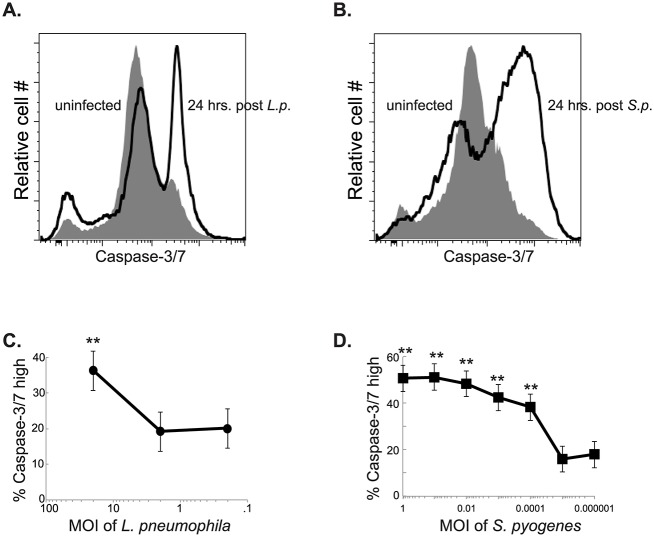
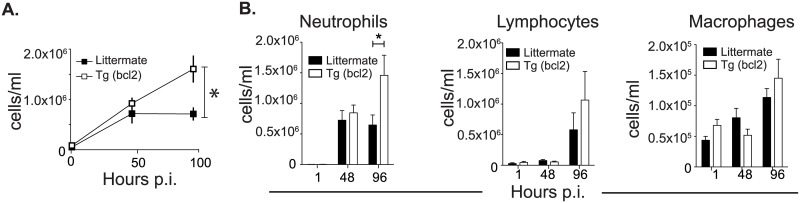
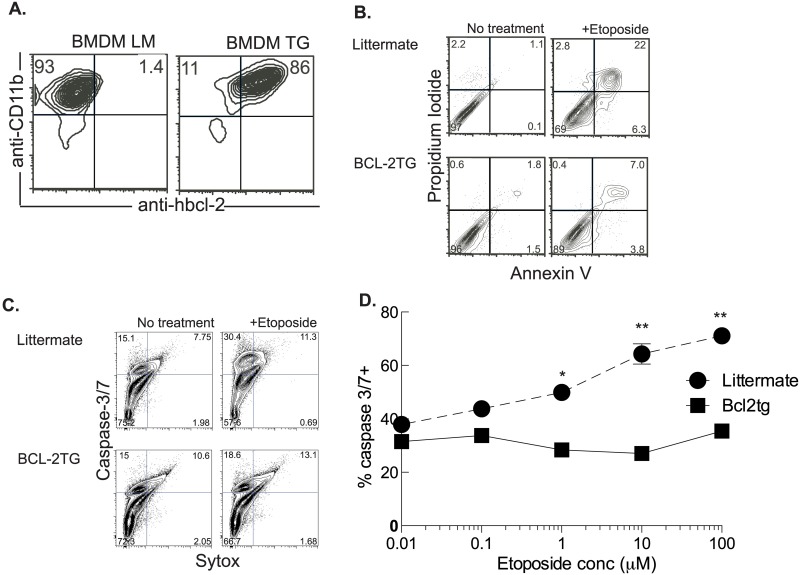
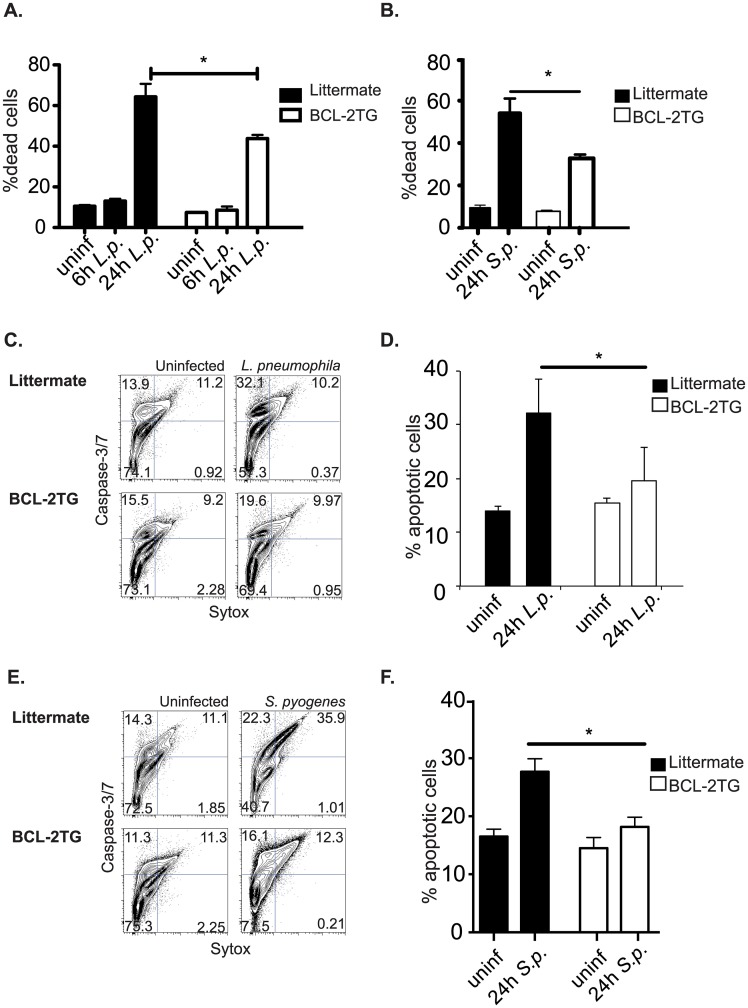
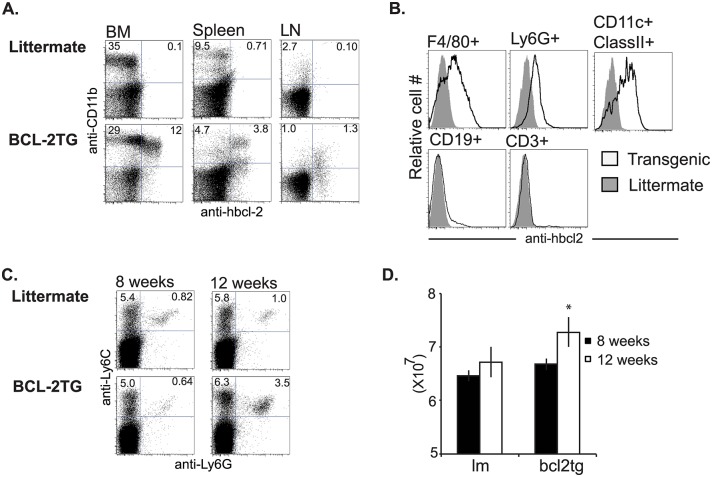
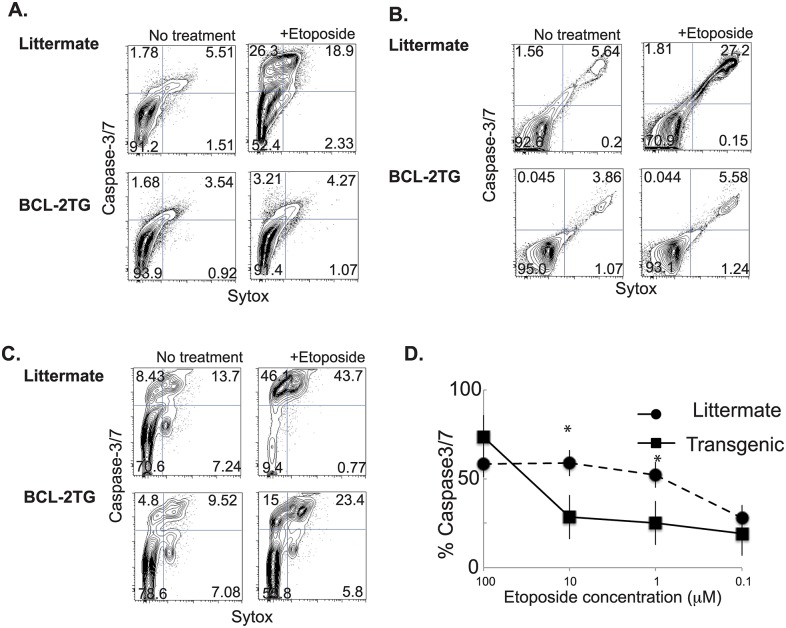
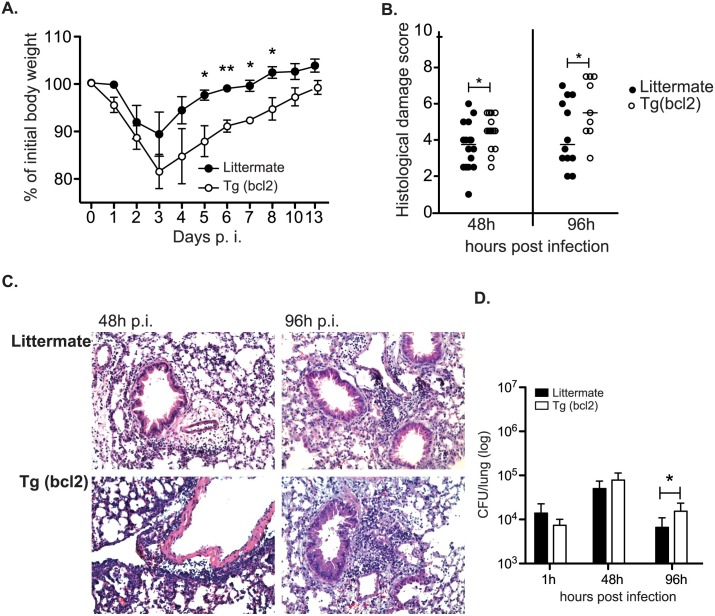
Pathogen clearance and host resilience/tolerance to infection are both important factors in surviving an infection. Cells of the myeloid lineage play important roles in both of these processes. Neutrophils, monocytes, macrophages, and dendritic cells all have important roles in initiation of the immune response and clearance of bacterial pathogens. If these cells are not properly regulated they can result in excessive inflammation and immunopathology leading to decreased host resilience. Programmed cell death (PCD) is one possible mechanism that myeloid cells may use to prevent excessive inflammation. Myeloid cell subsets play roles in tissue repair, immune response resolution, and maintenance of homeostasis, so excessive PCD may also influence host resilience in this way. In addition, myeloid cell death is one mechanism used to control pathogen replication and dissemination. Many of these functions for PCD have been well defined in vitro, but the role in vivo is less well understood. We created a mouse that constitutively expresses the pro-survival B-cell lymphoma (bcl)-2 protein in myeloid cells (CD68(bcl2tg), thus decreasing PCD specifically in myeloid cells. Using this mouse model we explored the impact that decreased cell death of these cells has on infection with two different bacterial pathogens, Legionella pneumophila and Streptococcus pyogenes. Both of these pathogens target multiple cell death pathways in myeloid cells, and the expression of bcl2 resulted in decreased PCD after infection. We examined both pathogen clearance and host resilience and found that myeloid cell death was crucial for host resilience. Surprisingly, the decreased myeloid PCD had minimal impact on pathogen clearance. These data indicate that the most important role of PCD during infection with these bacteria is to minimize inflammation and increase host resilience, not to aid in the clearance or prevent the spread of the pathogen.
病原体清除以及宿主对感染的恢复力/耐受性都是感染存活过程中的重要因素。髓系细胞在这两个过程中都发挥着重要作用。中性粒细胞、单核细胞、巨噬细胞和树突状细胞在免疫反应的启动和细菌病原体的清除中都具有重要作用。如果这些细胞未得到适当调节,可能会导致过度炎症和免疫病理,从而降低宿主的恢复力。程序性细胞死亡(PCD)是髓系细胞可能用于预防过度炎症的一种机制。髓系细胞亚群在组织修复、免疫反应消退和体内平衡维持中发挥作用,因此过度的程序性细胞死亡也可能以这种方式影响宿主的恢复力。此外,髓系细胞死亡是控制病原体复制和传播的一种机制。这些程序性细胞死亡的许多功能在体外已得到很好的定义,但在体内的作用尚不太清楚。我们创建了一种小鼠,其在髓系细胞中组成性表达促生存的B细胞淋巴瘤(bcl)-2蛋白(CD68(bcl2tg)),从而特异性降低髓系细胞中的程序性细胞死亡。利用这个小鼠模型,我们探讨了这些细胞死亡减少对两种不同细菌病原体嗜肺军团菌和化脓性链球菌感染的影响。这两种病原体都靶向髓系细胞中的多种细胞死亡途径,并且bcl2的表达导致感染后程序性细胞死亡减少。我们检查了病原体清除和宿主恢复力,发现髓系细胞死亡对宿主恢复力至关重要。令人惊讶的是,髓系程序性细胞死亡的减少对病原体清除的影响最小。这些数据表明,在感染这些细菌期间,程序性细胞死亡的最重要作用是将炎症降至最低并提高宿主恢复力,而不是帮助清除病原体或防止其传播。