Rai Ganesha, Brimacombe Kyle R, Mott Bryan T, Urban Daniel J, Hu Xin, Yang Shyh-Ming, Lee Tobie D, Cheff Dorian M, Kouznetsova Jennifer, Benavides Gloria A, Pohida Katie, Kuenstner Eric J, Luci Diane K, Lukacs Christine M, Davies Douglas R, Dranow David M, Zhu Hu, Sulikowski Gary, Moore William J, Stott Gordon M, Flint Andrew J, Hall Matthew D, Darley-Usmar Victor M, Neckers Leonard M, Dang Chi V, Waterson Alex G, Simeonov Anton, Jadhav Ajit, Maloney David J
National Center for Advancing Translational Sciences, National Institutes of Health , 9800 Medical Center Drive, Rockville, Maryland 20850, United States.
Mitochondrial Medicine Laboratory, Department of Pathology, University of Alabama at Birmingham , Birmingham, Alabama 35294, United States.
J Med Chem. 2017 Nov 22;60(22):9184-9204. doi: 10.1021/acs.jmedchem.7b00941. Epub 2017 Nov 9.
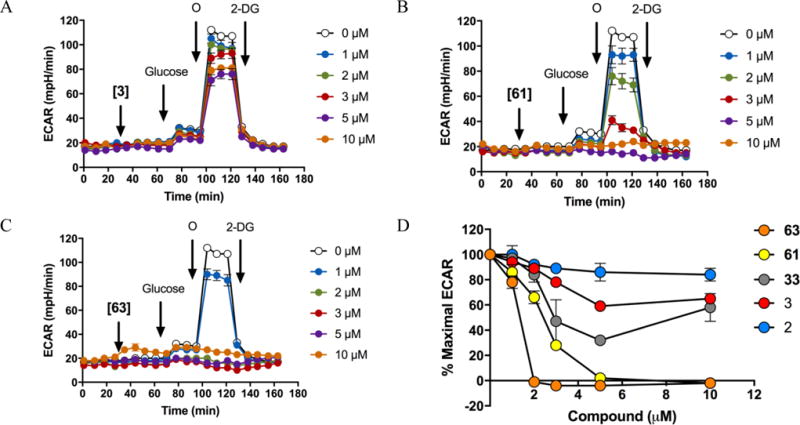
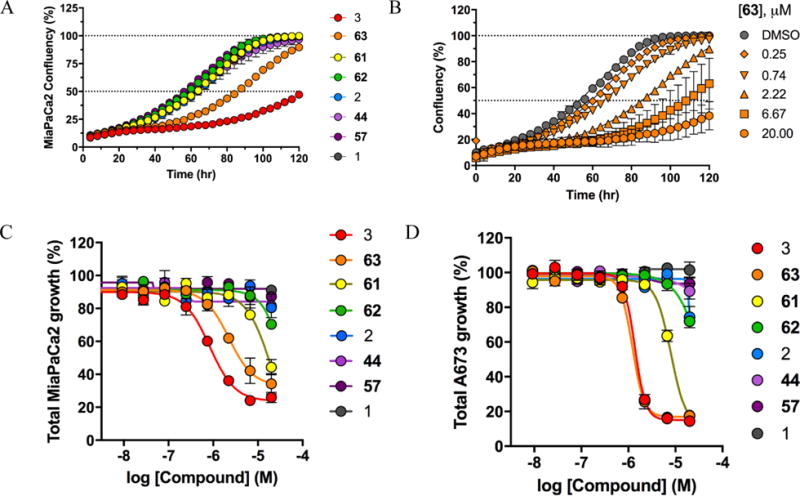
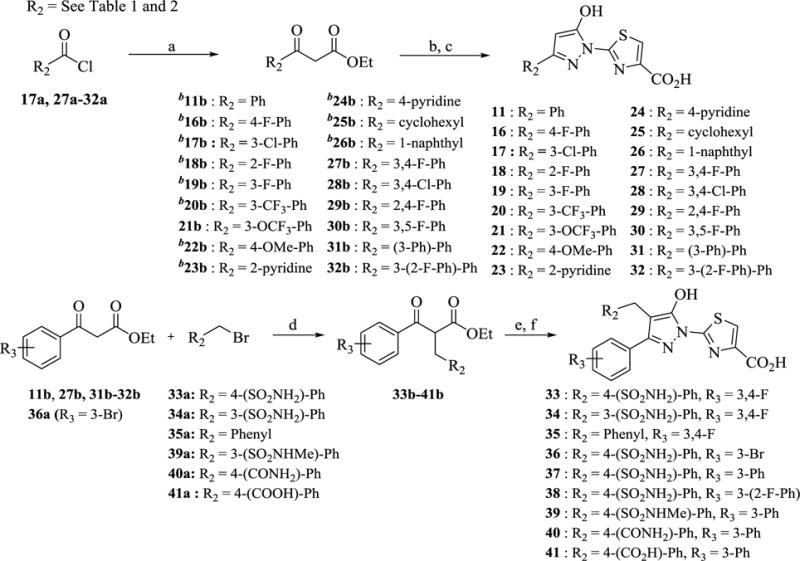
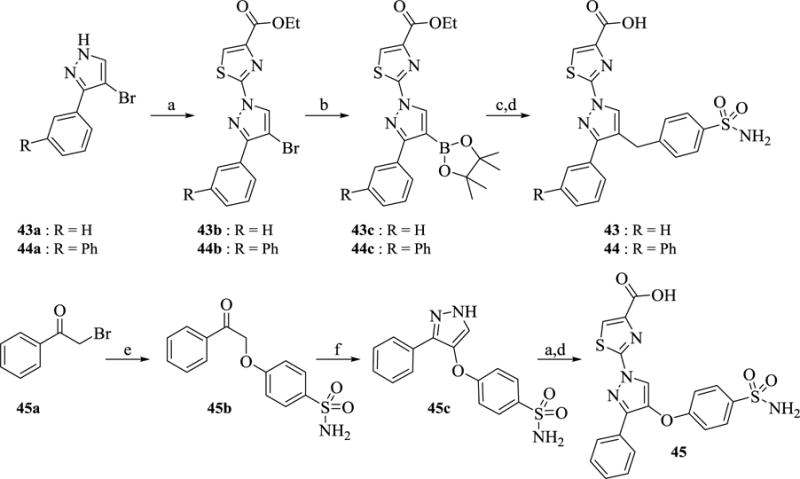
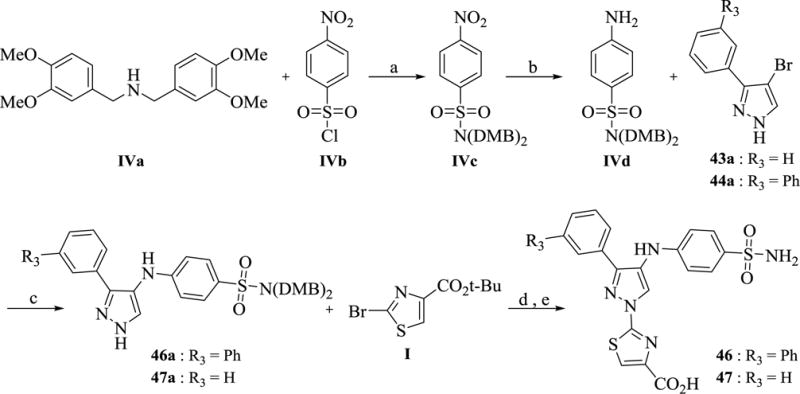
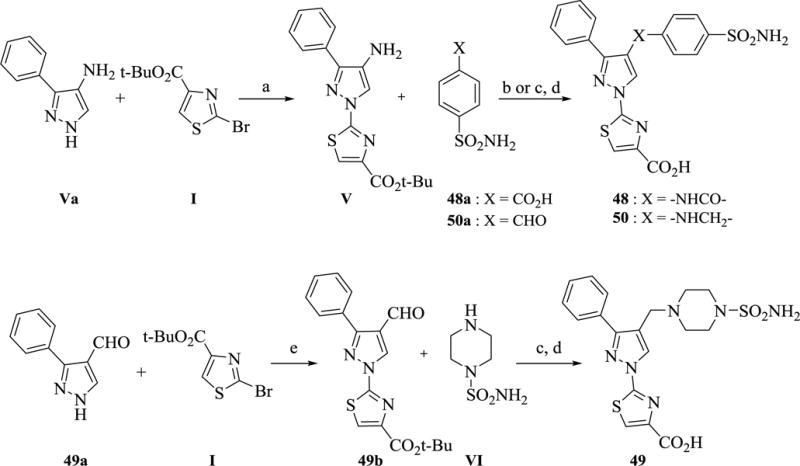
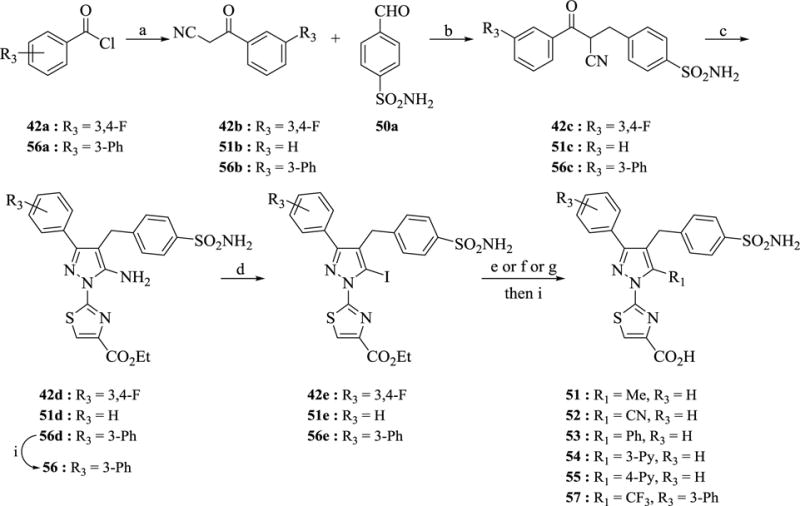
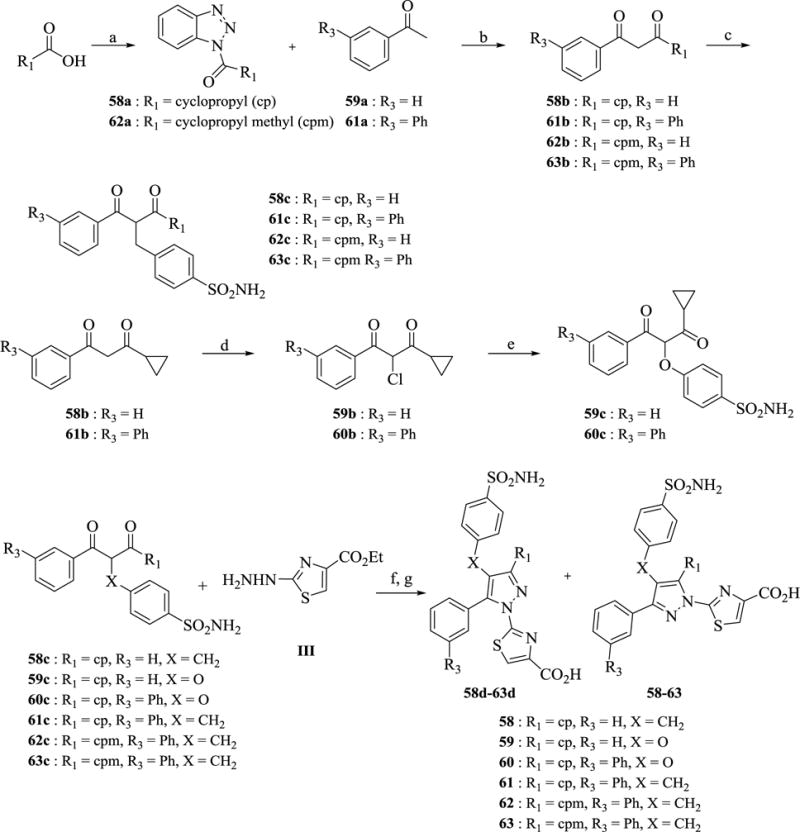
We report the discovery and medicinal chemistry optimization of a novel series of pyrazole-based inhibitors of human lactate dehydrogenase (LDH). Utilization of a quantitative high-throughput screening paradigm facilitated hit identification, while structure-based design and multiparameter optimization enabled the development of compounds with potent enzymatic and cell-based inhibition of LDH enzymatic activity. Lead compounds such as 63 exhibit low nM inhibition of both LDHA and LDHB, submicromolar inhibition of lactate production, and inhibition of glycolysis in MiaPaCa2 pancreatic cancer and A673 sarcoma cells. Moreover, robust target engagement of LDHA by lead compounds was demonstrated using the cellular thermal shift assay (CETSA), and drug-target residence time was determined via SPR. Analysis of these data suggests that drug-target residence time (off-rate) may be an important attribute to consider for obtaining potent cell-based inhibition of this cancer metabolism target.
我们报告了一系列新型基于吡唑的人乳酸脱氢酶(LDH)抑制剂的发现及药物化学优化过程。采用定量高通量筛选模式有助于发现活性分子,而基于结构的设计和多参数优化则促使开发出对LDH酶活性具有强效酶抑制和细胞抑制作用的化合物。先导化合物如63对LDHA和LDHB均表现出低纳摩尔级别的抑制作用,对乳酸生成具有亚微摩尔级别的抑制作用,并能抑制MiaPaCa2胰腺癌细胞和A673肉瘤细胞中的糖酵解。此外,使用细胞热位移分析(CETSA)证明了先导化合物对LDHA具有强大的靶点结合能力,并通过表面等离子体共振(SPR)测定了药物-靶点停留时间。对这些数据的分析表明,药物-靶点停留时间(解离速率)可能是在获得对该癌症代谢靶点的强效细胞抑制作用时需要考虑的一个重要因素。