Alves-Pinto Ana, Ehrlich Stefan, Cheng Gordon, Turova Varvara, Blumenstein Tobias, Lampe Renée
Research Unit of the Buhl-Strohmaier Foundation for Paediatric Neuroorthopaedics and Cerebral Palsy, Department of Orthopaedics, Klinikum Rechts der Isar, Technical University of Munich, Munich, Germany.
Chair for Cognitive Systems, Department of Electrical and Computer Engineering, Technical University of Munich, Munich, Germany.
Neuropsychiatr Dis Treat. 2017 Oct 25;13:2705-2718. doi: 10.2147/NDT.S145104. eCollection 2017.
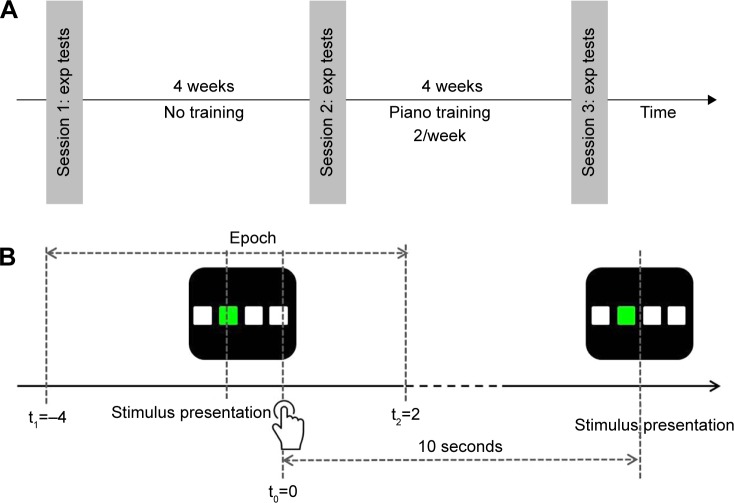
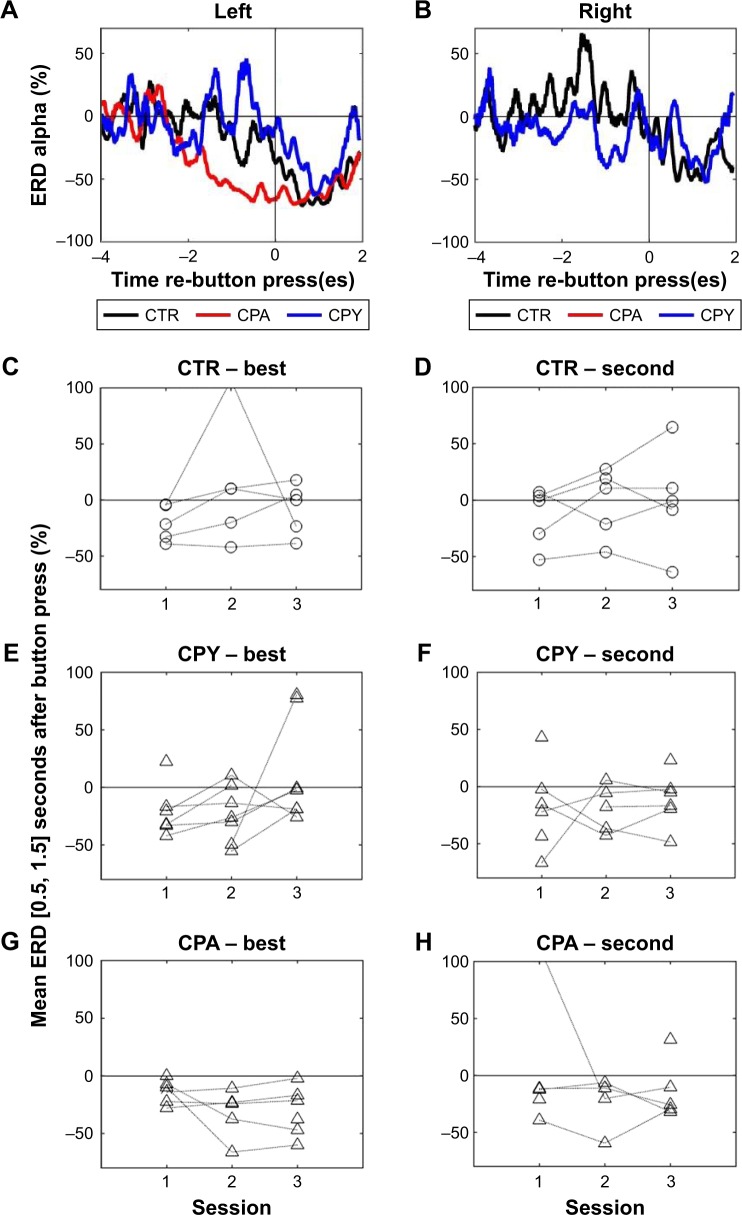
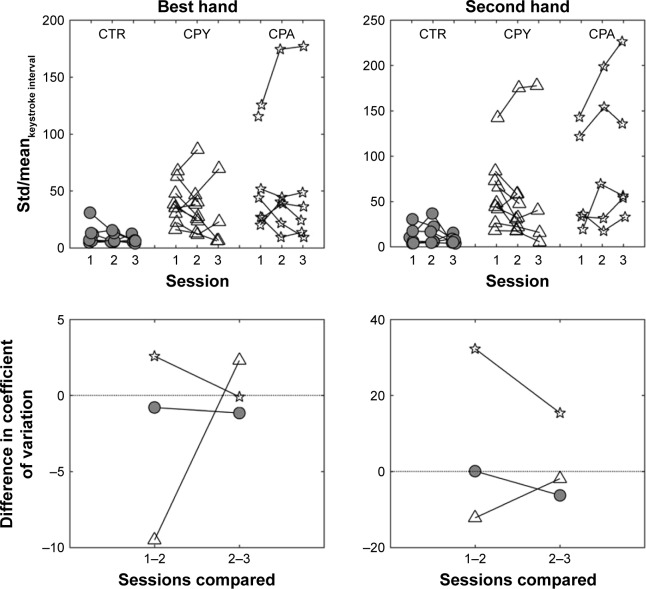
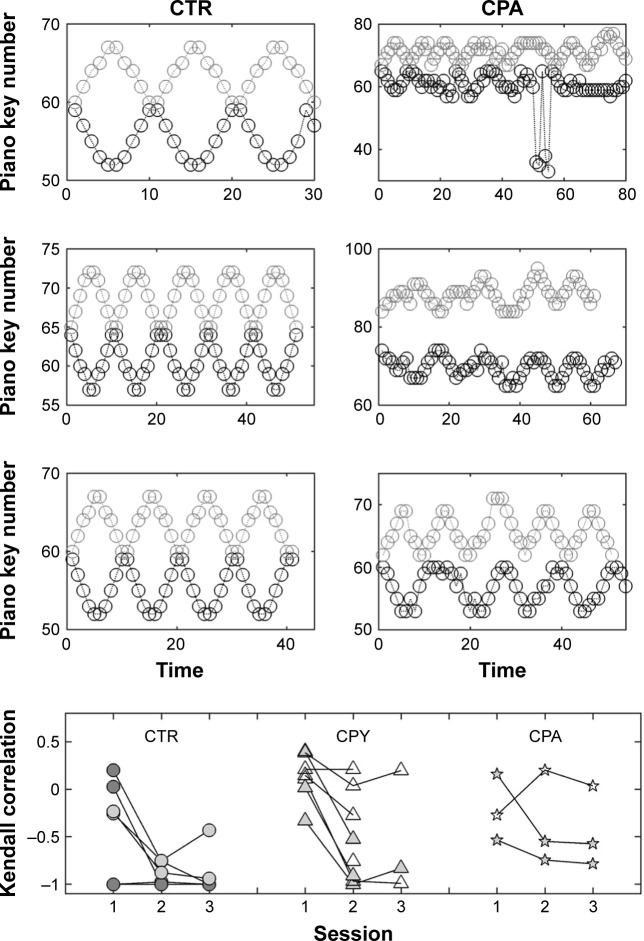
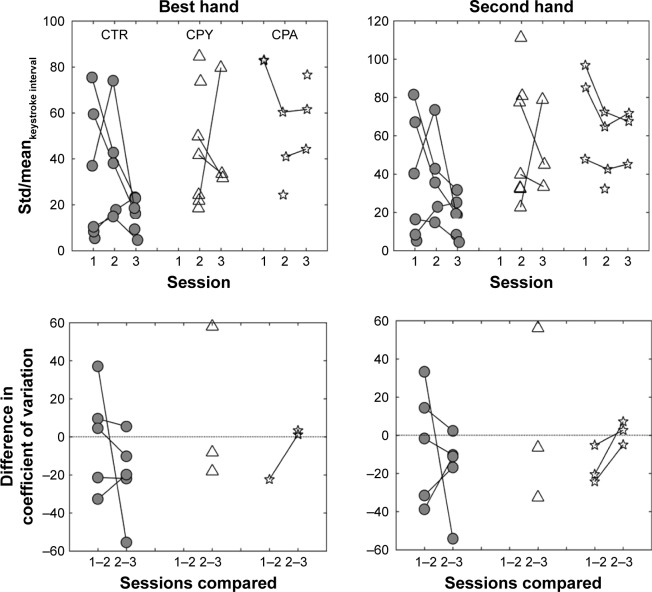
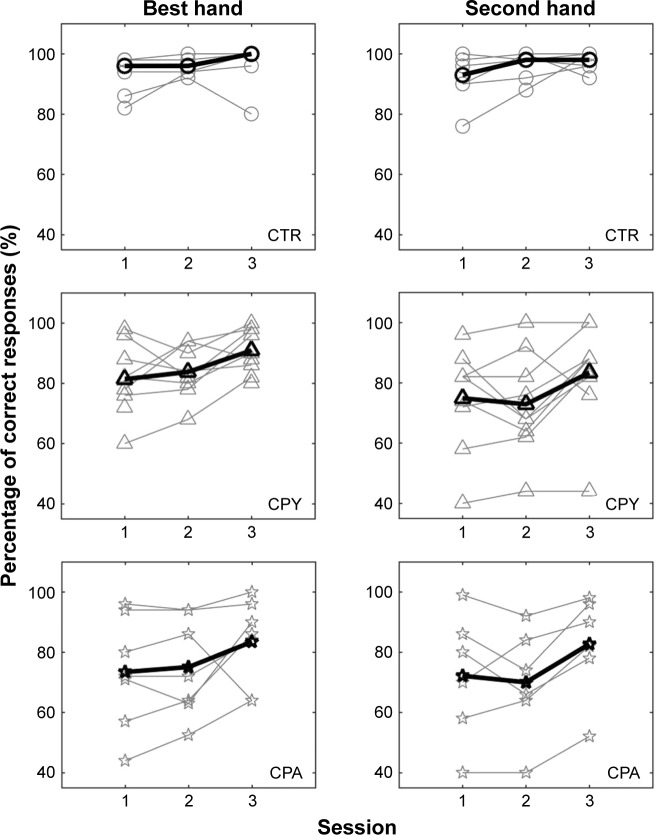
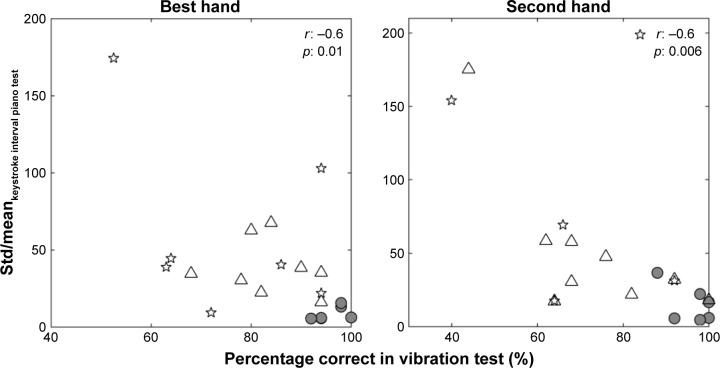
Playing a musical instrument demands the integration of sensory and perceptual information with motor processes in order to produce a harmonic musical piece. The diversity of brain mechanisms involved and the joyful character of playing an instrument make musical instrument training a potential vehicle for neurorehabilitation of motor skills in patients with cerebral palsy (CP). This clinical condition is characterized by motor impairments that can affect, among others, manual function, and limit severely the execution of basic daily activities. In this study, adolescents and adult patients with CP, as well as a group of typically developing children learned to play piano for 4 consecutive weeks, having completed a total of 8 hours of training. For ten of the participants, learning was supported by a special technical system aimed at helping people with sensorimotor deficits to better discriminate fingers and orient themselves along the piano keyboard. Potential effects of piano training were assessed with tests of finger tapping at the piano and tests of perception of vibratory stimulation of fingers, and by measuring neuronal correlates of motor learning in the absence of and after piano training. Results were highly variable especially among participants with CP. Nevertheless, a significant effect of training on the ability to perceive the localization of vibrations over fingers was found. No effects of training on the performance of simple finger tapping sequences at the piano or on motor-associated brain responses were registered. Longer periods of training are likely required to produce detectable changes.
演奏乐器需要将感官和感知信息与运动过程整合起来,以创作出和谐的音乐作品。所涉及的大脑机制的多样性以及演奏乐器带来的愉悦感,使得乐器训练成为脑瘫(CP)患者运动技能神经康复的一种潜在手段。这种临床病症的特征是运动障碍,其中包括可能影响手部功能等,严重限制基本日常活动的执行。在本研究中,患有CP的青少年和成年患者以及一组发育正常的儿童连续四周学习弹钢琴,总共完成了8小时的训练。对于其中10名参与者,学习得到了一种特殊技术系统的支持,该系统旨在帮助有感觉运动缺陷的人更好地辨别手指并在钢琴键盘上定位。通过钢琴上的手指敲击测试、手指振动刺激感知测试以及测量钢琴训练前后运动学习的神经元相关性,评估了钢琴训练的潜在效果。结果差异很大,尤其是在患有CP的参与者中。然而,发现训练对感知手指振动位置的能力有显著影响。未发现训练对钢琴上简单手指敲击序列的表现或与运动相关的大脑反应有影响。可能需要更长时间的训练才能产生可检测到的变化。