Nakao Hiroyuki, Ukai Isao, Kotani Joji
Department of Emergency Disaster and Critical Care Medicine Hyogo Medical College of Medicine Nishinomiya Hyogo Japan.
Trauma and Resuscitation Center Hyogo Prefectural Nishinomia Hospital Nishinomiya Hyogo Japan.
Acute Med Surg. 2017 Jul 14;4(4):379-384. doi: 10.1002/ams2.293. eCollection 2017 Oct.
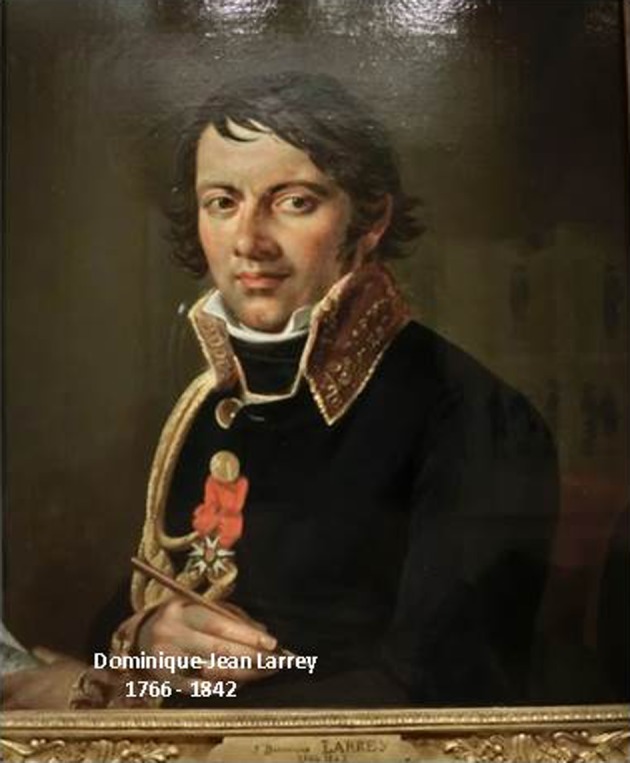
We usually associate triage with the Simple Triage and Rapid Treatment method, but much of its origin is still unknown. Therefore, French studies and the origin of triage shown in domestic and foreign published works have been investigated and its significance reaffirmed. The etymology of the word "triage" means "to break into three pieces." It was suggested by a literature review that the rise of Napoleon led to military tactical changes, and that the prototype of triage arose from the experience gained in the difficult campaign in Egypt and Syria. Subsequently, triage was refined by Napoleon's military surgeon, D. J. Larrey, who created the ambulance transport system. Although there is a clash between the ruthless and philanthropic aspects of triage, triage is in accordance with the primary purpose of evacuation or treatment. We should choose the triage method that is consistent with the purpose of each disaster situation.
我们通常将分诊与简单分诊和快速治疗方法联系起来,但其起源的很多方面仍不为人知。因此,对法国的研究以及国内外已发表著作中所呈现的分诊起源进行了调查,并再次确认了其重要性。“分诊”一词的词源意为“分成三部分”。一项文献综述表明,拿破仑的崛起导致了军事战术的变革,分诊的原型源自于在埃及和叙利亚艰难战役中获得的经验。随后,拿破仑的军医D. J. 拉雷对分诊进行了完善,他创建了救护运输系统。尽管分诊在无情与博爱的方面存在冲突,但分诊符合疏散或治疗的首要目的。我们应选择与每种灾难情况的目的相一致的分诊方法。