OlioCRU s.r.l. Research and Development Group, Via Aldo Moro 1, 38062, Arco, TN, Italy.
Department of Food Quality and Nutrition, Research and Innovation Centre-Fondazione Edmund Mach, San Michele all'Adige, Italy.
Eur J Nutr. 2019 Feb;58(1):63-81. doi: 10.1007/s00394-017-1572-2. Epub 2017 Nov 9.
Olive pomace is a major waste product of olive oil production but remains rich in polyphenols and fibres. We measured the potential of an olive pomace-enriched biscuit formulation delivering 17.1 ± 4.01 mg/100 g of hydroxytyrosol and its derivatives, to modulate the composition and metabolic activity of the human gut microbiota.
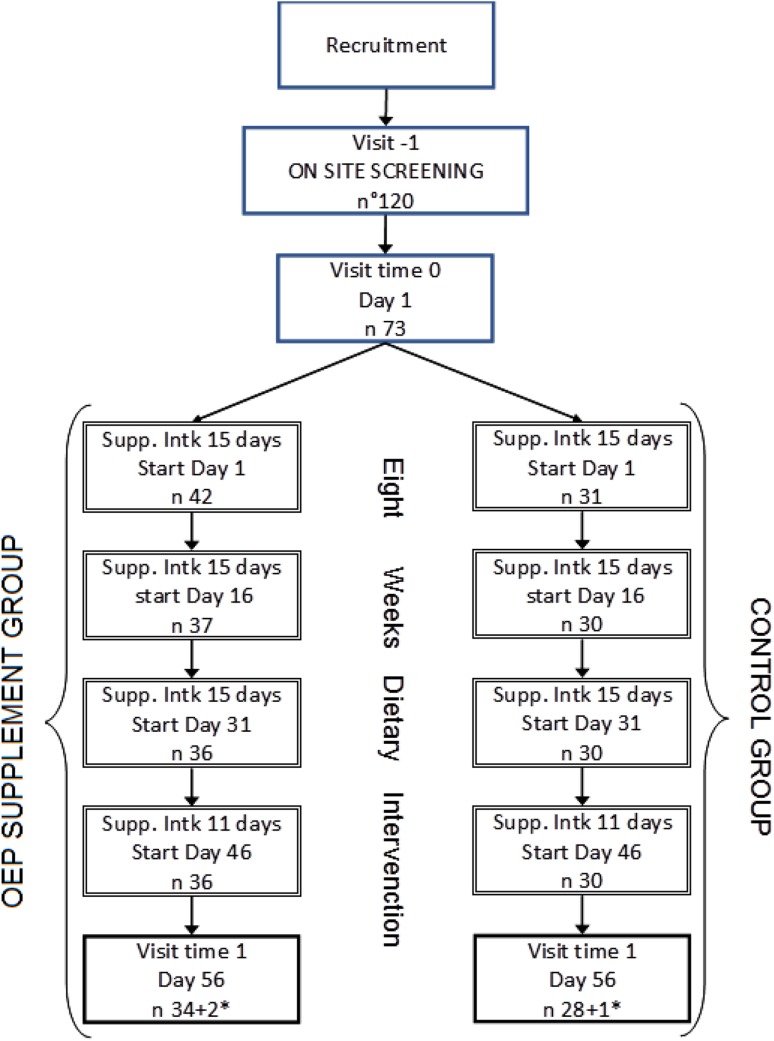
In a double-blind, controlled parallel dietary intervention 62 otherwise healthy hypercholesterolemic (total plasma cholesterol 180-240 mg/dl) subjects were randomly assigned to eat 90 g of olive pomace-enriched biscuit (olive-enriched product, OEP) or an isoenergetic control (CTRL) for 8 weeks. Fasted blood samples, 24-h urine and faecal samples were collected before and after dietary intervention for measurement of microbiota, metabolites and clinical parameters.
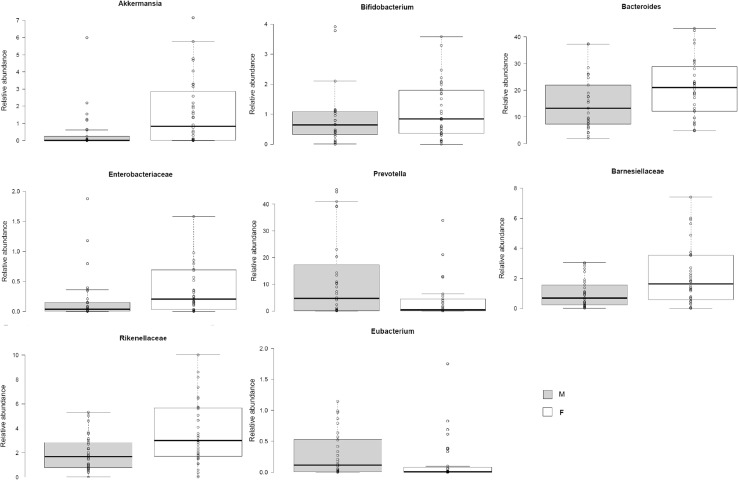
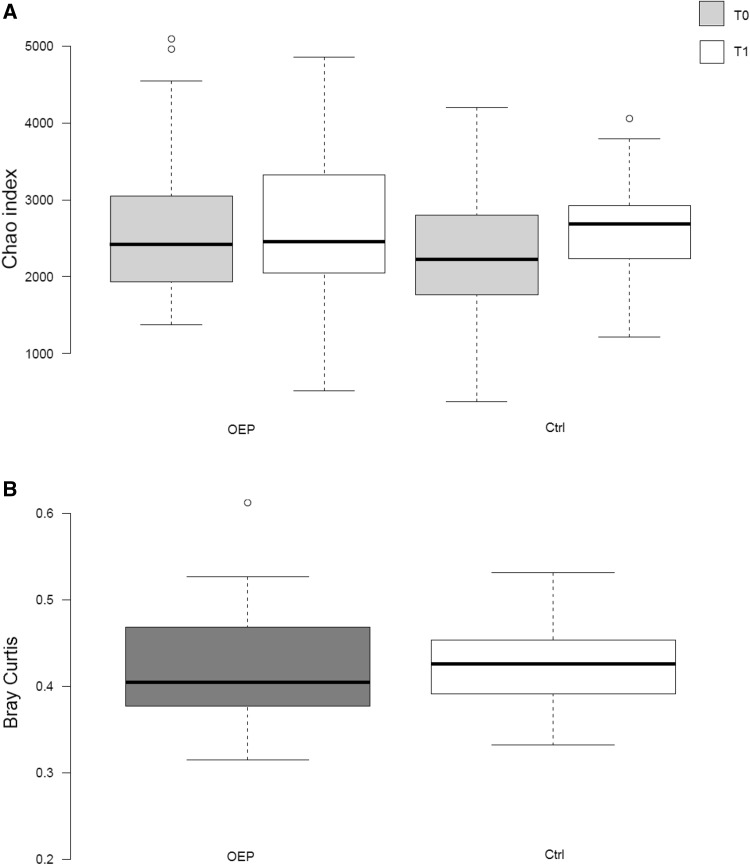
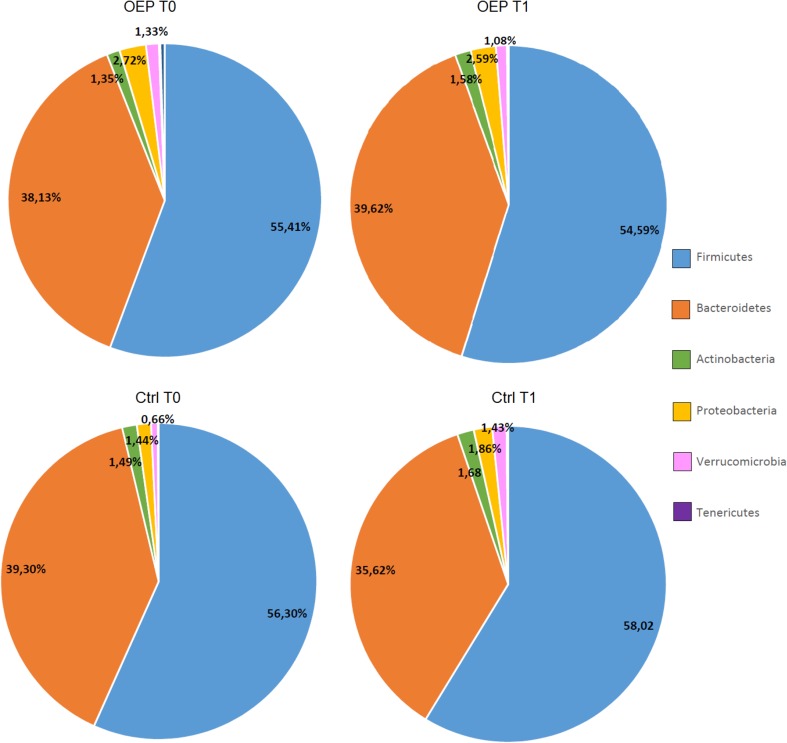
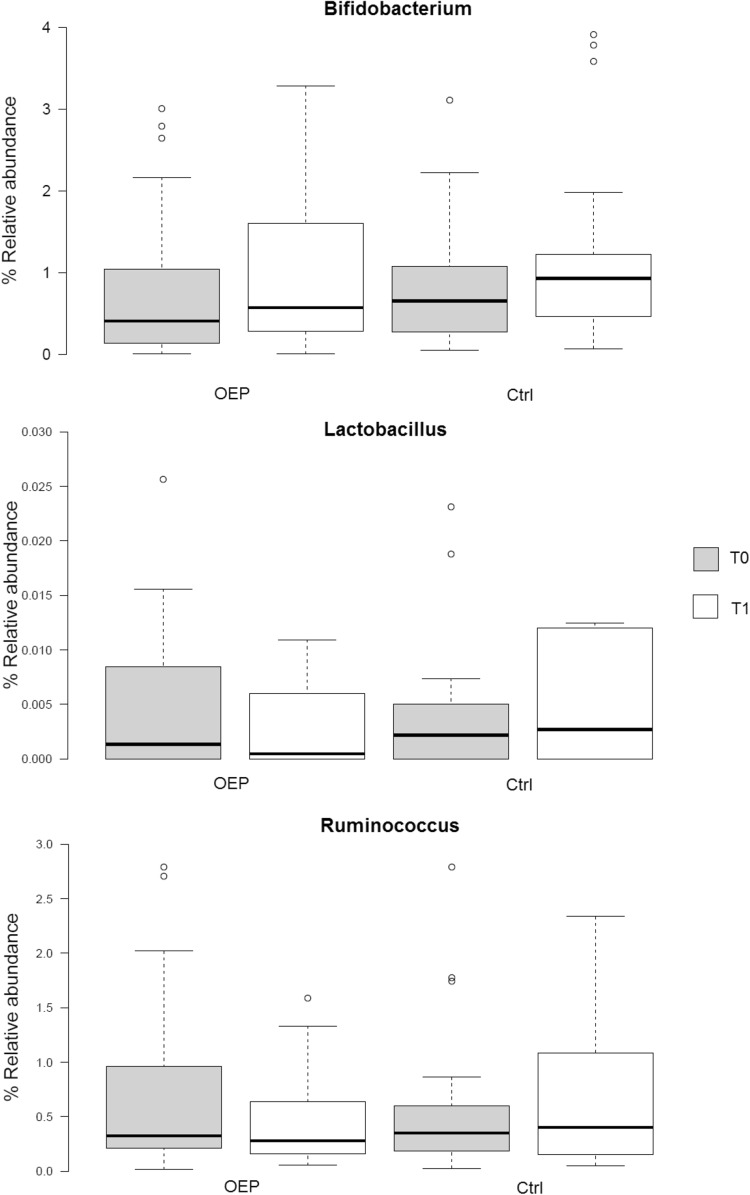
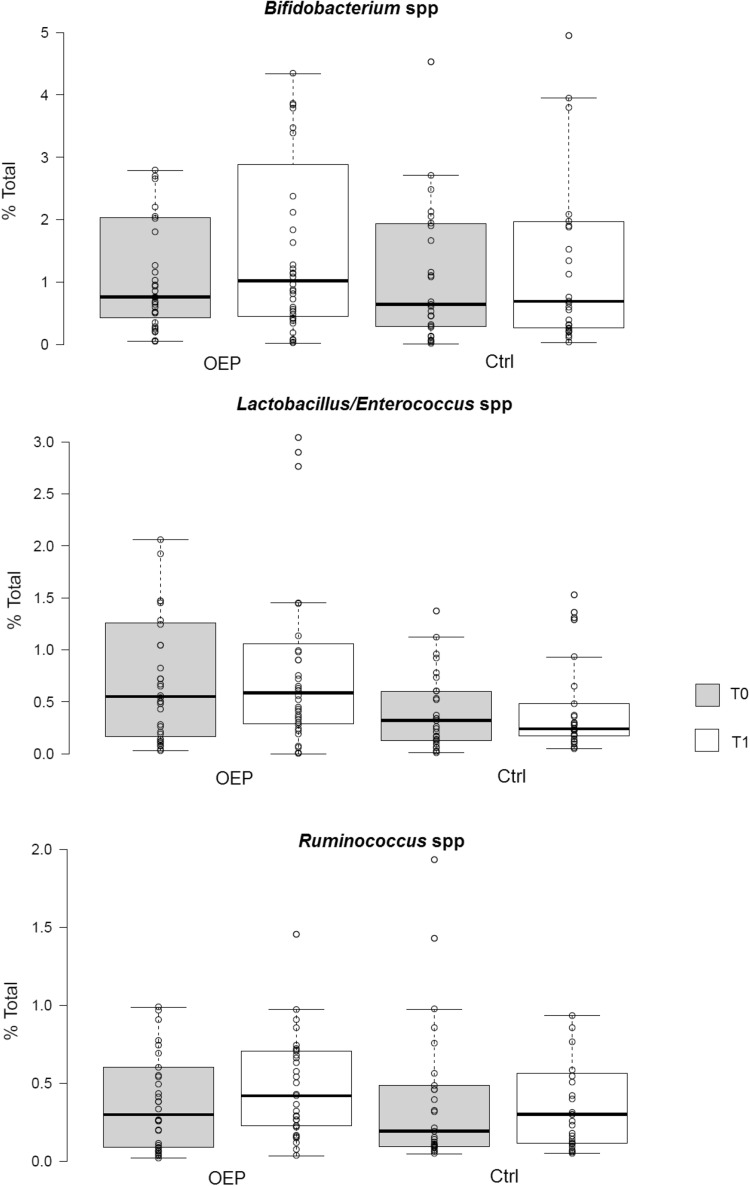
Consumption of OEP biscuits did not impact on the diversity of the faecal microbiota and there was no statistically significant effect on CVD markers. A trend towards reduced oxidized LDL cholesterol following OEP ingestion was observed. At the genus level lactobacilli and Ruminococcus were reduced in OEP compared to CTRL biscuits. A trend towards increased bifidobacteria abundance was observed after OEP ingestion in 16S rRNA profiles, by fluorescent in situ hybridization and by qPCR. Targeted LC-MS revealed significant increases phenolic acid concentrations in 24-h urine following OEP ingestion and 3,4-dihydroxyphenylacetic acid (DOPAC) and homovanillic acid, derivatives of hydroxytyrosol, were elevated in blood. A sex effect was apparent in urine small phenolic acid concentrations, and this sex effect was mirrored by statistically significant differences in relative abundances of faecal bacteria between men and women.
Ingestion of OEP biscuits led to a significant increase in the metabolic output of the gut microbiota with an apparent sex effect possibly linked to differences in microbiota makeup. Increased levels of homovanillic acid and DOPAC, thought to be involved in reducing oxidative LDL cholesterol, were observed upon OEP ingestion. However, OEP did not induce statistically significant changes in either ox-LDL or urinary isoprostane in this study.
橄榄渣是橄榄油生产的主要废弃物,但仍富含多酚和纤维。我们测量了富含橄榄渣的饼干配方的潜力,该配方可提供 17.1±4.01mg/100g 羟基酪醇及其衍生物,以调节人体肠道微生物群的组成和代谢活性。
在一项双盲、对照平行饮食干预研究中,62 名健康的高胆固醇血症(总血浆胆固醇 180-240mg/dl)受试者被随机分配食用 90g 富含橄榄渣的饼干(橄榄强化产品,OEP)或等量的对照(CTRL)饼干,为期 8 周。在饮食干预前后采集空腹血样、24 小时尿液和粪便样本,用于测量微生物群、代谢物和临床参数。
OEP 饼干的摄入不会影响粪便微生物群的多样性,也不会对 CVD 标志物产生统计学上的显著影响。观察到 OEP 摄入后氧化 LDL 胆固醇有降低的趋势。与 CTRL 饼干相比,OEP 中乳杆菌属和真杆菌属的数量减少。16S rRNA 图谱、荧光原位杂交和 qPCR 显示,OEP 摄入后双歧杆菌丰度有增加的趋势。靶向 LC-MS 显示,OEP 摄入后 24 小时尿液中小酚酸浓度显著增加,血液中羟基酪醇的衍生物 3,4-二羟基苯乙酸(DOPAC)和高香草酸的浓度升高。尿液中小酚酸浓度存在明显的性别效应,这种性别效应反映在男性和女性粪便细菌相对丰度的统计学显著差异上。
摄入 OEP 饼干可显著增加肠道微生物群的代谢产物,且可能存在与微生物群组成差异相关的明显性别效应。OEP 摄入后观察到同型香草酸和 DOPAC 水平升高,认为这与降低氧化 LDL 胆固醇有关。然而,在这项研究中,OEP 并没有在 ox-LDL 或尿液中诱导统计学上显著的异前列烷变化。