Yu Pengfei, Huang Ling, Cheng Guoping, Yang Litao, Dai Gaiguo, Ying Jieer, Du Yian
Department of Abdominal Surgery, Zhejiang Cancer Hospital, Hangzhou 310022, China.
Department of Pathology, Zhejiang Cancer Hospital, Hangzhou 310022, China.
Oncotarget. 2017 Aug 1;8(47):82558-82570. doi: 10.18632/oncotarget.19759. eCollection 2017 Oct 10.
Gastric cancer patient with ovarian metastasis is common in clinical practice, but it is still uncertain whether surgical resection of ovarian metastasis could improve the outcome. This study aimed to explore the survival benefit of metastasectomy plus chemotherapy over chemotherapy alone in the treatment of Krukenberg tumors arising from gastric cancer and to identify prognostic factors.
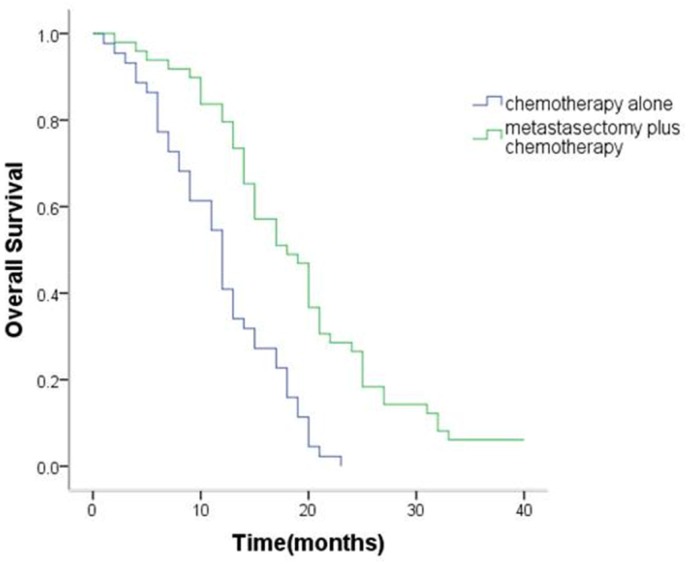
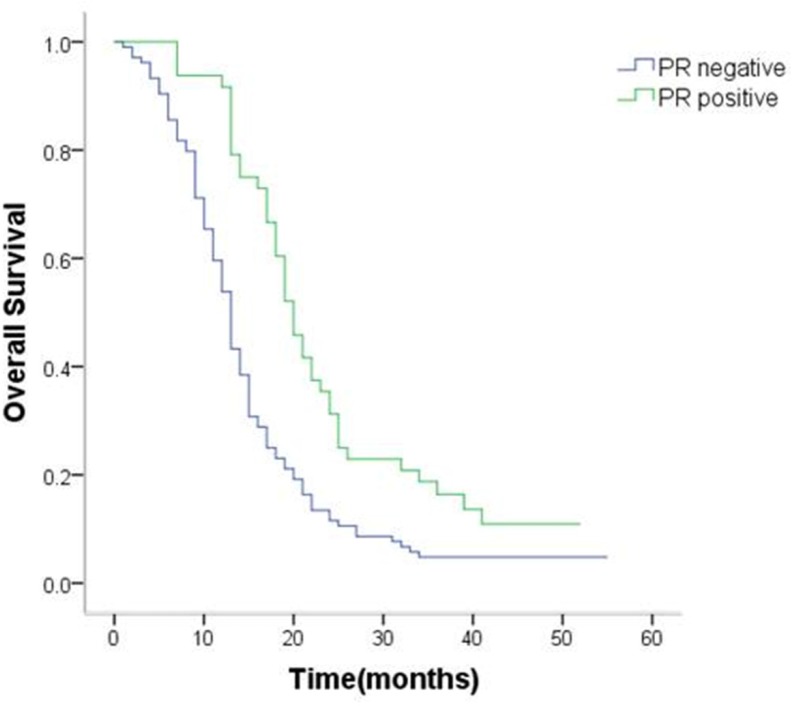
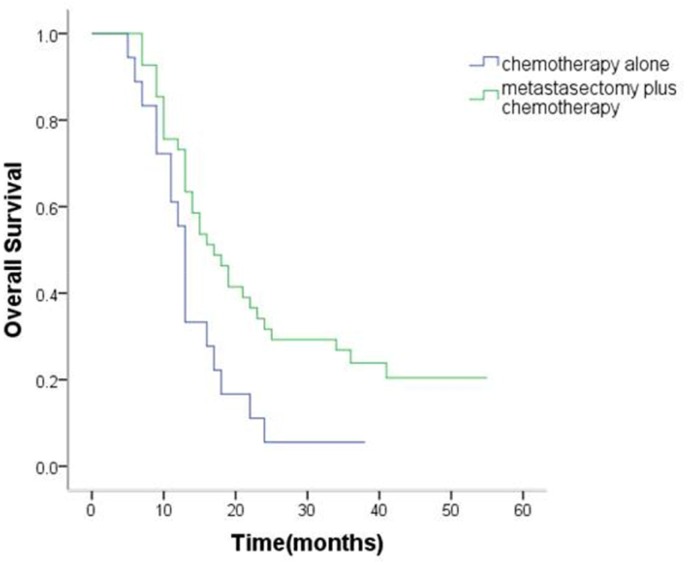
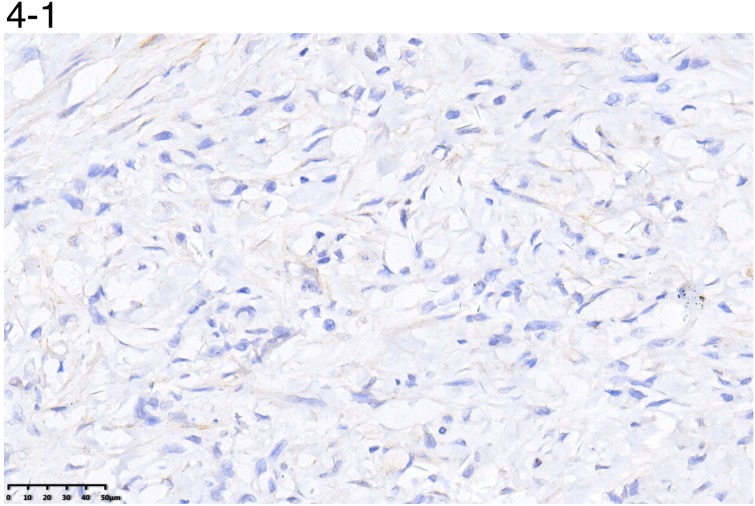
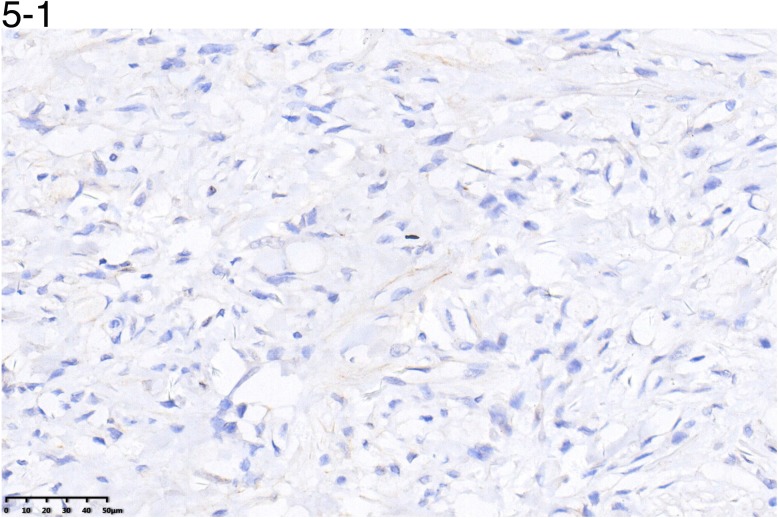
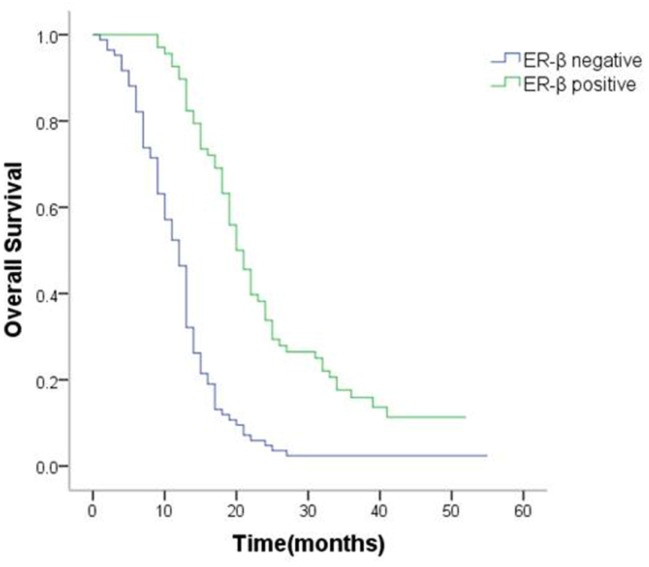
A total of 152 patients were identified, including 93 patients with synchronous ovarian metastasis and 59 patients with metachronous ovarian metastasis. Overall survival (OS) was significantly better in metastasectomy group relative to the non-metastasectomy group for patients with synchronous ovarian metastasis (19.0 months vs. 11.8 months; < 0.001) and those with metachronous ovarian metastasis (24.6 months vs. 14.3 months; = 0.02), respectively. Metastasectomy (hazard ration [HR] 0.486; 95% confidence interval [CI] 0.323-0.729; < 0.001), peritoneal carcinomatosis (HR 1.934; 95% CI 1.230-3.049; = 0.004), and expression status of ER-β (HR 0.404; 95% CI 0.251-0.648; < 0.001) and PR (HR 0.496; 95% CI 0.301-0.817; < 0.001) were independent predictors of OS.
All patients who were diagnosed with gastric cancer and ovarian metastases between January 2005 and December 2014 were included in the current study. Patients were subdivided according to treatment modality: the metastasectomy group (metastasectomy plus chemotherapy) and the non-metastasectomy group (chemotherapy alone). The clinicopathological features and the treatment records were reviewed in detail and their association with survival were analyzed.
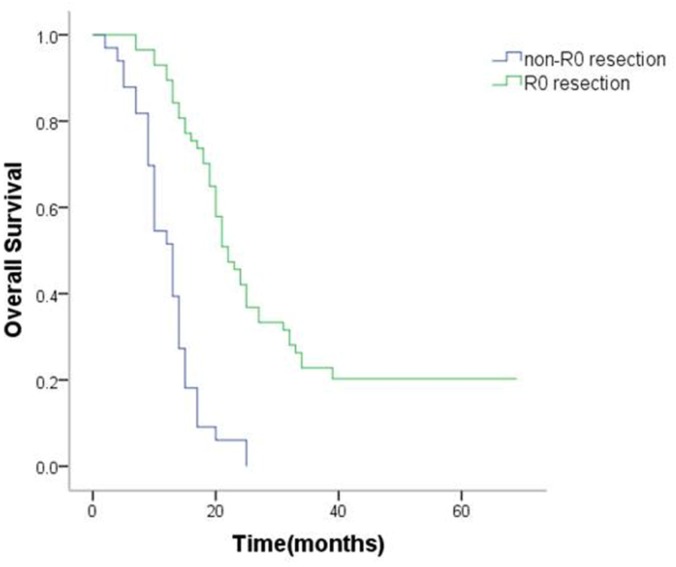
Metastasectomy plus chemotherapy was associated with survival benefits in patients with Krukenberg tumors from gastric cancer. Metastasectomy, peritoneal carcinomatosis, and expression status of ER-β and PR were independent prognostic factors for survival.
胃癌伴卵巢转移的患者在临床实践中很常见,但卵巢转移灶的手术切除是否能改善预后仍不确定。本研究旨在探讨胃癌来源的库肯勃瘤患者中,转移灶切除术联合化疗相对于单纯化疗的生存获益,并确定预后因素。
共纳入152例患者,其中同步性卵巢转移患者93例,异时性卵巢转移患者59例。对于同步性卵巢转移患者,转移灶切除组的总生存期(OS)显著优于未行转移灶切除组(19.0个月对11.8个月;P<0.001);对于异时性卵巢转移患者,转移灶切除组的总生存期也显著优于未行转移灶切除组(24.6个月对14.3个月;P=0.02)。转移灶切除术(风险比[HR]0.486;95%置信区间[CI]0.323 - 0.729;P<0.001)、腹膜种植转移(HR 1.934;95% CI 1.230 - 3.049;P=0.004)以及雌激素受体-β(ER-β)(HR 0.404;95% CI 0.251 - 0.648;P<0.001)和孕激素受体(PR)(HR 0.496;95% CI 0.301 - 0.817;P<0.001)的表达状态是总生存期的独立预测因素。
纳入2005年1月至2014年12月期间诊断为胃癌伴卵巢转移的所有患者。根据治疗方式将患者分为:转移灶切除组(转移灶切除术联合化疗)和未行转移灶切除组(单纯化疗)。详细回顾临床病理特征和治疗记录,并分析它们与生存的相关性。
对于胃癌来源的库肯勃瘤患者,转移灶切除术联合化疗具有生存获益。转移灶切除术、腹膜种植转移以及ER-β和PR的表达状态是生存的独立预后因素。