IVPC UMR754, INRA, Univ Lyon, Université Claude Bernard Lyon 1, EPHE, Lyon, France.
Department of Respiratory Diseases, Hospices Civils de Lyon, Louis Pradel Hospital, Lyon, France.
Vet Res. 2017 Nov 14;48(1):76. doi: 10.1186/s13567-017-0480-z.
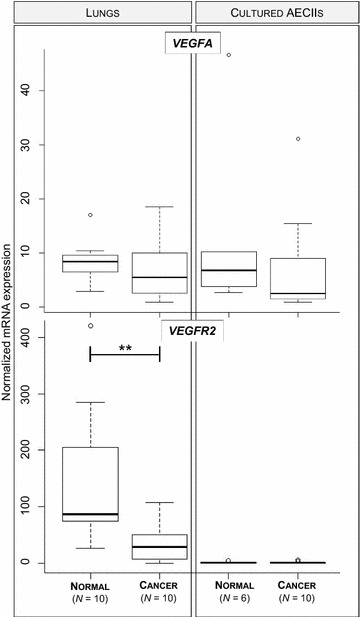
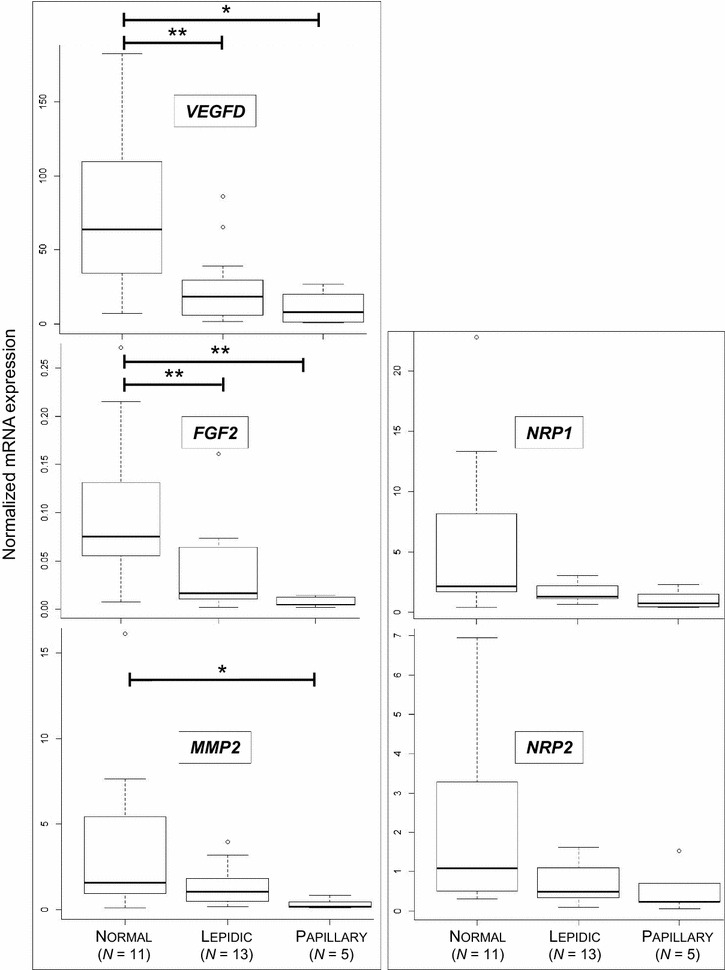
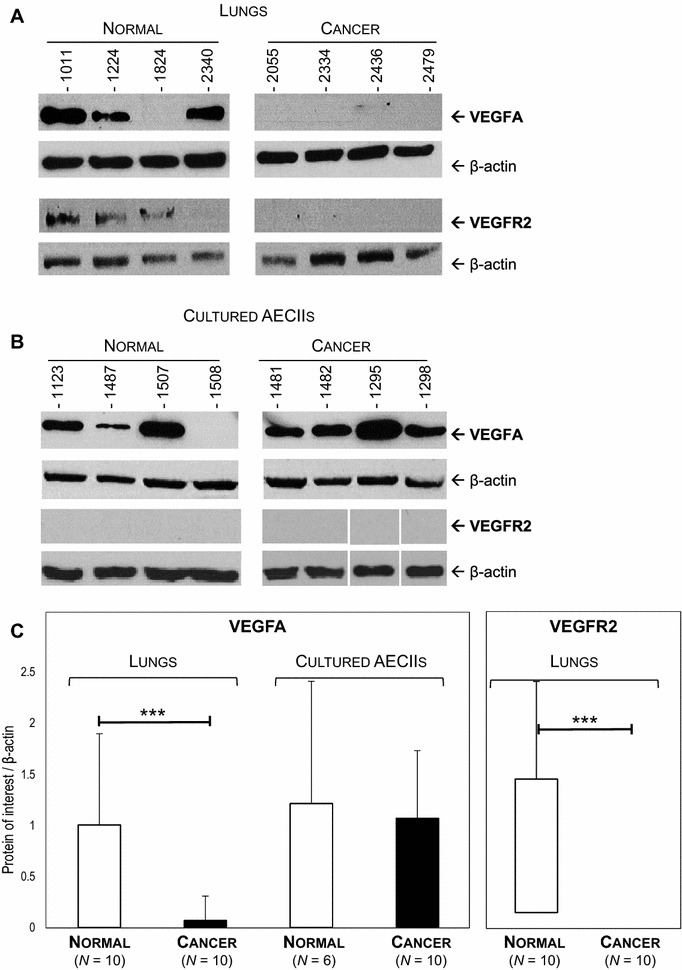
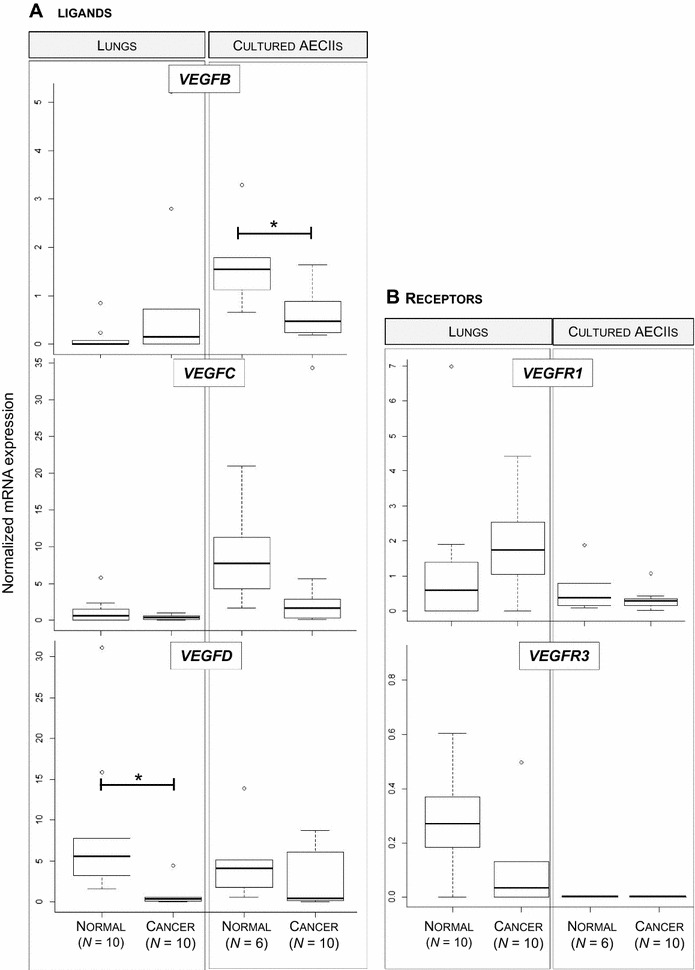
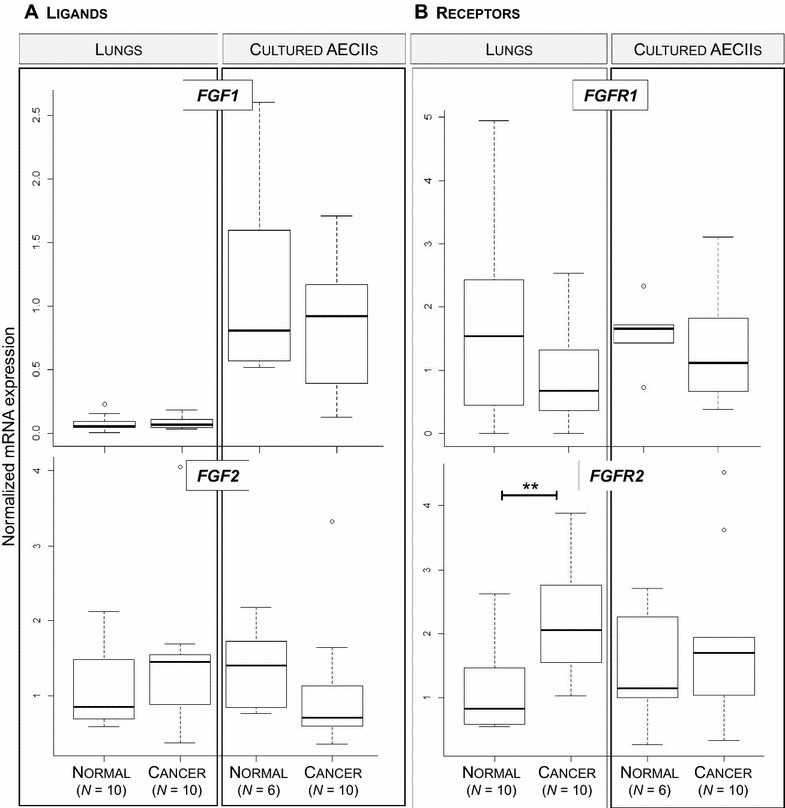
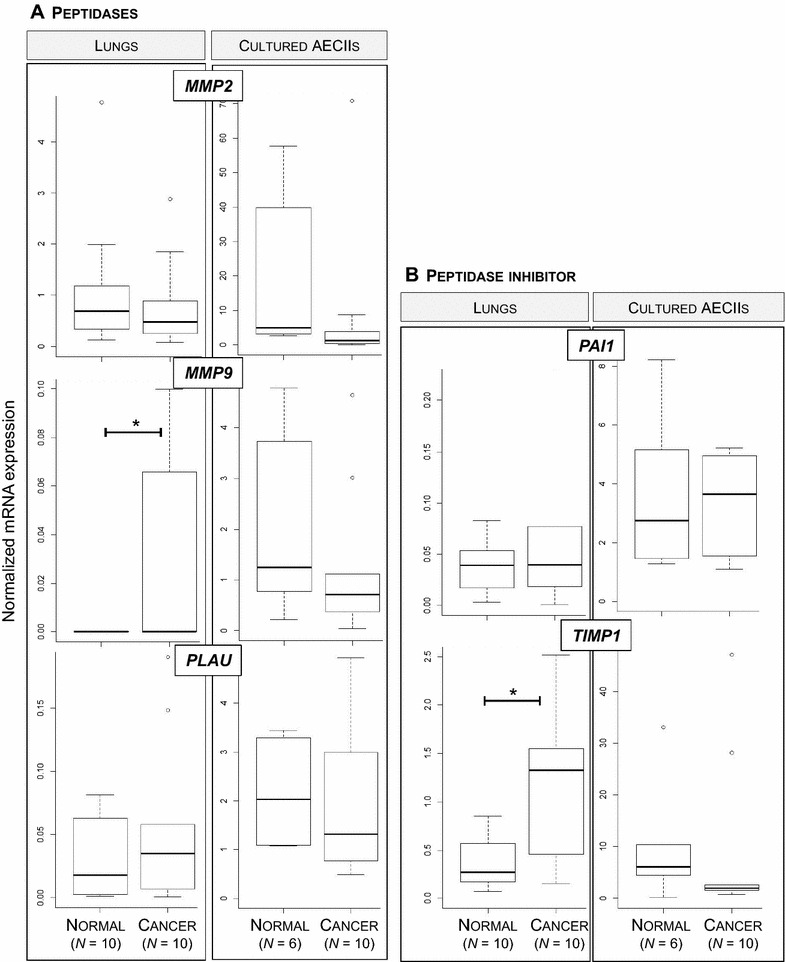
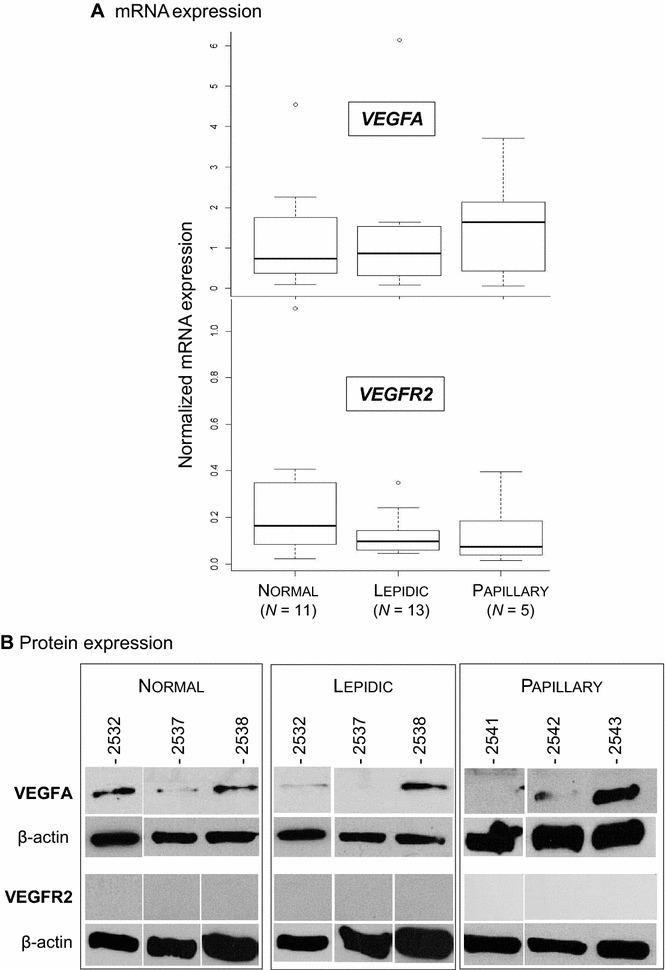
JSRV (Jaagsiekte Sheep Retrovirus) is a retrovirus inducing a transmissible lung adenocarcinoma in sheep and goats with predominantly lepidic and papillary lesions. This naturally occurring lung cancer in large animals shares many features with human pneumonic-type lung adenocarcinomas with predominant lepidic growth. The metastatic spread is rare in both human and animal cancers. This unique feature prompted us to decipher the angiogenesis pathway in these cancers. We focused on the levels of mRNA and proteins of genes implicated in the extension of JSRV-induced lung adenocarcinomas by studying their expression in lung cancers (n = 10) and normal lungs (n = 10) and in primary epithelial alveolar type II cells derived from cancers (n = 10) or normal lungs (n = 6). In parallel, we evaluated the levels of expression of key genes in lung tissues collected from lepidic (n = 13) or papillary (n = 5) human adenocarcinomas and, when available, adjacent normal lungs (n = 11). We measured the expression of the same key genes implicated in angiogenesis, lymphangiogenesis and degradation of the extracellular matrix. In ovine adenocarcinomas, VEGFR2 and VEGFD mRNA were downregulated in cancers; MMP9, TIMP1 and FGFR2 mRNA were overexpressed as compared to normal lungs. Importantly, VEGFA and VEGFR2 proteins were not expressed in JSRV-induced cancers. In human lepidic adenocarcinomas, VEGFA and VEGFR2 mRNA were weakly expressed and no VEGFR2 protein was detectable. Downregulation of key angiogenic players may contribute to the control of extra thoracic invasion of cancer cells in human and ovine pneumonic-type adenocarcinoma with predominant lepidic growth.
JSRV(山羊关节炎脑炎病毒)是一种逆转录病毒,可诱导绵羊和山羊发生具有主要为贴壁型和乳头型病变的传染性肺腺癌。这种大型动物中发生的自然肺肿瘤与以贴壁型生长为主的人类肺炎型肺腺癌具有许多共同特征。在人和动物的癌症中,转移扩散均罕见。这一独特特征促使我们破译这些癌症中的血管生成途径。我们专注于 JSRV 诱导的肺腺癌扩展中涉及的基因的 mRNA 和蛋白质水平,通过研究其在肺癌(n=10)和正常肺(n=10)以及源自癌症(n=10)或正常肺(n=6)的原发性上皮肺泡 II 型细胞中的表达来研究这些基因。平行地,我们评估了从贴壁型(n=13)或乳头型(n=5)人类腺癌以及可获得的相邻正常肺(n=11)中收集的肺组织中关键基因的表达水平。我们测量了参与血管生成、淋巴管生成和细胞外基质降解的相同关键基因的表达。在绵羊腺癌中,VEGFR2 和 VEGFD mRNA 在癌症中下调;与正常肺相比,MMP9、TIMP1 和 FGFR2 mRNA 过表达。重要的是,VEGFA 和 VEGFR2 蛋白在 JSRV 诱导的癌症中不表达。在人类贴壁型腺癌中,VEGFA 和 VEGFR2 mRNA 表达较弱,且无法检测到 VEGFR2 蛋白。关键血管生成因子的下调可能有助于控制人类和绵羊肺炎型以贴壁型生长为主的腺癌的胸外癌细胞侵袭。