Li Guoshi, Cleland Thomas A
Dept. Psychology, Cornell University, Ithaca, NY United States of America.
PLoS Comput Biol. 2017 Nov 15;13(11):e1005760. doi: 10.1371/journal.pcbi.1005760. eCollection 2017 Nov.
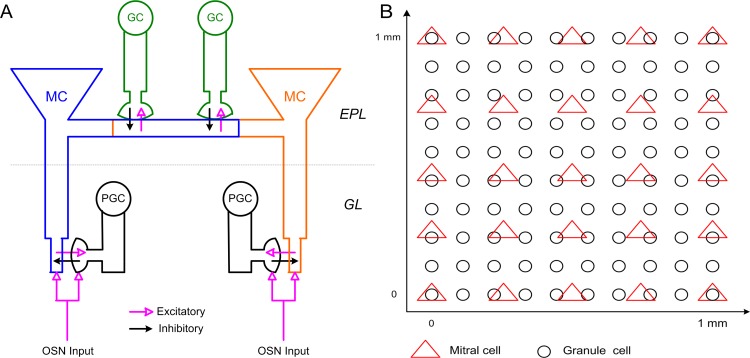
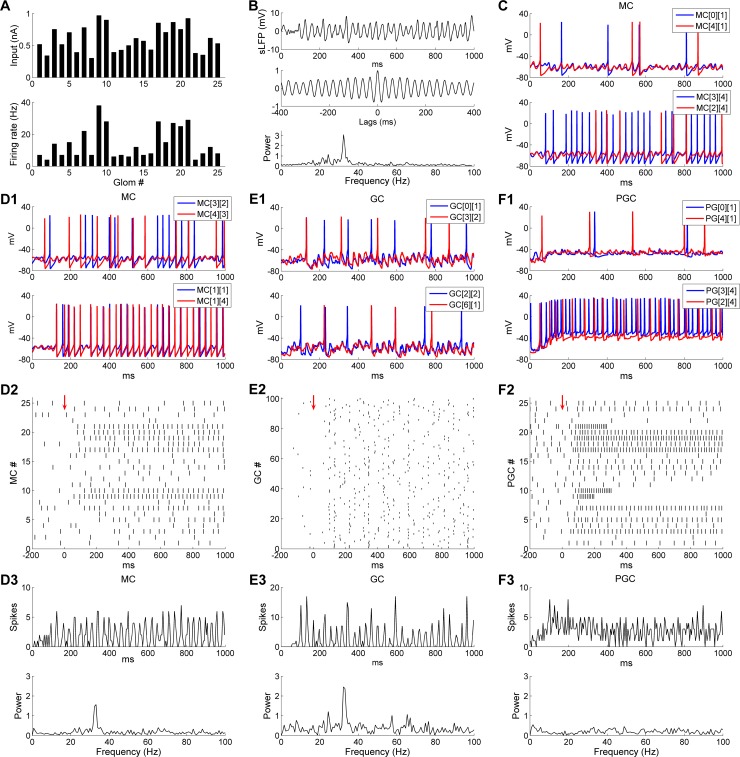
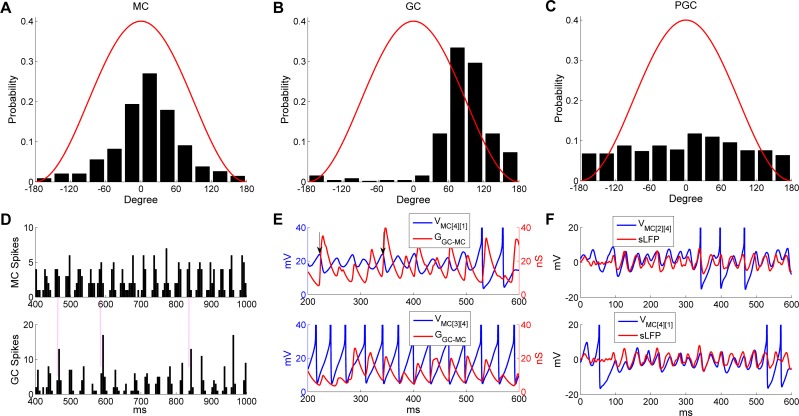
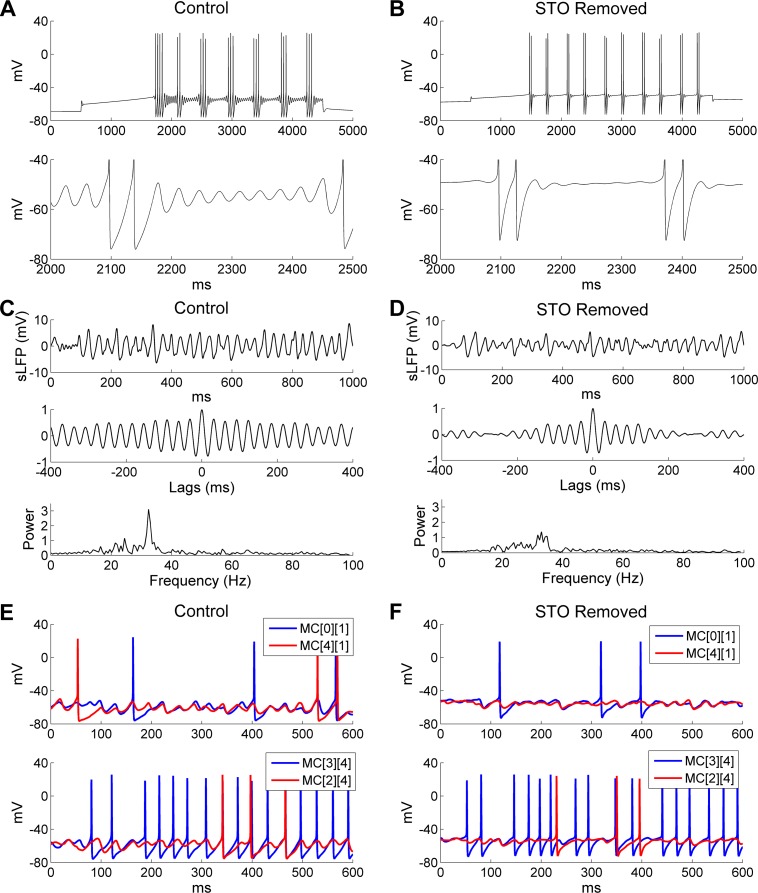
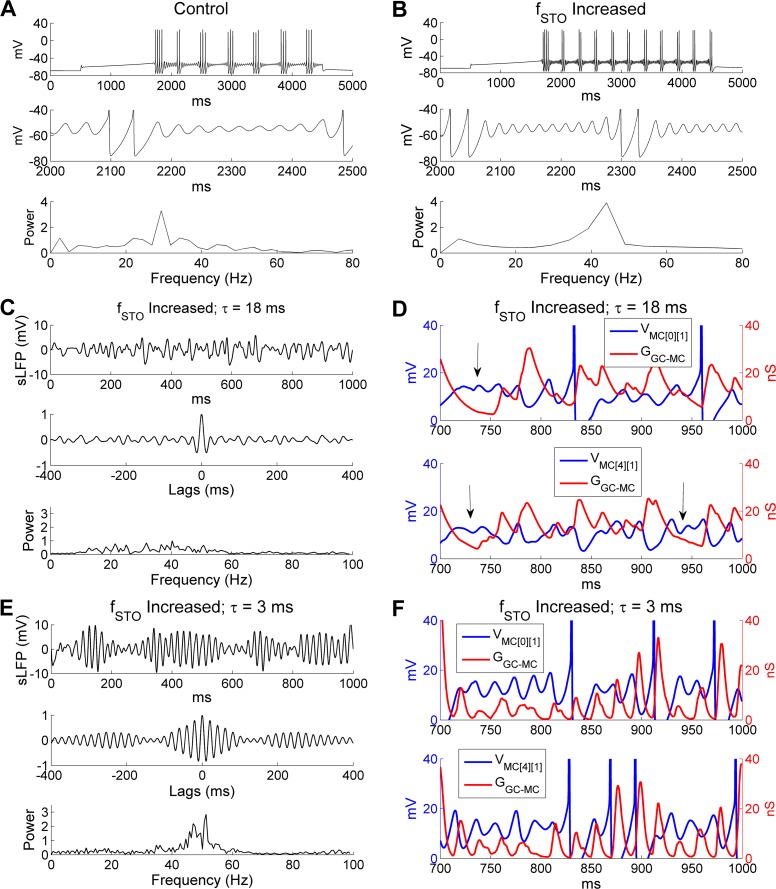
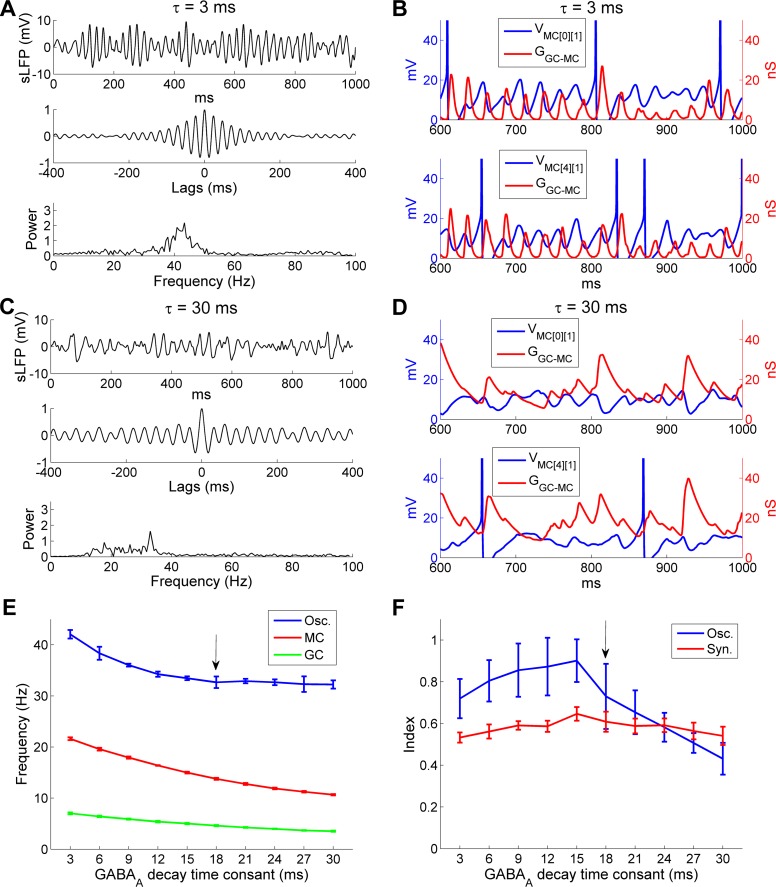
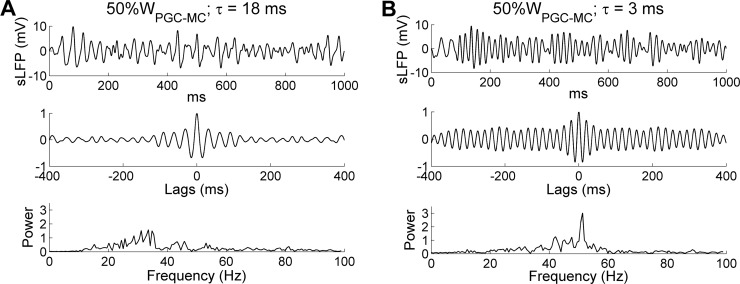
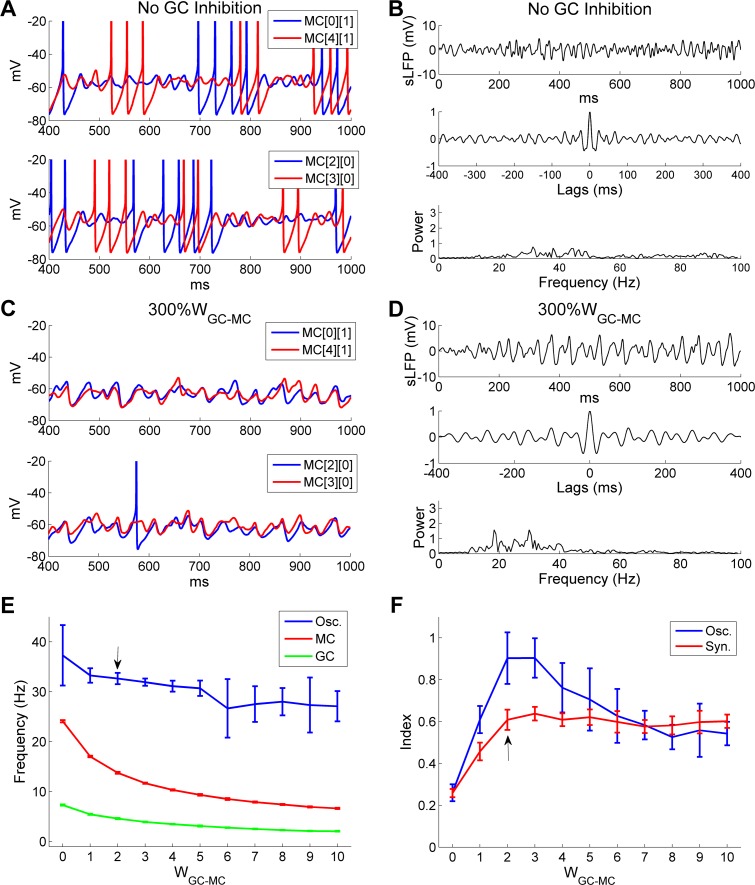
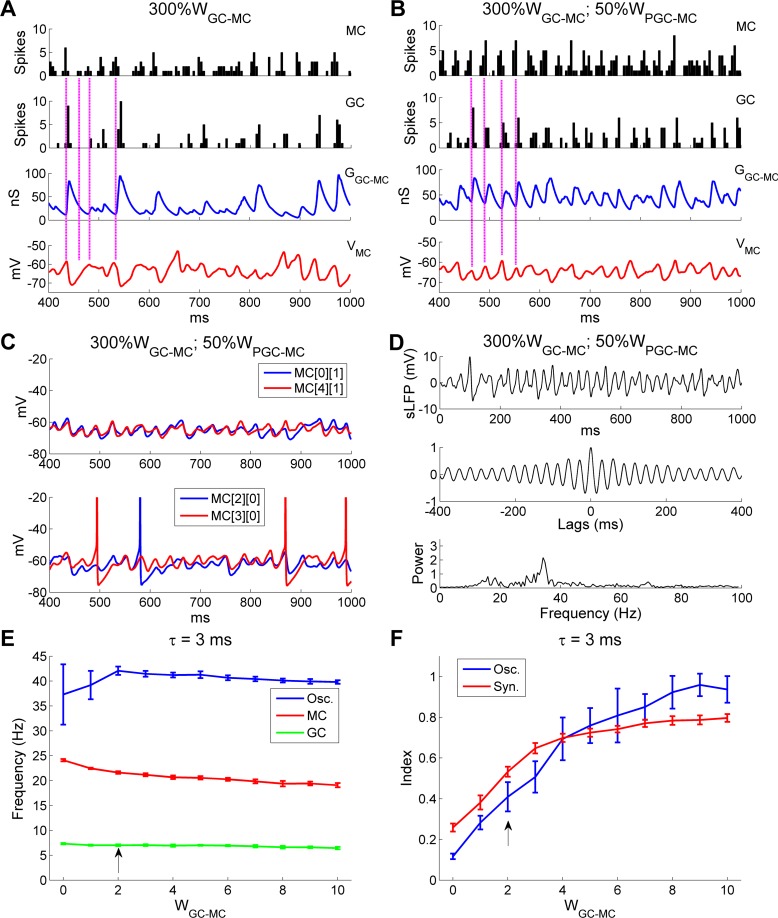
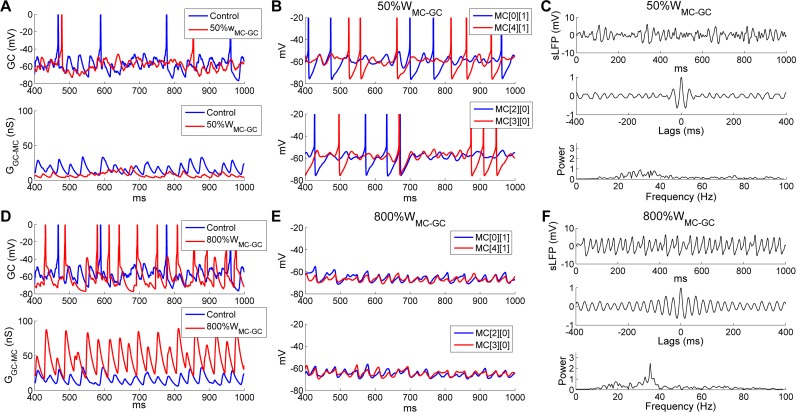
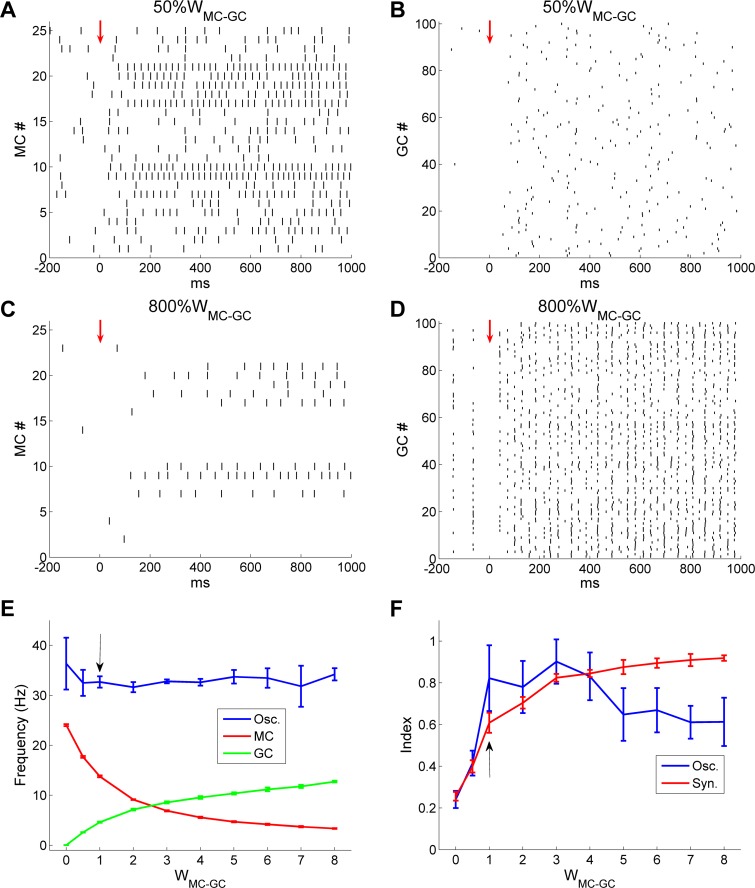
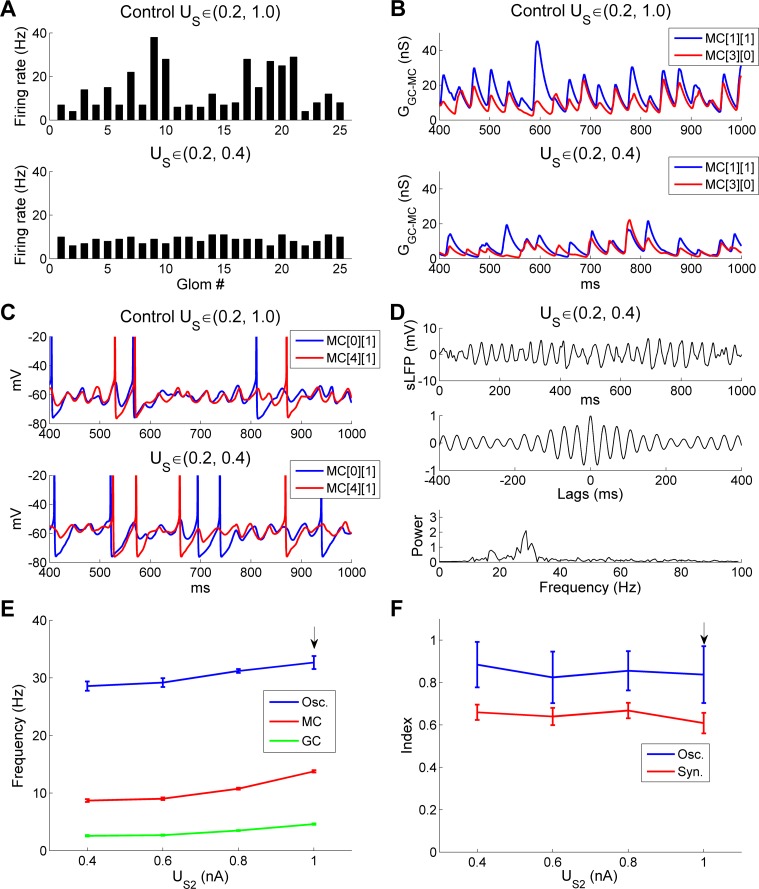
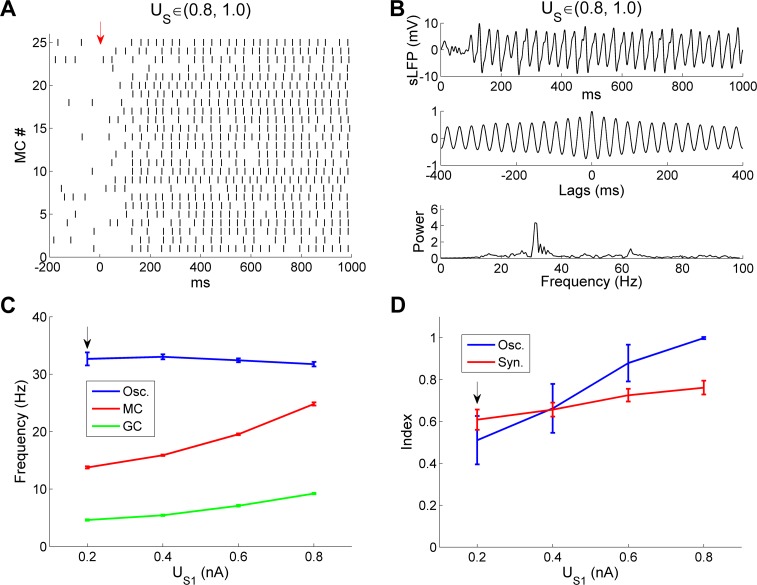
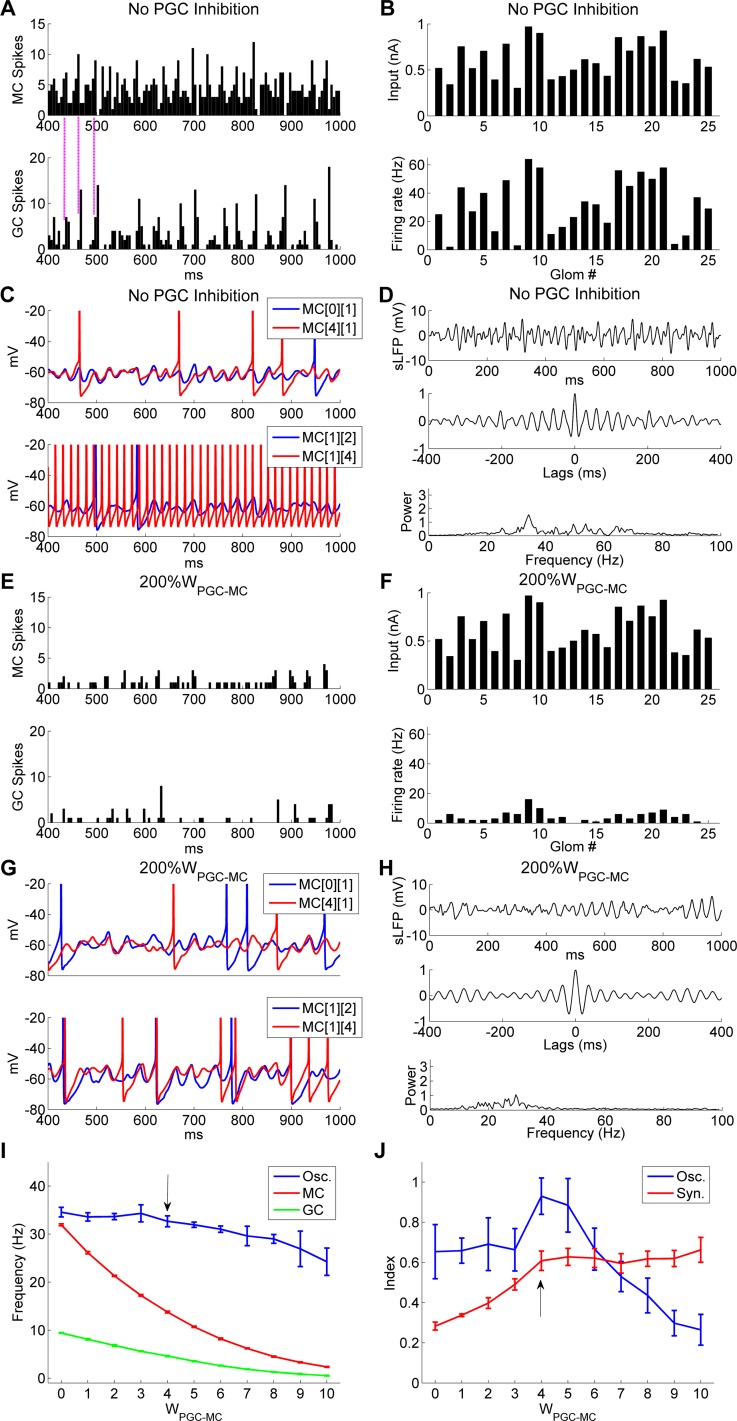
The olfactory bulb transforms not only the information content of the primary sensory representation, but also its underlying coding metric. High-variance, slow-timescale primary odor representations are transformed by bulbar circuitry into secondary representations based on principal neuron spike patterns that are tightly regulated in time. This emergent fast timescale for signaling is reflected in gamma-band local field potentials, presumably serving to efficiently integrate olfactory sensory information into the temporally regulated information networks of the central nervous system. To understand this transformation and its integration with interareal coordination mechanisms requires that we understand its fundamental dynamical principles. Using a biophysically explicit, multiscale model of olfactory bulb circuitry, we here demonstrate that an inhibition-coupled intrinsic oscillator framework, pyramidal resonance interneuron network gamma (PRING), best captures the diversity of physiological properties exhibited by the olfactory bulb. Most importantly, these properties include global zero-phase synchronization in the gamma band, the phase-restriction of informative spikes in principal neurons with respect to this common clock, and the robustness of this synchronous oscillatory regime to multiple challenging conditions observed in the biological system. These conditions include substantial heterogeneities in afferent activation levels and excitatory synaptic weights, high levels of uncorrelated background activity among principal neurons, and spike frequencies in both principal neurons and interneurons that are irregular in time and much lower than the gamma frequency. This coupled cellular oscillator architecture permits stable and replicable ensemble responses to diverse sensory stimuli under various external conditions as well as to changes in network parameters arising from learning-dependent synaptic plasticity.
嗅球不仅会改变初级感觉表征的信息内容,还会改变其潜在的编码度量。高方差、慢时间尺度的初级气味表征会通过嗅球回路被转换为基于主神经元尖峰模式的次级表征,这些尖峰模式在时间上受到严格调控。这种新出现的快速信号传导时间尺度反映在伽马波段局部场电位中,大概是为了有效地将嗅觉感觉信息整合到中枢神经系统的时间调控信息网络中。要理解这种转换及其与区域间协调机制的整合,就需要我们了解其基本的动力学原理。通过使用一个具有生物物理明确性的、多尺度的嗅球回路模型,我们在此证明,一个抑制耦合的固有振荡器框架,即锥体共振中间神经元网络伽马(PRING),最能捕捉嗅球所展现的生理特性的多样性。最重要的是,这些特性包括伽马波段的全局零相位同步、主神经元中信息性尖峰相对于这个共同时钟的相位限制,以及这种同步振荡状态对生物系统中观察到的多种具有挑战性条件的稳健性。这些条件包括传入激活水平和兴奋性突触权重的大量异质性、主神经元之间高度不相关的背景活动,以及主神经元和中间神经元中尖峰频率在时间上不规则且远低于伽马频率。这种耦合的细胞振荡器架构允许在各种外部条件下对不同的感觉刺激以及对由学习依赖性突触可塑性引起的网络参数变化产生稳定且可复制的整体反应。