Bozler Julianna, Kacsoh Balint Z, Bosco Giovanni
Department of Molecular and Systems Biology, Geisel School of Medicine at Dartmouth, Hanover, New Hampshire, United States of America.
PLoS One. 2017 Nov 15;12(11):e0188133. doi: 10.1371/journal.pone.0188133. eCollection 2017.
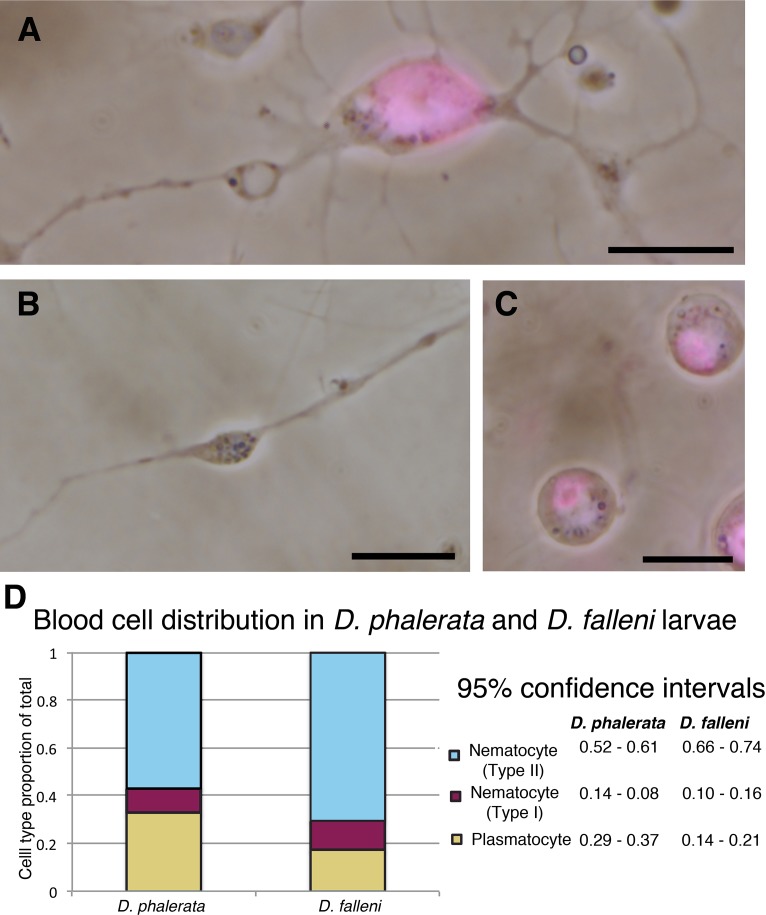
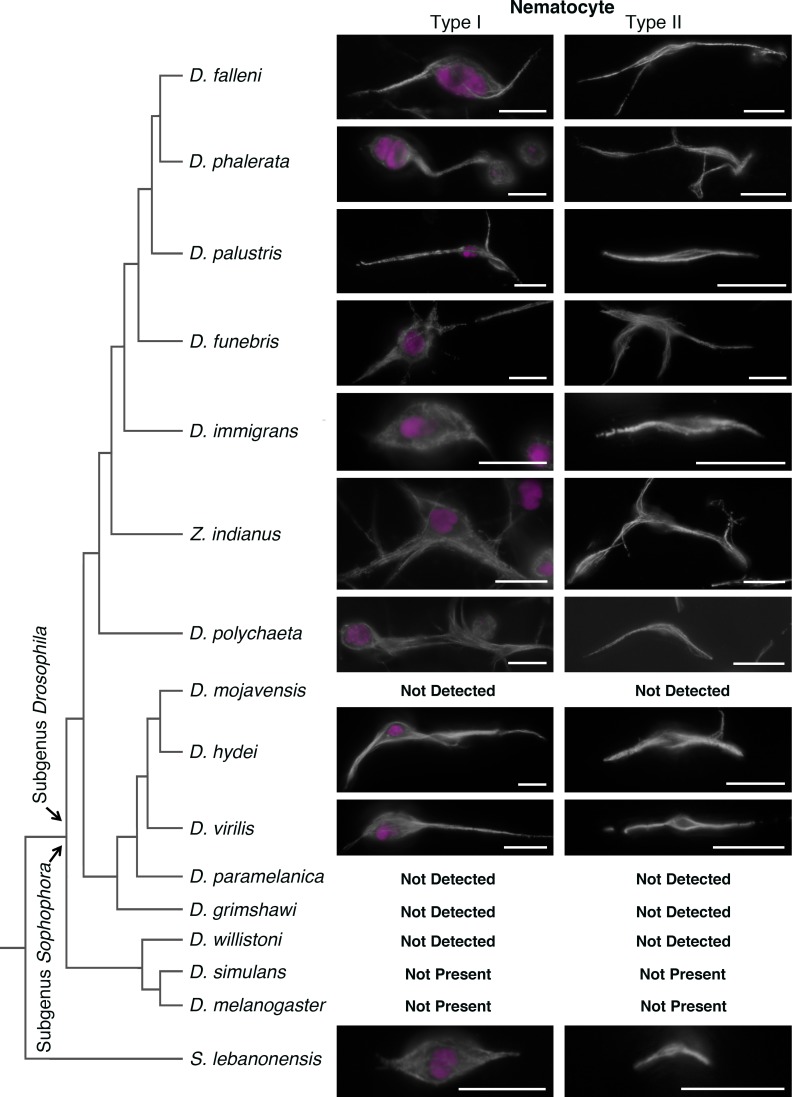
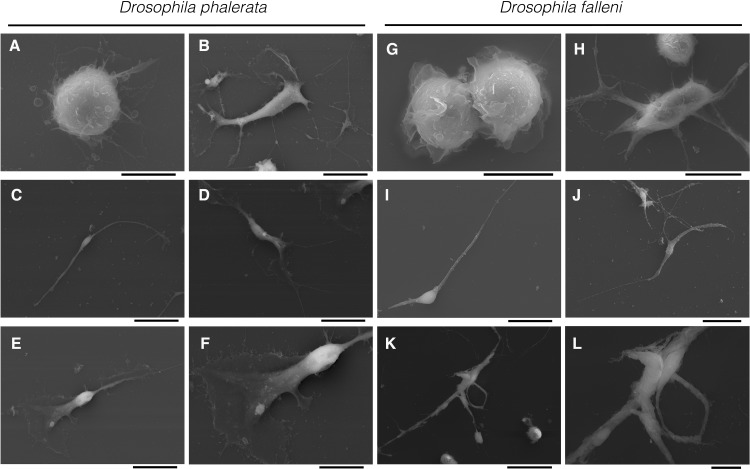
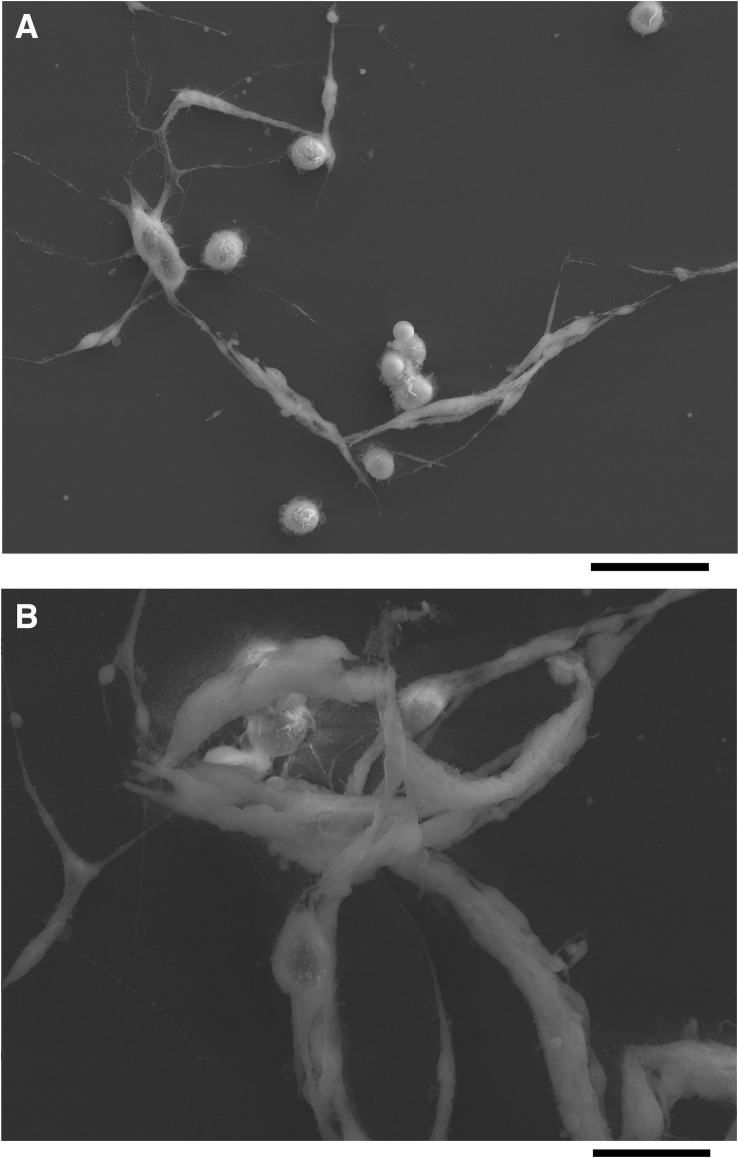
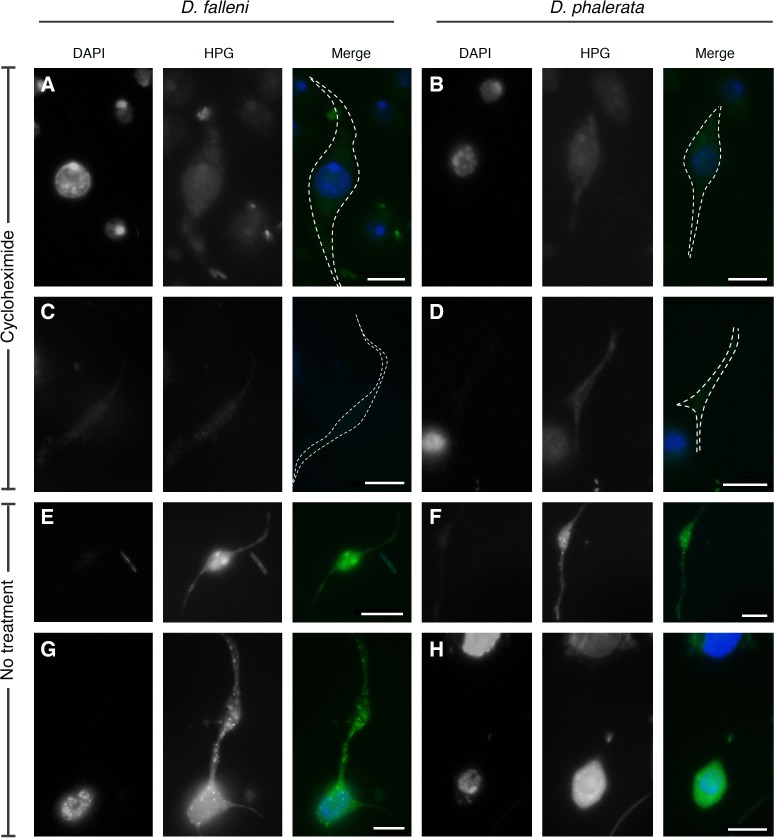
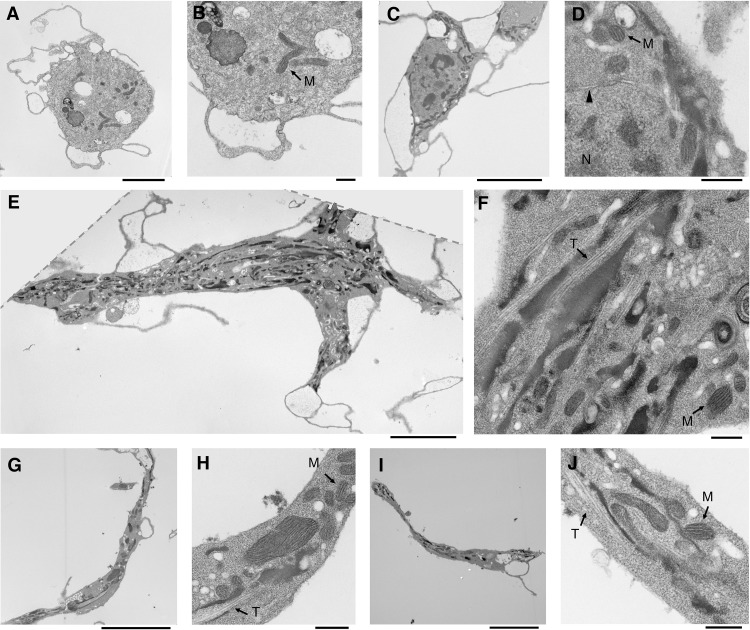
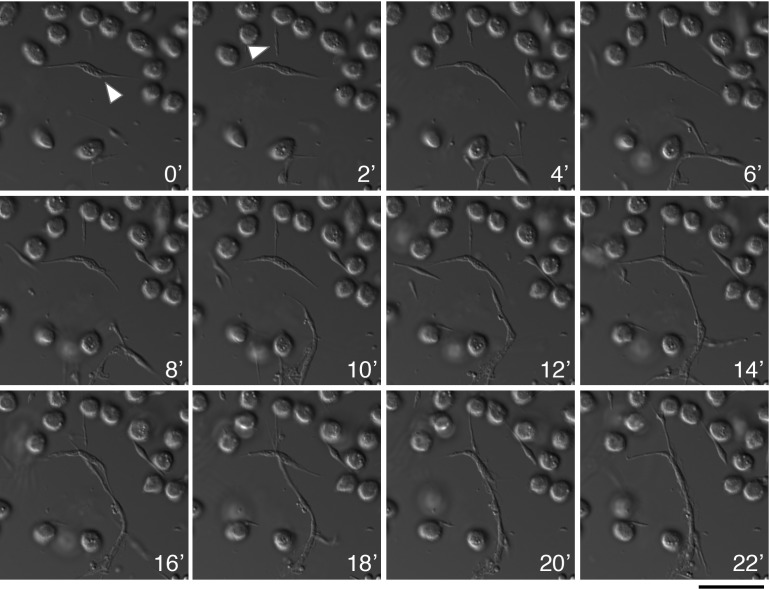
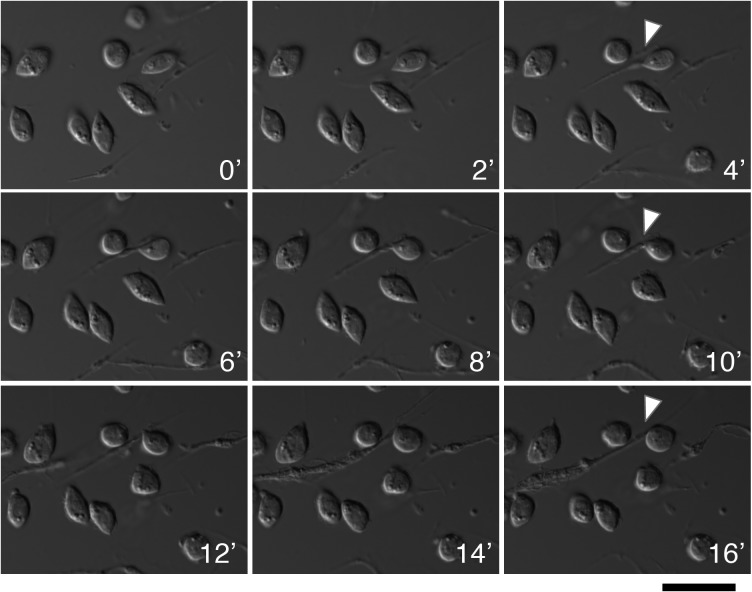
Immune challenges, such as parasitism, can be so pervasive and deleterious that they constitute an existential threat to a species' survival. In response to these ecological pressures, organisms have developed a wide array of novel behavioral, cellular, and molecular adaptations. Research into these immune defenses in model systems has resulted in a revolutionary understanding of evolution and functional biology. As the field has expanded beyond the limited number of model organisms our appreciation of evolutionary innovation and unique biology has widened as well. With this in mind, we have surveyed the hemolymph of several non-model species of Drosophila. Here we identify and describe a novel hemocyte, type-II nematocytes, found in larval stages of numerous Drosophila species. Examined in detail in Drosophila falleni and Drosophila phalerata, we find that these remarkable cells are distinct from previously described hemocytes due to their anucleate state (lacking a nucleus) and unusual morphology. Type-II nematocytes are long, narrow cells with spindle-like projections extending from a cell body with high densities of mitochondria and microtubules, and exhibit the ability to synthesize proteins. These properties are unexpected for enucleated cells, and together with our additional characterization, we demonstrate that these type-II nematocytes represent a biological novelty. Surprisingly, despite the absence of a nucleus, we observe through live cell imaging that these cells remain motile with a highly dynamic cellular shape. Furthermore, these cells demonstrate the ability to form multicellular structures, which we suggest may be a component of the innate immune response to macro-parasites. In addition, live cell imaging points to a large nucleated hemocyte, type-I nematocyte, as the progenitor cell, leading to enucleation through a budding or asymmetrical division process rather than nuclear ejection: This study is the first to report such a process of enucleation. Here we describe these cells in detail for the first time and examine their evolutionary history in Drosophila.
免疫挑战,如寄生虫感染,可能非常普遍且具有危害性,以至于对一个物种的生存构成生存威胁。为应对这些生态压力,生物体已经发展出了一系列新颖的行为、细胞和分子适应性变化。对模型系统中这些免疫防御机制的研究,使我们对进化和功能生物学有了革命性的认识。随着该领域的研究范围从有限数量的模式生物扩展开来,我们对进化创新和独特生物学的认识也得到了拓宽。考虑到这一点,我们对几种非模式果蝇物种的血淋巴进行了调查。在这里,我们鉴定并描述了一种新的血细胞,即II型线虫样细胞,它存在于许多果蝇物种的幼虫阶段。在落基果蝇和斑翅果蝇中进行详细研究后,我们发现这些非凡的细胞与先前描述的血细胞不同,因为它们处于无核状态(缺乏细胞核)且形态异常。II型线虫样细胞是长而窄的细胞,具有从细胞体延伸出的纺锤状突起,线粒体和微管密度很高,并且具有合成蛋白质的能力。这些特性对于无核细胞来说是出乎意料的,结合我们的其他特征描述,我们证明这些II型线虫样细胞代表了一种生物学上的新奇事物。令人惊讶的是,尽管没有细胞核,但我们通过活细胞成像观察到这些细胞仍然具有运动能力,细胞形状高度动态。此外,这些细胞展示出形成多细胞结构的能力,我们认为这可能是对大型寄生虫先天免疫反应的一个组成部分。此外,活细胞成像表明一种大型有核血细胞,即I型线虫样细胞,是祖细胞,通过出芽或不对称分裂过程导致去核,而不是核排出:这项研究首次报道了这样的去核过程。在这里,我们首次详细描述了这些细胞,并研究了它们在果蝇中的进化历史。