Matsuo Eiko, Yamazaki Kiyoshi, Tsuruta Hiroki, Roy Polly
Microbiology & Immunology, Division of Animal Science, Department of Bioresource Science, Graduate School of Agricultural Science, Kobe University, Kobe City, Japan.
Faculty of Infectious and Tropical Diseases, London School of Hygiene and Tropical Medicine, London, United Kingdom.
J Virol. 2018 Jan 17;92(3). doi: 10.1128/JVI.01784-17. Print 2018 Feb 1.
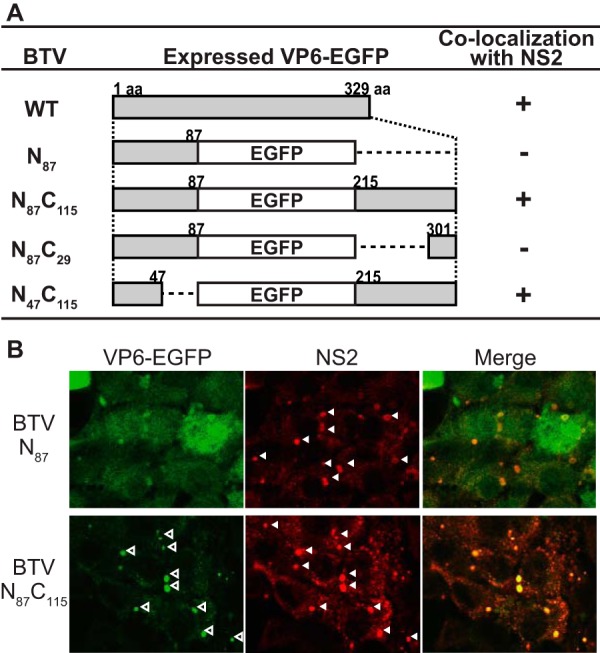
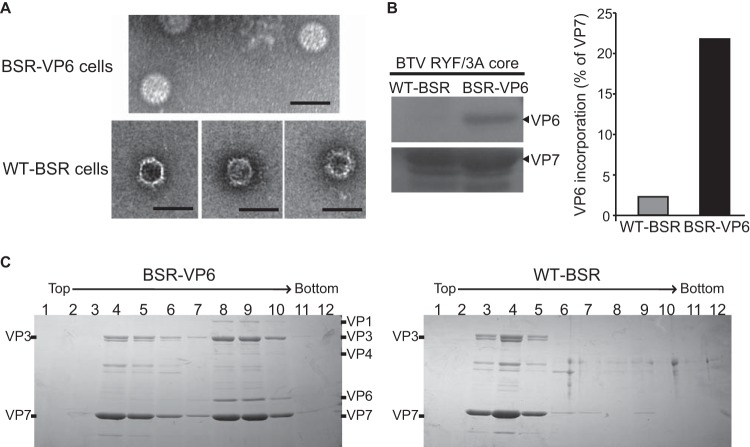
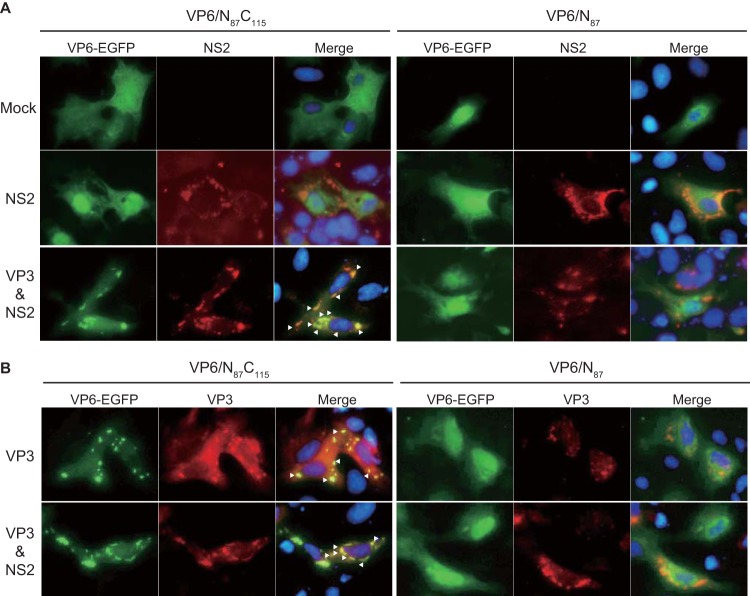
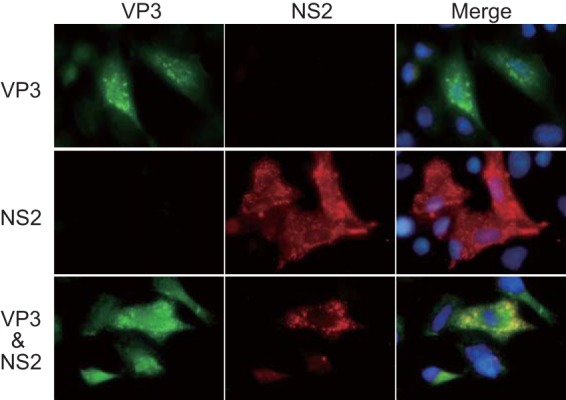
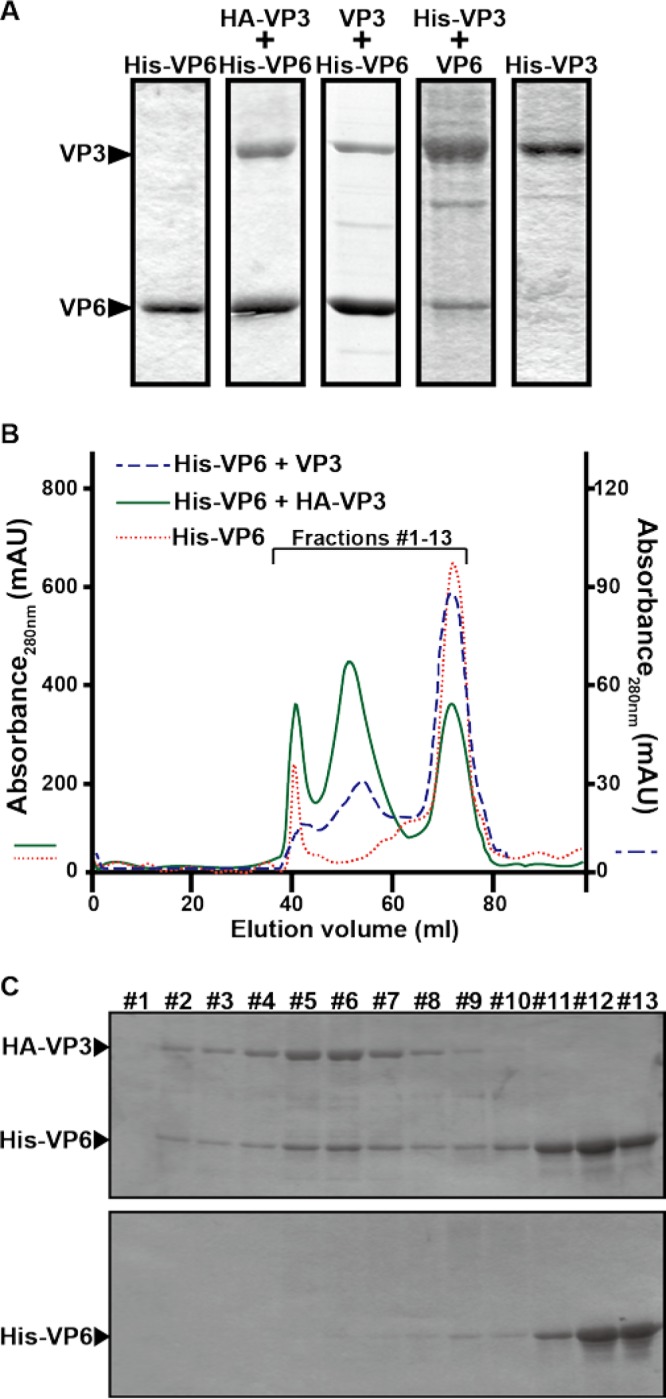
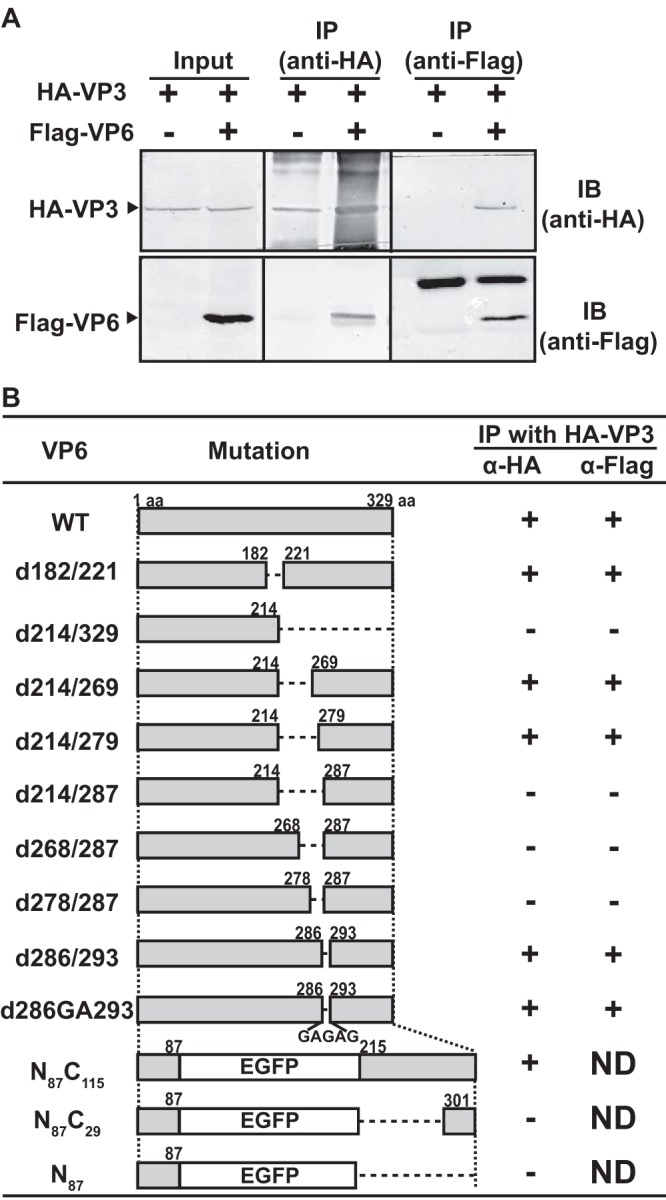
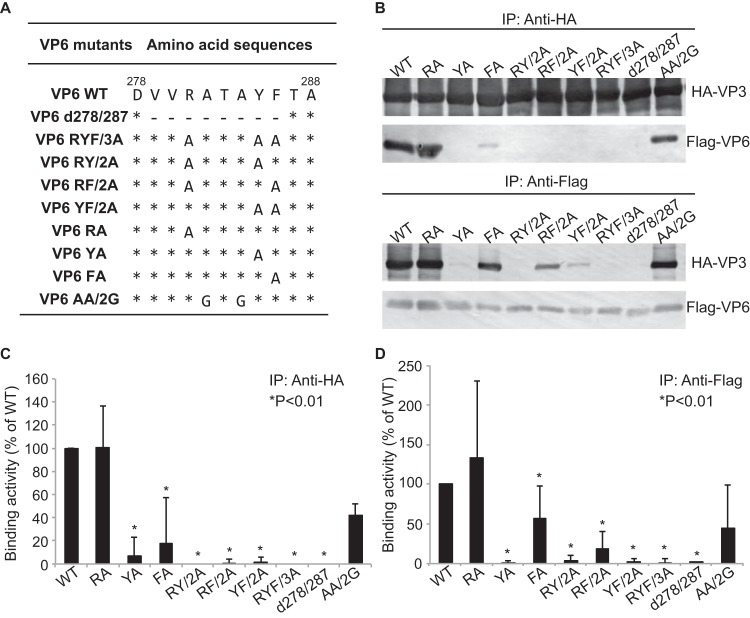
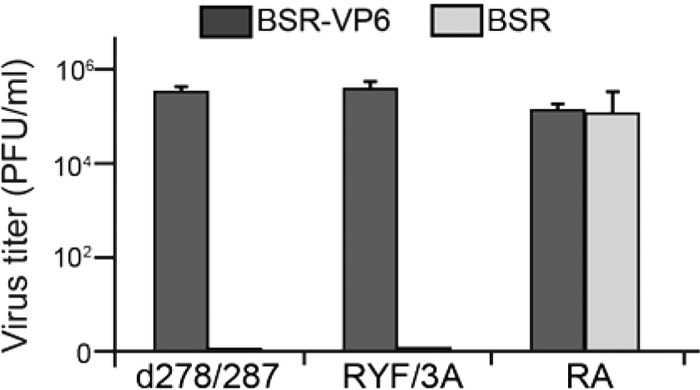
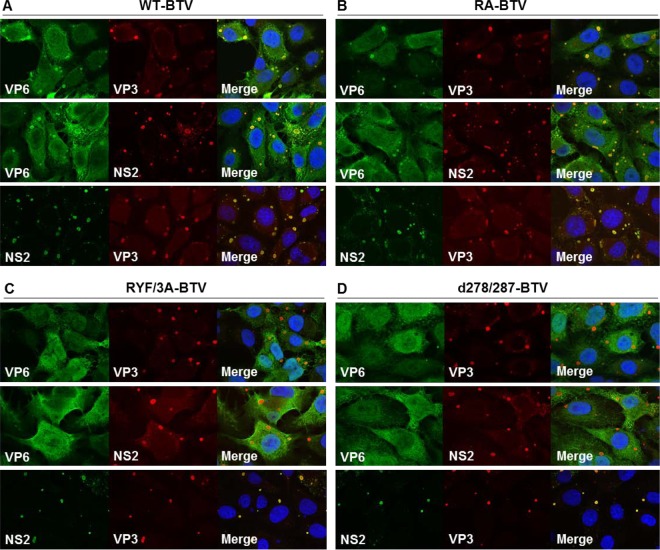
Among the family of double-stranded RNA viruses, only members of the genus possess a unique structural protein, termed VP6, within their particles. Bluetongue virus (BTV), an important livestock pathogen, is the prototype BTV VP6 is an ATP-dependent RNA helicase, and it is indispensable for virus replication. In the study described in this report, we investigated how VP6 might be recruited to the virus capsid and whether the BTV structural protein VP3, which forms the internal layer of the virus capsid core, is involved in VP6 recruitment. We first demonstrated that VP6 interacts with VP3 and colocalizes with VP3 during capsid assembly. A series of VP6 mutants was then generated, and in combination with immunoprecipitation and size exclusion chromatographic analyses, we demonstrated that VP6 directly interacts with VP3 via a specific region of the C-terminal portion of VP6. Finally, using our reverse genetics system, mutant VP6 proteins were introduced into the BTV genome and interactions between VP6 and VP3 were shown in a live cell system. We demonstrate that BTV strains possessing a mutant VP6 are replication deficient in wild-type BSR cells and fail to recruit the viral replicase complex into the virus particle core. Taken together, these data suggest that the interaction between VP3 and VP6 could be important in the packaging of the viral genome and early stages of particle formation. The orbivirus bluetongue virus (BTV) is the causative agent of bluetongue disease of livestock, often causing significant economic and agricultural impacts in the livestock industry. In the study described in this report, we identified the essential region and residues of the unique orbivirus capsid protein VP6 which are responsible for its interaction with other BTV proteins and its subsequent recruitment into the virus particle. The nature and mechanism of these interactions suggest that VP6 has a key role in packaging of the BTV genome into the virus particle. As such, this is a highly significant finding, as this new understanding of BTV assembly could be exploited to design novel vaccines and antivirals against bluetongue disease.
在双链RNA病毒家族中,只有该属的成员在其病毒颗粒内拥有一种独特的结构蛋白,称为VP6。蓝舌病病毒(BTV)是一种重要的家畜病原体,是该属的原型。BTV VP6是一种依赖ATP的RNA解旋酶,对病毒复制不可或缺。在本报告所述的研究中,我们研究了VP6如何被招募到病毒衣壳中,以及形成病毒衣壳核心内层的BTV结构蛋白VP3是否参与VP6的招募。我们首先证明VP6与VP3相互作用,并在衣壳组装过程中与VP3共定位。然后产生了一系列VP6突变体,并结合免疫沉淀和尺寸排阻色谱分析,我们证明VP6通过VP6 C末端部分的一个特定区域直接与VP3相互作用。最后,使用我们的反向遗传学系统,将突变的VP6蛋白引入BTV基因组,并在活细胞系统中显示了VP6与VP3之间的相互作用。我们证明,具有突变VP6的BTV毒株在野生型BSR细胞中复制缺陷,并且无法将病毒复制酶复合物招募到病毒颗粒核心中。综上所述,这些数据表明VP3与VP6之间的相互作用在病毒基因组的包装和颗粒形成的早期阶段可能很重要。环状病毒蓝舌病病毒(BTV)是家畜蓝舌病的病原体,经常在畜牧业中造成重大的经济和农业影响。在本报告所述的研究中,我们确定了环状病毒独特衣壳蛋白VP6的关键区域和残基,这些区域和残基负责其与其他BTV蛋白的相互作用以及随后被招募到病毒颗粒中。这些相互作用的性质和机制表明,VP6在将BTV基因组包装到病毒颗粒中起着关键作用。因此,这是一个非常重要的发现,因为对BTV组装的这一新认识可用于设计针对蓝舌病的新型疫苗和抗病毒药物。