Shinde Prashant V, Xu Haifeng C, Maney Sathish Kumar, Kloetgen Andreas, Namineni Sukumar, Zhuang Yuan, Honke Nadine, Shaabani Namir, Bellora Nicolas, Doerrenberg Mareike, Trilling Mirko, Pozdeev Vitaly I, van Rooijen Nico, Scheu Stefanie, Pfeffer Klaus, Crocker Paul R, Tanaka Masato, Duggimpudi Sujitha, Knolle Percy, Heikenwalder Mathias, Ruland Jürgen, Mak Tak W, Brenner Dirk, Pandyra Aleksandra A, Hoell Jessica I, Borkhardt Arndt, Häussinger Dieter, Lang Karl S, Lang Philipp A
Department of Molecular Medicine II, Medical Faculty, Heinrich Heine University, Düsseldorf, Germany.
Department of Gastroenterology, Hepatology, and Infectious Diseases, Heinrich-Heine-Universität Düsseldorf, Düsseldorf, Germany.
J Virol. 2018 Jan 17;92(3). doi: 10.1128/JVI.01637-17. Print 2018 Feb 1.
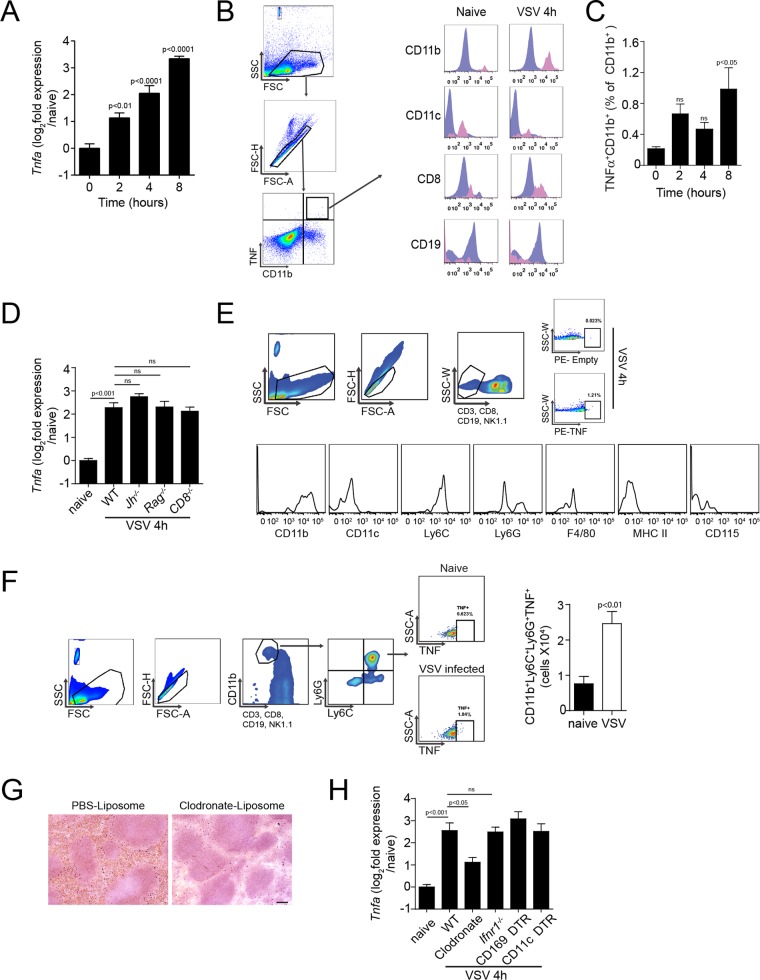
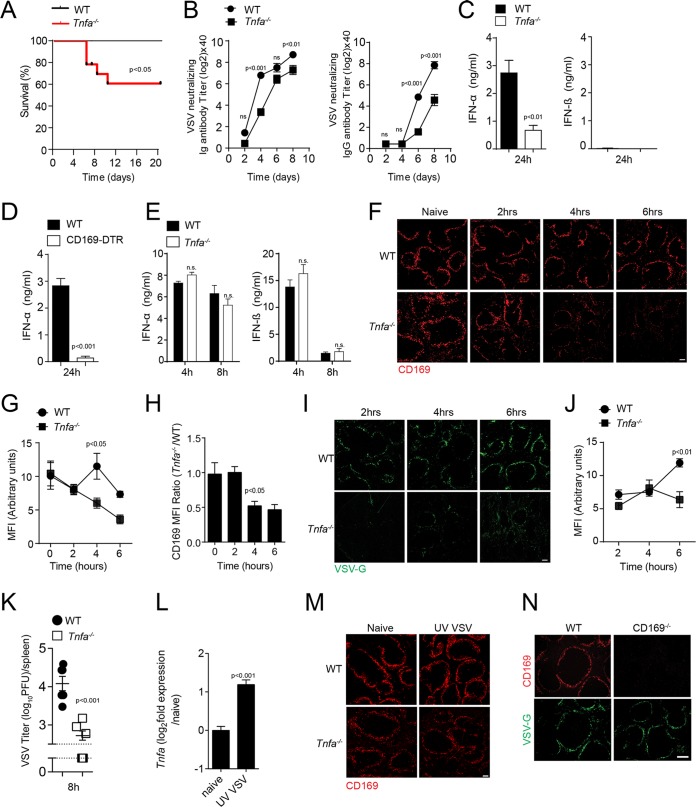
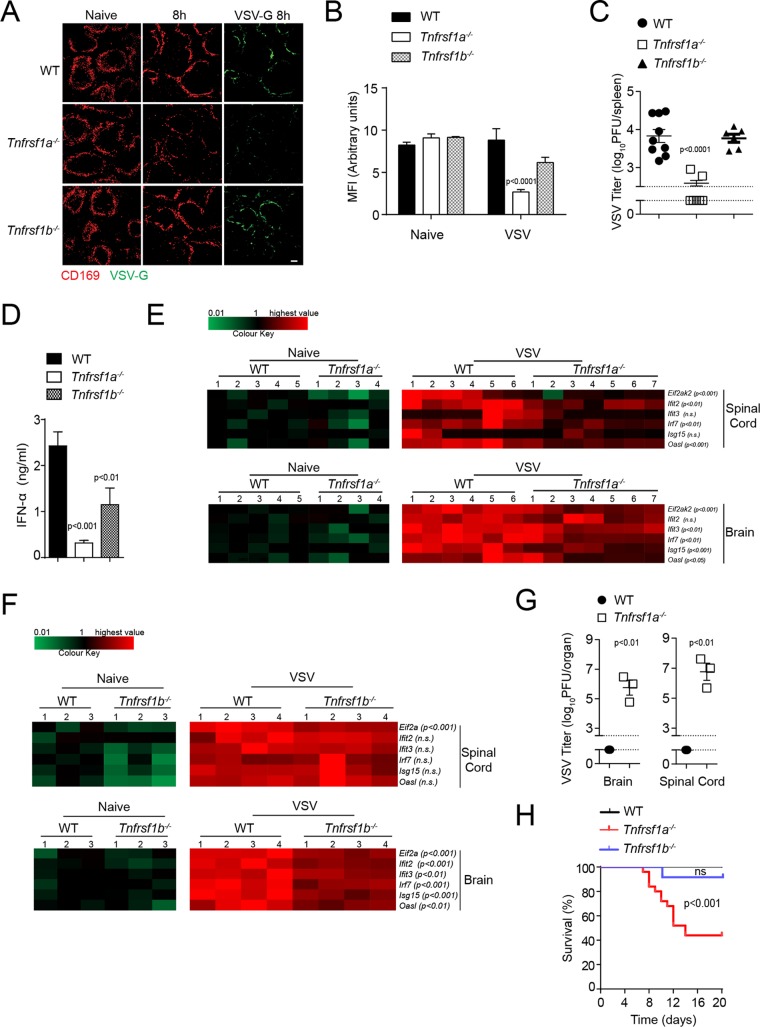
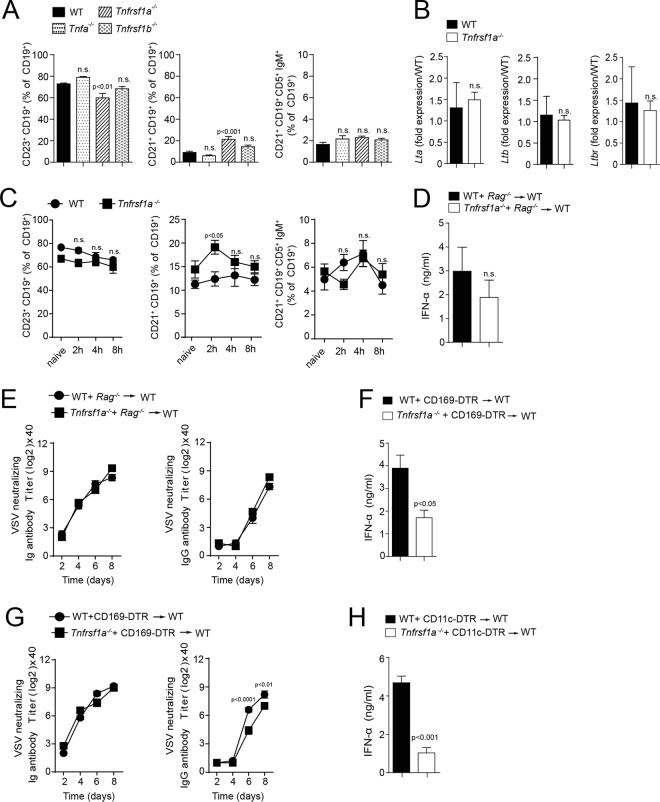
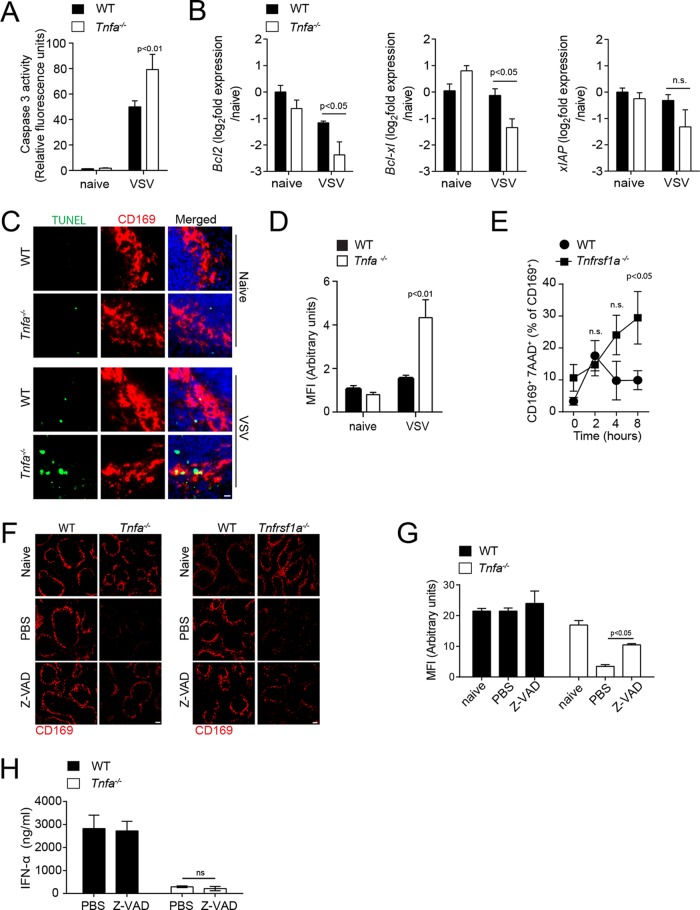
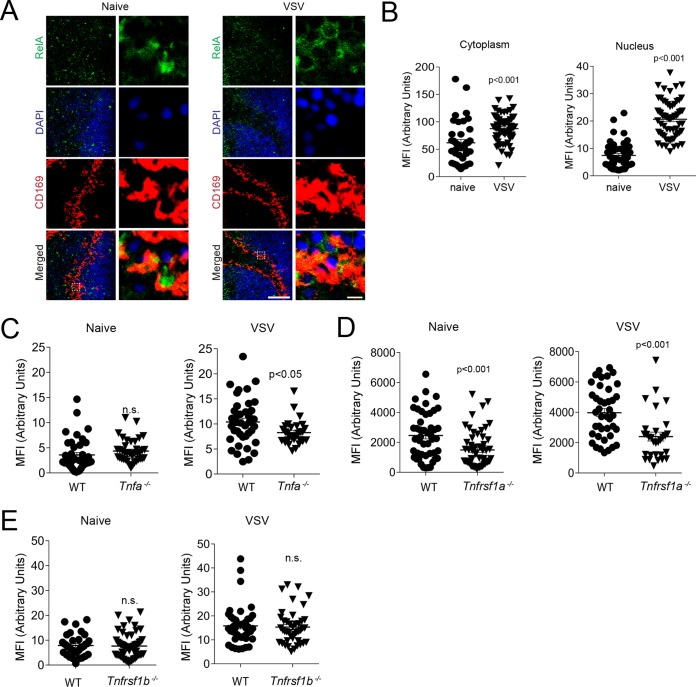
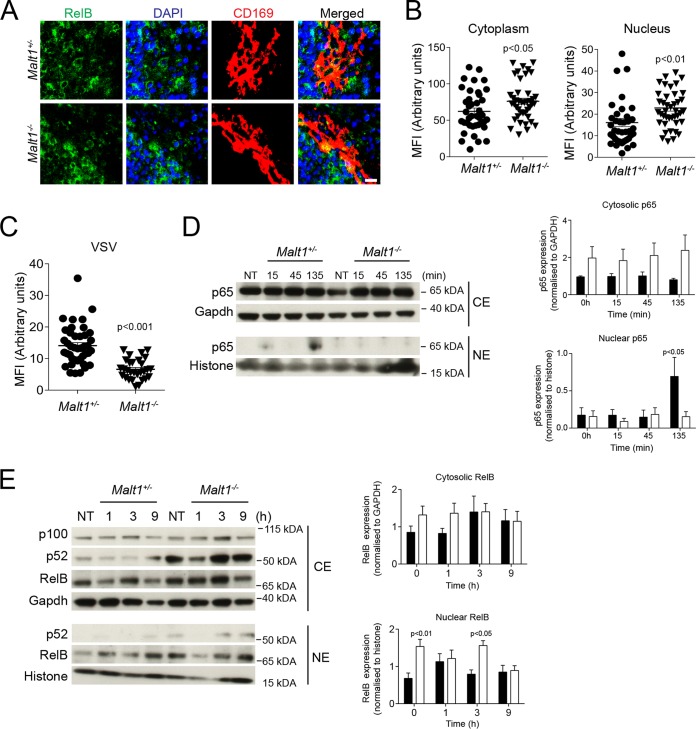
Innate immune activation is essential to mount an effective antiviral response and to prime adaptive immunity. Although a crucial role of CD169 cells during vesicular stomatitis virus (VSV) infections is increasingly recognized, factors regulating CD169 cells during viral infections remain unclear. Here, we show that tumor necrosis factor is produced by CD11b Ly6C Ly6G cells following infection with VSV. The absence of TNF or TNF receptor 1 (TNFR1) resulted in reduced numbers of CD169 cells and in reduced type I interferon (IFN-I) production during VSV infection, with a severe disease outcome. Specifically, TNF triggered RelA translocation into the nuclei of CD169 cells; this translocation was inhibited when the paracaspase MALT-1 was absent. Consequently, MALT1 deficiency resulted in reduced VSV replication, defective innate immune activation, and development of severe disease. These findings indicate that TNF mediates the maintenance of CD169 cells and innate and adaptive immune activation during VSV infection. Over the last decade, strategically placed CD169 metallophilic macrophages in the marginal zone of the murine spleen and lymph nodes (LN) have been shown to play a very important role in host defense against viral pathogens. CD169 macrophages have been shown to activate innate and adaptive immunity via "enforced virus replication," a controlled amplification of virus particles. However, the factors regulating the CD169 macrophages remain to be studied. In this paper, we show that after vesicular stomatitis virus infection, phagocytes produce tumor necrosis factor (TNF), which signals via TNFR1, and promote enforced virus replication in CD169 macrophages. Consequently, lack of TNF or TNFR1 resulted in defective immune activation and VSV clearance.
天然免疫激活对于产生有效的抗病毒反应和启动适应性免疫至关重要。尽管CD169细胞在水疱性口炎病毒(VSV)感染期间的关键作用日益受到认可,但病毒感染期间调节CD169细胞的因素仍不清楚。在此,我们表明,VSV感染后,CD11b Ly6C Ly6G细胞会产生肿瘤坏死因子。缺乏TNF或肿瘤坏死因子受体1(TNFR1)会导致VSV感染期间CD169细胞数量减少以及I型干扰素(IFN-I)产生减少,并导致严重的疾病结局。具体而言,TNF触发RelA易位至CD169细胞的细胞核;当副半胱天冬酶MALT-1缺失时,这种易位受到抑制。因此,MALT1缺陷导致VSV复制减少、先天性免疫激活缺陷以及严重疾病的发展。这些发现表明,TNF在VSV感染期间介导CD169细胞的维持以及先天性和适应性免疫激活。在过去十年中,已证明位于小鼠脾脏边缘区和淋巴结(LN)中的战略性定位的CD169嗜金属巨噬细胞在宿主抵御病毒病原体的防御中发挥非常重要的作用。CD169巨噬细胞已被证明通过“强制病毒复制”(病毒颗粒的受控扩增)激活先天性和适应性免疫。然而,调节CD169巨噬细胞的因素仍有待研究。在本文中,我们表明,水疱性口炎病毒感染后,吞噬细胞会产生肿瘤坏死因子(TNF),其通过TNFR1发出信号,并促进CD169巨噬细胞中的强制病毒复制。因此,缺乏TNF或TNFR1会导致免疫激活缺陷和VSV清除障碍。