Perez Elizabeth Cristina, Xander Patricia, Laurindo Maria Fernanda Lucatelli, Novaes E Brito Ronni Rômulo, Vivanco Bruno Camolese, Mortara Renato Arruda, Mariano Mario, Lopes José Daniel, Keller Alexandre Castro
Environmental and Experimental Pathology Program, Universidade Paulista, São Paulo, São Paulo, Brazil.
Department of Microbiology, Immunology and Parasitology, Universidade Federal de São Paulo-Escola Paulista de Medicina (UNIFESP/EPM), São Paulo, São Paulo, Brazil.
PLoS One. 2017 Nov 16;12(11):e0187333. doi: 10.1371/journal.pone.0187333. eCollection 2017.
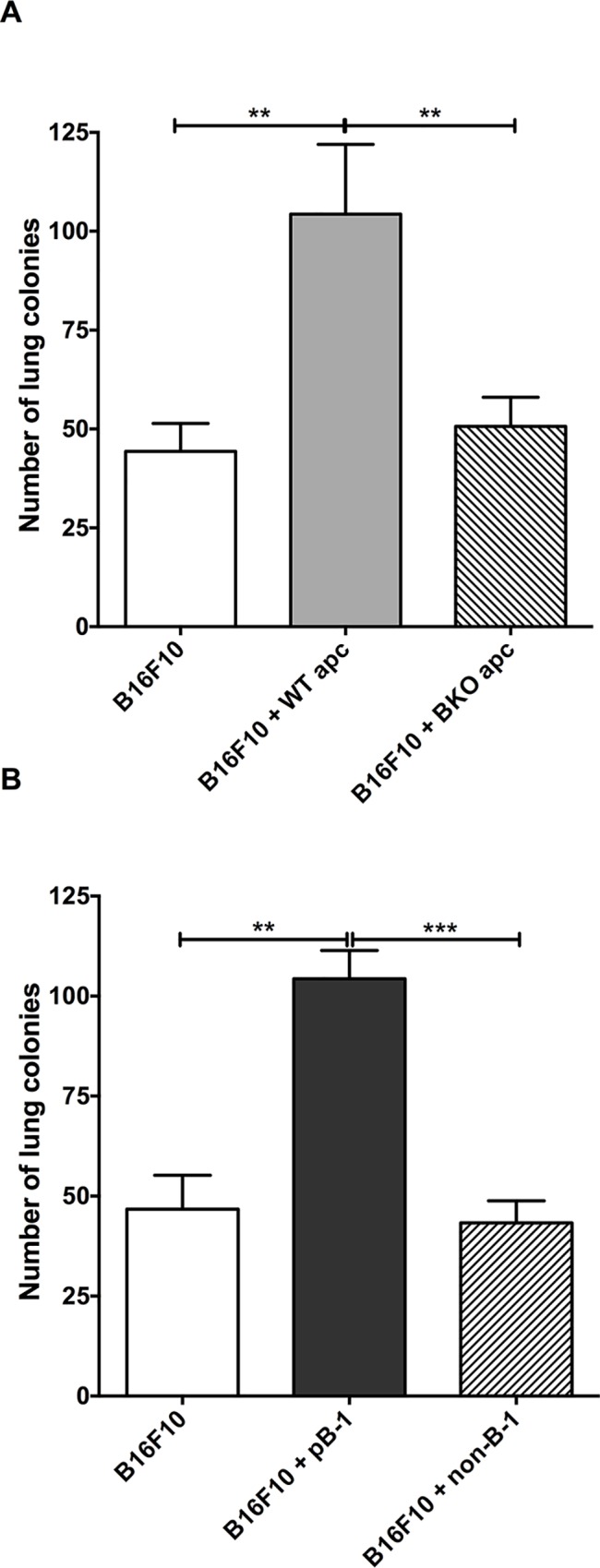
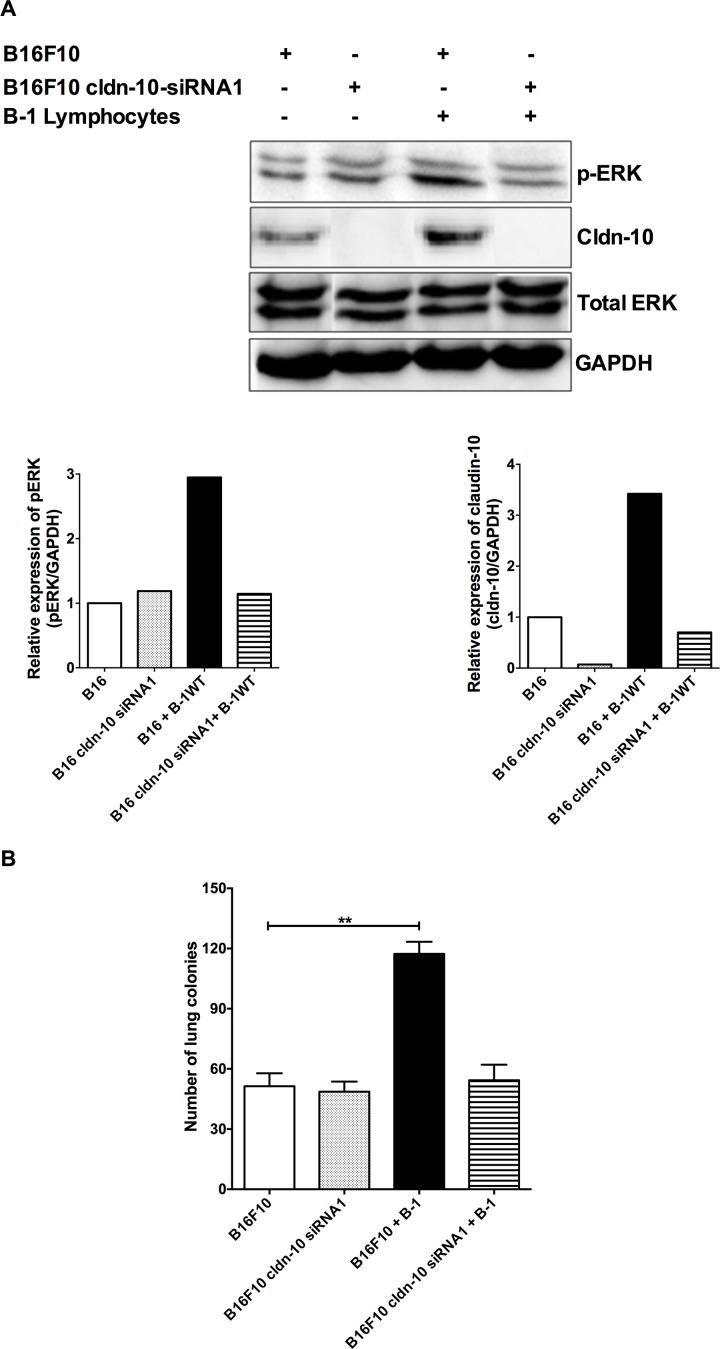
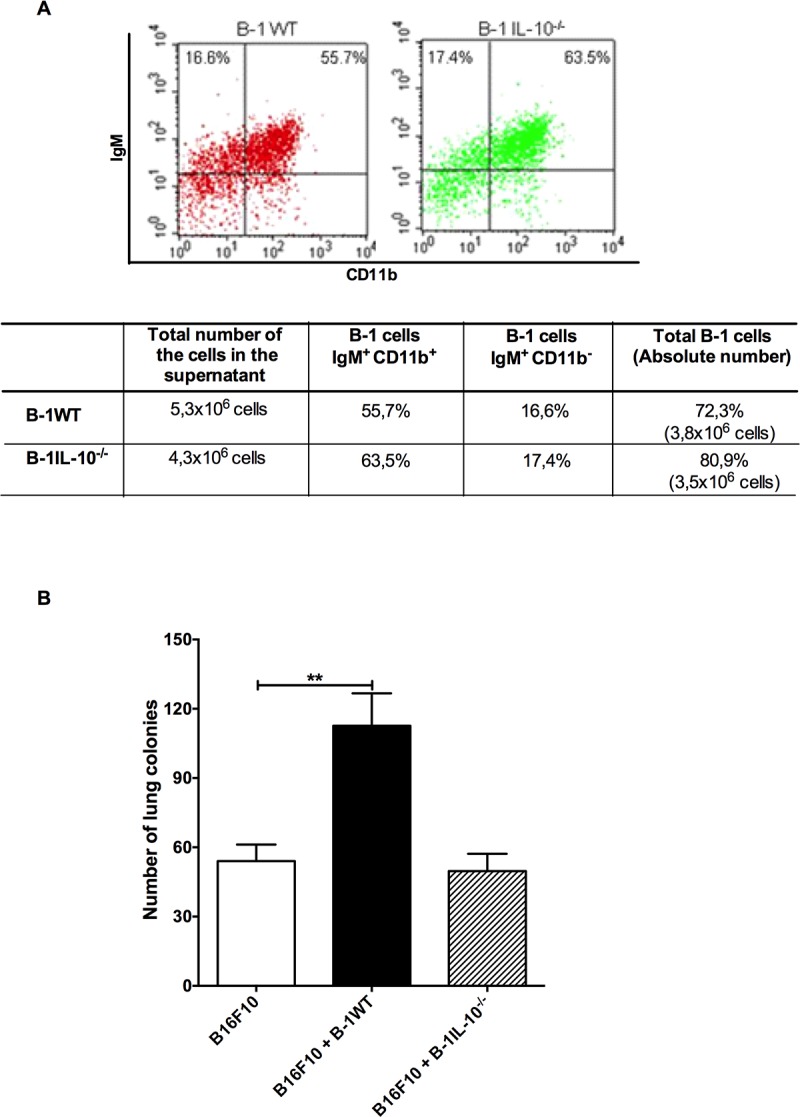
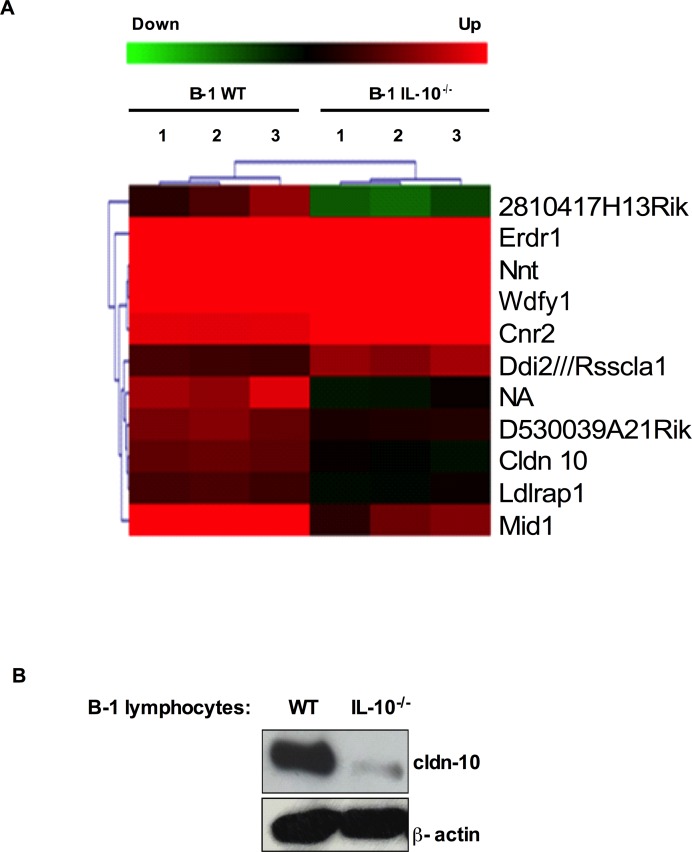
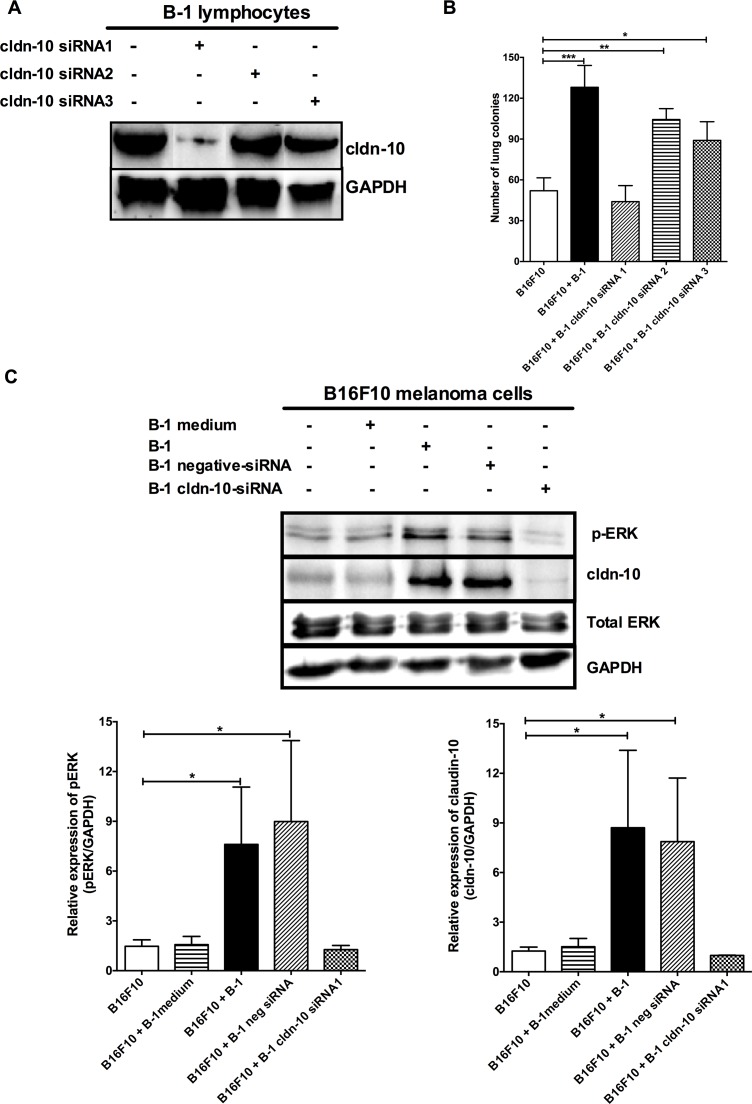
B-1 lymphocytes are known to increase the metastatic potential of B16F10 melanoma cells via the extracellular signal-regulated kinase (ERK) pathway. Since IL-10 is associated with B-1 cells performance, we hypothesized that IL-10 could be implicated in the progression of melanoma. In the present work, we found that the C57BL/6 mice, inoculated with B16F10 cells that were co-cultivated with B-1 lymphocytes from IL-10 knockout mice, developed fewer metastatic nodules than the ones which were injected with the melanoma cells that were cultivated in the presence of wild-type B-1 cells. The impairment of metastatic potential of the B16F10 cells was correlated with low activation of the ERK signaling pathway, supporting the idea that the production of IL-10 by B-1 cells influences the behavior of the tumor. A microarray analysis of the B-1 lymphocytes revealed that IL-10 deficiency is associated with down-regulation of the genes that code for claudin-10, a protein that is involved in cell-to-cell contact and that has been linked to lung adenocarcinoma. In order to determine the impact of claudin-10 in the cross-talk between B-1 lymphocytes and the B16F10 tumor cells, we took advantage of small interfering RNA. The silencing of claudin-10 gene in B-1 lymphocytes inhibited activation of the ERK pathway and abrogated the B-1-induced aggressive behavior of the B16F10 cells. Thus, our findings suggest that the axis IL-10/claudin-10 is a promising target for the development of therapeutic agents against aggressive melanoma.
已知B-1淋巴细胞通过细胞外信号调节激酶(ERK)途径增加B16F10黑色素瘤细胞的转移潜能。由于白细胞介素-10(IL-10)与B-1细胞的功能有关,我们推测IL-10可能与黑色素瘤的进展有关。在本研究中,我们发现,接种了与来自IL-10基因敲除小鼠的B-1淋巴细胞共培养的B16F10细胞的C57BL/6小鼠,其转移瘤结节比接种了在野生型B-1细胞存在下培养的黑色素瘤细胞的小鼠少。B16F10细胞转移潜能的受损与ERK信号通路的低激活相关,这支持了B-1细胞产生的IL-10影响肿瘤行为的观点。对B-1淋巴细胞的微阵列分析显示,IL-10缺乏与编码claudin-10的基因下调有关;claudin-10是一种参与细胞间接触且与肺腺癌相关的蛋白质。为了确定claudin-10在B-1淋巴细胞与B16F10肿瘤细胞间相互作用中的影响,我们利用了小干扰RNA。B-1淋巴细胞中claudin-10基因的沉默抑制了ERK途径的激活,并消除了B-1诱导的B16F10细胞的侵袭性行为。因此,我们的研究结果表明,IL-10/claudin-10轴是开发抗侵袭性黑色素瘤治疗药物的一个有前景的靶点。