Endossimbiontes e Interação Patógeno-Vetor, Centro de Pesquisas René Rachou - Fiocruz, Belo Horizonte, MG, 30190-002, Brazil.
Department of Immunology and Infectious Diseases, Harvard T. H. Chan School of Public Health, Boston, Massachusetts, United States of America.
Sci Rep. 2017 Nov 16;7(1):15687. doi: 10.1038/s41598-017-16045-6.
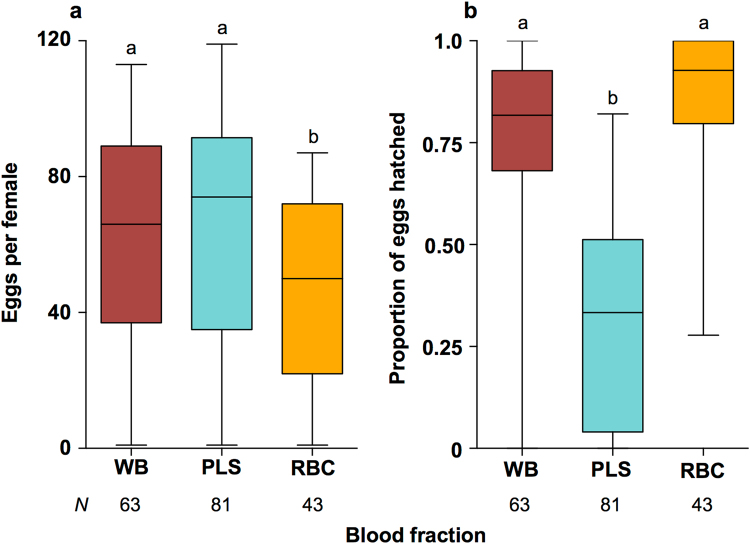
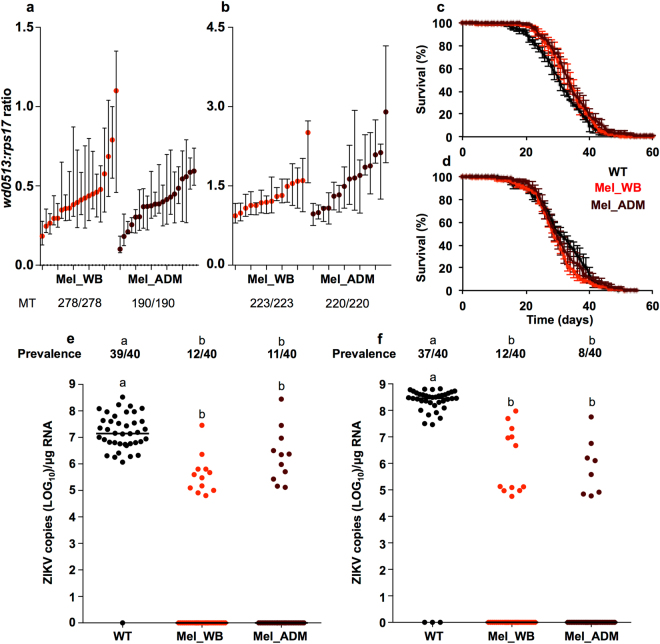
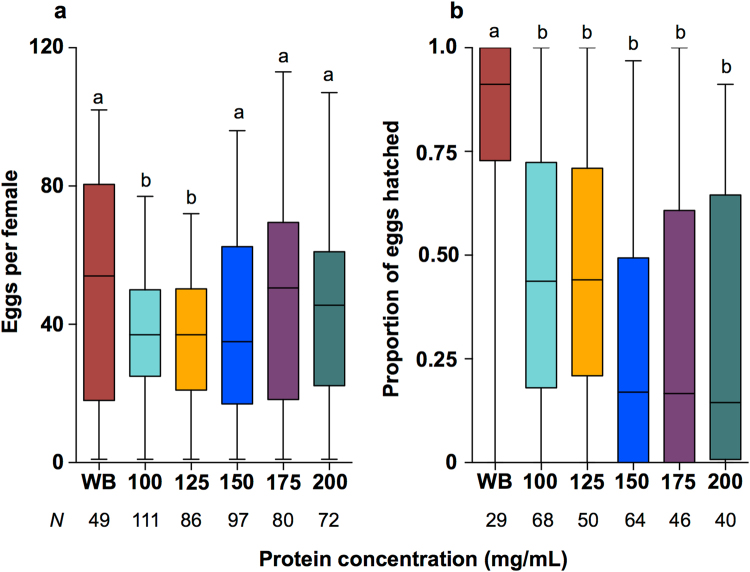
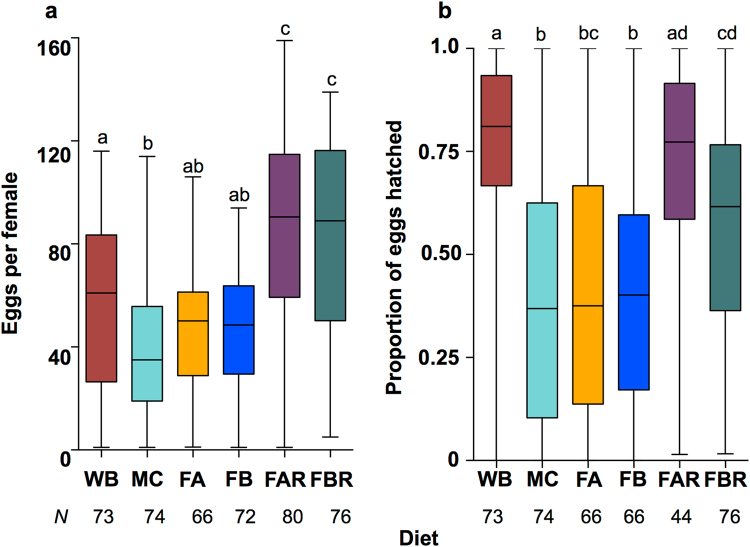
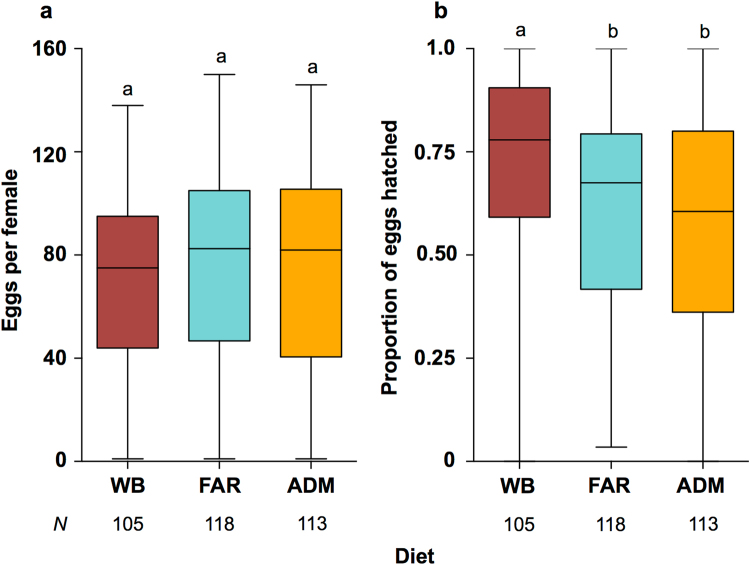
The endosymbiotic bacterium Wolbachia spreads rapidly through populations of Aedes aegypti mosquitoes, and strongly inhibits infection with key human pathogens including the dengue and Zika viruses. Mosquito control programs aimed at limiting transmission of these viruses are ongoing in multiple countries, yet there is a dearth of mass rearing infrastructure specific to Wolbachia-infected mosquitoes. One example is the lack of a blood meal substitute, which accounts for the Wolbachia-specific physiological changes in infected mosquitoes, that allows the bacterium to spread, and block viral infections. To that end, we have developed a blood meal substitute specifically for mosquitoes infected with the wMel Wolbachia strain. This diet, ADM, contains milk protein, and infant formula, dissolved in a mixture of bovine red blood cells and Aedes physiological saline, with ATP as a phagostimulant. Feeding with ADM leads to high levels of viable egg production, but also does not affect key Wolbachia parameters including, bacterial density, cytoplasmic incompatibility, or resistance to infection with Zika virus. ADM represents an effective substitute for human blood, which could potentially be used for the mass rearing of wMel-infected A. aegypti, and could easily be optimized in the future to improve performance.
内共生细菌沃尔巴克氏体在埃及伊蚊种群中迅速传播,并强烈抑制包括登革热和寨卡病毒在内的关键人类病原体的感染。多个国家正在进行旨在限制这些病毒传播的蚊虫控制项目,但缺乏针对感染沃尔巴克氏体的蚊子的大规模养殖基础设施。一个例子是缺乏血餐替代品,它解释了感染蚊子中沃尔巴克氏体特有的生理变化,使细菌得以传播并阻断病毒感染。为此,我们专门为感染 wMel 沃尔巴克氏体菌株的蚊子开发了一种血餐替代品。这种饮食,ADM,含有牛奶蛋白和婴儿配方奶粉,溶解在牛红细胞和伊蚊生理盐水的混合物中,以 ATP 作为取食刺激物。用 ADM 喂养会导致高水平的可育卵产量,但也不会影响关键的沃尔巴克氏体参数,包括细菌密度、细胞质不相容性或对寨卡病毒感染的抵抗力。ADM 代表了人类血液的有效替代品,它有可能被用于大规模饲养感染 wMel 的埃及伊蚊,并且在未来很容易进行优化以提高性能。