Department of Anesthesiology, The First Affiliated Hospital of Nanjing Medical University, Nanjing, Jiangsu, 210029, People's Republic of China.
Department of Anesthesiology, Shanghai General Hospital, Shanghai Jiao Tong University School of Medicine, Shanghai, 200080, People's Republic of China.
J Neuroinflammation. 2017 Nov 28;14(1):233. doi: 10.1186/s12974-017-1002-7.
Neuroinflammation, which ultimately leads to neuronal loss, is considered to play a crucial role in numerous neurodegenerative diseases. The neuroinflammatory process is characterized by the activation of glial cells such as microglia. Endoplasmic reticulum (ER) stress is commonly associated with impairments in neuronal function and cognition, but its relationship and role in neurodegeneration is still controversial. Recently, it was confirmed that nonharmful levels of ER stress protected against experimental Parkinson's disease. Here, we investigated mild ER stress-based regulation of lipopolysaccharide (LPS)-driven neuroinflammation in rats and in primary microglia.
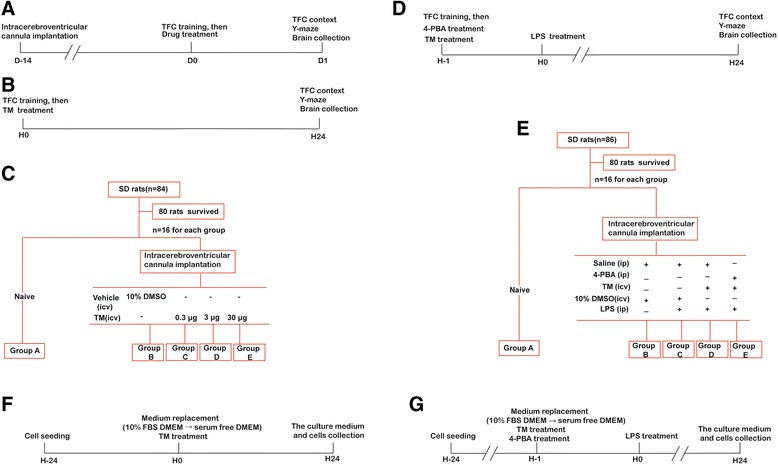
Male Sprague-Dawley (SD) rats received the intracerebroventricular injection of the ER stress activator tunicamycin (TM) with or without intraperitoneal injection of the ER stress stabilizer sodium 4-phenylbutyrate (4-PBA) 1 h before LPS administration. The levels of neuroinflammation and memory dysfunction were assessed 24 h after treatment. In addition, the effect of mild ER stress on microglia was determined in vitro.
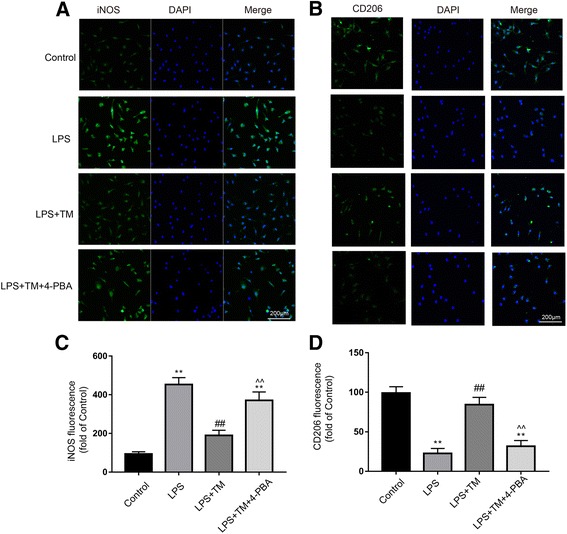
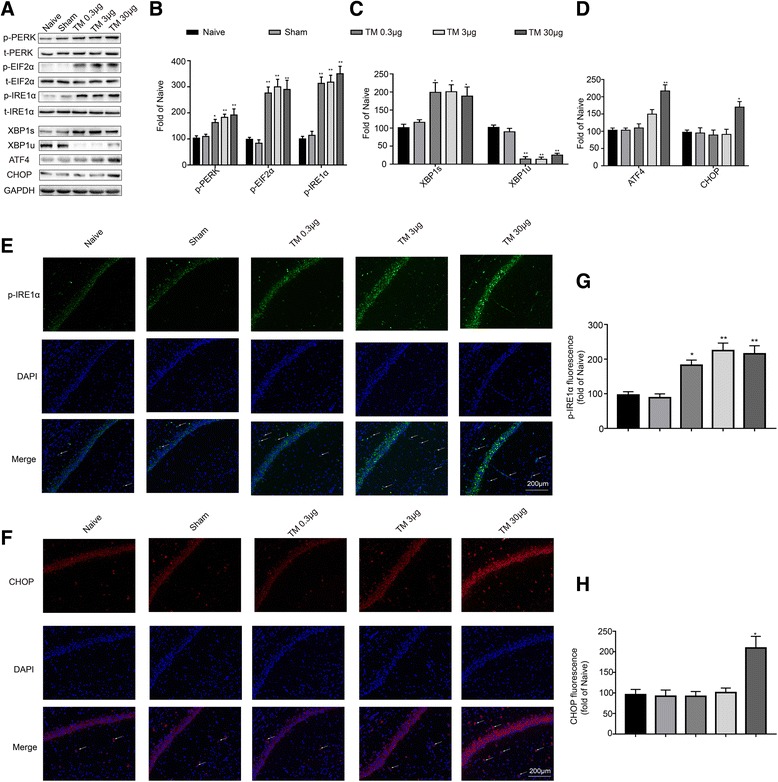
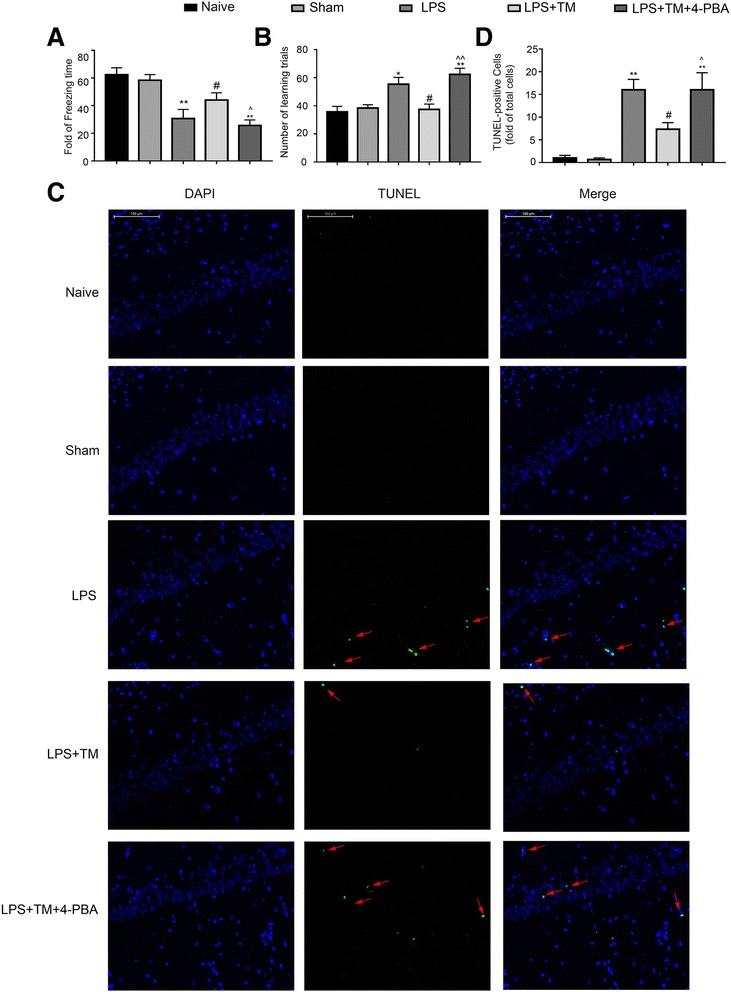
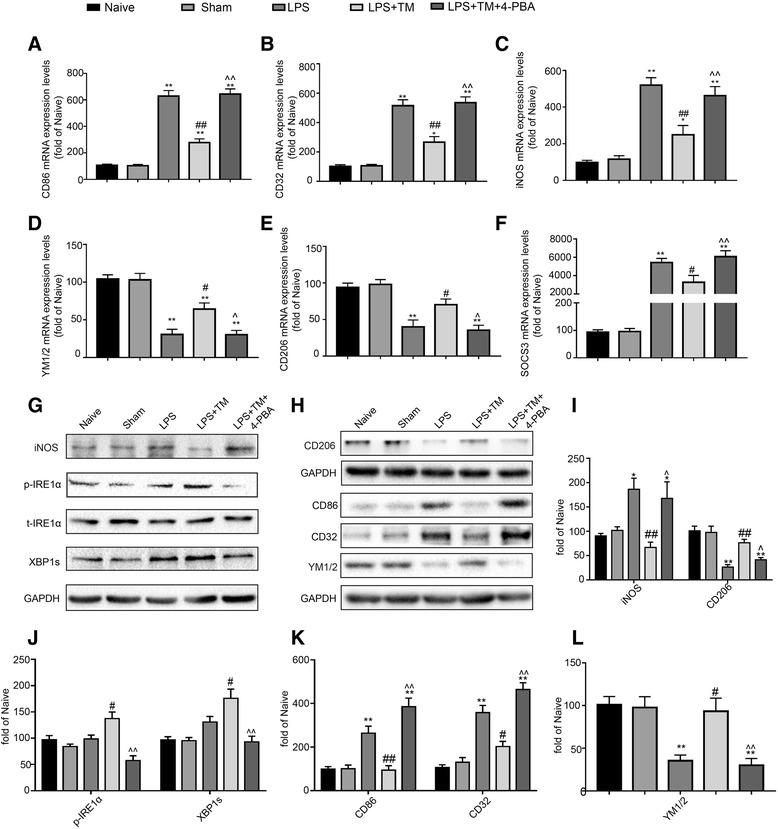
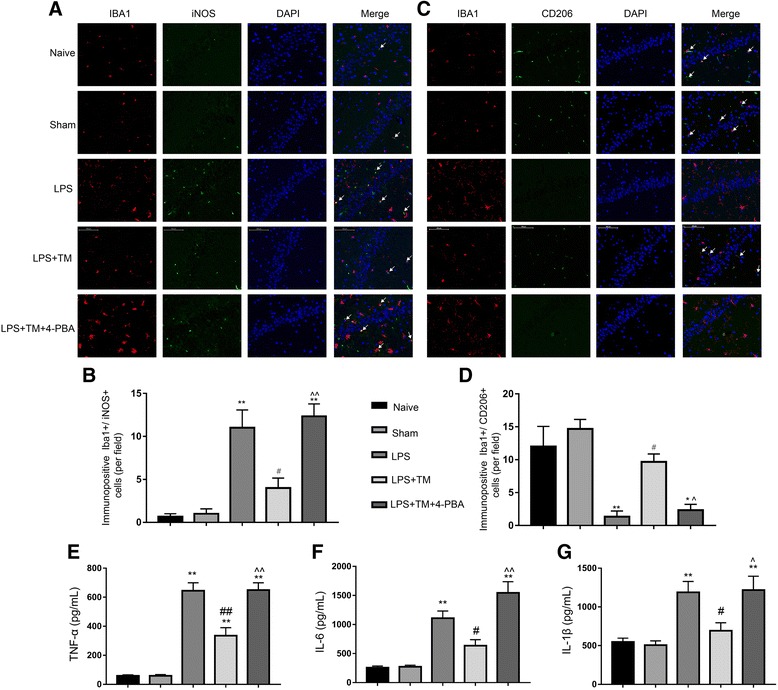
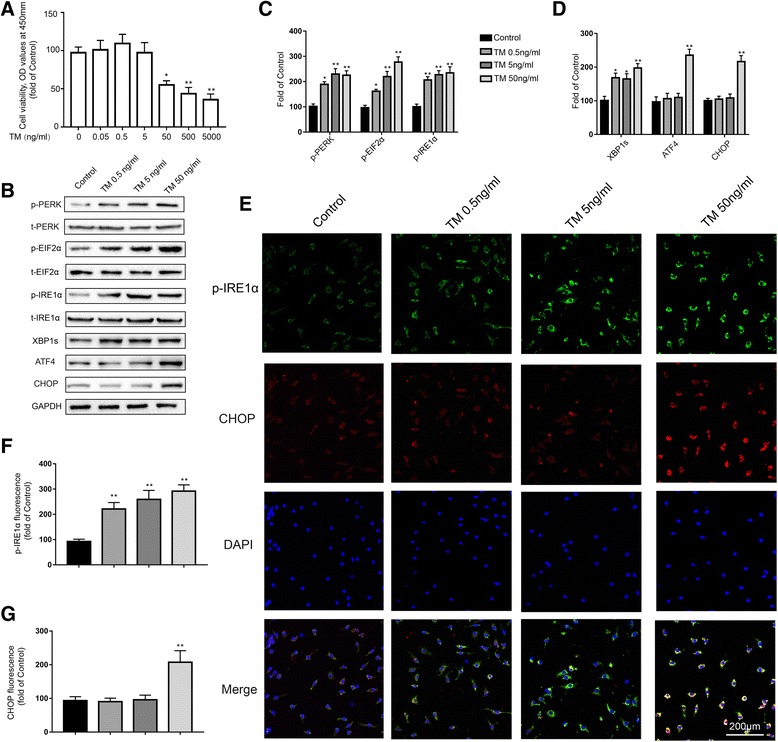
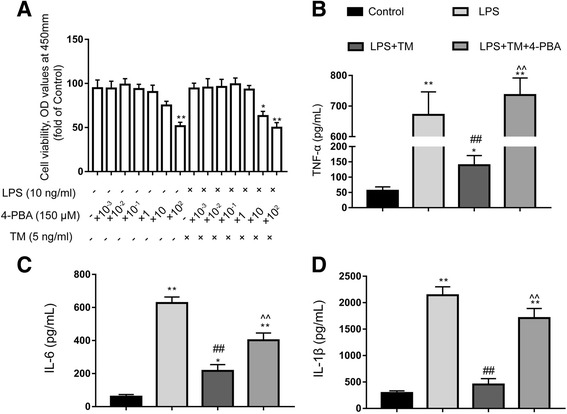
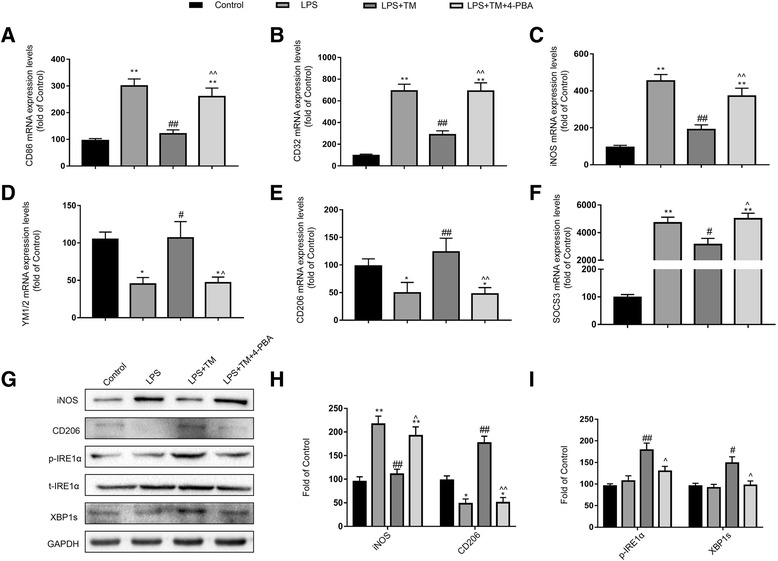
Here, we found that low doses of TM led to mild ER stress without cell or organism lethality. We showed that mild ER stress preconditioning reduced microglia activation and neuronal death as well as improved LPS-induced memory impairment in rats. In addition, pre-exposure to nonlethal doses of TM in microglia showed significant protection against LPS-induced proinflammatory cytokine production and M1/2b polarization. However, sodium 4-PBA, a compound that ameliorates ER stress, ablated this protective effect in vivo and in vitro.
Based on our findings, we conclude that the mild ER stress not only limits the accumulation of misfolded proteins but also protects tissues from harmful endotoxemia insults. Therefore, ER stress preconditioning has potential therapeutic value for the treatment of neurodegenerative diseases.
神经炎症最终导致神经元丢失,被认为在许多神经退行性疾病中起着至关重要的作用。神经炎症过程的特征是小胶质细胞等神经胶质细胞的激活。内质网(ER)应激通常与神经元功能和认知障碍有关,但它与神经退行性变的关系和作用仍存在争议。最近,人们证实无害水平的 ER 应激可预防实验性帕金森病。在这里,我们研究了轻度 ER 应激对大鼠和原代小胶质细胞中脂多糖(LPS)驱动的神经炎症的调节作用。
雄性 Sprague-Dawley(SD)大鼠在 LPS 给药前 1 小时接受脑室内注射 ER 应激激活剂衣霉素(TM),并或不接受腹腔内注射 ER 应激稳定剂苯丁酸钠(4-PBA)。在治疗后 24 小时评估神经炎症和记忆功能障碍的水平。此外,还在体外测定轻度 ER 应激对小胶质细胞的影响。
我们发现低剂量 TM 导致轻度 ER 应激,而不会导致细胞或机体死亡。我们表明,轻度 ER 应激预处理可减少小胶质细胞激活和神经元死亡,并改善 LPS 诱导的大鼠记忆障碍。此外,在小胶质细胞中预先暴露于非致死剂量的 TM 可显著防止 LPS 诱导的促炎细胞因子产生和 M1/2b 极化。然而,改善 ER 应激的化合物苯丁酸钠在体内和体外消除了这种保护作用。
基于我们的发现,我们得出结论,轻度 ER 应激不仅限制了错误折叠蛋白的积累,而且还保护组织免受有害内毒素血症的侵袭。因此,ER 应激预处理具有治疗神经退行性疾病的潜在治疗价值。