Chung Vera Y, Turney Benjamin W
Oxford Stone Group, Department of Urology, Nuffield Department of Surgical Sciences, University of Oxford, Oxford, UK.
BMC Urol. 2017 Nov 28;17(1):109. doi: 10.1186/s12894-017-0292-5.
Urolithiasis is a significant healthcare issue but the pathophysiology of stone disease remains poorly understood. Drosophila Malpighian tubules were known to share similar physiological function to human renal tubules. We have used Drosophila as a genetic model to study the transcriptional response to stone formation secondary to dietary manipulation.
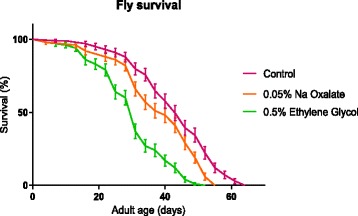
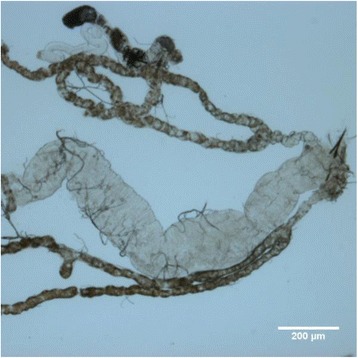
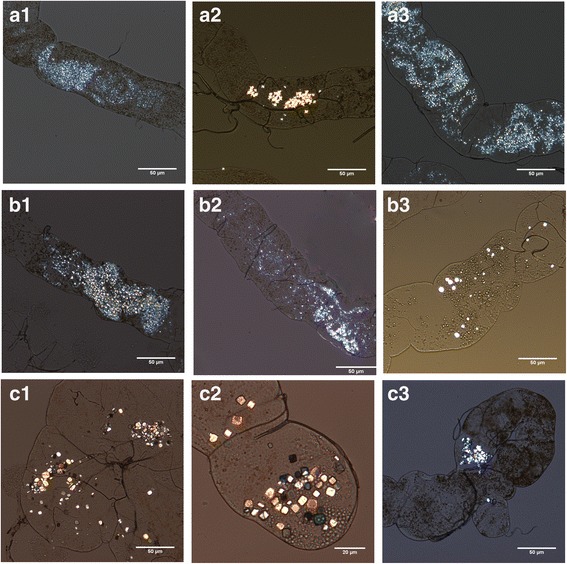
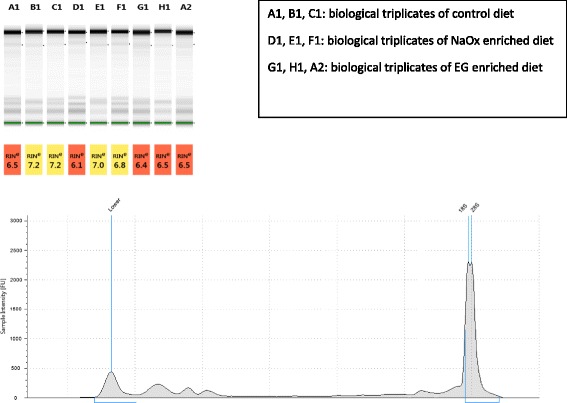
Wild-type male flies were raised on standard medium supplemented with lithogenic agents: control, sodium oxalate (NaOx) and ethylene glycol (EG). At 2 weeks, Malpighian tubules were dissected under polarized microscope to visualize crystals. The parallel group was dissected for RNA extraction and subsequent next-generation RNA sequencing.
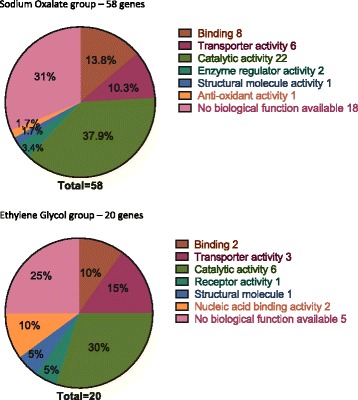
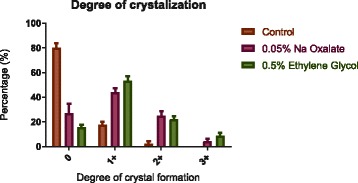
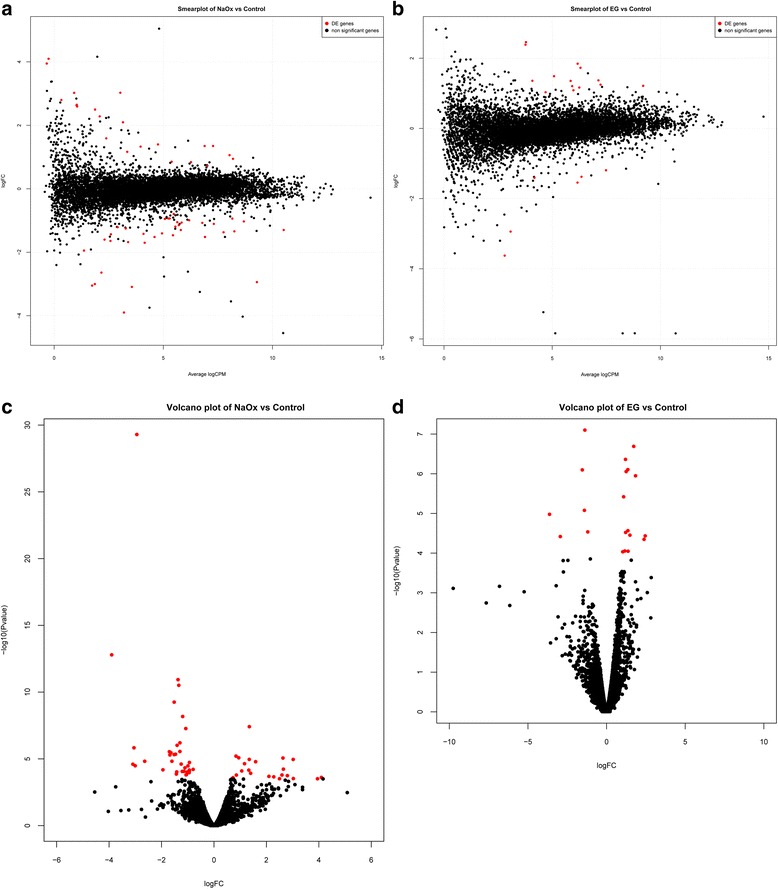
Crystal formation was visualized in 20%(±2.2) of flies on control diet, 73%(±3.6) on NaOx diet and 84%(±2.2) on EG diet. Differentially expressed genes were identified in flies fed with NaOx and EG diet comparing with the control group. Fifty-eight genes were differentially expressed (FDR <0.05, p < 0.05) in NaOx diet and 20 genes in EG diet. The molecular function of differentially expressed genes were assessed. Among these, Nervana 3, Eaat1 (Excitatory amino acid transporter 1), CG7912, CG5404, CG3036 worked as ion transmembrane transporters, which were possibly involved in stone pathogenesis.
We have shown that by dietary modification, stone formation can be manipulated and visualized in Drosophila Malpighian tubules. This genetic model could be potentially used to identify the candidate genes that influence stone risk hence providing more insight to the pathogenesis of human stone disease.
尿路结石是一个重要的医疗保健问题,但结石病的病理生理学仍知之甚少。已知果蝇的马氏管与人类肾小管具有相似的生理功能。我们利用果蝇作为遗传模型来研究饮食控制继发结石形成后的转录反应。
将野生型雄蝇饲养在添加致石剂的标准培养基上:对照组、草酸钠(NaOx)和乙二醇(EG)。2周时,在偏振显微镜下解剖马氏管以观察晶体。对平行组进行解剖以提取RNA并随后进行下一代RNA测序。
在对照饮食的果蝇中,20%(±2.2)可见晶体形成;在NaOx饮食的果蝇中,73%(±3.6)可见晶体形成;在EG饮食的果蝇中,84%(±2.2)可见晶体形成。与对照组相比,在喂食NaOx和EG饮食的果蝇中鉴定出差异表达基因。在NaOx饮食中有58个基因差异表达(FDR<0.05,p<0.05),在EG饮食中有20个基因差异表达。对差异表达基因的分子功能进行了评估。其中,Nervana 3、Eaat1(兴奋性氨基酸转运体1)、CG7912、CG5404、CG3036作为离子跨膜转运体发挥作用,可能参与结石发病机制。
我们已经表明,通过饮食调整,可以在果蝇马氏管中控制并观察到结石形成。这种遗传模型可能用于识别影响结石风险的候选基因,从而为人类结石病的发病机制提供更多见解。