Department of Biosciences, University of Helsinki, 00014 Helsinki, Finland.
Neuroscience Center, University of Helsinki, 00014 Helsinki, Finland.
Proc Natl Acad Sci U S A. 2017 Dec 12;114(50):E10819-E10828. doi: 10.1073/pnas.1717337114. Epub 2017 Nov 28.
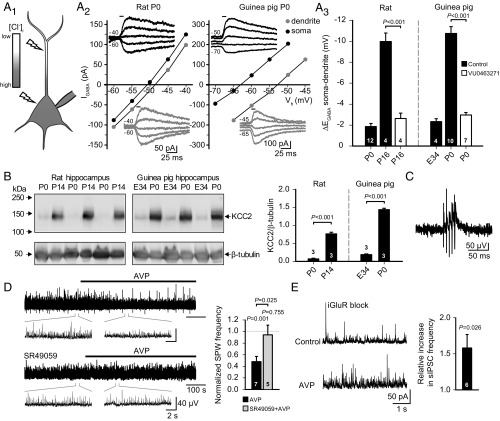
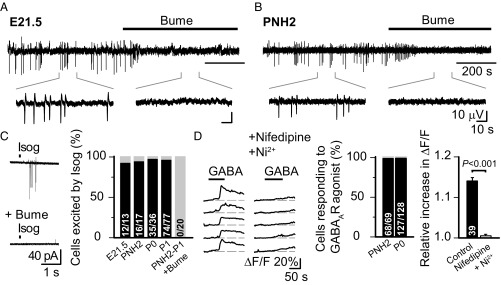
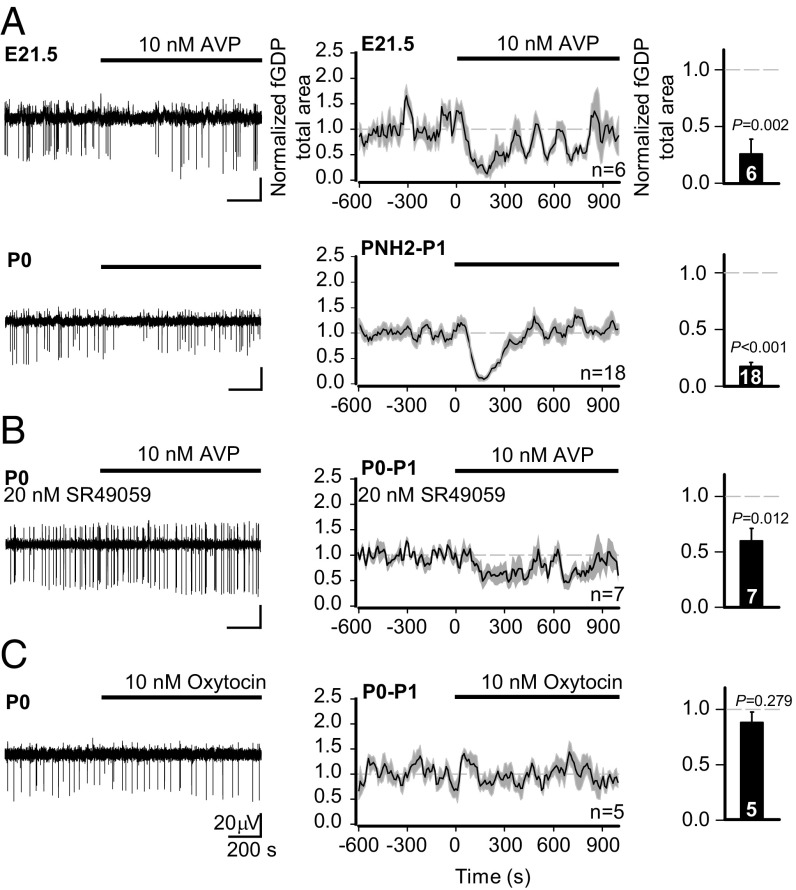
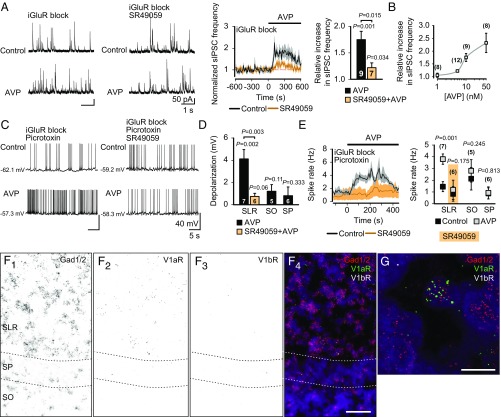
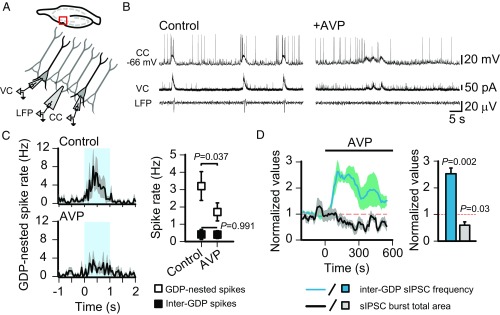
During birth in mammals, a pronounced surge of fetal peripheral stress hormones takes place to promote survival in the transition to the extrauterine environment. However, it is not known whether the hormonal signaling involves central pathways with direct protective effects on the perinatal brain. Here, we show that arginine vasopressin specifically activates interneurons to suppress spontaneous network events in the perinatal hippocampus. Experiments done on the altricial rat and precocial guinea pig neonate demonstrated that the effect of vasopressin is not dependent on the level of maturation (depolarizing vs. hyperpolarizing) of postsynaptic GABA receptor actions. Thus, the fetal mammalian brain is equipped with an evolutionarily conserved mechanism well-suited to suppress energetically expensive correlated network events under conditions of reduced oxygen supply at birth.
在哺乳动物的分娩过程中,胎儿外周应激激素会显著增加,以促进向宫外环境的过渡中的生存。然而,目前尚不清楚这种激素信号是否涉及中枢途径,对围产期大脑具有直接的保护作用。在这里,我们表明精氨酸血管加压素特异性地激活中间神经元,以抑制围产期海马体中的自发性网络事件。在早产儿大鼠和早熟豚鼠新生儿上进行的实验表明,血管加压素的作用不依赖于突触后 GABA 受体作用的成熟程度(去极化与超极化)。因此,胎生哺乳动物的大脑配备了一种进化上保守的机制,非常适合在出生时供氧减少的情况下抑制能量消耗大的相关网络事件。