Culkin Jamie, de Bruin Lennart, Tompitak Marco, Phillips Rob, Schiessel Helmut
Institute Lorentz for Theoretical Physics, Leiden University, Niels Bohrweg 2, 2333 CA, Leiden, The Netherlands.
Laboratory for Computation and Visualization in Mathematics and Mechanics, École polytechnique fédérale de Lausanne, Lausanne, Switzerland.
Eur Phys J E Soft Matter. 2017 Nov 30;40(11):106. doi: 10.1140/epje/i2017-11596-2.
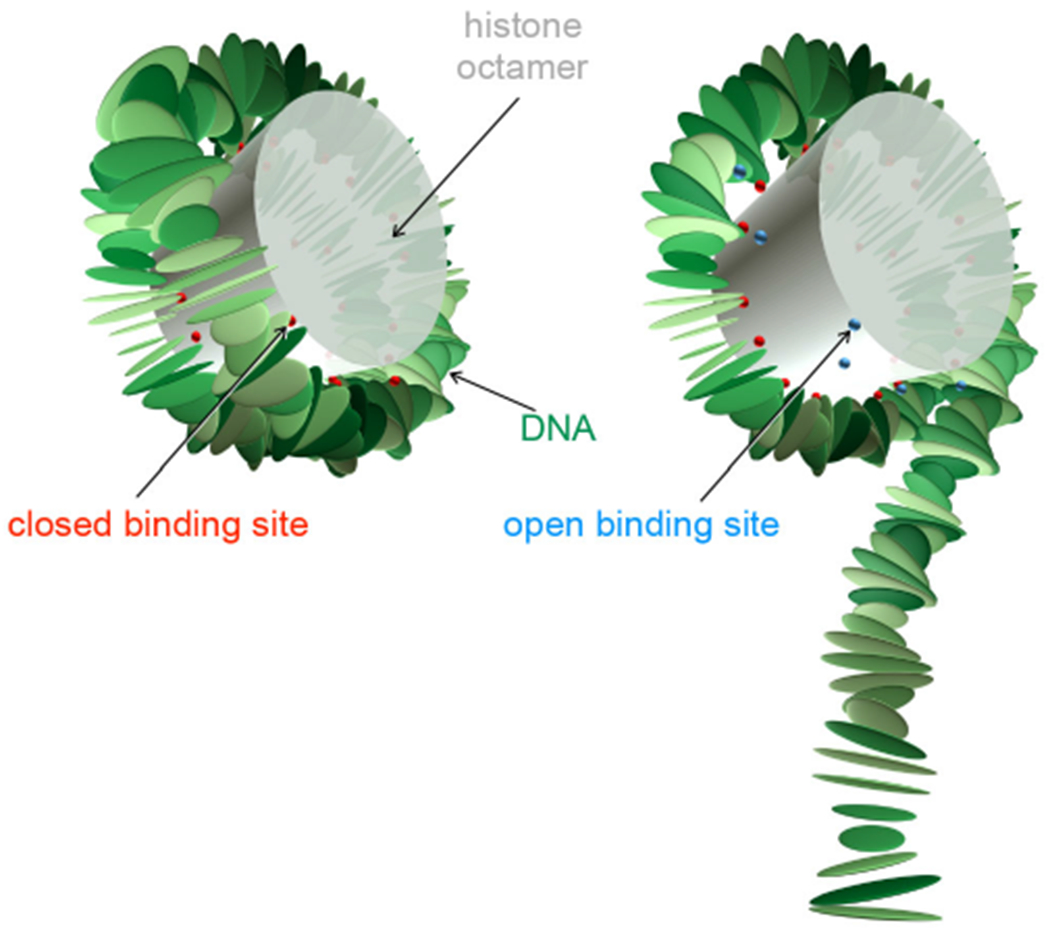
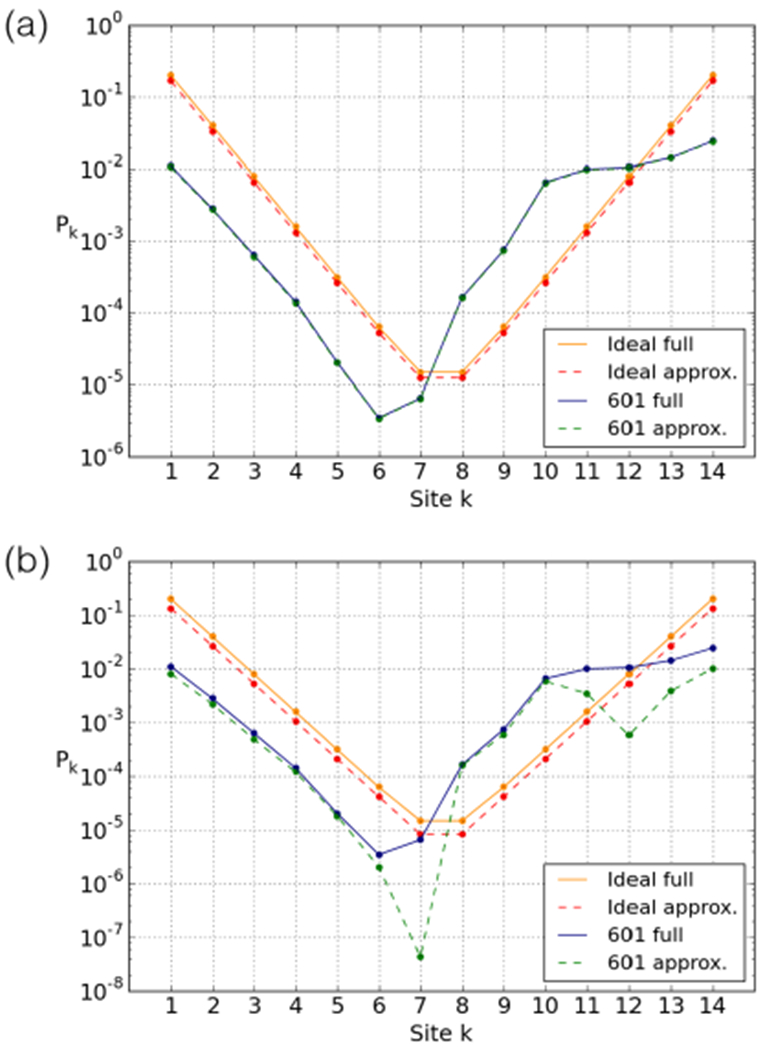
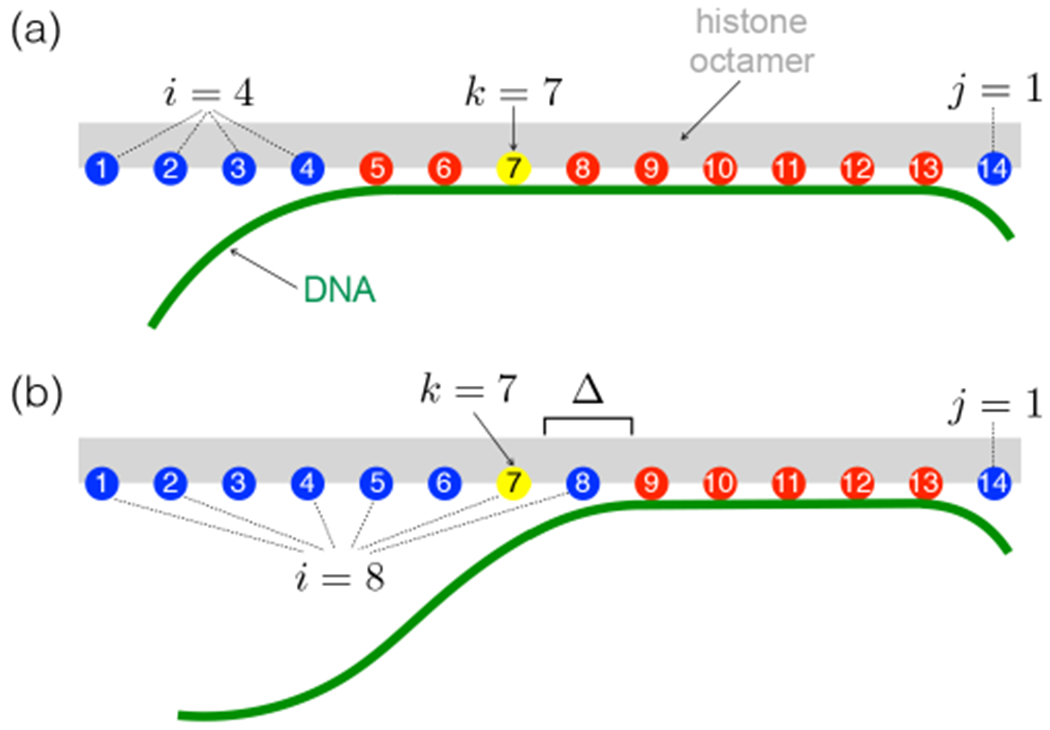
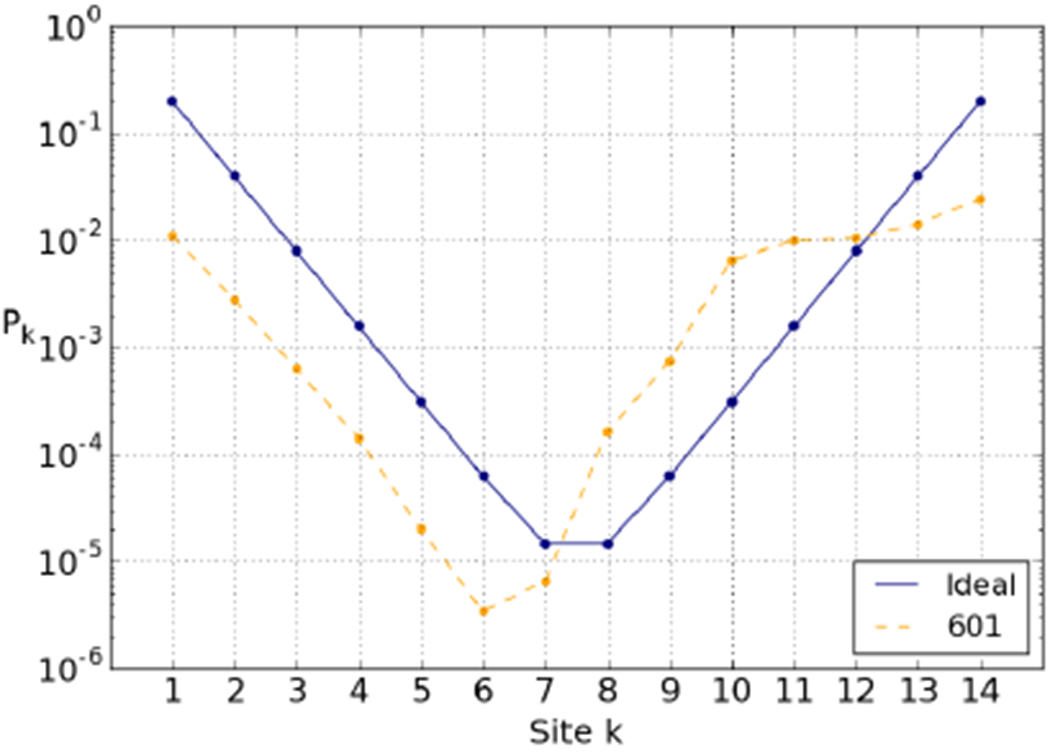
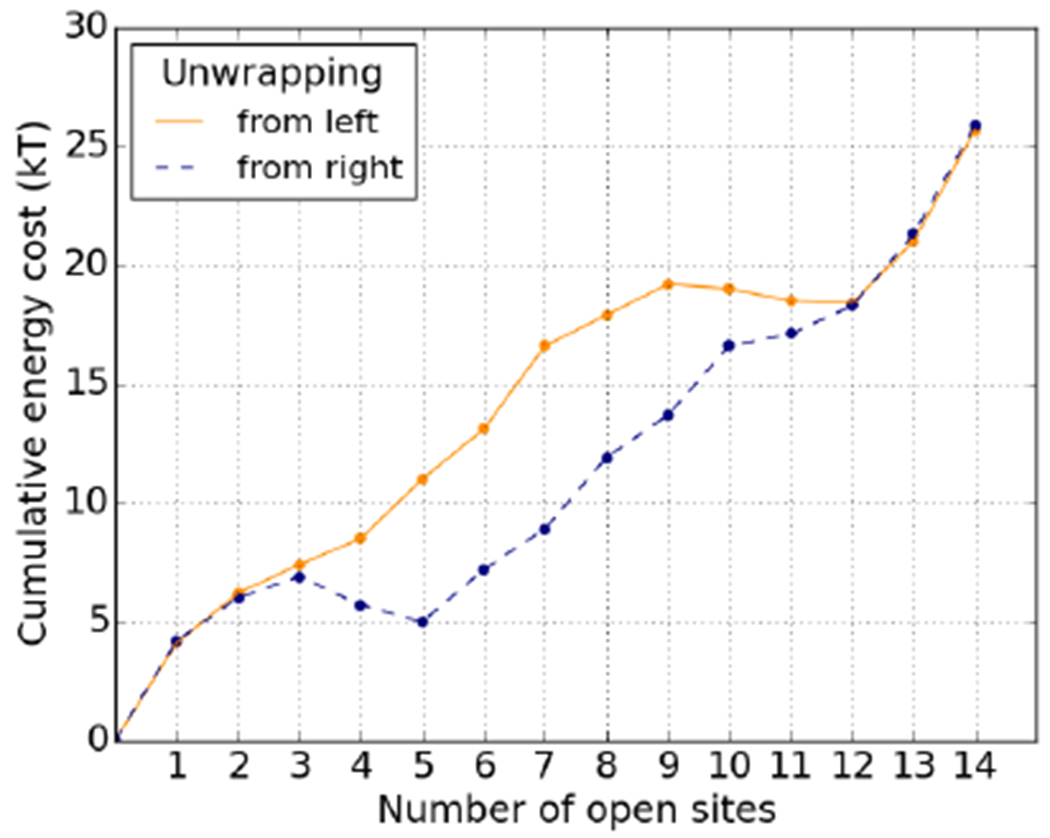
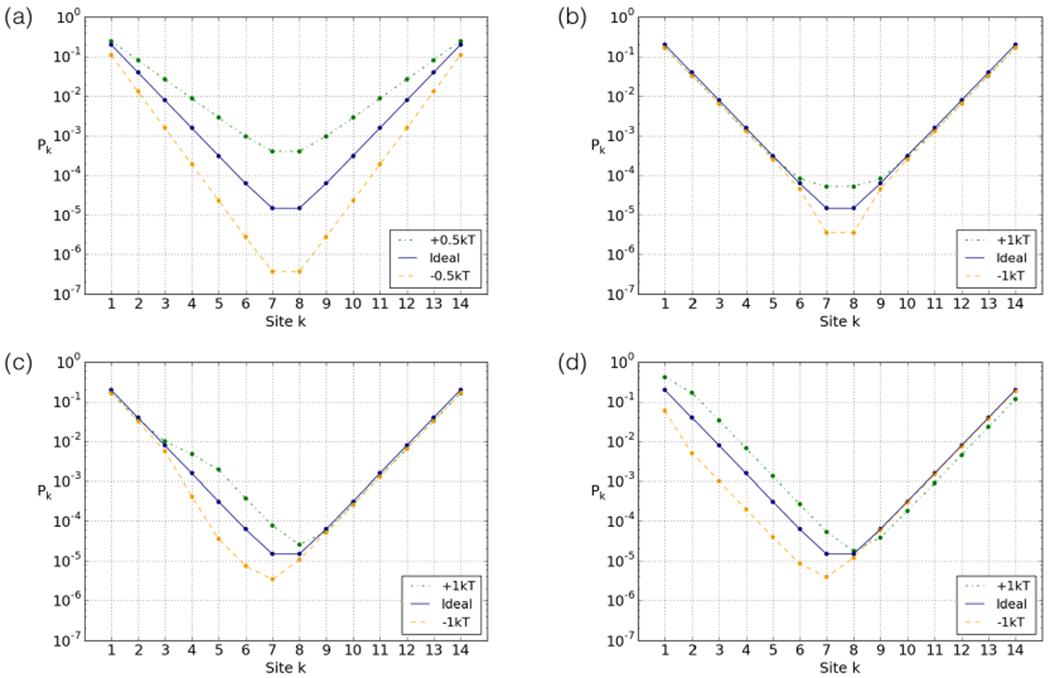
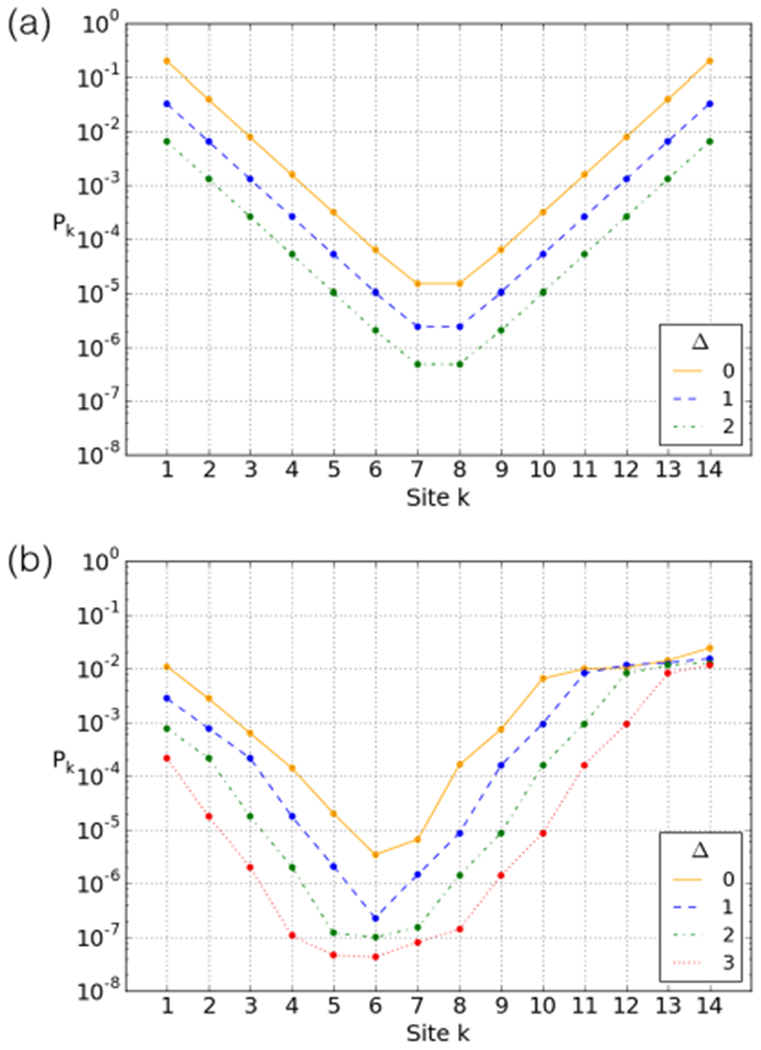
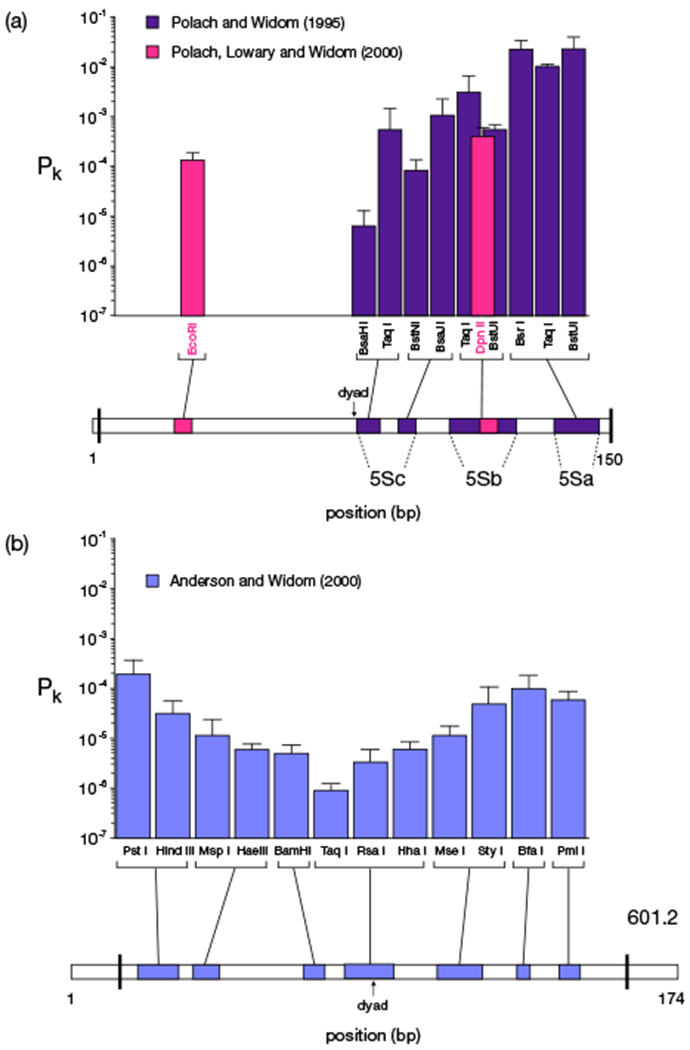
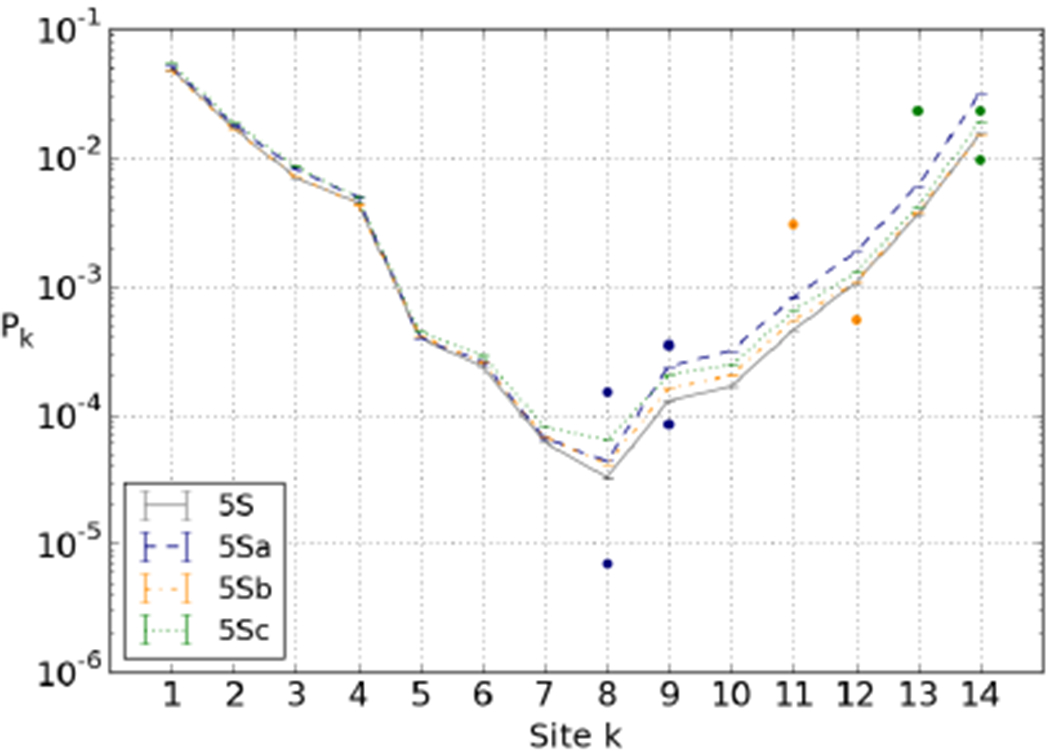
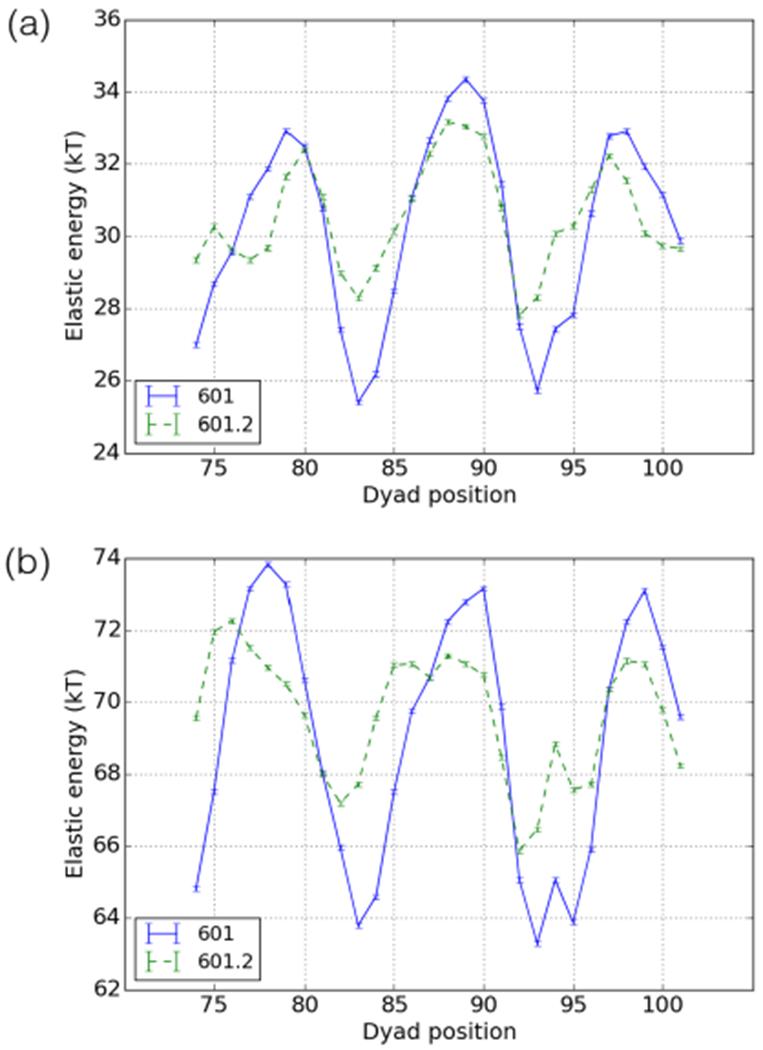
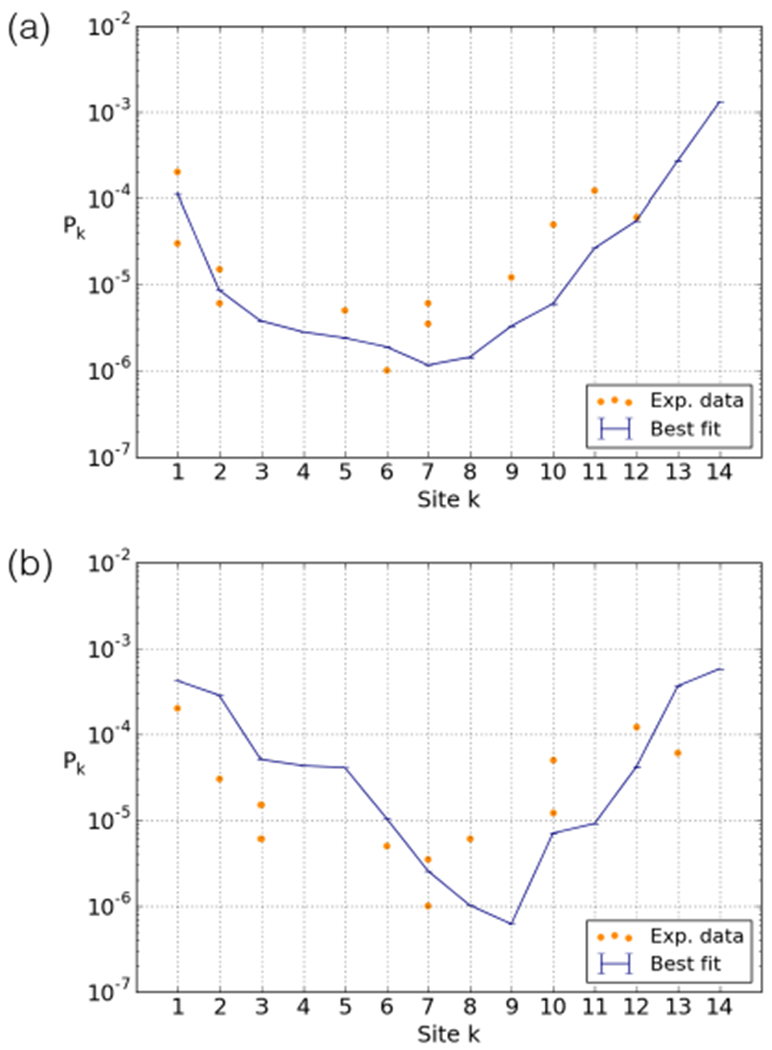
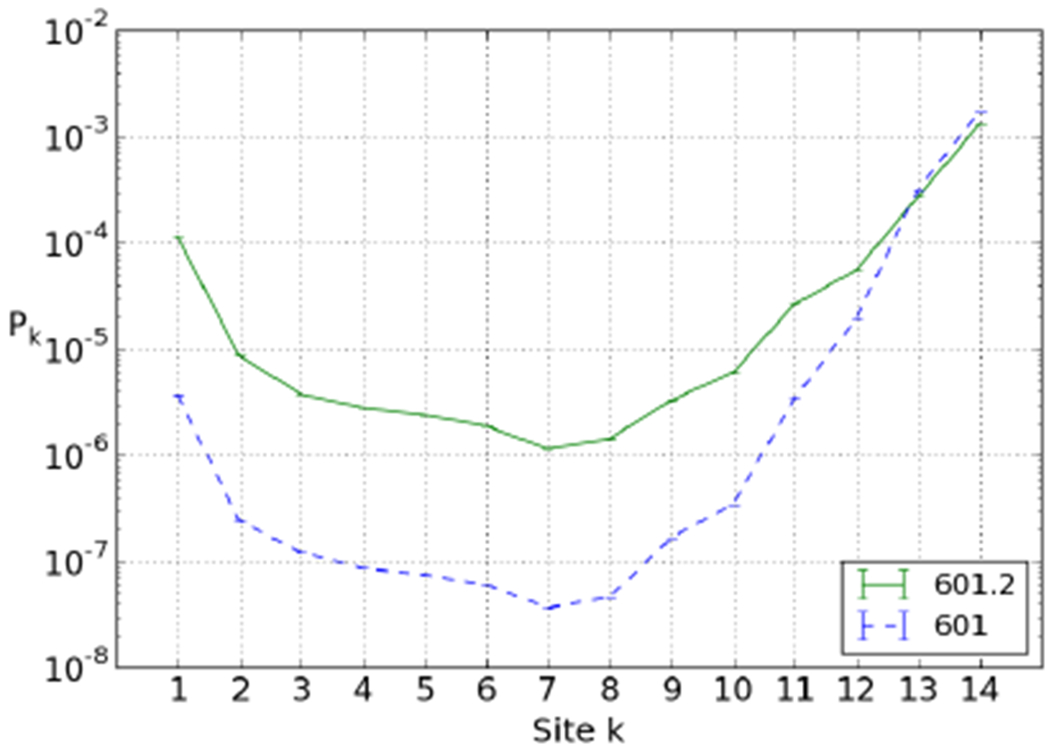
Roughly 3/4 of human genomes are sequestered by nucleosomes, DNA spools with a protein core, dictating a broad range of biological processes, ranging from gene regulation, recombination, and replication, to chromosome condensation. Nucleosomes are dynamical structures and temporarily expose wrapped DNA through spontaneous unspooling from either end, a process called site exposure or nucleosome breathing. Here we ask how this process is influenced by the mechanical properties of the wrapped DNA, which is known to depend on the underlying base pair sequence. Using a coarse-grained nucleosome model we calculate the accessibility profiles for site exposure. We find that the process is very sensitive to sequence effects, so that evolution could potentially tune the accessibility of nucleosomal DNA and would only need a small number of mutations to do so.
大约四分之三的人类基因组被核小体隔离,核小体是带有蛋白质核心的DNA线轴,它决定了从基因调控、重组和复制到染色体凝聚等广泛的生物过程。核小体是动态结构,通过从两端自发解旋暂时暴露包裹的DNA,这个过程称为位点暴露或核小体呼吸。在这里,我们探讨这个过程如何受到包裹DNA机械特性的影响,已知这种特性取决于潜在的碱基对序列。我们使用一个粗粒度的核小体模型来计算位点暴露的可及性概况。我们发现这个过程对序列效应非常敏感,因此进化可能潜在地调节核小体DNA的可及性,并且只需要少量突变就能做到这一点。