Department of Pathology, Dalhousie University, Halifax, NS, Canada.
Department of Microbiology & Immunology, Dalhousie University, Halifax, NS, Canada.
Sci Rep. 2017 Nov 30;7(1):16684. doi: 10.1038/s41598-017-16687-6.
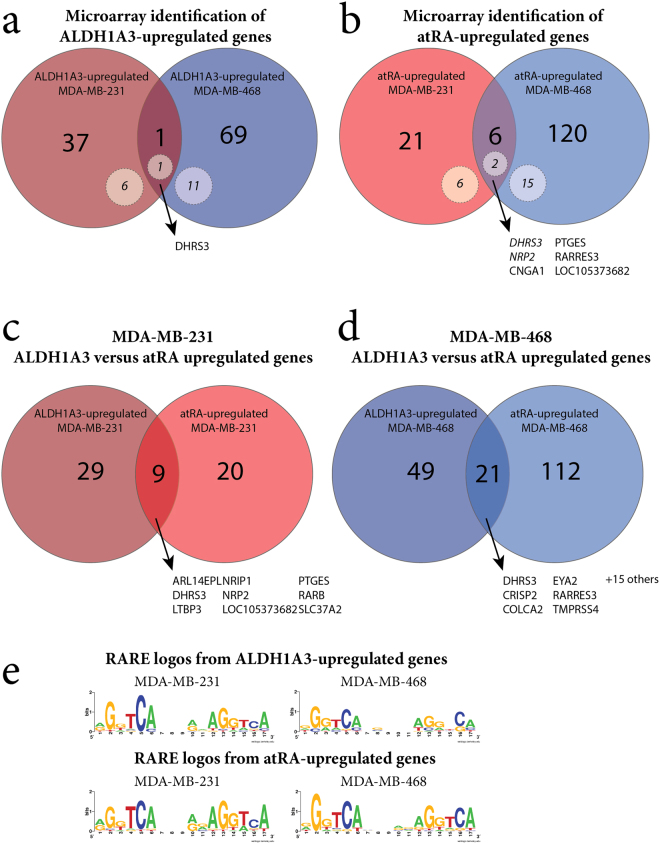
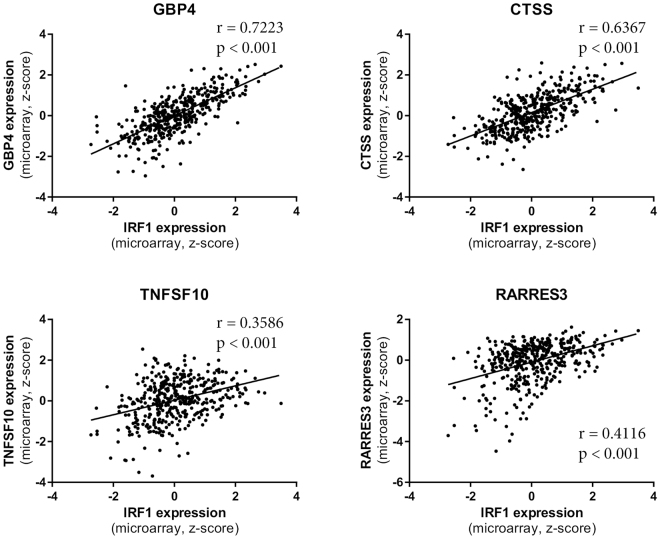
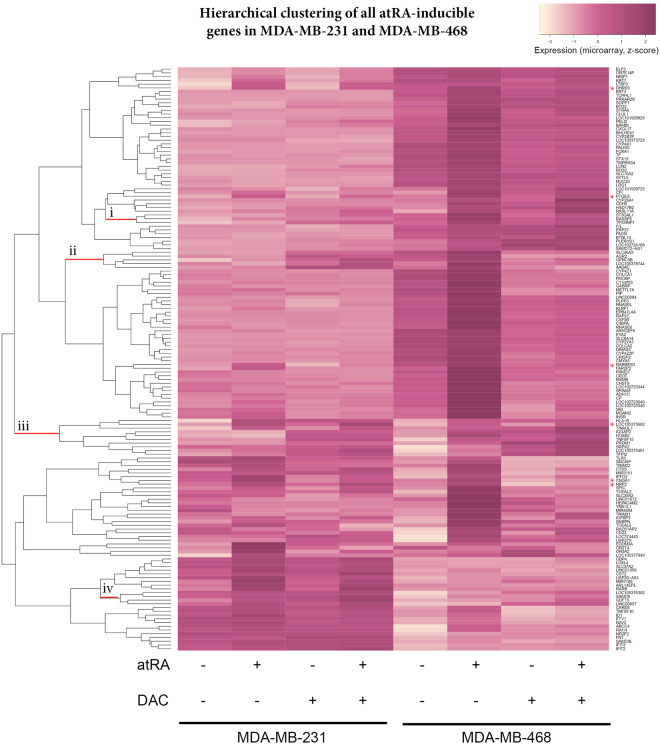
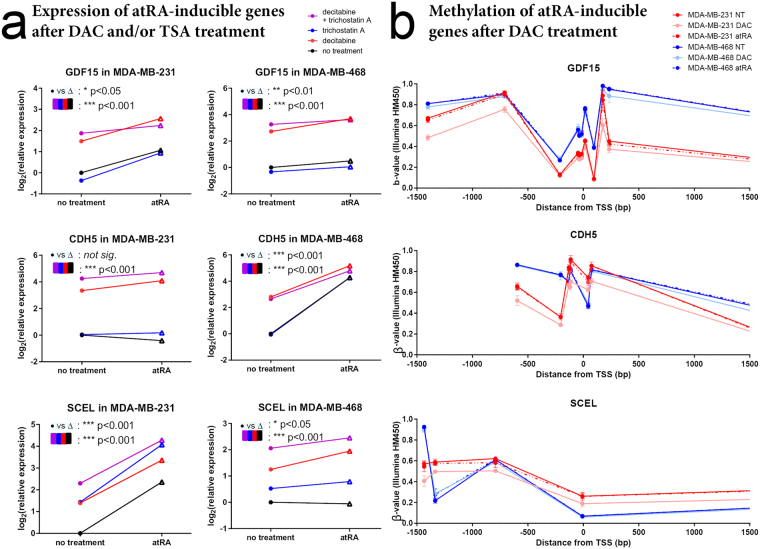
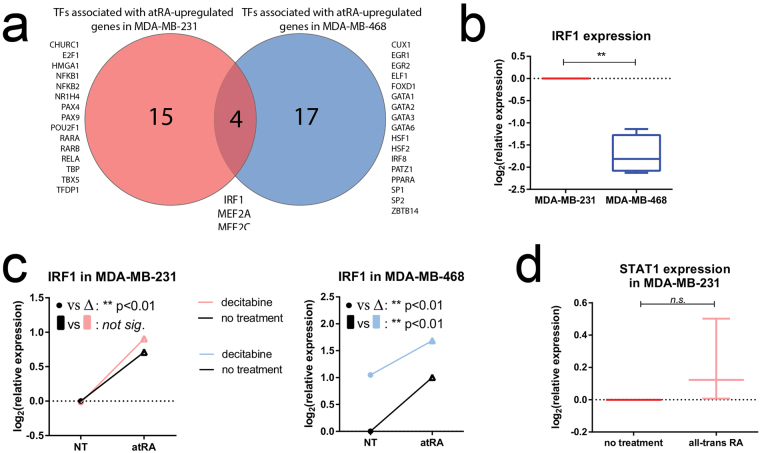
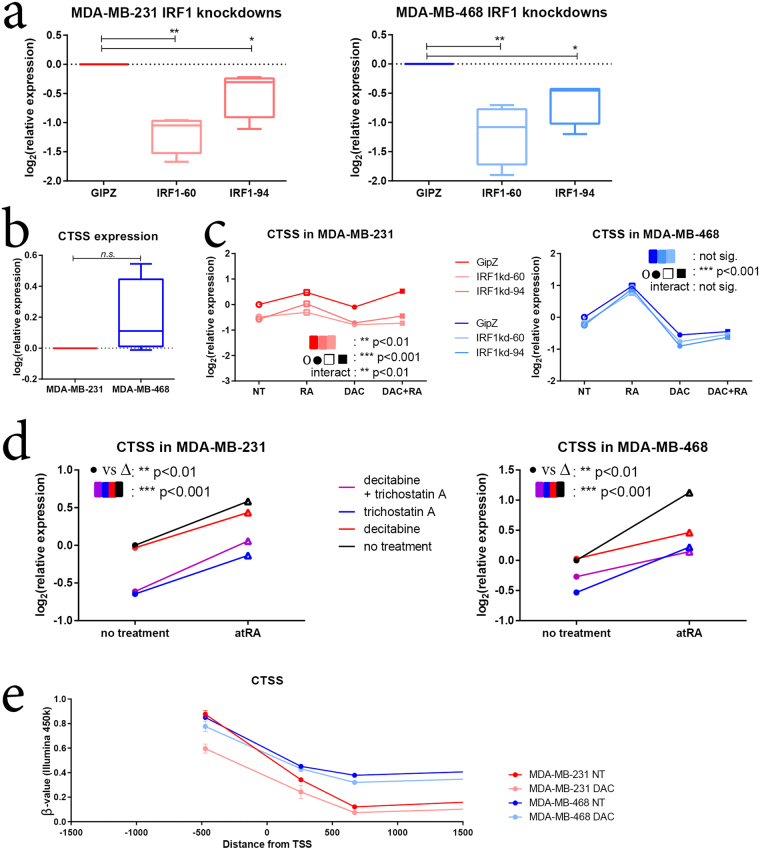
Retinoids, derivatives of vitamin A, are key physiological molecules with regulatory effects on cell differentiation, proliferation and apoptosis. As a result, they are of interest for cancer therapy. Specifically, models of breast cancer have varied responses to manipulations of retinoid signaling. This study characterizes the transcriptional response of MDA-MB-231 and MDA-MB-468 breast cancer cells to retinaldehyde dehydrogenase 1A3 (ALDH1A3) and all-trans retinoic acid (atRA). We demonstrate limited overlap between ALDH1A3-induced gene expression and atRA-induced gene expression in both cell lines, suggesting that the function of ALDH1A3 in breast cancer progression extends beyond its role as a retinaldehyde dehydrogenase. Our data reveals divergent transcriptional responses to atRA, which are largely independent of genomic retinoic acid response elements (RAREs) and consistent with the opposing responses of MDA-MB-231 and MDA-MB-468 to in vivo atRA treatment. We identify transcription factors associated with each gene set. Manipulation of the IRF1 transcription factor demonstrates that it is the level of atRA-inducible and epigenetically regulated transcription factors that determine expression of target genes (e.g. CTSS, cathepsin S). This study provides a paradigm for complex responses of breast cancer models to atRA treatment, and illustrates the need to characterize RARE-independent responses to atRA in a variety of models.
视黄醇类,维生素 A 的衍生物,是对细胞分化、增殖和凋亡具有调节作用的关键生理分子。因此,它们是癌症治疗的研究热点。具体来说,乳腺癌模型对视黄醇信号转导的操作有不同的反应。本研究描述了 MDA-MB-231 和 MDA-MB-468 乳腺癌细胞对醛脱氢酶 1A3(ALDH1A3)和全反式视黄酸(atRA)的转录反应。我们证明了 ALDH1A3 诱导的基因表达与两种细胞系中 atRA 诱导的基因表达之间的重叠有限,这表明 ALDH1A3 在乳腺癌进展中的功能超出了其作为视黄醛脱氢酶的作用。我们的数据揭示了对 atRA 的不同转录反应,这些反应在很大程度上独立于基因组视黄酸反应元件(RAREs),并且与 MDA-MB-231 和 MDA-MB-468 对体内 atRA 治疗的相反反应一致。我们确定了与每个基因集相关的转录因子。IRF1 转录因子的操作表明,决定靶基因(例如 CTSS、组织蛋白酶 S)表达的是 atRA 诱导和表观遗传调节转录因子的水平。本研究为乳腺癌模型对 atRA 治疗的复杂反应提供了范例,并说明了在各种模型中表征 atRA 的 RARE 非依赖性反应的必要性。