Xie Shi-Yang, Li Guang, Han Chong, Yu Yang-Yang, Li Nan
Department of Radiation Oncology, The First Affiliated Hospital of Chi Medical University, Shenyang, China.
Onco Targets Ther. 2017 Nov 23;10:5605-5619. doi: 10.2147/OTT.S149200. eCollection 2017.
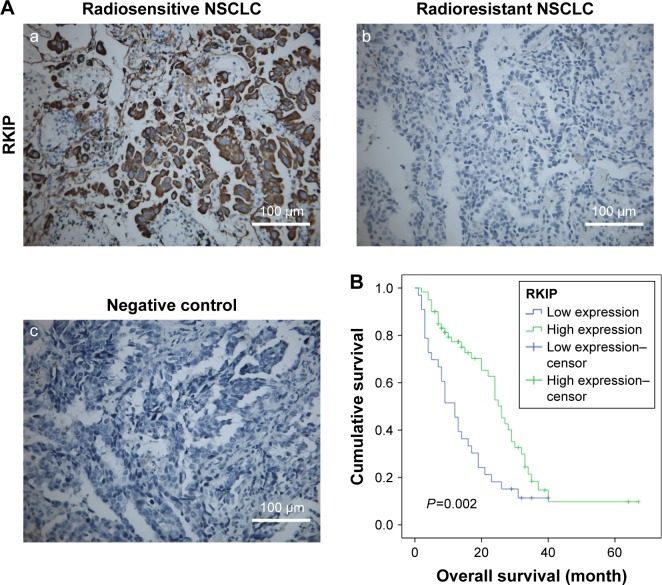
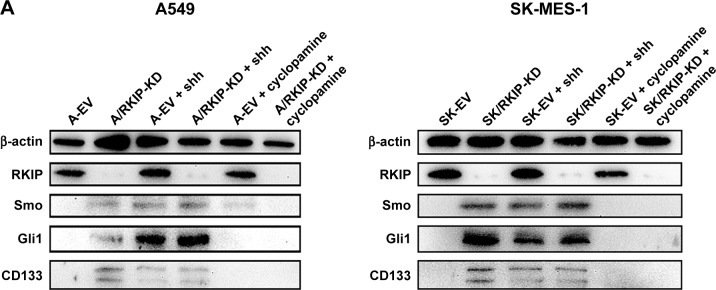
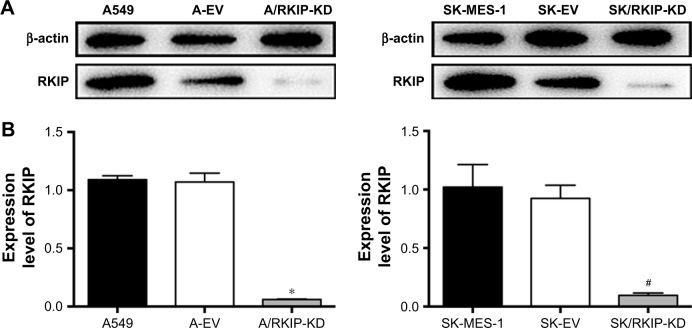
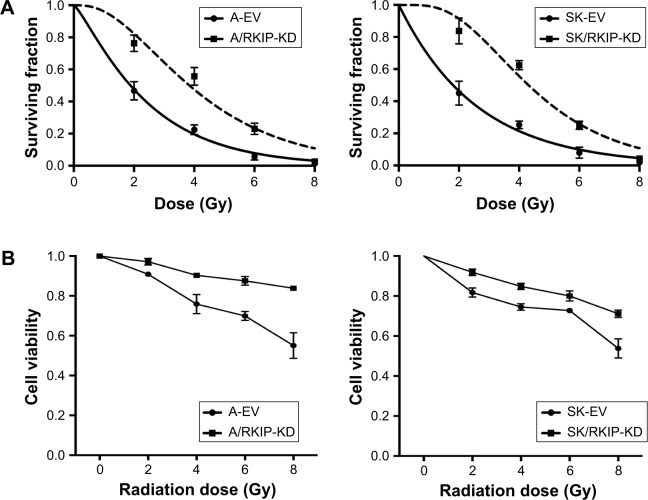
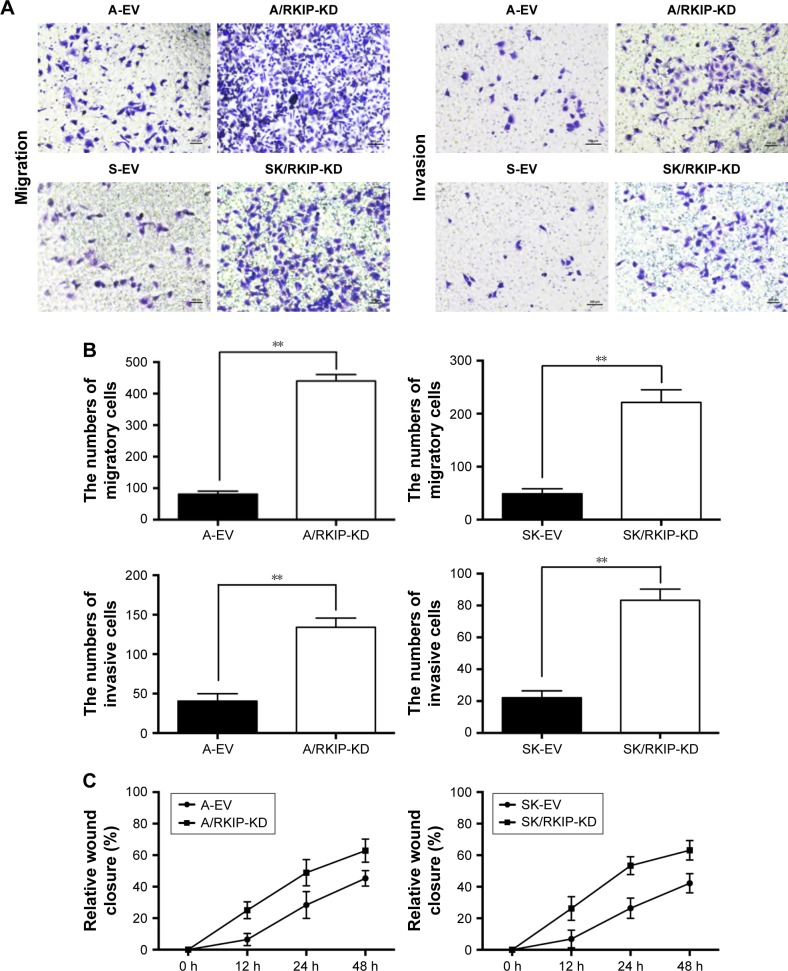
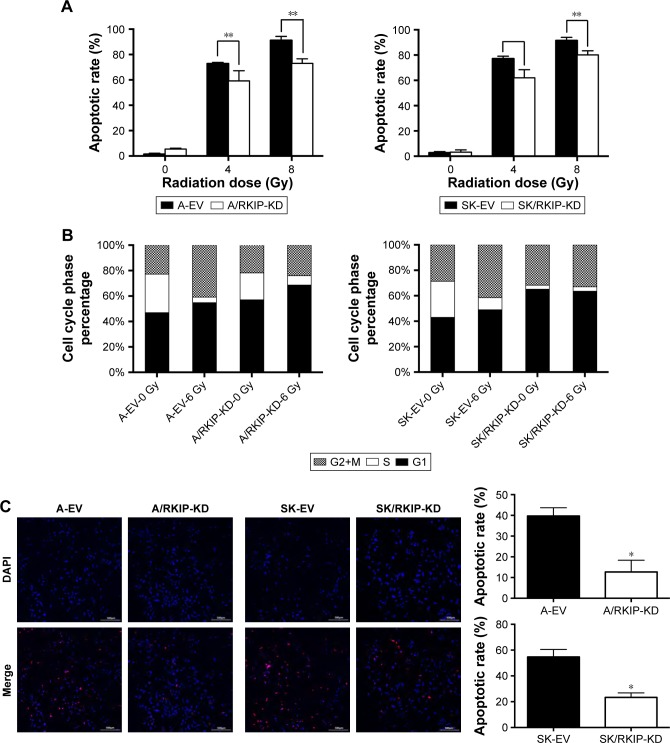
Non-small-cell lung cancer (NSCLC) is exceptionally deadly because the tumors lack sensitive early-stage diagnostic biomarkers and are resistant to radiation and chemotherapy. Here, we investigated the role and mechanism of Raf kinase inhibitory protein (RKIP) in NSCLC radioresistance. The clinical data showed that the RKIP expression level was generally lower in radioresistant NSCLC tissues than in radiosensitive tissues. Reduced RKIP expression was related to NSCLC radioresistance and poor prognosis. In vitro experiments showed that RKIP knockdown increased radioresistance and metastatic ability in NSCLC cell lines. Mechanistically, RKIP reduction activated the Shh signaling pathway by derepressing Smoothened (Smo) and initiating glioma-associated oncogene-1 (Gli1)-mediated transcription in NSCLC. In addition, the inappropriately activated Shh-Gli1 signaling pathway then enhanced cancer stem cell (CSC) expression in the cell lines. The increasing quantity of CSCs in the tumor ultimately promotes the radiation resistance of NSCLC. Together, these results suggest that RKIP plays a vital role in radiation response and metastasis in NSCLC. RKIP reduction enhances radioresistance by activating the Shh signaling pathway and initiating functional CSCs. This role makes it a promising therapeutic target for improving the efficacy of NSCLC radiation treatment.
非小细胞肺癌(NSCLC)极其致命,因为肿瘤缺乏敏感的早期诊断生物标志物,并且对放疗和化疗具有抗性。在此,我们研究了Raf激酶抑制蛋白(RKIP)在NSCLC放射抗性中的作用及机制。临床数据表明,在放射抗性NSCLC组织中,RKIP表达水平通常低于放射敏感组织。RKIP表达降低与NSCLC放射抗性及不良预后相关。体外实验表明,RKIP敲低增加了NSCLC细胞系的放射抗性和转移能力。从机制上讲,RKIP减少通过解除对Smoothened(Smo)的抑制并启动NSCLC中胶质瘤相关癌基因1(Gli1)介导的转录来激活Shh信号通路。此外,异常激活的Shh - Gli1信号通路随后增强了细胞系中癌症干细胞(CSC)的表达。肿瘤中CSC数量的增加最终促进了NSCLC的放射抗性。总之,这些结果表明RKIP在NSCLC的放射反应和转移中起着至关重要的作用。RKIP减少通过激活Shh信号通路并启动功能性CSC来增强放射抗性。这一作用使其成为提高NSCLC放射治疗疗效的有前景的治疗靶点。