Tumor Research and Therapy Center, Shandong Provincial Hospital Affiliated to Shandong First Medical University, Jinan, Shandong, China.
Radiotherapy Department, Dongming People's Hospital, Heze, Shandong, China.
Front Immunol. 2023 Aug 9;14:1179742. doi: 10.3389/fimmu.2023.1179742. eCollection 2023.
Cuproptosis is a novel form of programmed cell death that differs from other types such as pyroptosis, ferroptosis, and autophagy. It is a promising new target for cancer therapy. Additionally, immune-related genes play a crucial role in cancer progression and patient prognosis. Therefore, our study aimed to create a survival prediction model for lung adenocarcinoma patients based on cuproptosis and immune-related genes. This model can be utilized to enhance personalized treatment for patients.
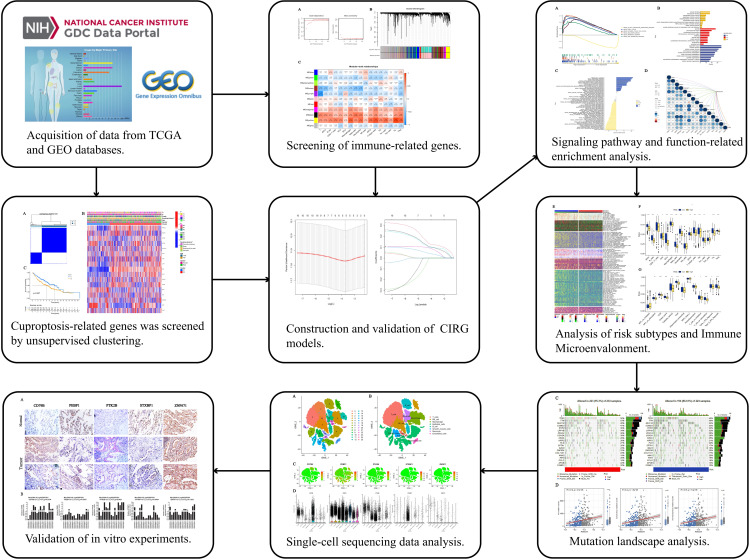
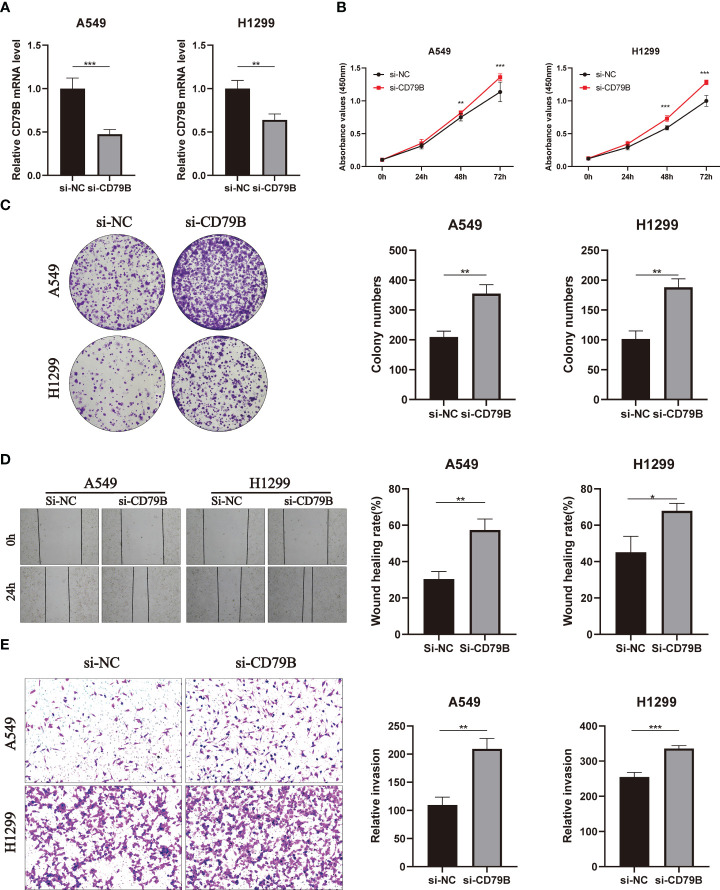
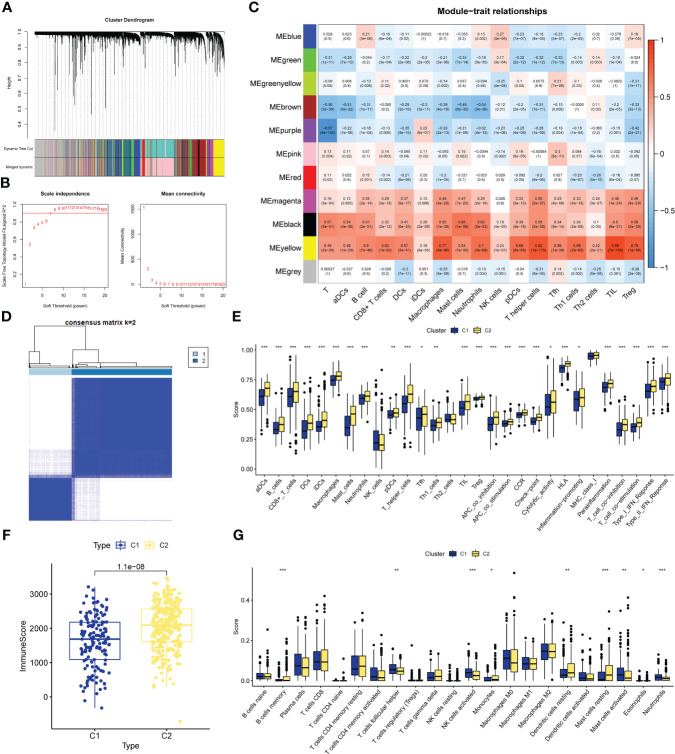
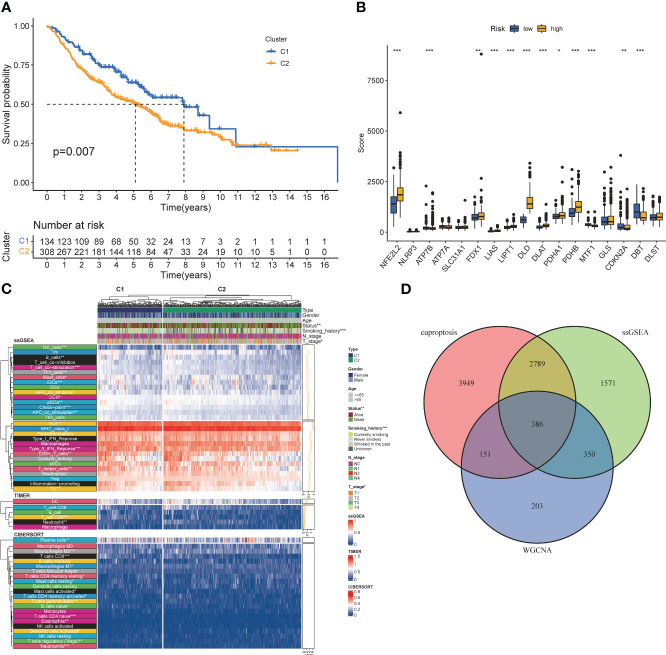
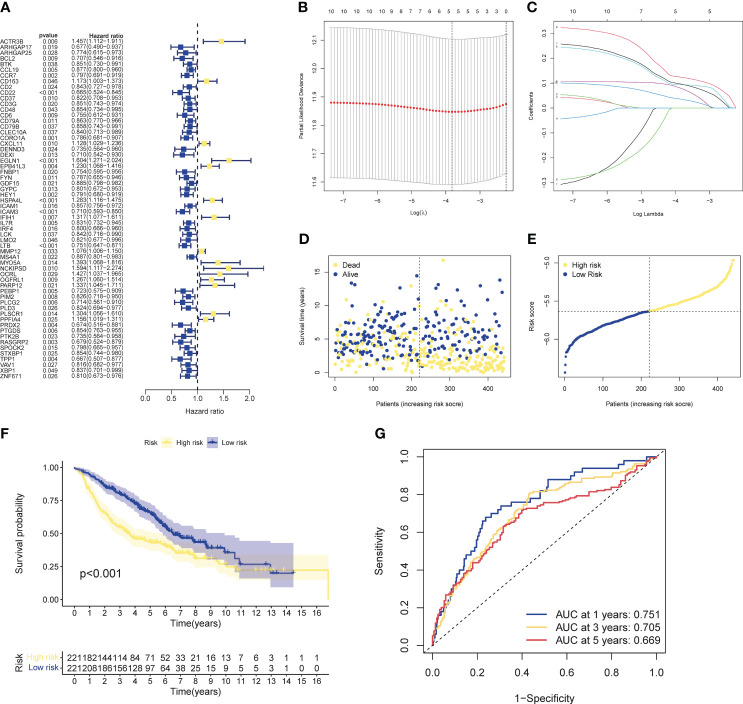
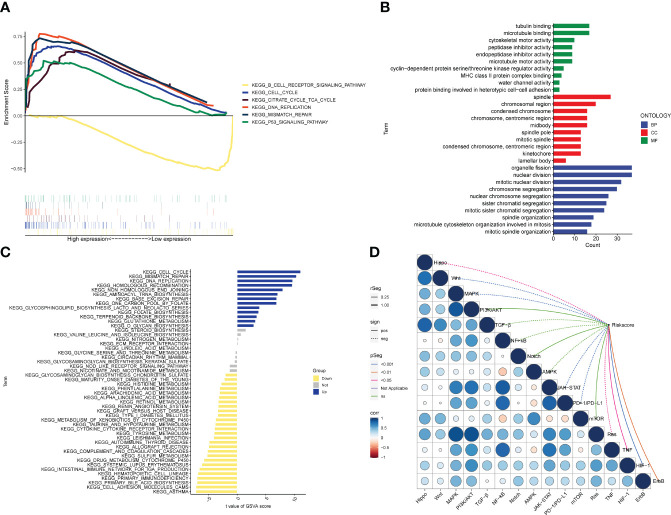
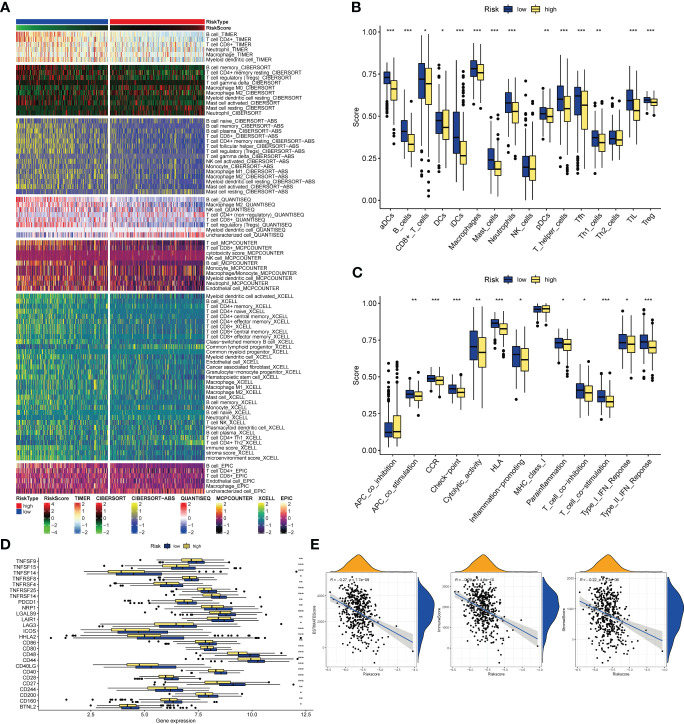
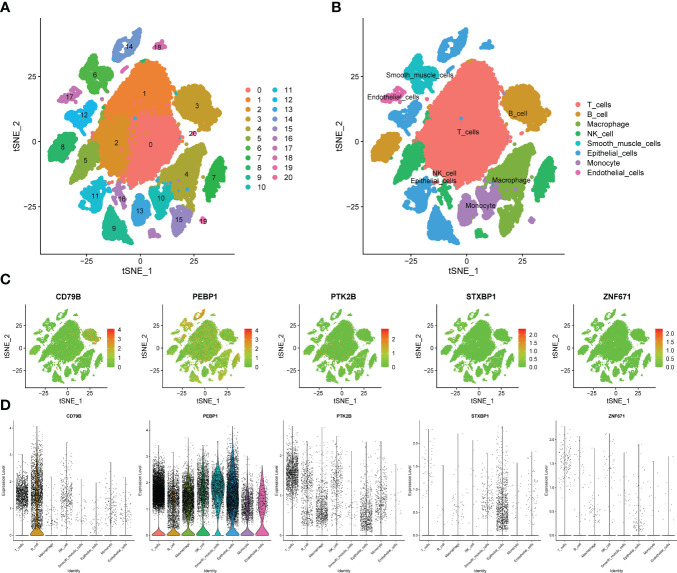
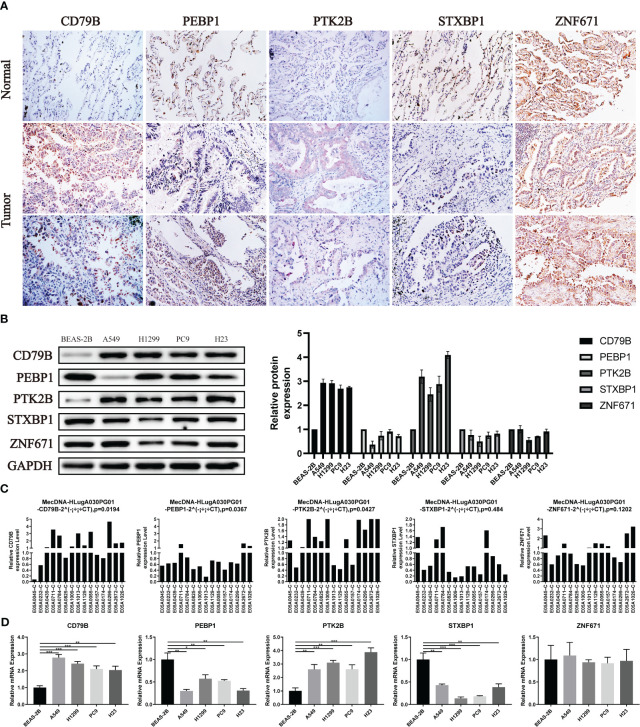
RNA sequencing (RNA-seq) data of lung adenocarcinoma (LUAD) patients were collected from The Cancer Genome Atlas (TCGA) and Gene Expression Omnibus (GEO) databases. The levels of immune cell infiltration in the GSE68465 cohort were determined using gene set variation analysis (GSVA), and immune-related genes (IRGs) were identified using weighted gene coexpression network analysis (WGCNA). Additionally, cuproptosis-related genes (CRGs) were identified using unsupervised clustering. Univariate COX regression analysis and least absolute shrinkage selection operator (LASSO) regression analysis were performed to develop a risk prognostic model for cuproptosis and immune-related genes (CIRGs), which was subsequently validated. Various algorithms were utilized to explore the relationship between risk scores and immune infiltration levels, and model genes were analyzed based on single-cell sequencing. Finally, the expression of signature genes was confirmed through quantitative real-time PCR (qRT-PCR), immunohistochemistry (IHC), and Western blotting (WB).
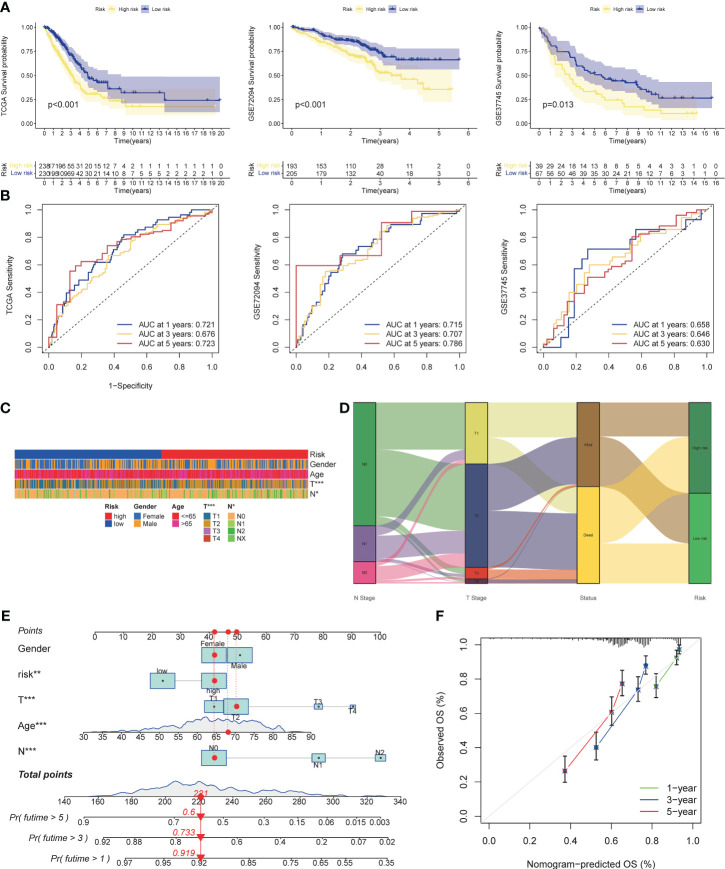
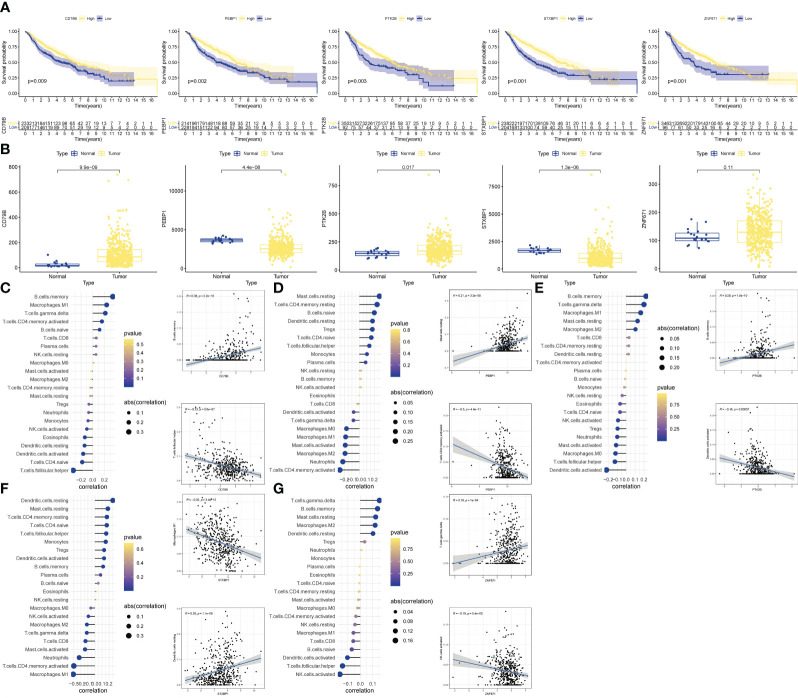
We have identified 5 Oncogenic Driver Genes namely CD79B, PEBP1, PTK2B, STXBP1, and ZNF671, and developed proportional hazards regression models. The results of the study indicate significantly reduced survival rates in both the training and validation sets among the high-risk group. Additionally, the high-risk group displayed lower levels of immune cell infiltration and expression of immune checkpoint compared to the low-risk group.
铜死亡是一种新型的程序性细胞死亡方式,与细胞焦亡、铁死亡和自噬等其他类型不同。它是癌症治疗的一个有前途的新靶点。此外,免疫相关基因在癌症进展和患者预后中起着至关重要的作用。因此,我们的研究旨在基于铜死亡和免疫相关基因为肺腺癌患者创建一个生存预测模型。该模型可用于增强患者的个性化治疗。
从癌症基因组图谱(TCGA)和基因表达综合数据库(GEO)中收集了肺腺癌(LUAD)患者的 RNA 测序(RNA-seq)数据。使用基因集变异分析(GSVA)确定 GSE68465 队列中免疫细胞浸润的水平,并使用加权基因共表达网络分析(WGCNA)确定免疫相关基因(IRGs)。此外,使用无监督聚类确定铜死亡相关基因(CRGs)。进行单因素 COX 回归分析和最小绝对收缩选择算子(LASSO)回归分析,以开发用于铜死亡和免疫相关基因(CIRGs)的风险预后模型,然后对其进行验证。利用各种算法探讨风险评分与免疫浸润水平的关系,并根据单细胞测序分析模型基因。最后,通过定量实时 PCR(qRT-PCR)、免疫组织化学(IHC)和 Western blot(WB)验证了特征基因的表达。
我们已经确定了 5 个致癌驱动基因,即 CD79B、PEBP1、PTK2B、STXBP1 和 ZNF671,并开发了比例风险回归模型。研究结果表明,在训练集和验证集中,高危组的生存率均显著降低。此外,与低危组相比,高危组的免疫细胞浸润水平和免疫检查点表达水平较低。