Mahapatra Chinmaya, Moharana Akshaya Kumar, Leung Victor C M
Department of Electrical and Computer Engineering, The University of British Columbia (UBC), 2332 Main Mall, Vancouver, BC V6T 1Z4, Canada.
Power Systems Studies, Powertech Labs Inc., Surrey, BC V3W 7R7, Canada.
Sensors (Basel). 2017 Dec 5;17(12):2812. doi: 10.3390/s17122812.
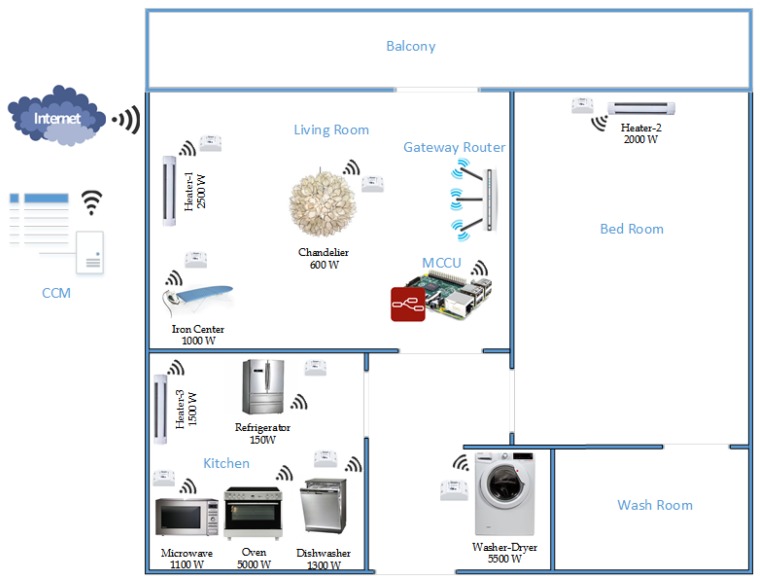
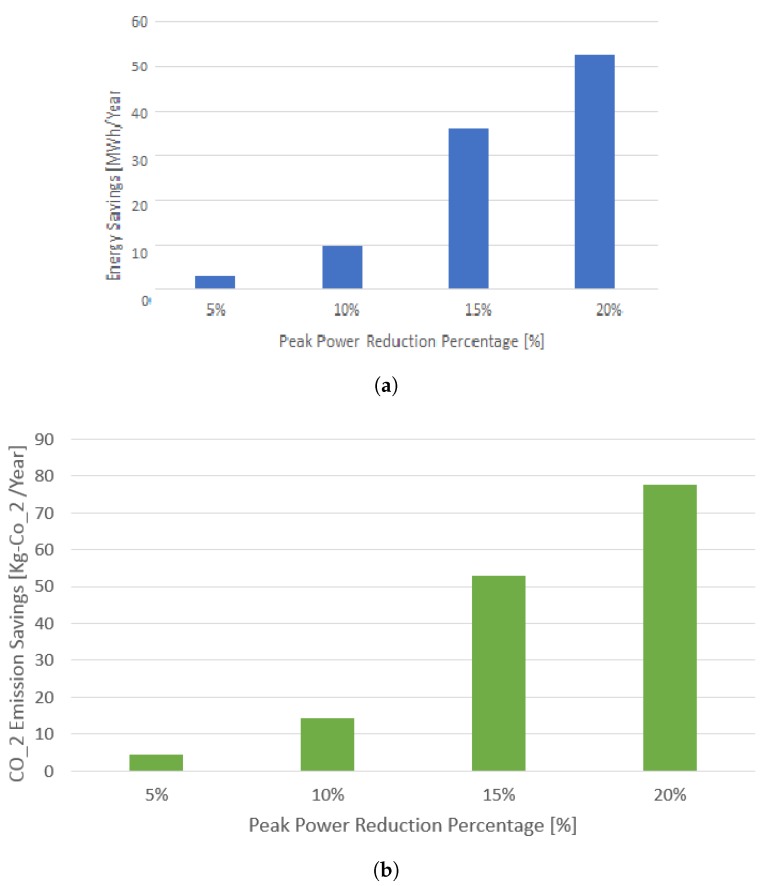
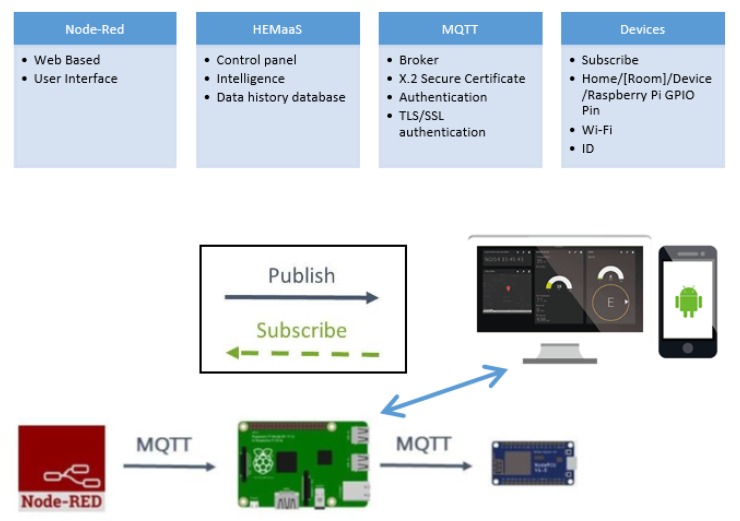
Around the globe, innovation with integrating information and communication technologies (ICT) with physical infrastructure is a top priority for governments in pursuing smart, green living to improve energy efficiency, protect the environment, improve the quality of life, and bolster economy competitiveness. Cities today faces multifarious challenges, among which energy efficiency of homes and residential dwellings is a key requirement. Achieving it successfully with the help of intelligent sensors and contextual systems would help build smart cities of the future. In a Smart home environment Home Energy Management plays a critical role in finding a suitable and reliable solution to curtail the peak demand and achieve energy conservation. In this paper, a new method named as Home Energy Management as a Service (HEMaaS) is proposed which is based on neural network based -learning algorithm. Although several attempts have been made in the past to address similar problems, the models developed do not cater to maximize the user convenience and robustness of the system. In this paper, authors have proposed an advanced Neural Fitted -learning method which is self-learning and adaptive. The proposed method provides an agile, flexible and energy efficient decision making system for home energy management. A typical Canadian residential dwelling model has been used in this paper to test the proposed method. Based on analysis, it was found that the proposed method offers a fast and viable solution to reduce the demand and conserve energy during peak period. It also helps reducing the carbon footprint of residential dwellings. Once adopted, city blocks with significant residential dwellings can significantly reduce the total energy consumption by reducing or shifting their energy demand during peak period. This would definitely help local power distribution companies to optimize their resources and keep the tariff low due to curtailment of peak demand.
在全球范围内,将信息通信技术(ICT)与物理基础设施相结合的创新是各国政府追求智能、绿色生活以提高能源效率、保护环境、改善生活质量和增强经济竞争力的首要任务。当今城市面临着各种各样的挑战,其中家庭和住宅的能源效率是一项关键要求。借助智能传感器和情境系统成功实现这一目标将有助于建设未来的智慧城市。在智能家居环境中,家庭能源管理在找到合适且可靠的解决方案以减少峰值需求并实现节能方面起着关键作用。本文提出了一种名为家庭能源管理即服务(HEMaaS)的新方法,该方法基于神经网络学习算法。尽管过去已经进行了几次尝试来解决类似问题,但所开发的模型并未满足最大化用户便利性和系统稳健性的需求。在本文中,作者提出了一种先进的神经拟合学习方法,该方法具有自学习和自适应能力。所提出的方法为家庭能源管理提供了一个敏捷、灵活且节能的决策系统。本文使用了一个典型的加拿大住宅模型来测试所提出的方法。基于分析发现,所提出的方法为在高峰期减少需求和节约能源提供了一种快速且可行的解决方案。它还有助于减少住宅的碳足迹。一旦采用,拥有大量住宅的城市街区可以通过在高峰期减少或转移能源需求来显著降低总能源消耗。这肯定有助于当地配电公司优化其资源,并由于峰值需求的减少而保持低电价。