Department of Integrative Physiology, Nagoya University Graduate School of Medicine, Nagoya, 466-8550, Japan.
PRESTO, Japan Science and Technology Agency, Kawaguchi, Saitama, 332-0012, Japan.
Pflugers Arch. 2018 May;470(5):823-837. doi: 10.1007/s00424-017-2090-z. Epub 2017 Dec 5.
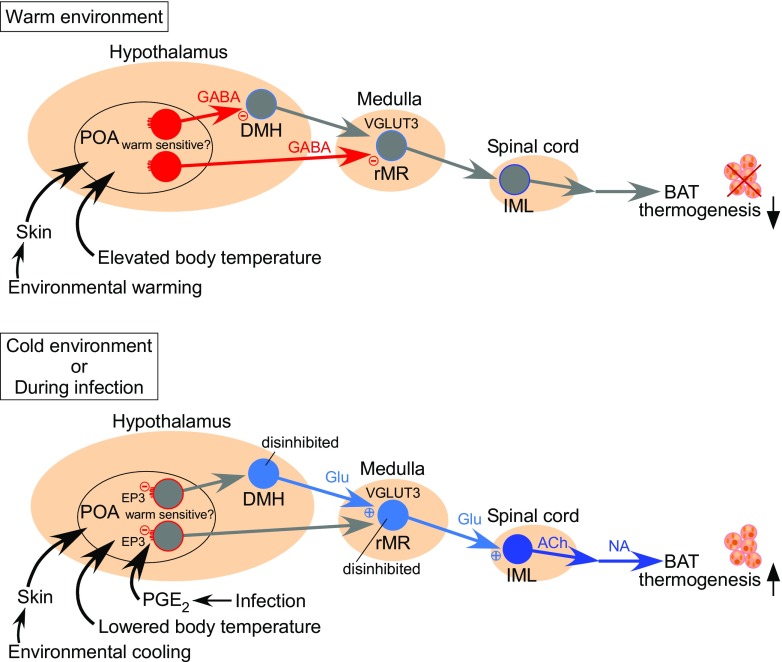
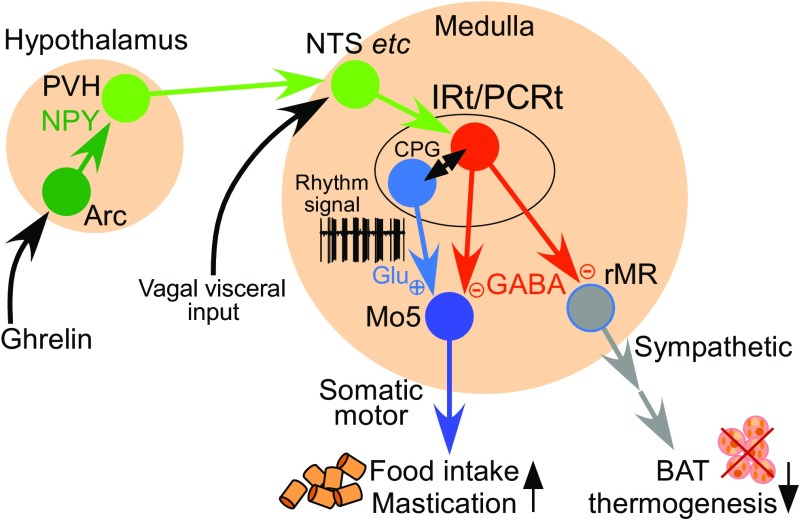
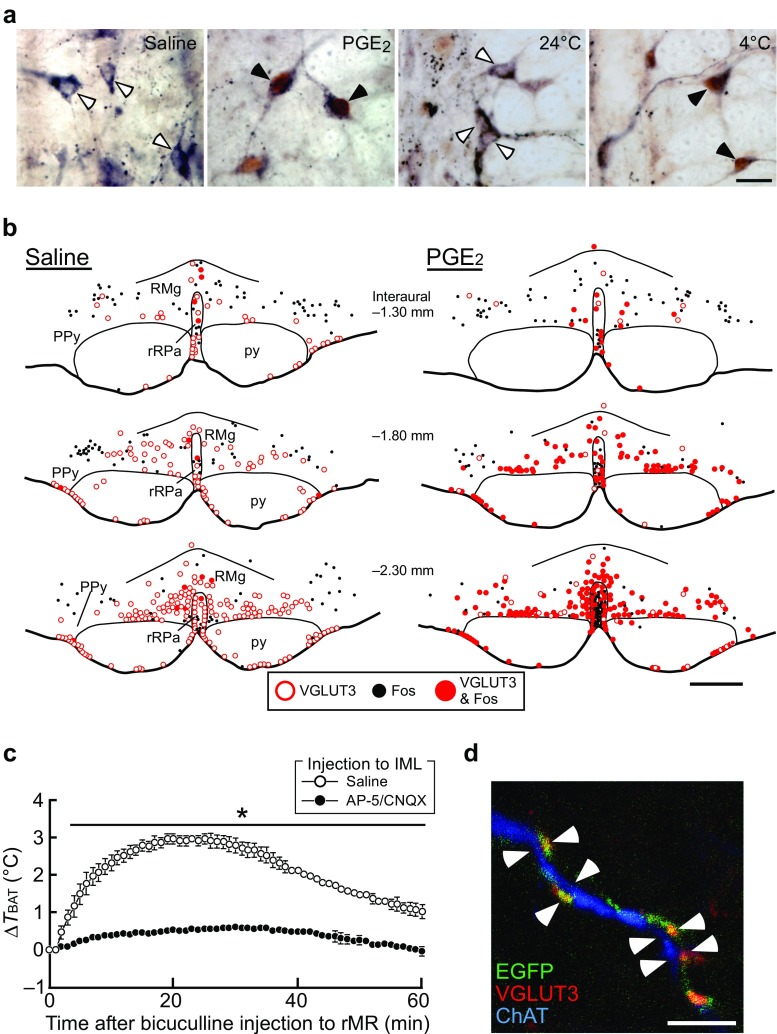
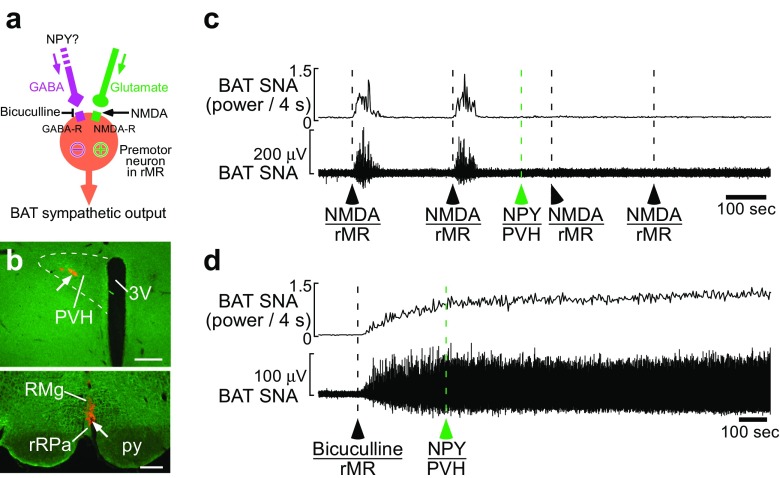
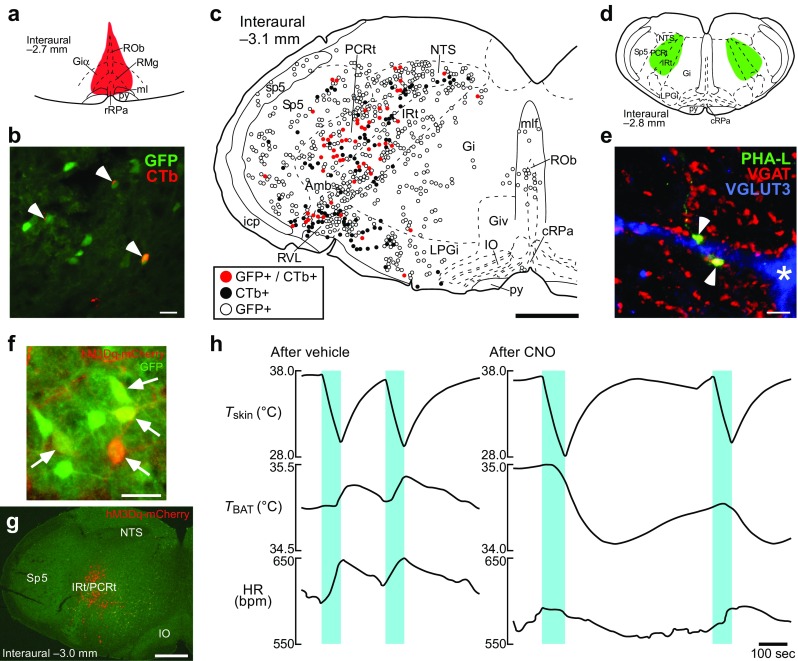
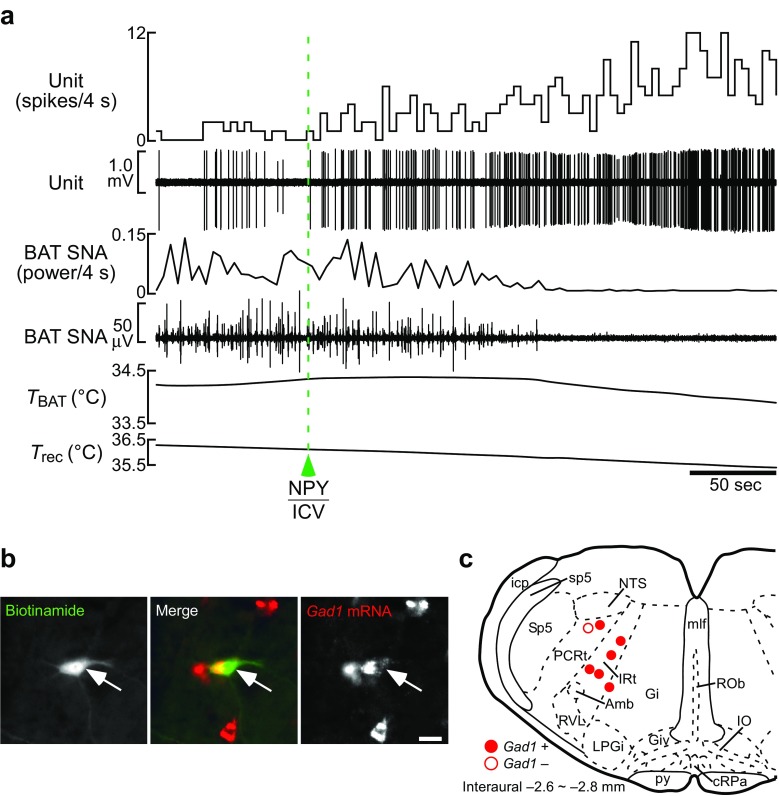
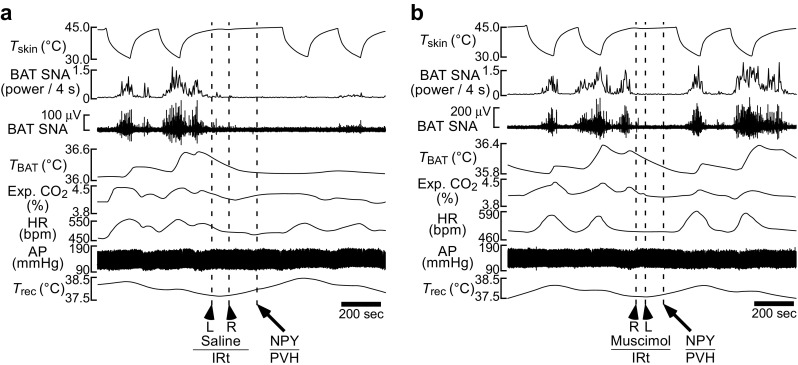
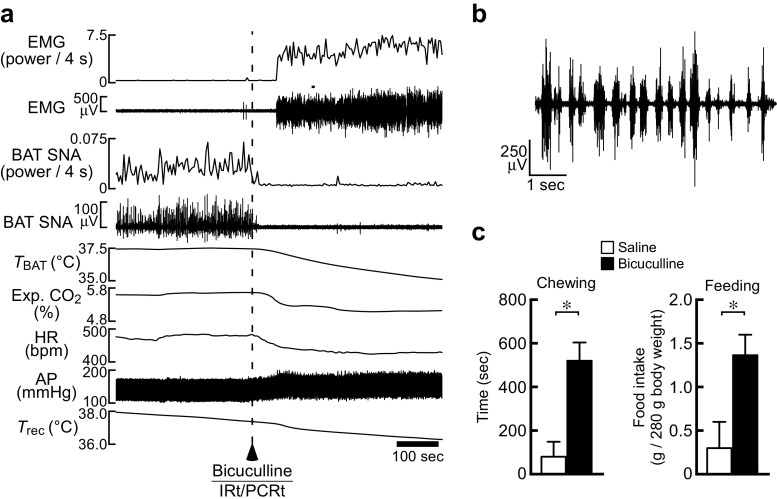
Energy homeostasis of mammals is maintained by balancing energy expenditure within the body and energy intake through feeding. Several lines of evidence indicate that brown adipose tissue (BAT), a sympathetically activated thermogenic organ, turns excess energy into heat to maintain the energy balance in rodents and humans, in addition to its thermoregulatory role for the defense of body core temperature in cold environments. Elucidating the central circuit mechanism controlling BAT thermogenesis dependent on nutritional conditions and food availability in relation to energy homeostasis is essential to understand the etiology of symptoms caused by energy imbalance, such as obesity. The central thermogenic command outflow to BAT descends through an excitatory neural pathway mediated by hypothalamic, medullary and spinal sites. This sympathoexcitatory thermogenic drive is controlled by tonic GABAergic inhibitory signaling from the thermoregulatory center in the preoptic area, whose tone is altered by body core and cutaneous thermosensory inputs. This circuit controlling BAT thermogenesis for cold defense also functions for the development of fever and psychological stress-induced hyperthermia, indicating its important role in the defense from a variety of environmental stressors. When food is unavailable, hunger-driven neural signaling from the hypothalamus activates GABAergic neurons in the medullary reticular formation, which then block the sympathoexcitatory thermogenic outflow to BAT to reduce energy expenditure and simultaneously command the masticatory motor system to promote food intake-effectively commanding responses to survive starvation. This article reviews the central mechanism controlling BAT thermogenesis in relation to the regulation of energy and thermal homeostasis dependent on food availability.
哺乳动物的能量平衡是通过平衡体内能量消耗和通过进食摄入的能量来维持的。有几条证据表明,棕色脂肪组织(BAT)是一种交感神经激活的产热器官,除了在寒冷环境中为保护身体核心温度而发挥的体温调节作用外,还将多余的能量转化为热量,以维持能量平衡。阐明控制 BAT 产热的中枢回路机制,对于了解与能量平衡有关的营养条件和食物可及性相关的能量失衡症状(如肥胖)的病因至关重要。中枢产热命令通过下丘脑、延髓和脊髓部位介导的兴奋性神经通路传递到 BAT。这种交感神经兴奋的产热驱动力受到来自视前区体温调节中心的持续 GABA 能抑制信号的控制,其音调受身体核心和皮肤热敏感觉输入的改变。控制 BAT 产热以进行冷防御的这种回路也可用于发热和心理应激引起的体温升高,表明其在抵御各种环境应激源方面的重要作用。当食物不可用时,来自下丘脑的饥饿驱动神经信号会激活延髓网状结构中的 GABA 能神经元,从而阻断对 BAT 的交感神经兴奋产热流出,以减少能量消耗,同时命令咀嚼运动系统促进食物摄入,有效地指挥应对饥饿的反应。本文综述了与能量和热平衡调节有关的控制 BAT 产热的中枢机制,这些调节取决于食物的可及性。