College of Biomedical Engineering, Hefei University of Technology, Hefei, China; Research Institute of Obstetrics and Gynecology, Tianjin Central Hospital of Obstetrics and Gynecology, Tianjin, China.
College of Biomedical Engineering, Hefei University of Technology, Hefei, China.
Biochim Biophys Acta Mol Cell Biol Lipids. 2018 Feb;1863(2):177-190. doi: 10.1016/j.bbalip.2017.12.002. Epub 2017 Dec 5.
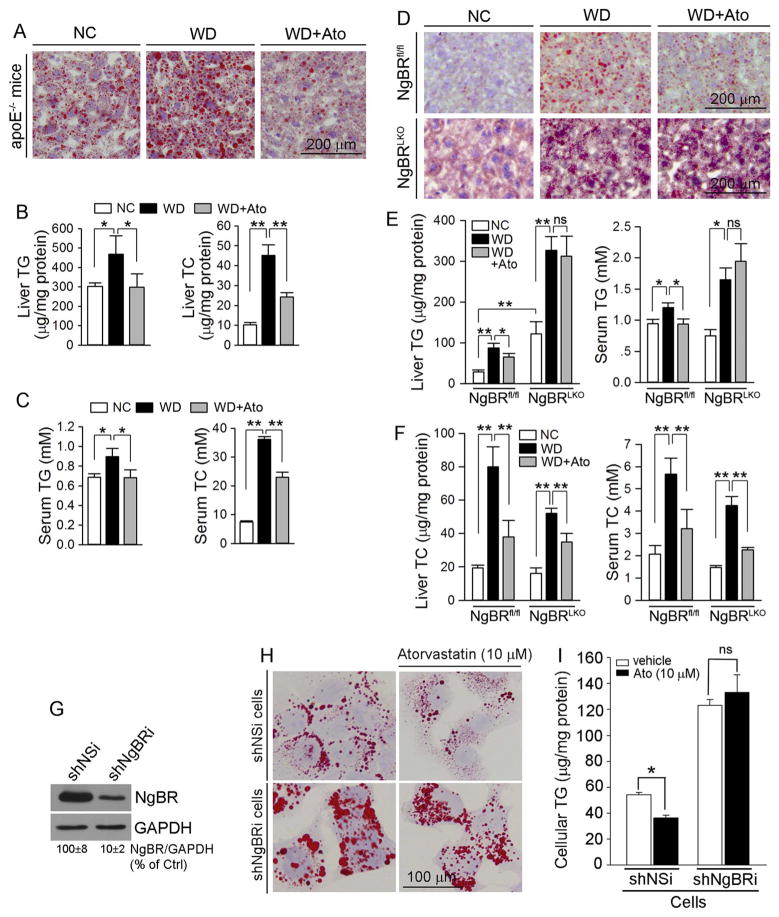
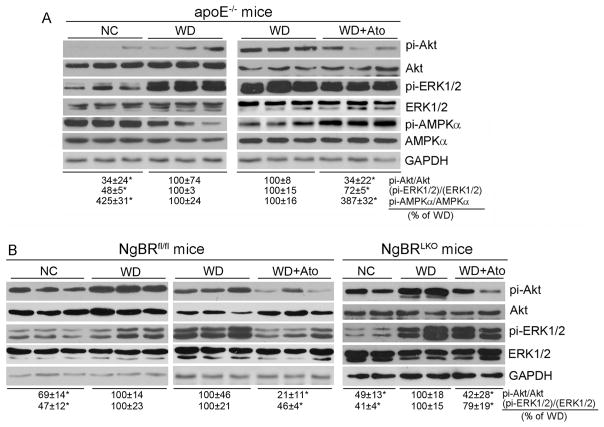
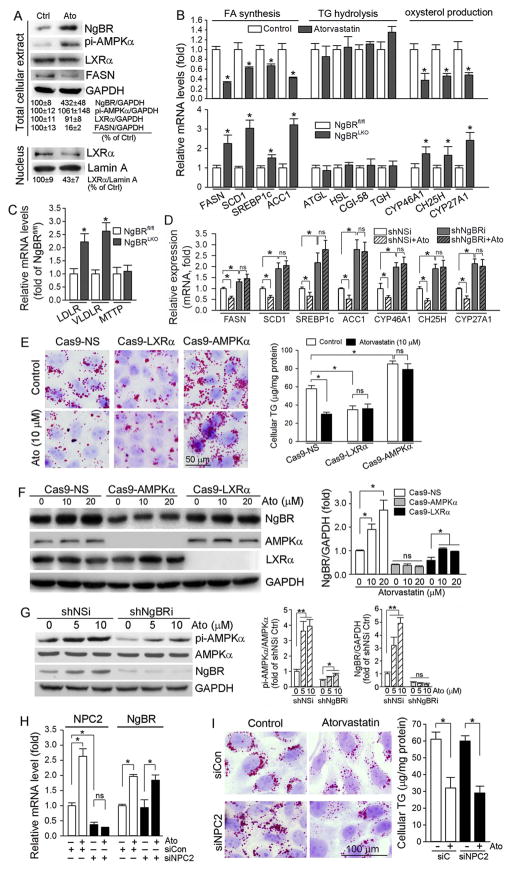
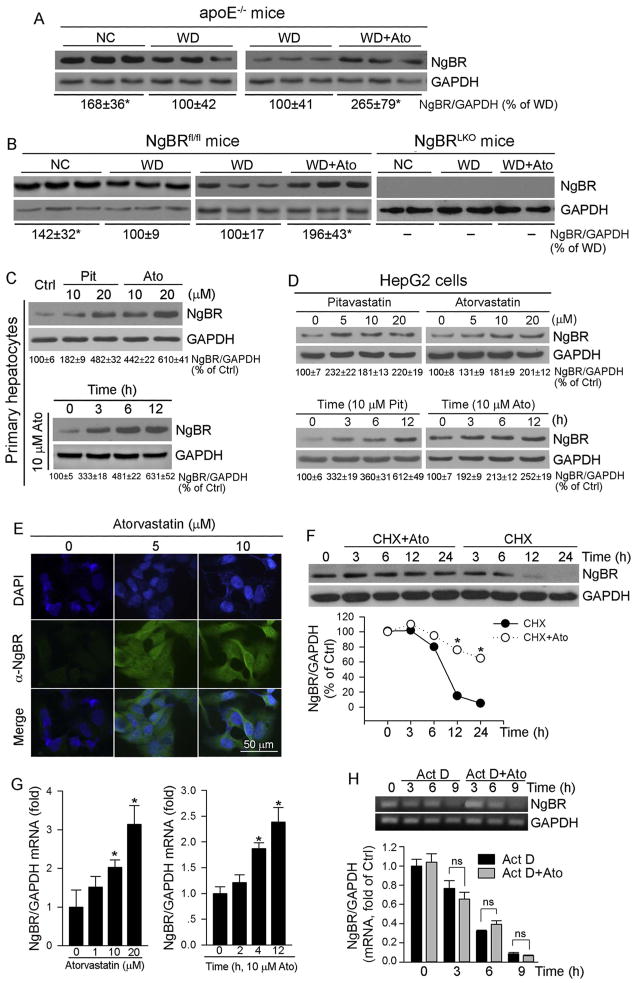
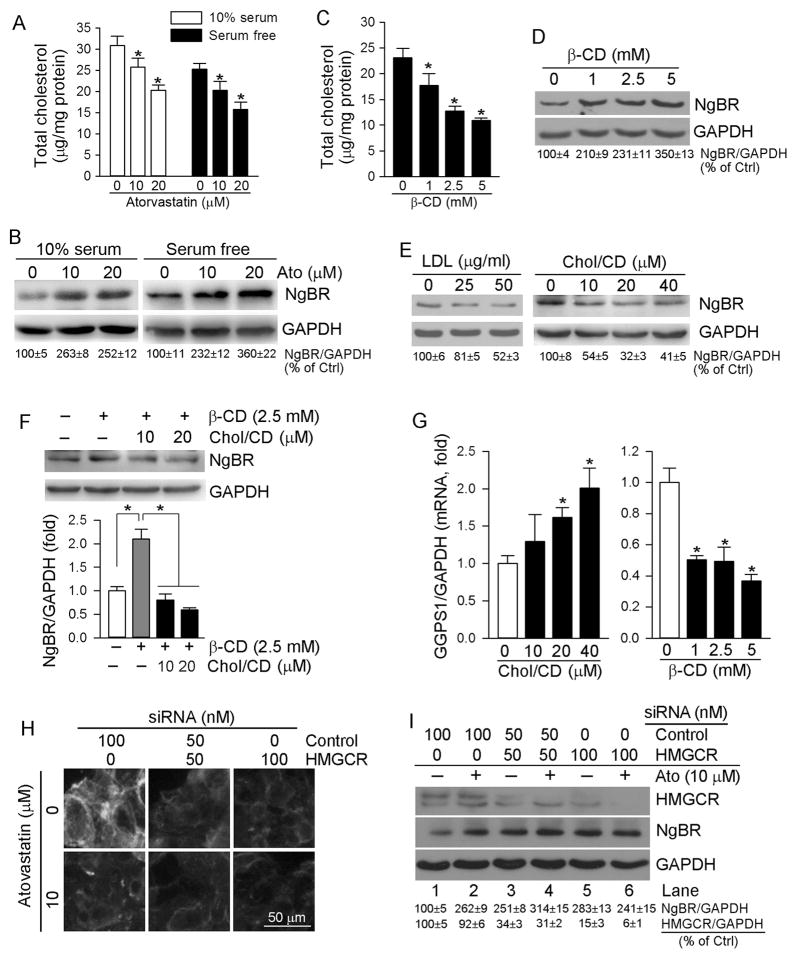
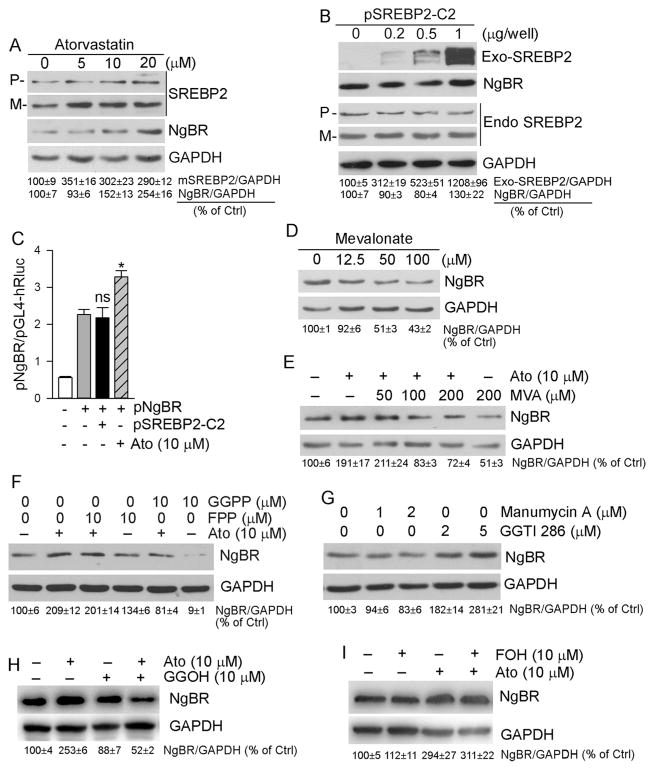
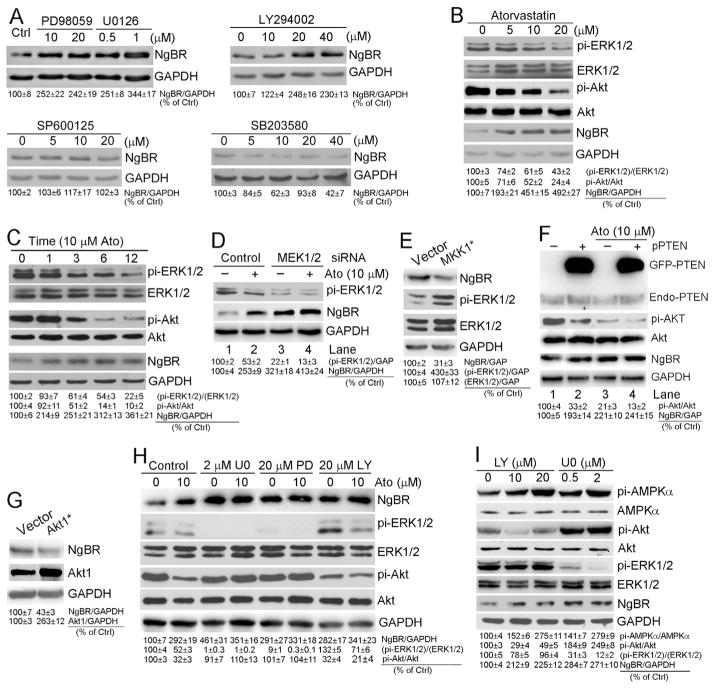
Deficiency of hepatic Nogo-B receptor (NgBR) expression activates liver X receptor α (LXRα) in an adenosine monophosphate-activated protein kinase α (AMPKα)-dependent manner, thereby inducing severe hepatic lipid accumulation and hypertriglyceridemia. Statins have been demonstrated non-cholesterol lowering effects including anti-nonalcoholic fatty liver disease (NAFLD). Herein, we investigated if the anti-NAFLD function of statins depends on activation of NgBR expression. In vivo, atorvastatin protected apoE deficient or NgBR floxed, but not hepatic NgBR deficient mice, against Western diet (WD)-increased triglyceride levels in liver and serum. In vitro, statins reduced lipid accumulation in nonsilencing small hairpin RNA-transfected (shNSi), but not in NgBR small hairpin RNA-transfected (shNgBRi) HepG2 cells. Inhibition of cellular lipid accumulation by atorvastatin is related to activation of AMPKα, and inactivation of LXRα and lipogenic genes. Statin also inhibited expression of oxysterol producing enzymes. Associated with changes of hepatic lipid levels by WD or atorvastatin, NgBR expression was inversely regulated. At cellular levels, statins increased NgBR mRNA and protein expression, and NgBR protein stability. In contrast to reduced cellular cholesterol levels by statin or β-cyclodextrin, increased cellular cholesterol levels decreased NgBR expression suggesting cholesterol or its synthesis intermediates inhibit NgBR expression. Indeed, mevalonate, geranylgeraniol or geranylgeranyl pyrophosphate, but not farnesyl pyrophosphate or farnesol, blocked atorvastatin-induced NgBR expression. Furthermore, we determined that induction of hepatic NgBR expression by atorvastatin mainly depended on inactivation of extracellular signal-regulated kinases 1/2 (ERK1/2) and protein kinase B (Akt). Taken together, our study demonstrates that statins inhibit NAFLD mainly through activation of NgBR expression.
肝 Nogo-B 受体(NgBR)表达缺失通过腺苷一磷酸激活的蛋白激酶 α(AMPKα)依赖性方式激活肝 X 受体 α(LXRα),从而导致严重的肝脂质积累和高甘油三酯血症。他汀类药物已被证明具有非降胆固醇作用,包括抗非酒精性脂肪性肝病(NAFLD)。在此,我们研究了他汀类药物的抗 NAFLD 功能是否依赖于 NgBR 表达的激活。在体内,阿托伐他汀可保护载脂蛋白 E 缺陷型或 NgBR floxed 型但不保护肝 NgBR 缺陷型小鼠免受西方饮食(WD)引起的肝和血清甘油三酯水平升高。在体外,他汀类药物可减少非沉默短发夹 RNA 转染(shNSi)但不减少 NgBR 短发夹 RNA 转染(shNgBRi)HepG2 细胞中的脂质积累。阿托伐他汀抑制细胞脂质积累与激活 AMPKα以及失活 LXRα和生脂基因有关。他汀类药物还抑制了氧化固醇产生酶的表达。与 WD 或阿托伐他汀引起的肝脂质水平变化相关,NgBR 表达呈负调控。在细胞水平上,他汀类药物增加了 NgBR mRNA 和蛋白表达以及 NgBR 蛋白稳定性。与他汀类药物或β-环糊精降低细胞胆固醇水平相反,增加细胞胆固醇水平会降低 NgBR 表达,表明胆固醇或其合成中间产物抑制 NgBR 表达。事实上,甲羟戊酸、香叶基香叶醇或香叶基焦磷酸,但不是法呢基焦磷酸或法呢醇,可阻断阿托伐他汀诱导的 NgBR 表达。此外,我们确定阿托伐他汀诱导肝 NgBR 表达主要依赖于细胞外信号调节激酶 1/2(ERK1/2)和蛋白激酶 B(Akt)的失活。总之,我们的研究表明,他汀类药物主要通过激活 NgBR 表达来抑制 NAFLD。