Yan Qiang, Zhao Yue
Département de Chimie , Université de Sherbrooke , Sherbrooke , Québec , Canada J1K 2R1 . Email:
Chem Sci. 2015 Jul 1;6(7):4343-4349. doi: 10.1039/c5sc00965k. Epub 2015 May 7.
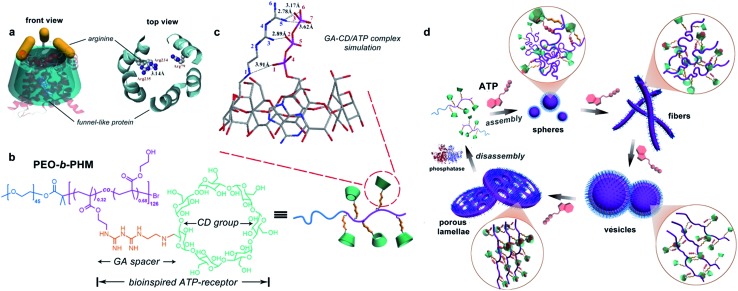
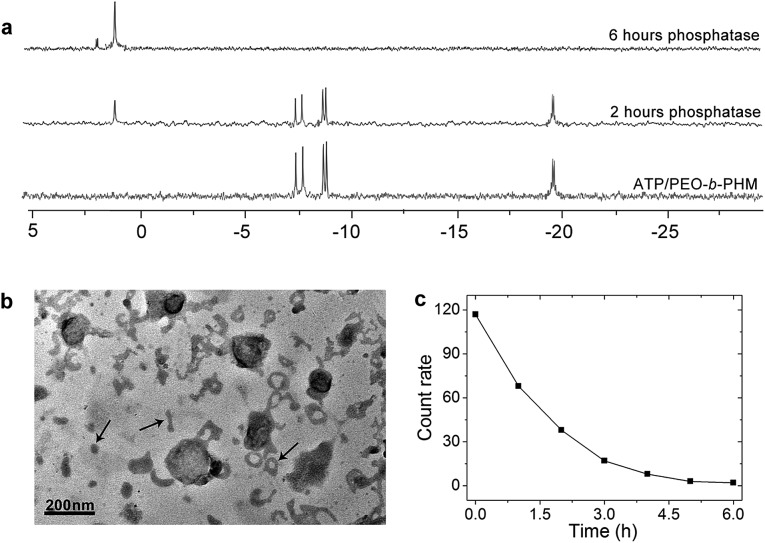
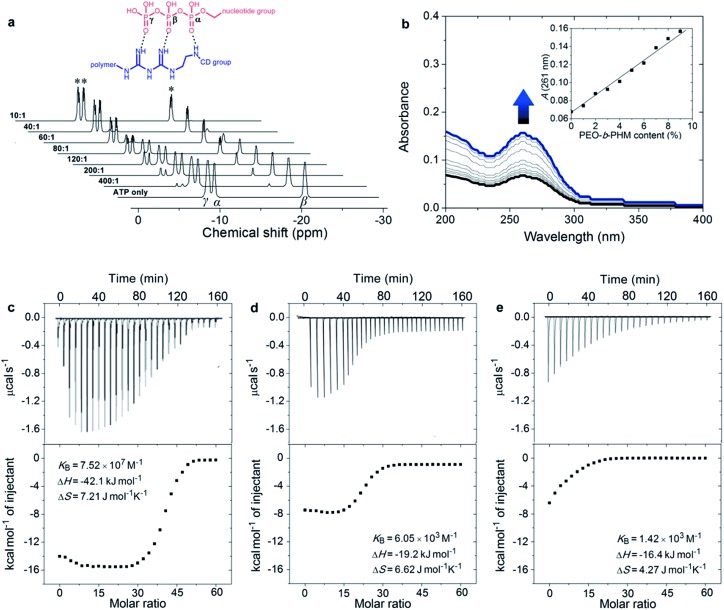
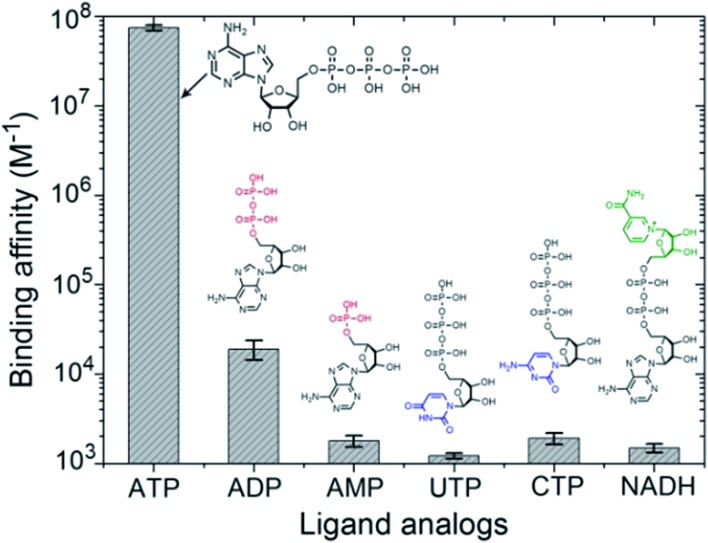
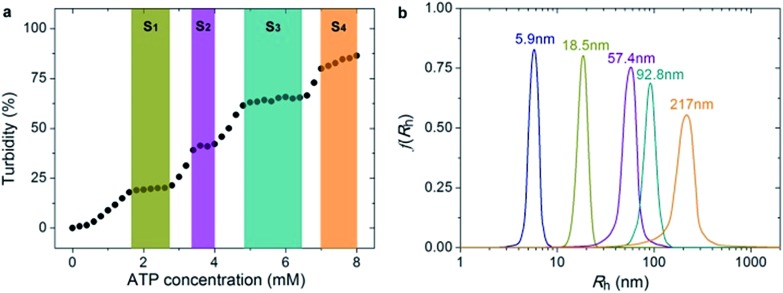
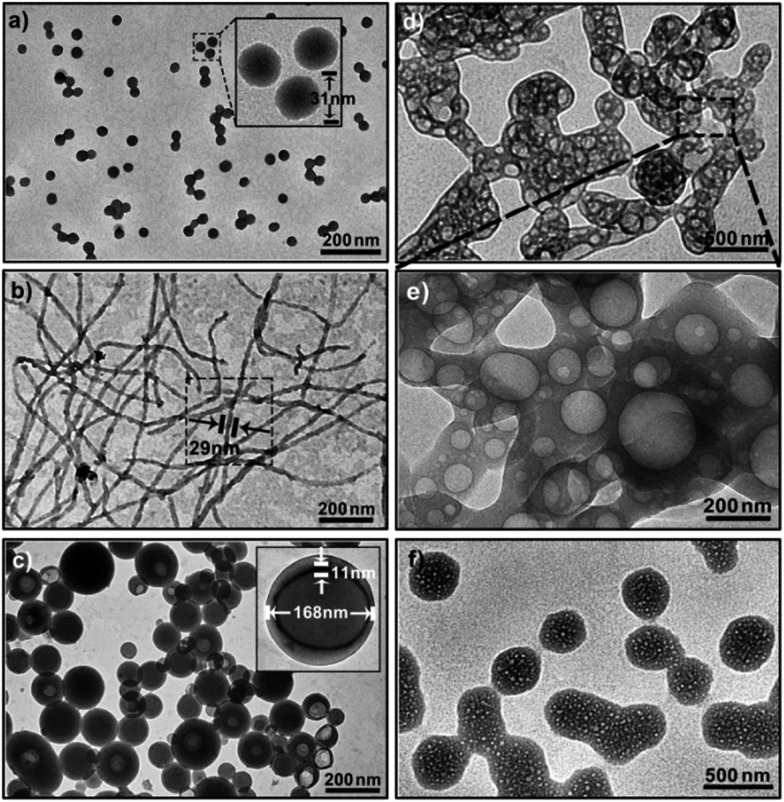
Designing synthetic polymer assemblies that can sense a biological signal to mimic cell activities is elusive. We develop a class of block copolymer containing bioinspired host units as supramolecular catchers for the highly-selective capture of adenosine-5'-triphosphate (ATP). Driven by ATP, these block copolymers undergo a stepwise self-assembly and exhibit cascading deformation into highly-ordered nanostructures the specific recognition effect between ATP and the receptor. By modulating the ATP concentration, one can precisely control the biomimetic evolution of these assemblies in diverse dimensionalities and geometries, like certain organellar deformations. Moreover, the ATP/polymer hybrid aggregates can be reversibly disassembled in response to phosphatase. The special ability of the artificial assemblies to sense intracellular bioactivators can offer new insight into bio-responsive nanomaterials for cellular applications.
设计出能够感知生物信号以模拟细胞活动的合成聚合物组件并非易事。我们开发了一类含有受生物启发的主体单元的嵌段共聚物,作为用于高选择性捕获腺苷 - 5'-三磷酸(ATP)的超分子捕集器。在ATP的驱动下,这些嵌段共聚物经历逐步自组装,并表现出级联变形,形成高度有序的纳米结构——这是ATP与受体之间的特异性识别效应。通过调节ATP浓度,可以精确控制这些组件在不同维度和几何形状中的仿生演化,类似于某些细胞器的变形。此外,ATP/聚合物混合聚集体可以响应磷酸酶而可逆地分解。这种人工组件感知细胞内生物激活剂的特殊能力可为用于细胞应用的生物响应纳米材料提供新的见解。