Choi Ho Joong, Kim Dong Goo, Kim Soon Il, Wang Hee Jung, Joh Jae Won, Suh Kyung Suk, Kim Seong Hoon
Department of Surgery, Seoul St. Mary's Hospital, College of Medicine, The Catholic University of Korea, Seoul, South Korea.
Department of Transplantation Surgery, Severance Hospital, Yonsei University College of Medicine, Seoul, South Korea.
Ann Transplant. 2017 Dec 12;22:740-748. doi: 10.12659/aot.905898.
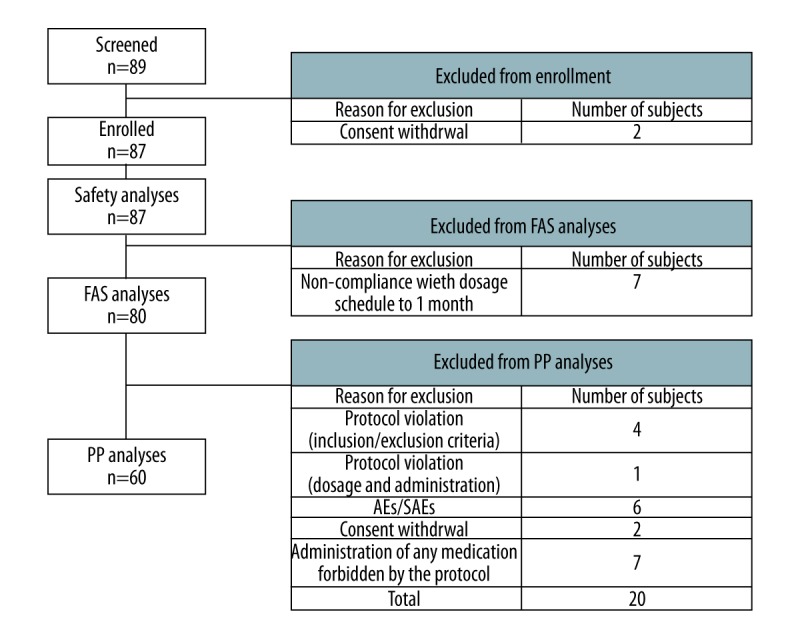
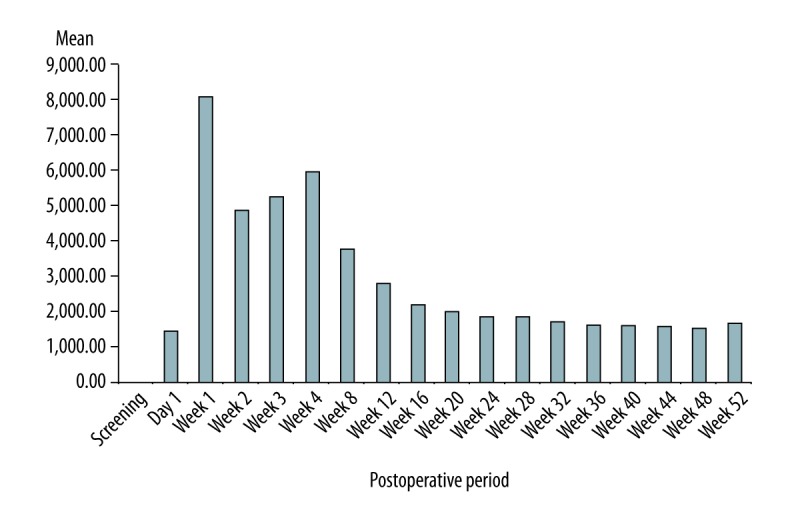
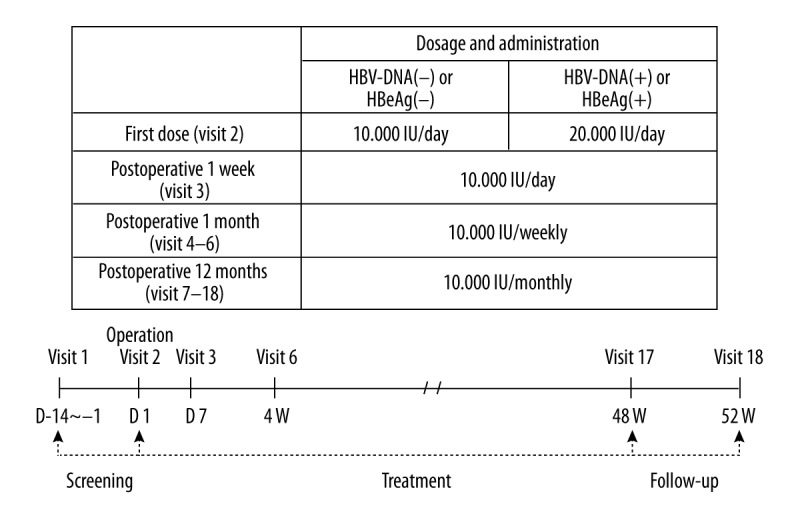
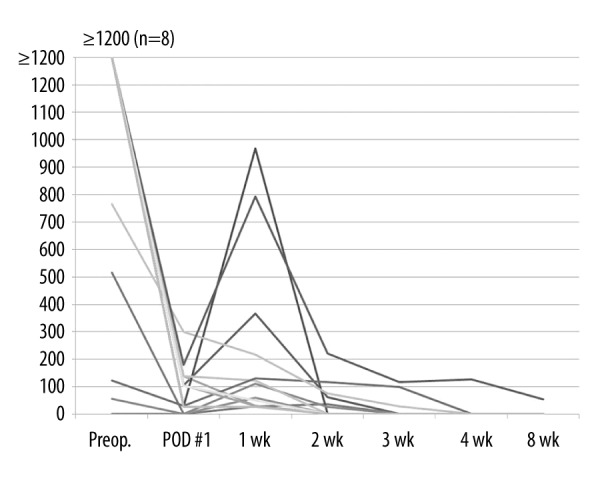
BACKGROUND This study was performed to evaluate the effects and stability of the new hepatitis B immunoglobulin (HBIG), Hepabulin, in patients undergoing liver transplantation for hepatitis B. MATERIAL AND METHODS A total of 87 patients undergoing liver transplantation for hepatitis B-related liver disease were enrolled in this multicenter, phase III, open-label, single-arm study. Seventy (80.5%) of the 87 enrolled patients completed the study during the 52-week study period. Hepabulin (10,000 units) was intravenously injected intraoperatively, daily for 1 week, weekly for 1 month, and then once per month. Hepabulin was used as monotherapy without antiviral agents. Hepatitis B recurrence was defined as conversion from negativity for surface antigen after HBIG administration to positivity. RESULTS There were no cases of hepatitis B recurrence during the 52-week observation period. A total of 876 adverse events (AEs) that occurred during the study period were observed in 83 (95.4%) of 87 patients, and serious AEs were seen in 119 cases in 44 (50.6%) of the 87 patients. None of the AEs showed a relationship with this drug. Hepatitis B surface antigen (HBsAg) and hepatitis B e antigen (HBeAg) rapidly disappeared within 1 week after HBIG administration, but hepatitis B virus (HBV) DNA persisted for up to 8 weeks after surgery, which was related to HBV viral load. Hepatitis B surface antibody (HBsAb) was correlated with HBIG (Hepabulin) dose. CONCLUSIONS The new HBIG, Hepabulin, was shown to be safe and effective in preventing the recurrence of HBV after liver transplantation.
背景 本研究旨在评估新型乙型肝炎免疫球蛋白(HBIG)——肝必复,在乙型肝炎患者肝移植中的疗效及稳定性。材料与方法 本多中心、III期、开放标签、单臂研究共纳入87例因乙型肝炎相关肝病接受肝移植的患者。87例入组患者中有70例(80.5%)在52周的研究期内完成了研究。肝必复(10000单位)在术中静脉注射,术后第1周每日注射,第2周每周注射,之后每月注射1次。肝必复作为单一疗法,未联合抗病毒药物使用。乙型肝炎复发定义为在使用HBIG后表面抗原由阴性转为阳性。结果 在52周的观察期内无乙型肝炎复发病例。研究期间共观察到87例患者中的83例(95.4%)出现876例不良事件(AE),87例患者中的44例(50.6%)出现119例严重不良事件。所有不良事件均与该药物无关。使用HBIG后1周内,乙型肝炎表面抗原(HBsAg)和乙型肝炎e抗原(HBeAg)迅速消失,但术后乙型肝炎病毒(HBV)DNA可持续长达8周,这与HBV病毒载量有关。乙型肝炎表面抗体(HBsAb)与HBIG(肝必复)剂量相关。结论 新型HBIG肝必复在预防肝移植后HBV复发方面安全有效。