Song Lei, Li Xiaoping, Bai Xiao-Xue, Gao Jian, Wang Chun-Yan
Department of Respiratory Medicine, First Hospital of Jilin University, Changchun, Jilin Province, China.
Department of Pediatrics, First Hospital of Jilin University, Changchun, Jilin Province, China.
Neural Regen Res. 2017 Nov;12(11):1870-1876. doi: 10.4103/1673-5374.219049.
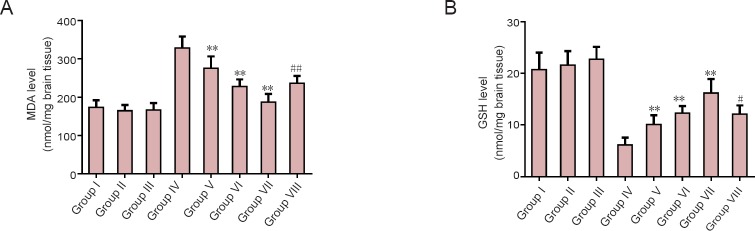
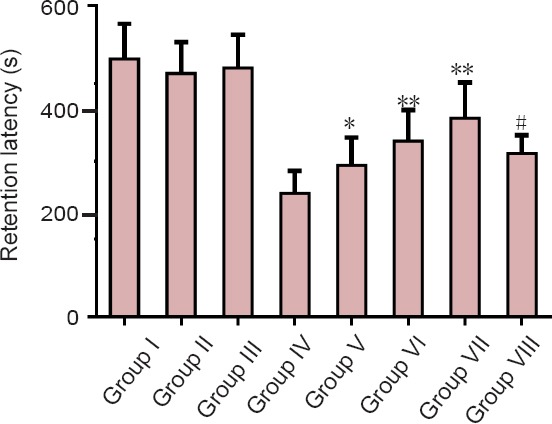
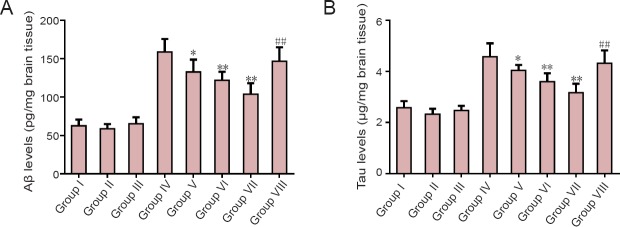
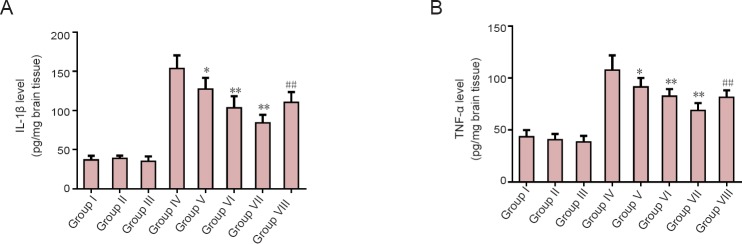
The major pathological changes in Alzheimer's disease are beta amyloid deposits and cognitive impairment. Calycosin is a typical phytoestrogen derived from radix astragali that binds to estrogen receptors to produce estrogen-like effects. Radix astragali Calycosin has been shown to relieve cognitive impairment induced by diabetes mellitus, suggesting calycosin may improve the cognitive function of Alzheimer's disease patients. The protein kinase C pathway is upstream of the mitogen-activated protein kinase pathway and exerts a neuroprotective effect by regulating Alzheimer's disease-related beta amyloid degradation. We hypothesized that calycosin improves the cognitive function of a transgenic mouse model of Alzheimer's disease by activating the protein kinase C pathway. Various doses of calycosin (10, 20 and 40 mg/kg) were intraperitoneally injected into APP/PS1 transgenic mice that model Alzheimer's disease. Calycosin diminished hippocampal beta amyloid, Tau protein, interleukin-1beta, tumor necrosis factor-alpha, acetylcholinesterase and malondialdehyde levels in a dose-dependent manner, and increased acetylcholine and glutathione activities. The administration of a protein kinase C inhibitor, calphostin C, abolished the neuroprotective effects of calycosin including improving cognitive ability, and anti-oxidative and anti-inflammatory effects. Our data demonstrated that calycosin mitigated oxidative stress and inflammatory responses in the hippocampus of Alzheimer's disease model mice by activating the protein kinase C pathway, and thereby improving cognitive function.
阿尔茨海默病的主要病理变化是β淀粉样蛋白沉积和认知障碍。毛蕊异黄酮是一种从黄芪中提取的典型植物雌激素,它与雌激素受体结合以产生类似雌激素的作用。黄芪毛蕊异黄酮已被证明可缓解糖尿病引起的认知障碍,这表明毛蕊异黄酮可能改善阿尔茨海默病患者的认知功能。蛋白激酶C途径位于丝裂原活化蛋白激酶途径的上游,通过调节与阿尔茨海默病相关的β淀粉样蛋白降解发挥神经保护作用。我们假设毛蕊异黄酮通过激活蛋白激酶C途径改善阿尔茨海默病转基因小鼠模型的认知功能。将不同剂量的毛蕊异黄酮(10、20和40mg/kg)腹腔注射到模拟阿尔茨海默病的APP/PS1转基因小鼠体内。毛蕊异黄酮以剂量依赖性方式降低海马体中β淀粉样蛋白、Tau蛋白、白细胞介素-1β、肿瘤坏死因子-α、乙酰胆碱酯酶和丙二醛水平,并增加乙酰胆碱和谷胱甘肽活性。给予蛋白激酶C抑制剂钙泊三醇可消除毛蕊异黄酮的神经保护作用,包括改善认知能力以及抗氧化和抗炎作用。我们的数据表明,毛蕊异黄酮通过激活蛋白激酶C途径减轻阿尔茨海默病模型小鼠海马体中的氧化应激和炎症反应,从而改善认知功能。