Sundaraneedi Madhu K, Tedla Bemnet A, Eichenberger Ramon M, Becker Luke, Pickering Darren, Smout Michael J, Rajan Siji, Wangchuk Phurpa, Keene F Richard, Loukas Alex, Collins J Grant, Pearson Mark S
School of Physical, Environmental and Mathematical Sciences, UNSW Canberra, Canberra, Australian Capital Territory, Australia.
Centre for Biodiscovery and Molecular Development of Therapeutics, Australian Institute of Tropical Health and Medicine, James Cook University, Cairns, Queensland, Australia.
PLoS Negl Trop Dis. 2017 Dec 14;11(12):e0006134. doi: 10.1371/journal.pntd.0006134. eCollection 2017 Dec.
Schistosomiasis affects over 200 million people and there are concerns whether the current chemotherapeutic control strategy (periodic mass drug administration with praziquantel (PZQ)-the only licenced anti-schistosome compound) is sustainable, necessitating the development of new drugs.
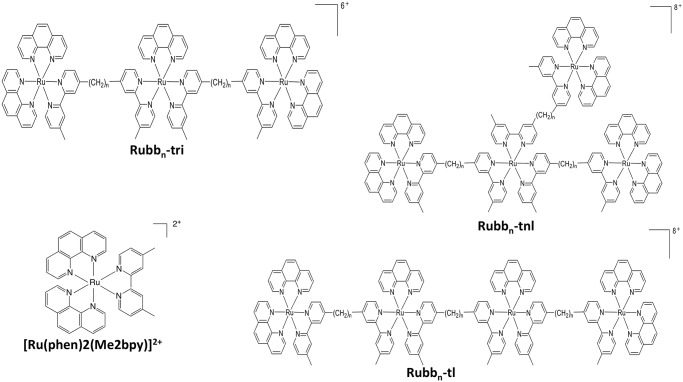
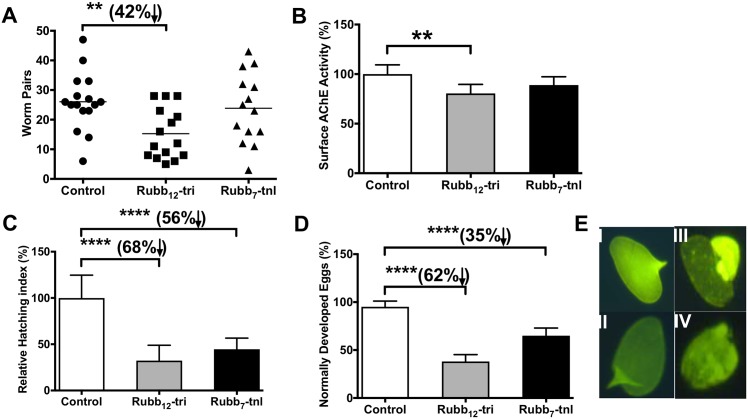
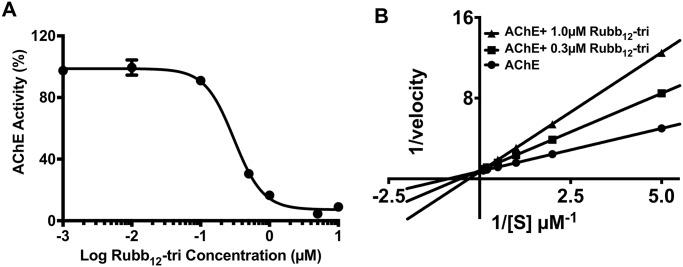
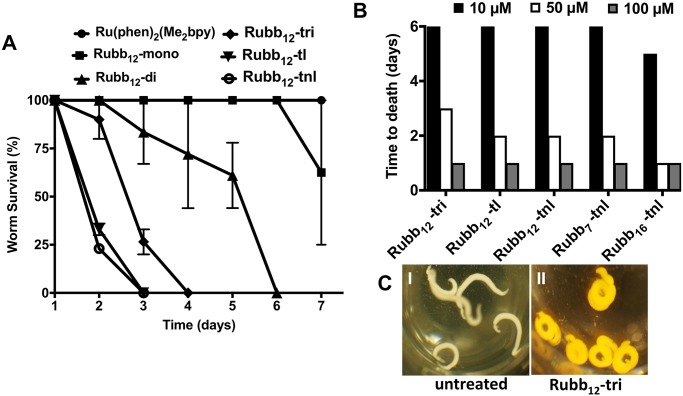
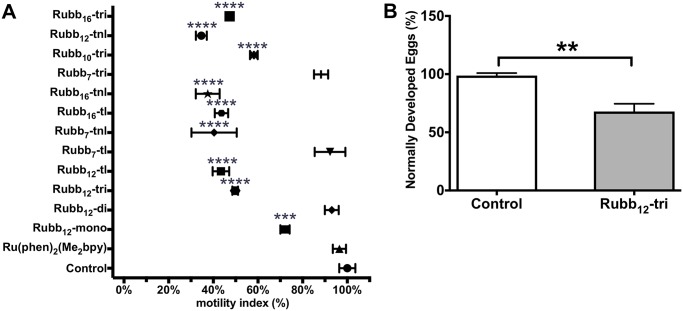
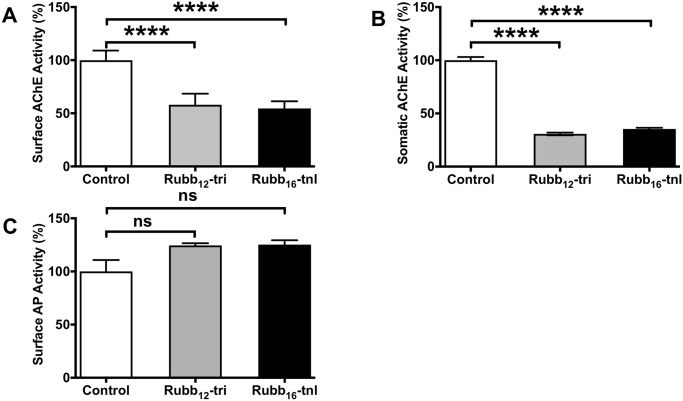
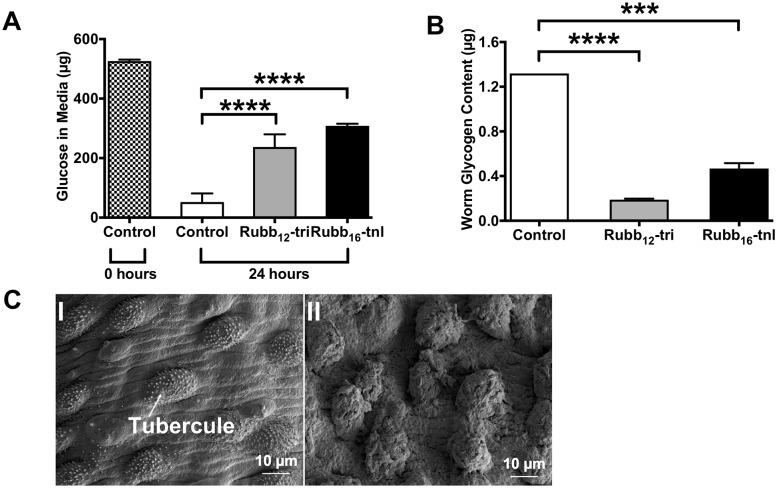
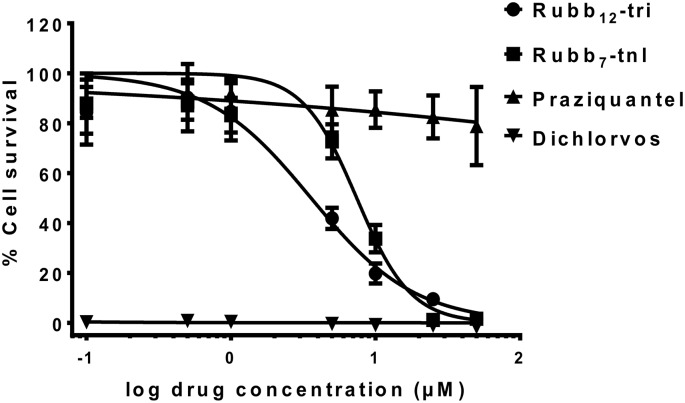
METHODOLOGY/PRINCIPAL FINDINGS: We investigated the anti-schistosome efficacy of polypyridylruthenium(II) complexes and showed they were active against all intra-mammalian stages of S. mansoni. Two compounds, Rubb12-tri and Rubb7-tnl, which were among the most potent in their ability to kill schistosomula and adult worms and inhibit egg hatching in vitro, were assessed for their efficacy in a mouse model of schistosomiasis using 5 consecutive daily i.v. doses of 2 mg/kg (Rubb12-tri) and 10 mg/kg (Rubb7-tnl). Mice treated with Rubb12-tri showed an average 42% reduction (P = 0.009), over two independent trials, in adult worm burden. Liver egg burdens were not significantly decreased in either drug-treated group but ova from both of these groups showed significant decreases in hatching ability (Rubb12-tri-68%, Rubb7-tnl-56%) and were significantly morphologically altered (Rubb12-tri-62% abnormal, Rubb7-tnl-35% abnormal). We hypothesize that the drugs exerted their activity, at least partially, through inhibition of both neuronal and tegumental acetylcholinesterases (AChEs), as worms treated in vitro showed significant decreases in activity of these enzymes. Further, treated parasites exhibited a significantly decreased ability to uptake glucose, significantly depleted glycogen stores and withered tubercules (a site of glycogen storage), implying drug-mediated interference in this nutrient acquisition pathway.
CONCLUSIONS/SIGNIFICANCE: Our data provide compelling evidence that ruthenium complexes are effective against all intra-mammalian stages of schistosomes, including schistosomula (refractory to PZQ) and eggs (agents of disease transmissibility). Further, the results of this study suggest that schistosome AChE is a target of ruthenium drugs, a finding that can inform modification of current compounds to identify analogues which are even more effective and selective against schistosomes.
血吸虫病影响着超过2亿人,人们担心当前的化学治疗控制策略(使用吡喹酮(PZQ)进行定期群体药物给药——唯一获得许可的抗血吸虫化合物)是否可持续,因此需要开发新药。
方法/主要发现:我们研究了多吡啶钌(II)配合物的抗血吸虫功效,结果表明它们对曼氏血吸虫的所有哺乳动物体内阶段均有活性。在体外杀灭血吸虫幼虫和成虫以及抑制虫卵孵化能力方面,两种化合物Rubb12-tri和Rubb7-tnl最为有效,我们使用连续5天每天静脉注射2mg/kg(Rubb12-tri)和10mg/kg(Rubb7-tnl)的剂量,在血吸虫病小鼠模型中评估了它们的疗效。在两项独立试验中,用Rubb12-tri治疗的小鼠成虫负荷平均降低了42%(P = 0.009)。在两个药物治疗组中,肝脏虫卵负荷均未显著降低,但这两组的虫卵孵化能力均显著下降(Rubb12-tri-68%,Rubb7-tnl-56%),且形态上有显著改变(Rubb12-tri-62%异常,Rubb7-tnl-35%异常)。我们推测这些药物至少部分是通过抑制神经元和体表乙酰胆碱酯酶(AChEs)发挥作用的,因为体外处理的虫体这些酶的活性显著降低。此外,经处理的寄生虫摄取葡萄糖的能力显著下降,糖原储备显著耗尽,糖原储存部位(结节)萎缩,这意味着药物介导了对这种营养获取途径的干扰。
结论/意义:我们的数据提供了令人信服的证据,表明钌配合物对血吸虫的所有哺乳动物体内阶段均有效,包括血吸虫幼虫(对PZQ耐药)和虫卵(疾病传播媒介)。此外,本研究结果表明血吸虫AChE是钌类药物的靶点,这一发现可为改进现有化合物以鉴定对血吸虫更有效和更具选择性的类似物提供参考。