Chen Yi-Xuan, Zhu Dao-Yu, Yin Jun-Hui, Yin Wen-Jing, Zhang Yue-Lei, Ding Hao, Yu Xiao-Wei, Mei Jiong, Gao You-Shui, Zhang Chang-Qing
Department of Orthopedic Surgery, Shanghai Jiao Tong University Affiliated Sixth People's Hospital, Shanghai 200233, China.
Institute of Microsurgery on Extremities, Shanghai 200233, China.
Oncotarget. 2017 Jul 11;8(59):100691-100707. doi: 10.18632/oncotarget.19160. eCollection 2017 Nov 21.
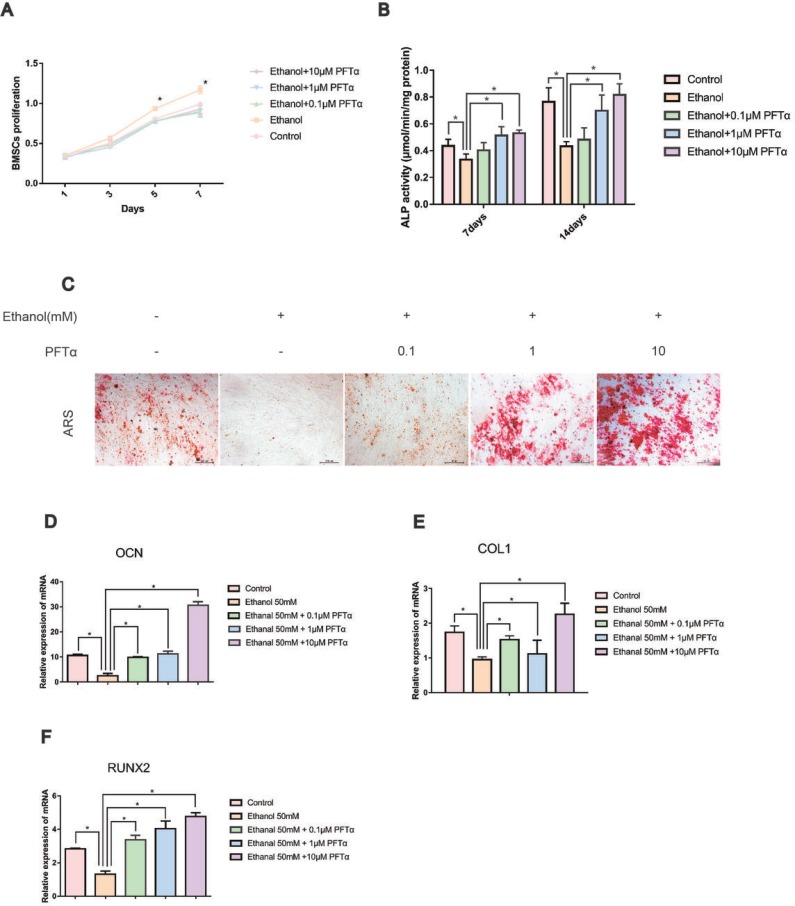
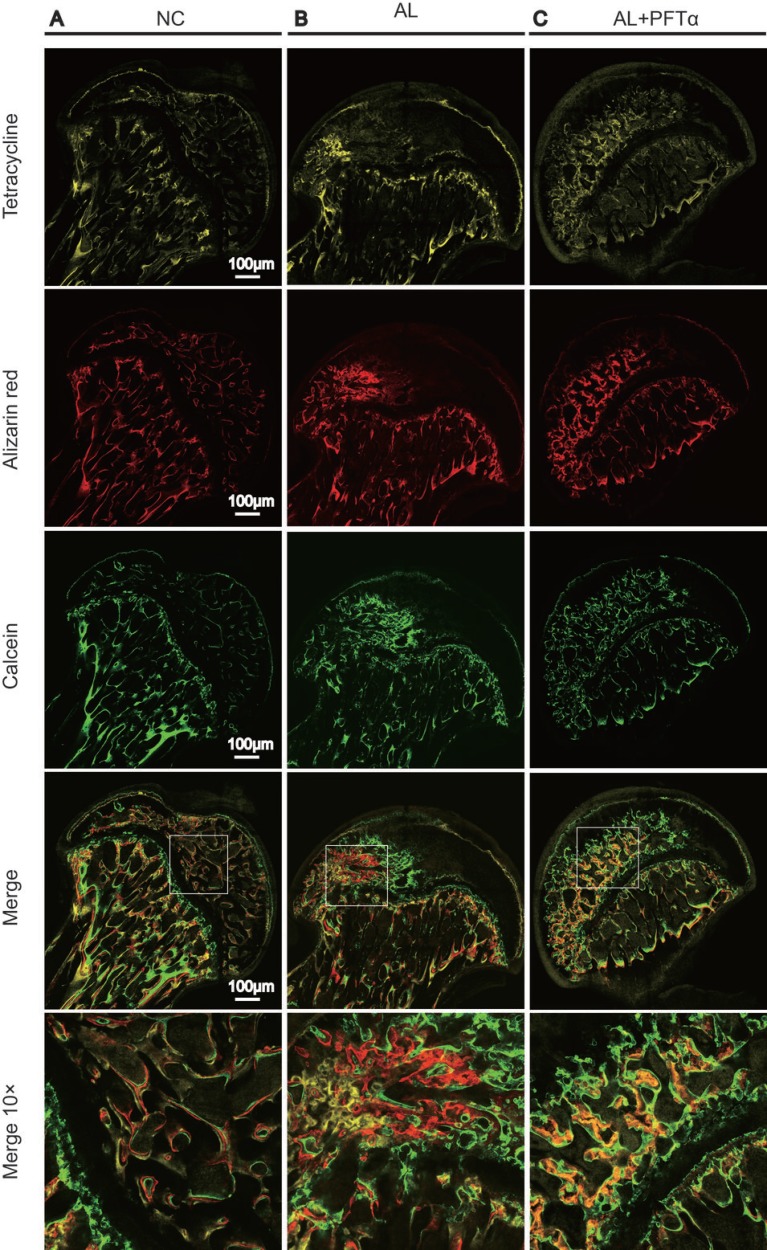
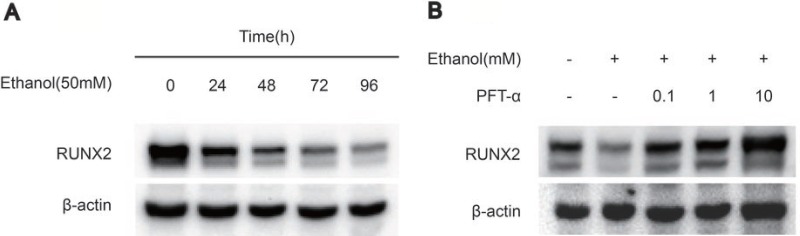
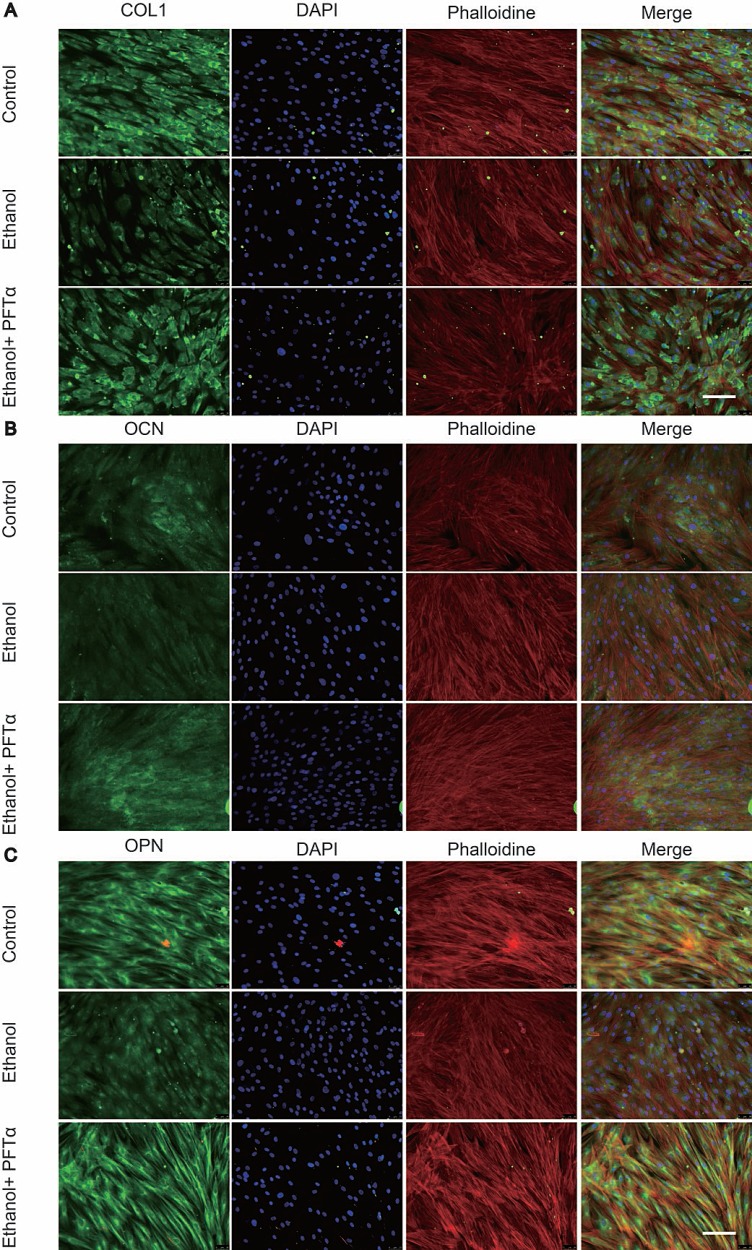
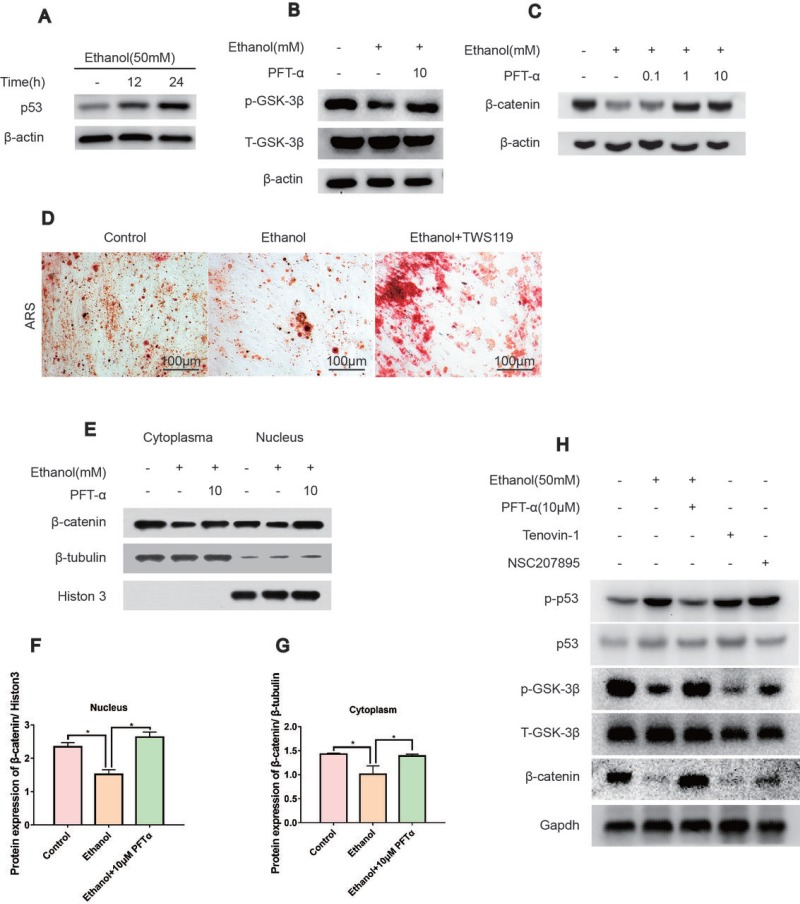
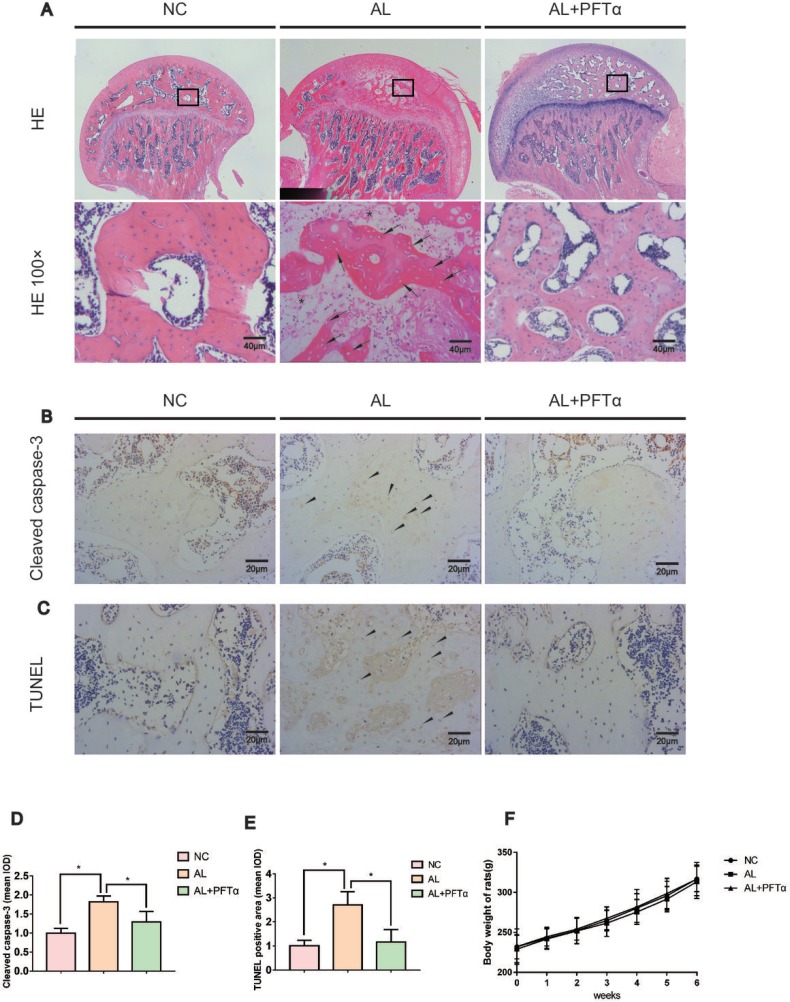
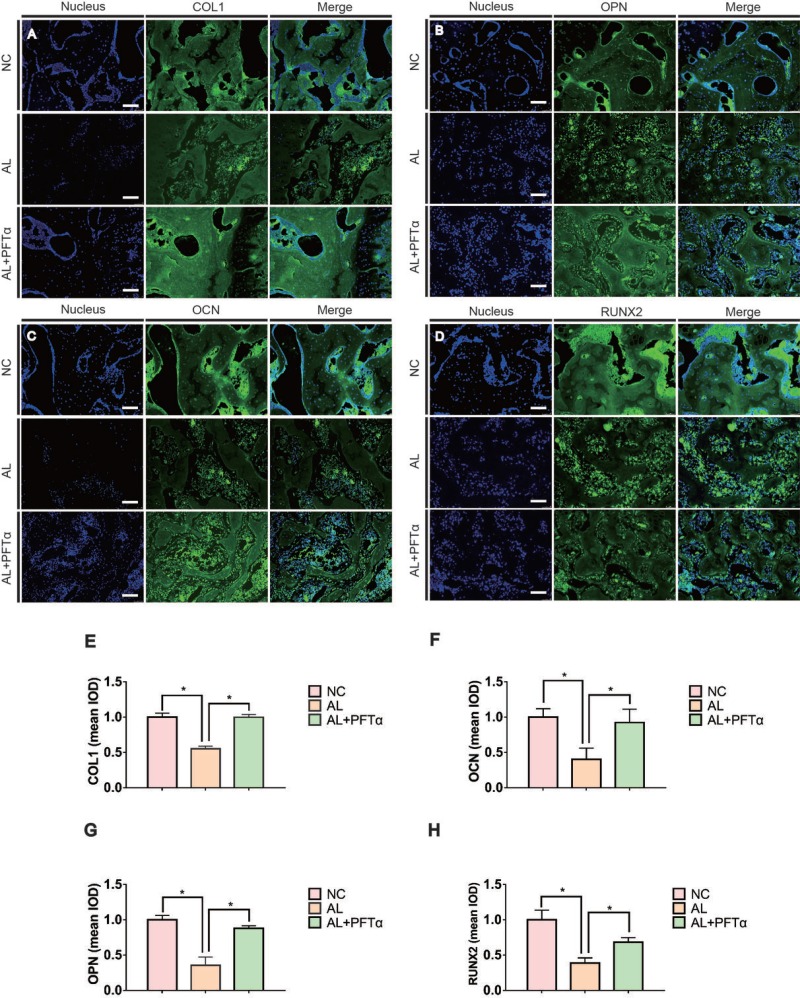
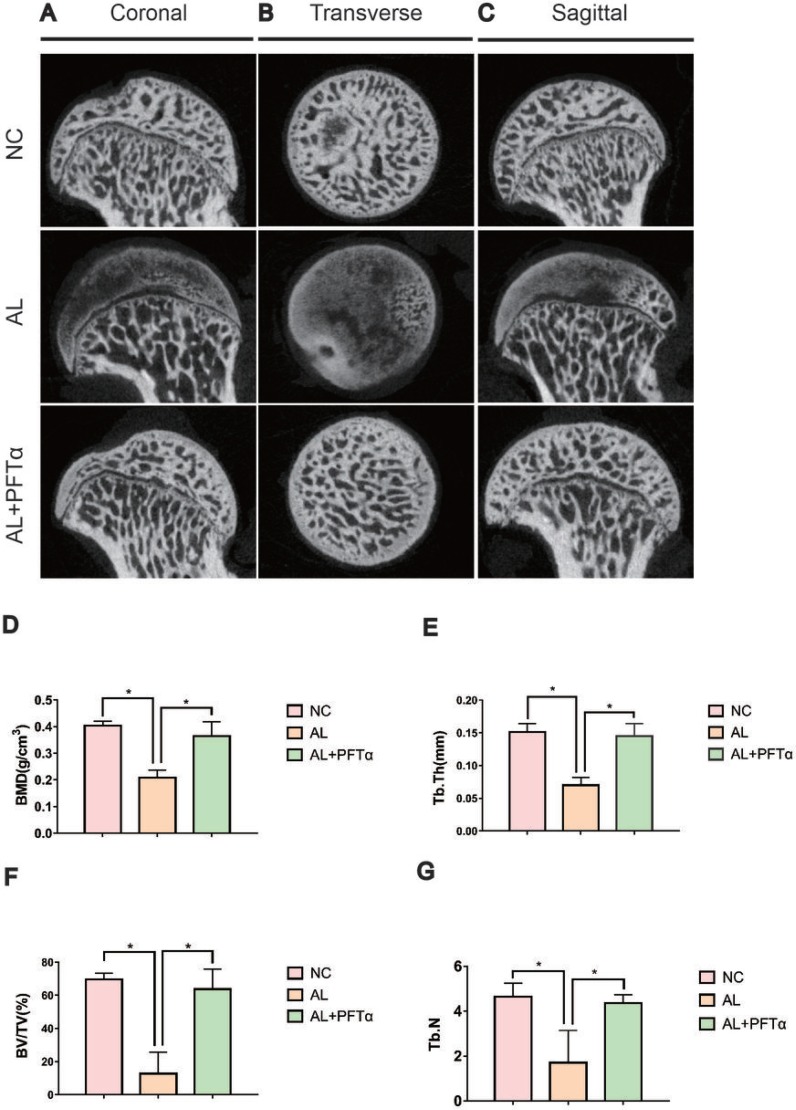
Epidemiologic studies have shown alcohol plays a pivotal role in the development of osteonecrosis of the femoral head (ONFH). The aim of this study was to explore the underlying mechanism of alcohol-induced ONFH and the protective effect of pifithrin-α (PFTα). In vitro, we found ethanol treatment significantly activated p53, suppressed Wnt/β-catenin signaling and inhibited osteogenic-related proteins. Furthermore, by separating the cytoplasmic and nuclear proteins, we found ethanol inhibited osteogenesis by impairing the accumulation of β-catenin in both the cytoplasm and nucleus in human bone mesenchymal stem cells (hBMSCs), which resulted from activating glycogen synthase kinase-3β (GSK-3β). Therefore, PFTα, a p53 inhibitor, was introduced in this study to block the ethanol-triggered activation of p53 in hBMSCs and alcohol-induced ONFH in a rat model. In vivo, we established alcohol-induced ONFH in rats and investigated the protective effect of PFTα. Hematoxylin & eosin (H&E) staining combined with TdT-mediated dUTP nick end labeling (TUNEL), cleaved caspase-3 immunohistochemical staining, and micro-CT images revealed substantial ONFH in the alcohol-administered rats, whereas significantly less osteonecrosis developed in the rats injected with PFTα. Osteogenic-related proteins, including osteocalcin, osteopontin and collagen I, were significantly decreased in the alcohol-administered rats, whereas these results were reversed in the PFTα-injected rats. Fluorochrome labeling similarly showed that alcohol significantly reduced the osteogenic activity in the rat femoral head, which was blocked by the injection of PFTα. In conclusion, PFTα had an antagonistic effect against the effects of ethanol on hBMSCs and could be a clinical strategy to prevent the development of alcohol-induced ONFH.
流行病学研究表明,酒精在股骨头坏死(ONFH)的发生发展中起关键作用。本研究旨在探讨酒精诱导ONFH的潜在机制以及pifithrin-α(PFTα)的保护作用。在体外,我们发现乙醇处理显著激活p53,抑制Wnt/β-连环蛋白信号通路并抑制成骨相关蛋白。此外,通过分离细胞质和细胞核蛋白,我们发现乙醇通过损害人骨髓间充质干细胞(hBMSCs)细胞质和细胞核中β-连环蛋白的积累来抑制成骨,这是由激活糖原合酶激酶-3β(GSK-3β)导致的。因此,本研究引入p53抑制剂PFTα来阻断乙醇触发的hBMSCs中p53的激活以及大鼠模型中酒精诱导的ONFH。在体内,我们建立了酒精诱导的大鼠ONFH模型并研究了PFTα的保护作用。苏木精-伊红(H&E)染色结合TdT介导的dUTP缺口末端标记(TUNEL)、裂解的半胱天冬酶-3免疫组化染色和显微CT图像显示,给予酒精的大鼠出现大量ONFH,而注射PFTα的大鼠发生的骨坏死明显较少。给予酒精的大鼠中成骨相关蛋白,包括骨钙素、骨桥蛋白和I型胶原蛋白显著减少,而在注射PFTα的大鼠中这些结果得到逆转。荧光染料标记同样显示,酒精显著降低大鼠股骨头的成骨活性,而注射PFTα可阻断这种作用。总之,PFTα对乙醇对hBMSCs的影响具有拮抗作用,可能是预防酒精诱导的ONFH发生发展的一种临床策略。