Dautzenberg Iris J C, van den Hengel Sanne K, de Vrij Jeroen, Ravesloot Lars, Cramer Steve J, Hong Saw-See, van den Wollenberg Diana J M, Boulanger Pierre, Hoeben Rob C
Department of Molecular Cell Biology, Leiden University Medical Center, Leiden, The Netherlands.
Department of Neurosurgery, Brain Tumour Center, Erasmus MC, 3015 CE, Rotterdam, The Netherlands.
Sci Rep. 2017 Dec 15;7(1):17654. doi: 10.1038/s41598-017-17709-z.
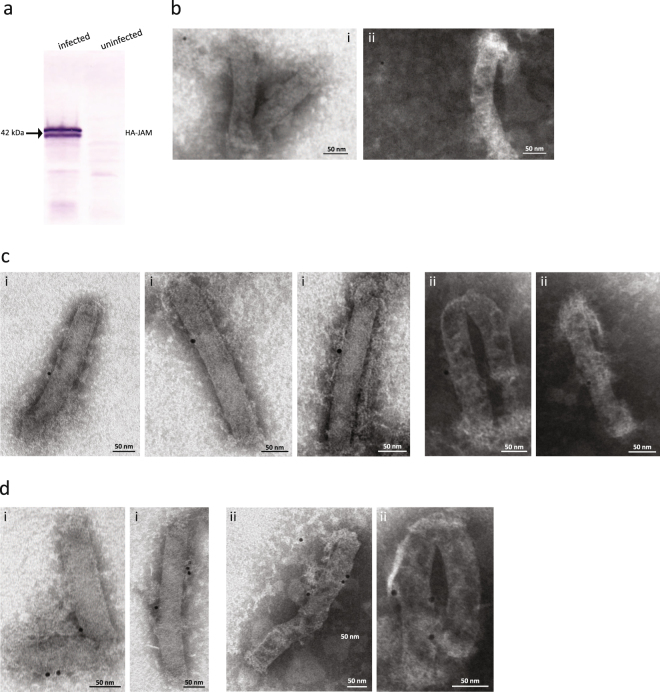
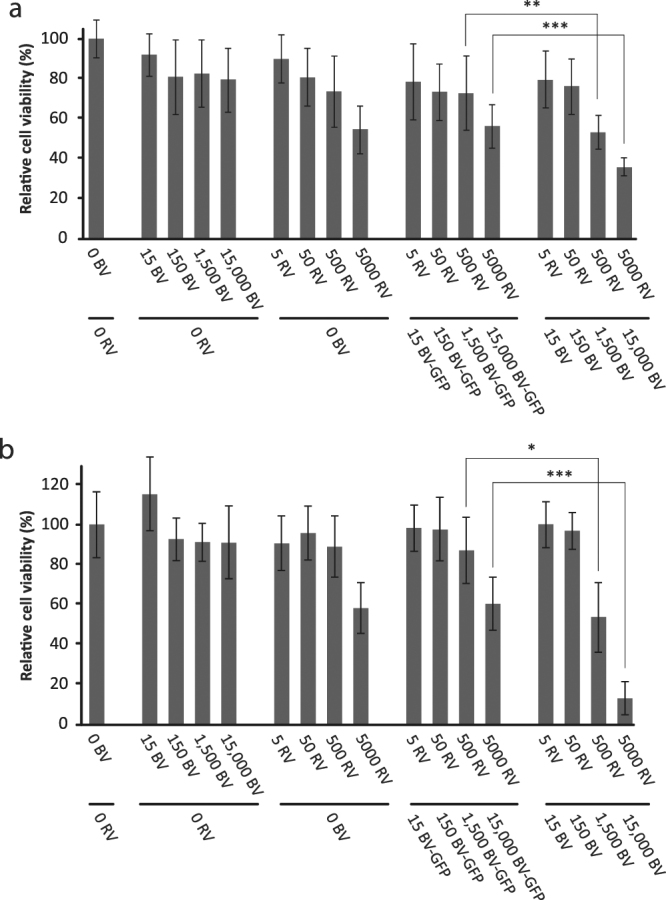
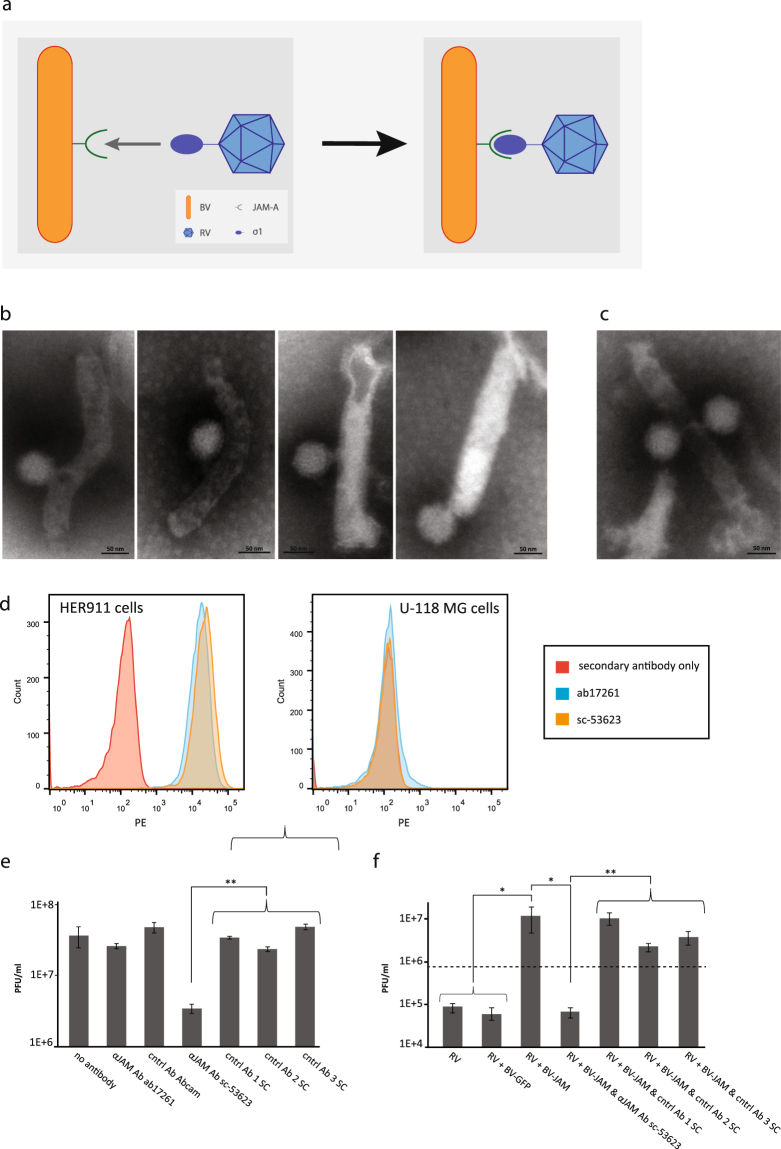
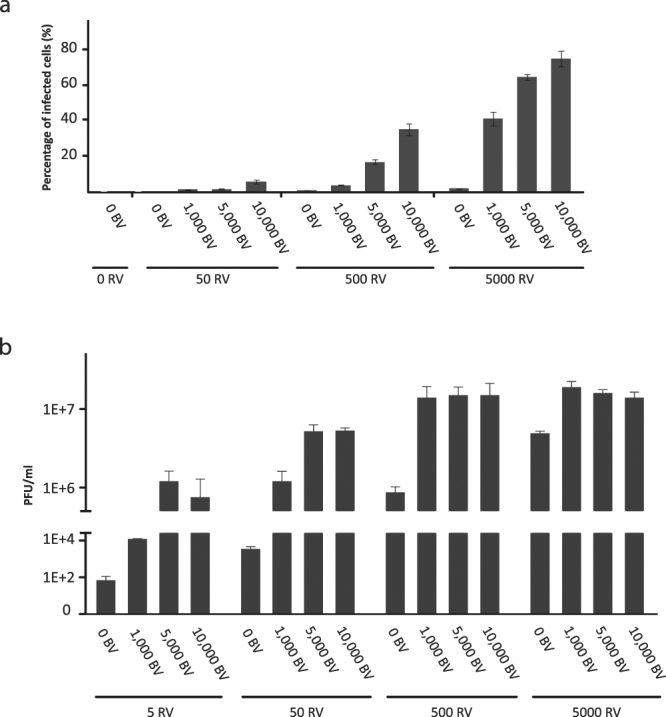
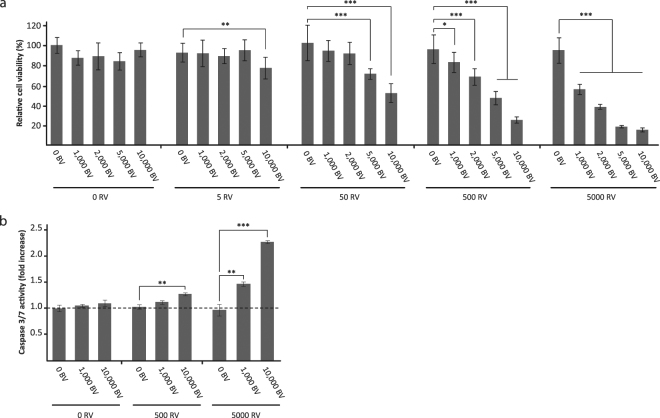
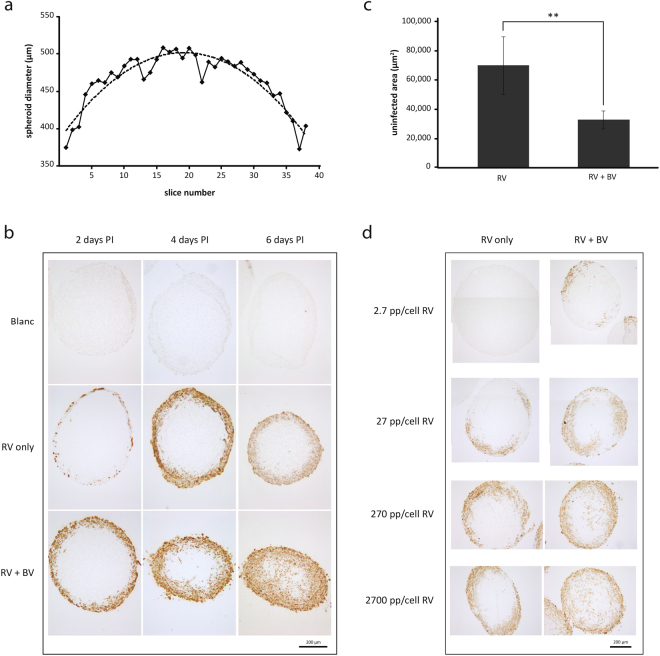
The mammalian orthoreovirus Type 3 Dearing has great potential as oncolytic agent in cancer therapy. One of the bottlenecks that hampers its antitumour efficacy in vivo is the limited tumour-cell infection and intratumoural distribution. This necessitates strategies to improve tumour penetration. In this study we employ the baculovirus Autographa californica multiple nucleopolyhedrovirus as a tool to expand the reovirus' tropism and to improve its spread in three-dimensional tumour-cell spheroids. We generated a recombinant baculovirus expressing the cellular receptor for reovirus, the Junction Adhesion Molecule-A, on its envelope. Combining these Junction Adhesion Molecule-A-expressing baculoviruses with reovirus particles leads to the formation of biviral complexes. Exposure of the reovirus-resistant glioblastoma cell line U-118 MG to the baculovirus-reovirus complexes results in efficient reovirus infection, high reovirus yields, and significant reovirus-induced cytopathic effects. As compared to the reovirus-only incubations, the biviral complexes demonstrated improved penetration and increased cell killing of three-dimensional U-118 MG tumour spheroids. Our data demonstrate that reovirus can be delivered with increased efficiency into two- and three-dimensional tumour-cell cultures via coupling the reovirus particles to baculovirus. The identification of baculovirus' capacity to penetrate into tumour tissue opens novel opportunities to improve cancer therapy by improved delivery of oncolytic viruses into tumours.
哺乳动物3型迪林呼肠孤病毒在癌症治疗中作为溶瘤剂具有巨大潜力。限制其体内抗肿瘤疗效的瓶颈之一是肿瘤细胞感染和肿瘤内分布有限。这就需要采取策略来提高肿瘤穿透性。在本研究中,我们利用苜蓿银纹夜蛾多核型多角体病毒作为工具,来扩大呼肠孤病毒的嗜性,并改善其在三维肿瘤细胞球体中的传播。我们构建了一种重组杆状病毒,其包膜上表达呼肠孤病毒的细胞受体——连接黏附分子A。将这些表达连接黏附分子A的杆状病毒与呼肠孤病毒颗粒结合,可形成双病毒复合物。将对呼肠孤病毒耐药的胶质母细胞瘤细胞系U-118 MG暴露于杆状病毒-呼肠孤病毒复合物中,可导致高效的呼肠孤病毒感染、高呼肠孤病毒产量以及显著的呼肠孤病毒诱导的细胞病变效应。与仅用呼肠孤病毒孵育相比,双病毒复合物在三维U-118 MG肿瘤球体中显示出更好的穿透性和更强的细胞杀伤能力。我们的数据表明,通过将呼肠孤病毒颗粒与杆状病毒偶联,可提高呼肠孤病毒向二维和三维肿瘤细胞培养物中的递送效率。杆状病毒穿透肿瘤组织能力的鉴定为通过改善溶瘤病毒向肿瘤的递送来改进癌症治疗开辟了新机遇。