Girard Beatrice M, Tooke Katharine, Vizzard Margaret A
Department of Neurological Sciences, Larner College of Medicine, The University of Vermont, Burlington, VT, United States.
Front Syst Neurosci. 2017 Dec 4;11:90. doi: 10.3389/fnsys.2017.00090. eCollection 2017.
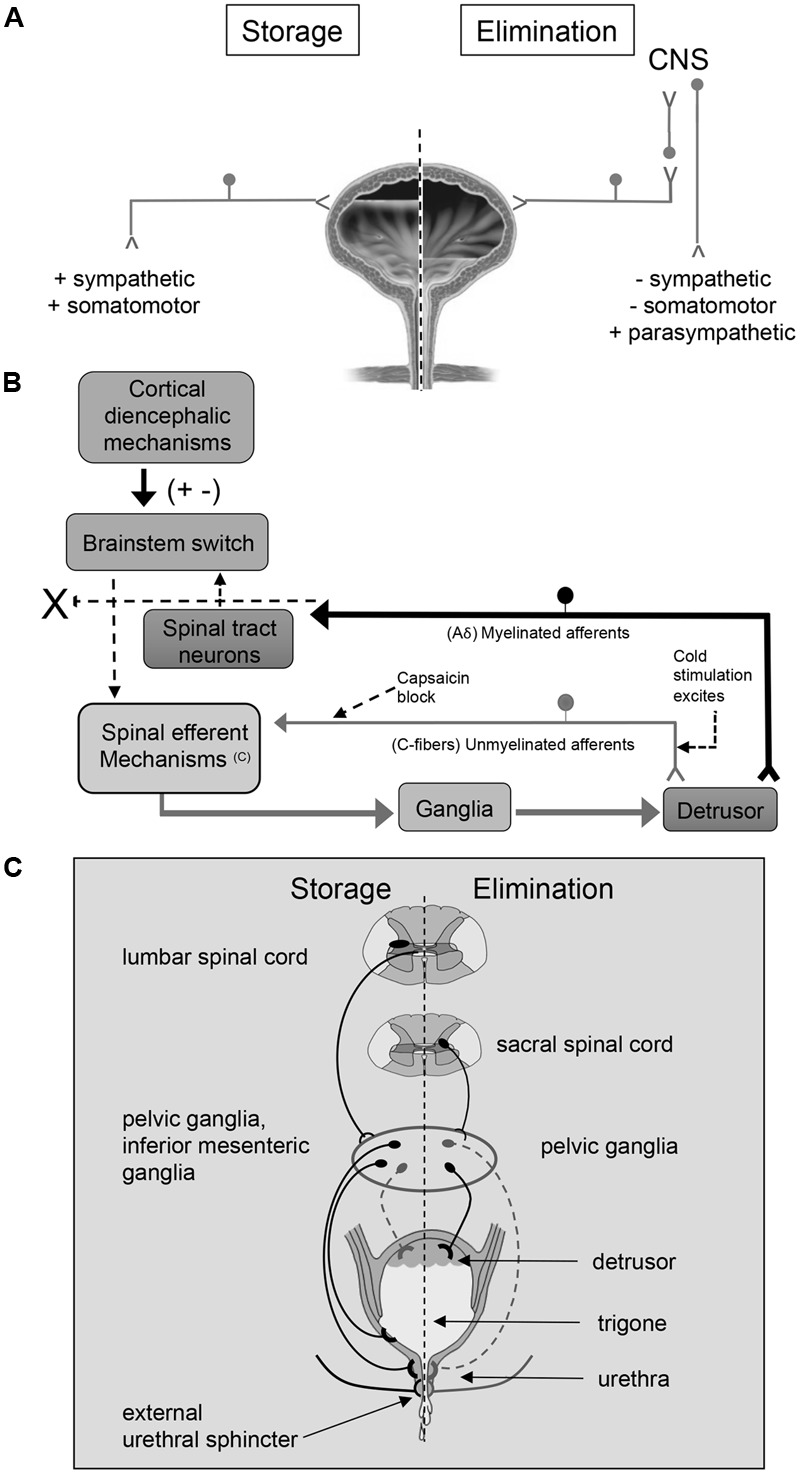
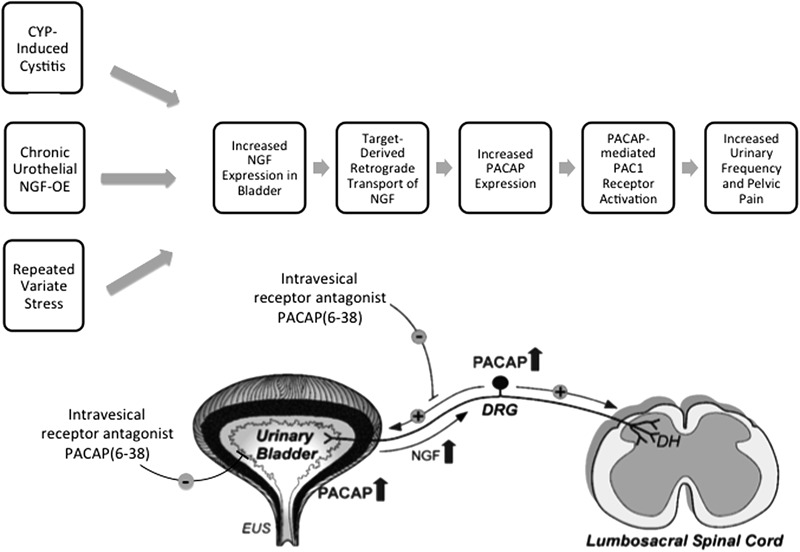
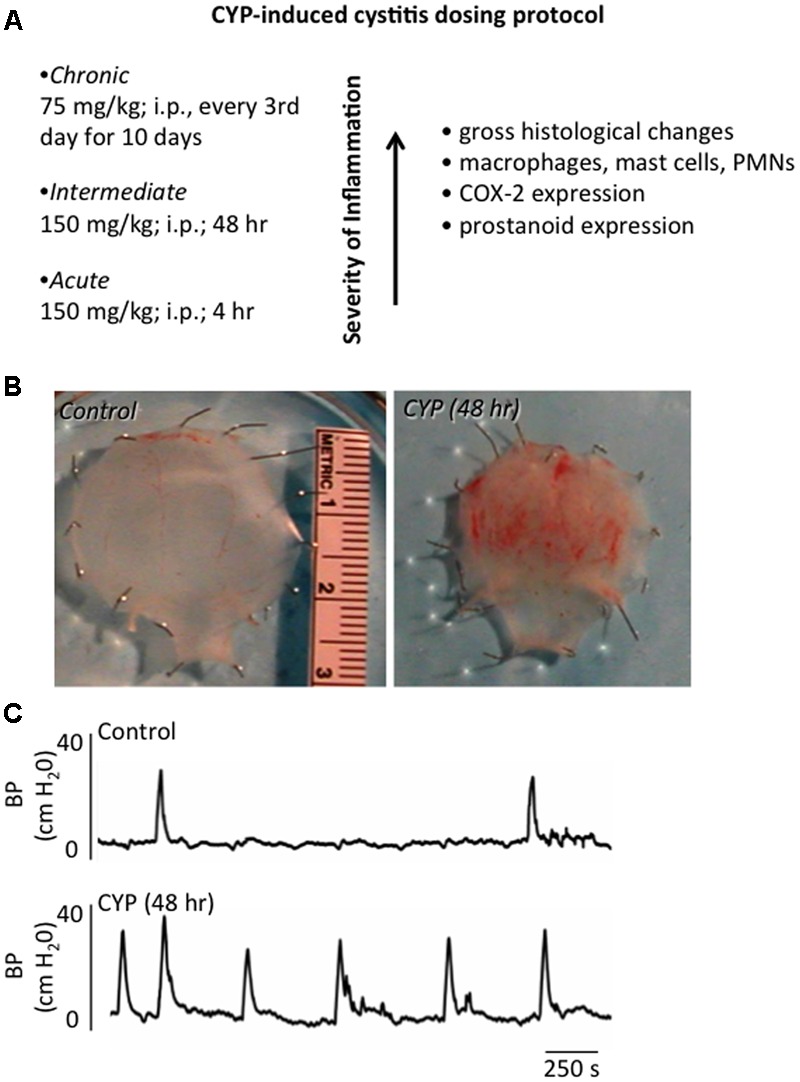
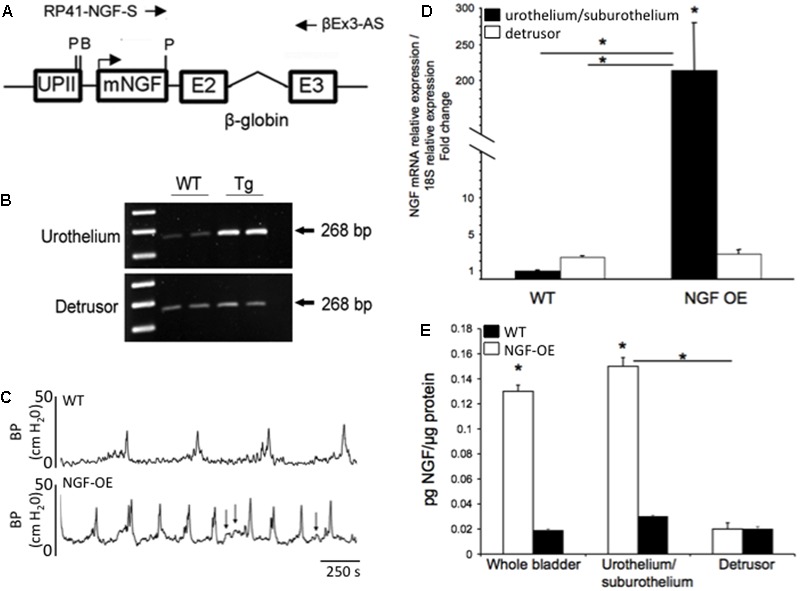
Complex organization of CNS and PNS pathways is necessary for the coordinated and reciprocal functions of the urinary bladder, urethra and urethral sphincters. Injury, inflammation, psychogenic stress or diseases that affect these nerve pathways and target organs can produce lower urinary tract (LUT) dysfunction. Numerous neuropeptide/receptor systems are expressed in the neural pathways of the LUT and non-neural components of the LUT (e.g., urothelium) also express peptides. One such neuropeptide receptor system, pituitary adenylate cyclase-activating polypeptide (PACAP; ) and its cognate receptor, PAC1 (), have tissue-specific distributions in the LUT. Mice with a genetic deletion of PACAP exhibit bladder dysfunction and altered somatic sensation. PACAP and associated receptors are expressed in the LUT and exhibit neuroplastic changes with neural injury, inflammation, and diseases of the LUT as well as psychogenic stress. Blockade of the PACAP/PAC1 receptor system reduces voiding frequency in preclinical animal models and transgenic mouse models that mirror some clinical symptoms of bladder dysfunction. A change in the balance of the expression and resulting function of the PACAP/receptor system in CNS and PNS bladder reflex pathways may underlie LUT dysfunction including symptoms of urinary urgency, increased voiding frequency, and visceral pain. The PACAP/receptor system in micturition pathways may represent a potential target for therapeutic intervention to reduce LUT dysfunction.
中枢神经系统和周围神经系统通路的复杂组织对于膀胱、尿道及尿道括约肌的协调和相互功能是必要的。影响这些神经通路和靶器官的损伤、炎症、心理应激或疾病可导致下尿路(LUT)功能障碍。许多神经肽/受体系统在下尿路的神经通路中表达,并且下尿路的非神经成分(如尿路上皮)也表达肽。一种这样的神经肽受体系统,垂体腺苷酸环化酶激活多肽(PACAP)及其同源受体PAC1,在下尿路具有组织特异性分布。PACAP基因缺失的小鼠表现出膀胱功能障碍和躯体感觉改变。PACAP及其相关受体在下尿路表达,并随着神经损伤、炎症、下尿路疾病以及心理应激而呈现神经可塑性变化。在模拟膀胱功能障碍某些临床症状的临床前动物模型和转基因小鼠模型中,阻断PACAP/PAC1受体系统可降低排尿频率。中枢神经系统和周围神经系统膀胱反射通路中PACAP/受体系统表达及由此产生的功能平衡变化可能是包括尿急、排尿频率增加和内脏疼痛等症状的下尿路功能障碍的基础。排尿通路中的PACAP/受体系统可能是减少下尿路功能障碍的治疗干预的潜在靶点。