Departamento de Química, Universidad Técnica Federico Santa María, Av. España No. 1680, Valparaíso 2340000, Chile.
Instituto de Química y Bioquímica, Facultad de Ciencias, Universidad de Valparaíso, Casilla 5030, Avda. Gran Bretaña 1111, Playa Ancha, Valparaíso 2360102, Chile.
Int J Mol Sci. 2017 Dec 17;18(12):2734. doi: 10.3390/ijms18122734.
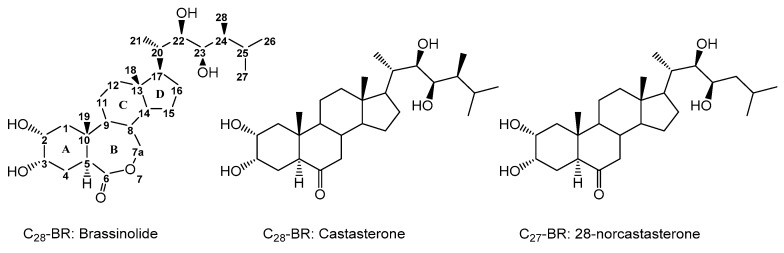
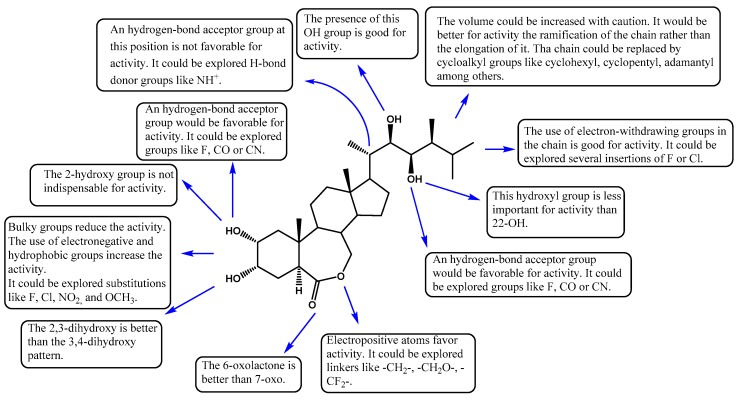
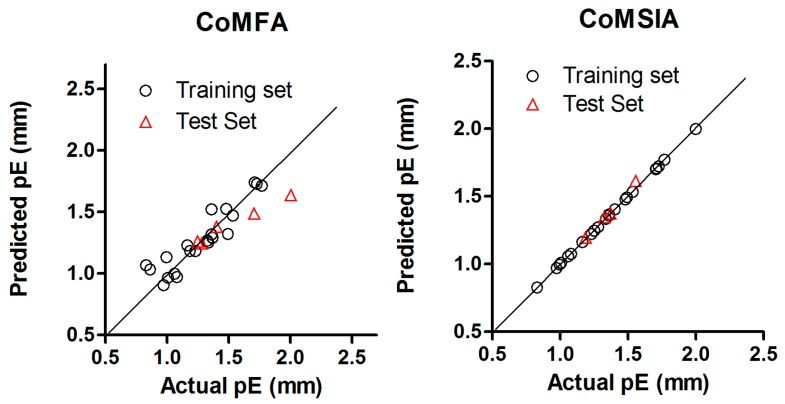
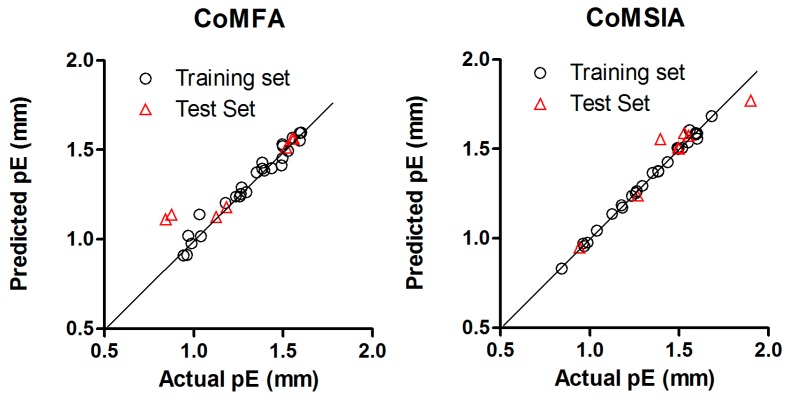
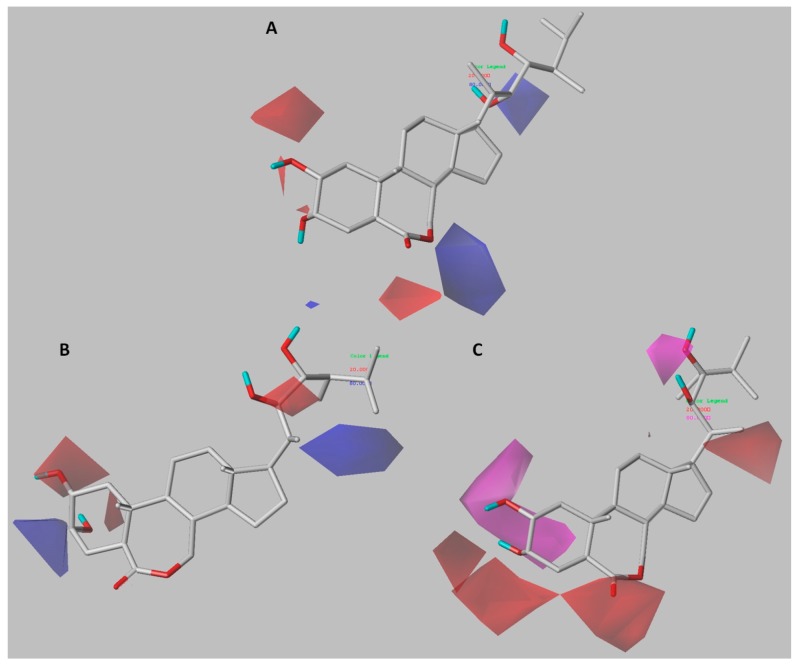
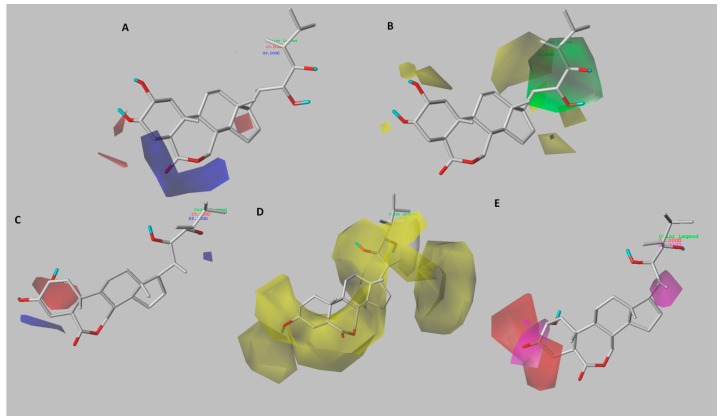
In the present study, we have employed the ligand-based drug design technique, 3D-QSAR, through a comparative molecular field analysis (CoMFA) and a comparative molecular similarity indices analysis (CoMSIA) to determine the key factors for the plant growth promoting activity of brassinosteroids reported in literature, using the bean second-internode bioassay measured on two groups of compounds with different molar concentrations. This is the first 3D-QSAR study using the second internode elongation as biological activity. These results provide useful ideas for the design of new molecules, which could be explored in the future to identify novel vegetable growth promoters with similar or greater biological activity than natural brassinosteroids. The reliability of this study was supported by the robust statistical parameters obtained from CoMFA (Model A, r² = 0.751; Model B, r² = 0.770) and CoMSIA (Model A, r² = 0.946; Model B, r² = 0.923) analysis.
在本研究中,我们采用基于配体的药物设计技术,通过三维定量构效关系(3D-QSAR)的比较分子场分析(CoMFA)和比较分子相似性指数分析(CoMSIA),使用两种不同摩尔浓度化合物的豆第二节间伸长的生物测定,确定文献中报道的油菜素内酯植物生长促进活性的关键因素。这是第一个将第二间节伸长作为生物活性的 3D-QSAR 研究。这些结果为设计新分子提供了有用的思路,未来可以探索这些新分子,以鉴定具有与天然油菜素内酯相似或更高生物活性的新型植物生长促进剂。CoMFA(模型 A,r²=0.751;模型 B,r²=0.770)和 CoMSIA(模型 A,r²=0.946;模型 B,r²=0.923)分析得到的稳健统计参数支持了该研究的可靠性。