Chu Zongli, Chen Junying, Sun Junyan, Dong Zhongdong, Yang Xia, Wang Ying, Xu Haixia, Zhang Xiaoke, Chen Feng, Cui Dangqun
Agronomy College/Collaborative Innovation Center of Henan Grain Crops/National Key Laboratory of Wheat and Maize Crop Science, Henan Agricultural University, 15 Longzihu College District, Zhengzhou, 450046, People's Republic of China.
Xinyang Agriculture and Forestry University, Xinyang, 464000, China.
BMC Plant Biol. 2017 Dec 19;17(1):244. doi: 10.1186/s12870-017-1204-2.
During asexual reproduction the embryogenic callus can differentiate into a new plantlet, offering great potential for fostering in vitro culture efficiency in plants. The immature embryos (IMEs) of wheat (Triticum aestivum L.) are more easily able to generate embryogenic callus than mature embryos (MEs). To understand the molecular process of embryogenic callus formation in wheat, de novo transcriptome sequencing was used to generate transcriptome sequences from calli derived from IMEs and MEs after 3d, 6d, or 15d of culture (DC).
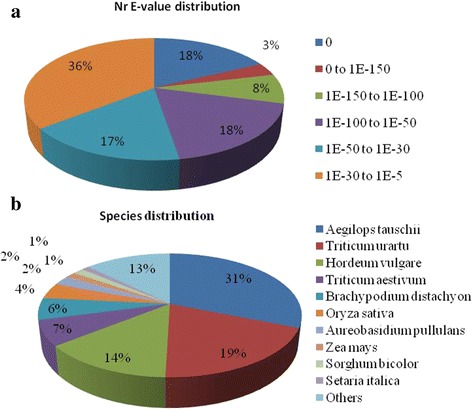
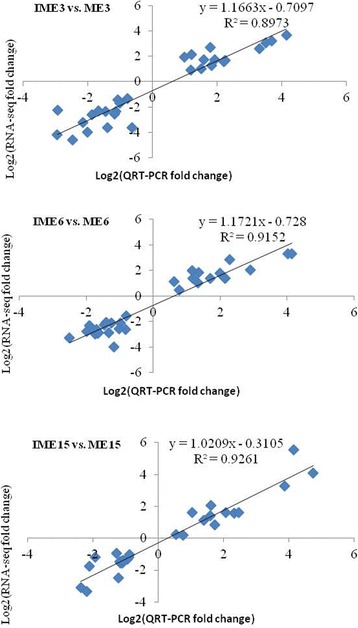
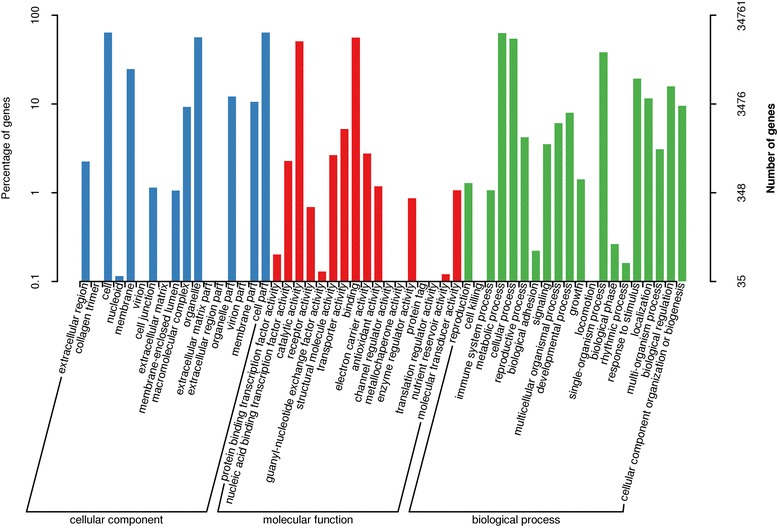
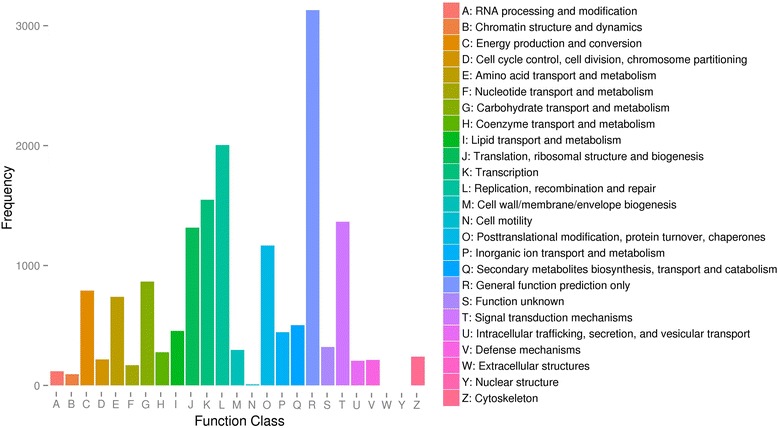
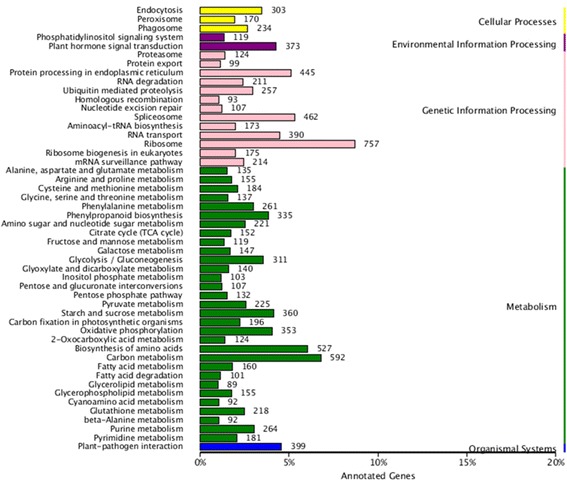
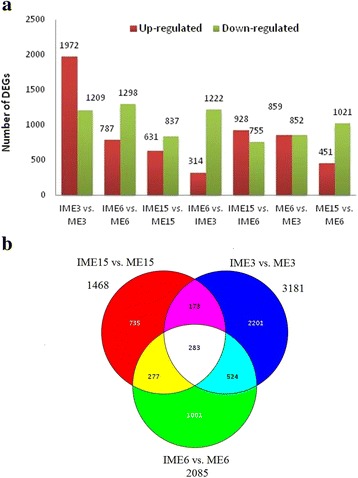
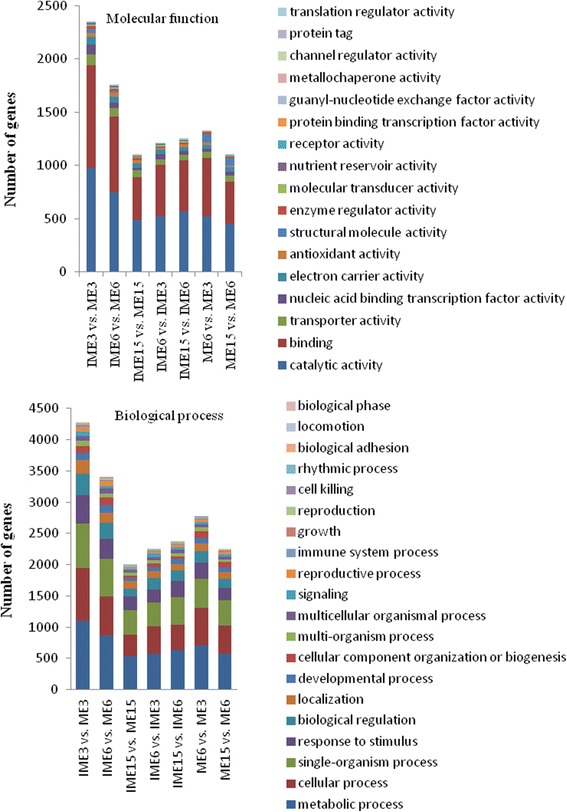
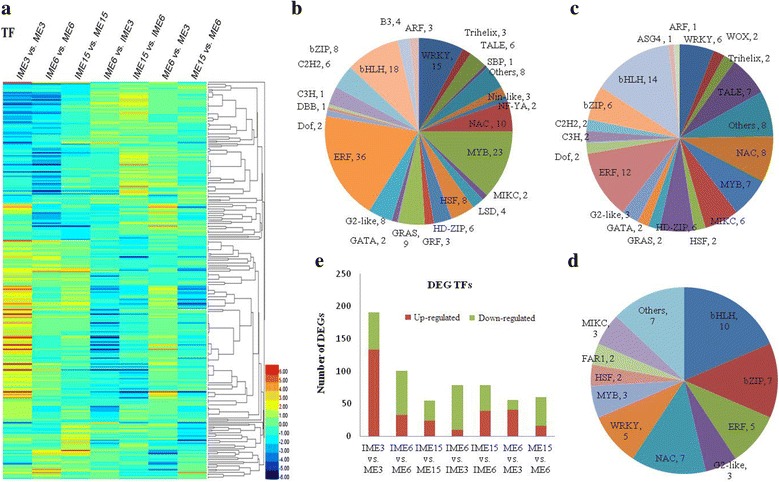
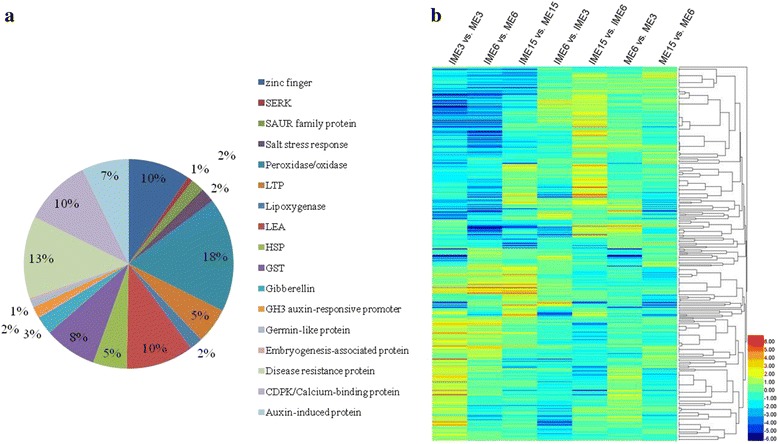
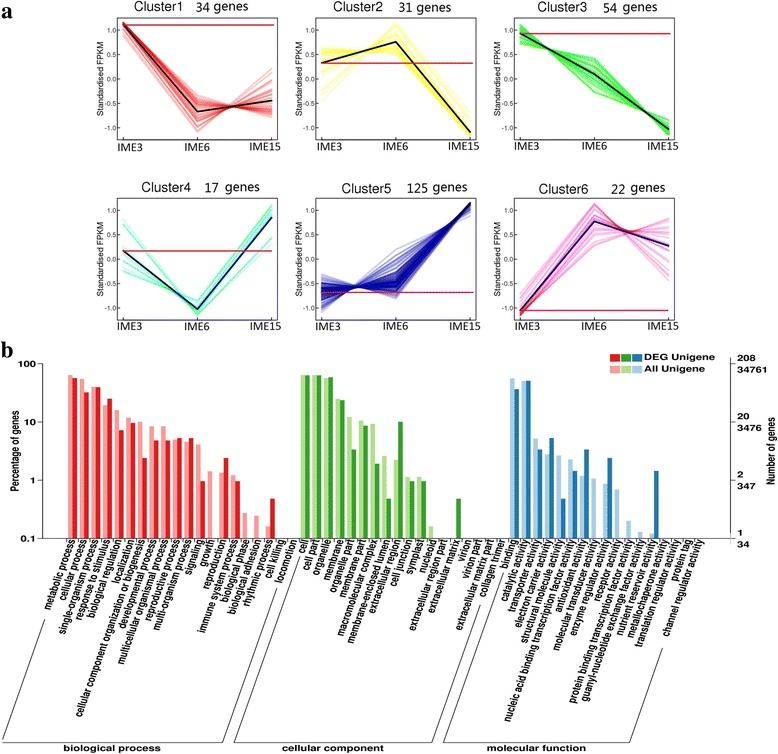
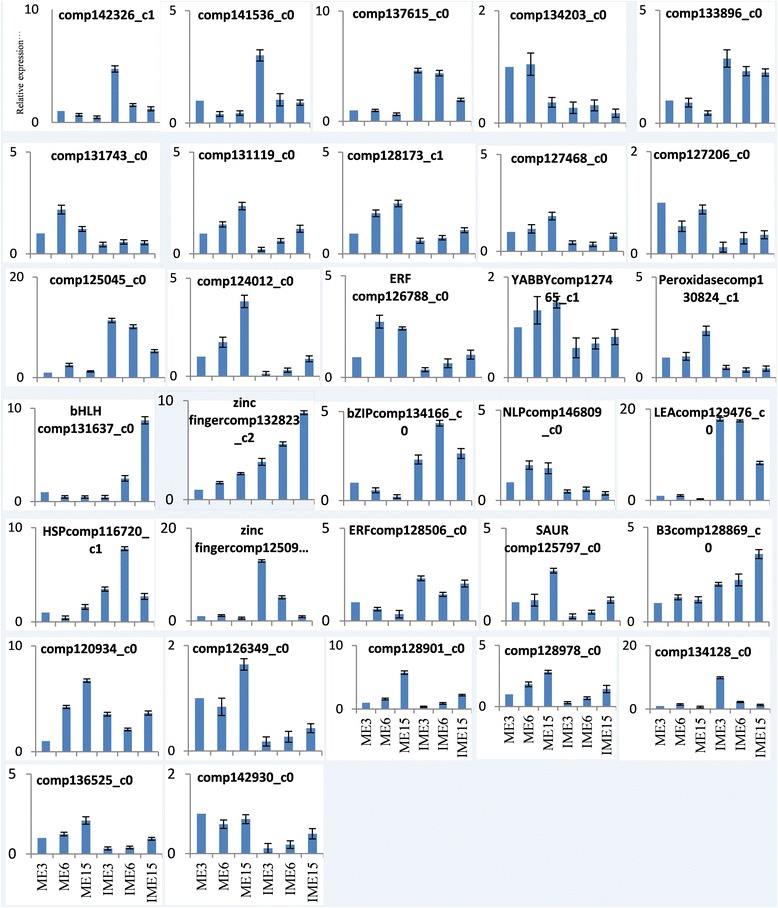
In total, 155 million high quality paired-end reads were obtained from the 6 cDNA libraries. Our de novo assembly generated 142,221 unigenes, of which 59,976 (42.17%) were annotated with a significant Blastx against nr, Pfam, Swissprot, KOG, KEGG, GO and COG/KOG databases. Comparative transcriptome analysis indicated that a total of 5194 differentially expressed genes (DEGs) were identified in the comparisons of IME vs. ME at the three stages, including 3181, 2085 and 1468 DEGs at 3, 6 and 15 DC, respectively. Of them, 283 overlapped in all the three comparisons. Furthermore, 4731 DEGs were identified in the comparisons between stages in IMEs and MEs. Functional analysis revealed that 271transcription factor (TF) genes (10 overlapped in all 3 comparisons of IME vs. ME) and 346 somatic embryogenesis related genes (SSEGs; 35 overlapped in all 3 comparisons of IME vs. ME) were differentially expressed in at least one comparison of IME vs. ME. In addition, of the 283 overlapped DEGs in the 3 comparisons of IME vs. ME, excluding the SSEGs and TFs, 39 possessed a higher rate of involvement in biological processes relating to response to stimuli, in multi-organism processes, reproductive processes and reproduction. Furthermore, 7 were simultaneously differentially expressed in the 2 comparisons between the stages in IMEs, but not MEs, suggesting that they may be related to embryogenic callus formation. The expression levels of genes, which were validated by qRT-PCR, showed a high correlation with the RNA-seq value.
This study provides new insights into the role of the transcriptome in embryogenic callus formation in wheat, and will serve as a valuable resource for further studies addressing embryogenic callus formation in plants.
在无性繁殖过程中,胚性愈伤组织可分化形成新的植株,这为提高植物离体培养效率提供了巨大潜力。小麦(Triticum aestivum L.)的未成熟胚(IMEs)比成熟胚(MEs)更容易产生胚性愈伤组织。为了解小麦胚性愈伤组织形成的分子过程,利用从头转录组测序技术,对培养3天、6天或15天(DC)后的IMEs和MEs来源的愈伤组织进行转录组测序。
从6个cDNA文库中总共获得了1.55亿条高质量的双端读数。我们的从头组装产生了142,221个单基因,其中59,976个(42.17%)通过与nr、Pfam、Swissprot、KOG、KEGG、GO和COG/KOG数据库进行显著的Blastx比对得到注释。比较转录组分析表明,在三个阶段的IMEs与MEs比较中,共鉴定出5194个差异表达基因(DEGs),其中在3、6和15 DC时分别有3181、2085和1468个DEGs。其中,283个在所有三个比较中都有重叠。此外,在IMEs和MEs的阶段间比较中鉴定出4731个DEGs。功能分析显示,271个转录因子(TF)基因(在IMEs与MEs的所有3个比较中有10个重叠)和346个体细胞胚胎发生相关基因(SSEGs;在IMEs与MEs的所有3个比较中有35个重叠)在至少一个IMEs与MEs的比较中差异表达。此外,在IMEs与MEs的3个比较中重叠的283个DEGs中,排除SSEGs和TFs后,39个在与刺激反应、多生物体过程、生殖过程和繁殖相关的生物学过程中具有较高的参与率。此外,7个在IMEs阶段间的2个比较中同时差异表达,但在MEs中没有,这表明它们可能与胚性愈伤组织的形成有关。通过qRT-PCR验证的基因表达水平与RNA-seq值高度相关。
本研究为转录组在小麦胚性愈伤组织形成中的作用提供了新的见解,并将作为进一步研究植物胚性愈伤组织形成的宝贵资源。