Rajaratnam Akash, Shergill Jasdeep, Salcedo-Arellano Maria, Saldarriaga Wilmar, Duan Xianlai, Hagerman Randi
MIND Institute, UC Davis Health, Sacramento, CA, USA.
Department of Morphology and Obstetrics & Gynecology, Universidad del Valle, School of Medicine, Cali, Valle del Cauca, Colombia.
F1000Res. 2017 Dec 8;6:2112. doi: 10.12688/f1000research.11885.1. eCollection 2017.
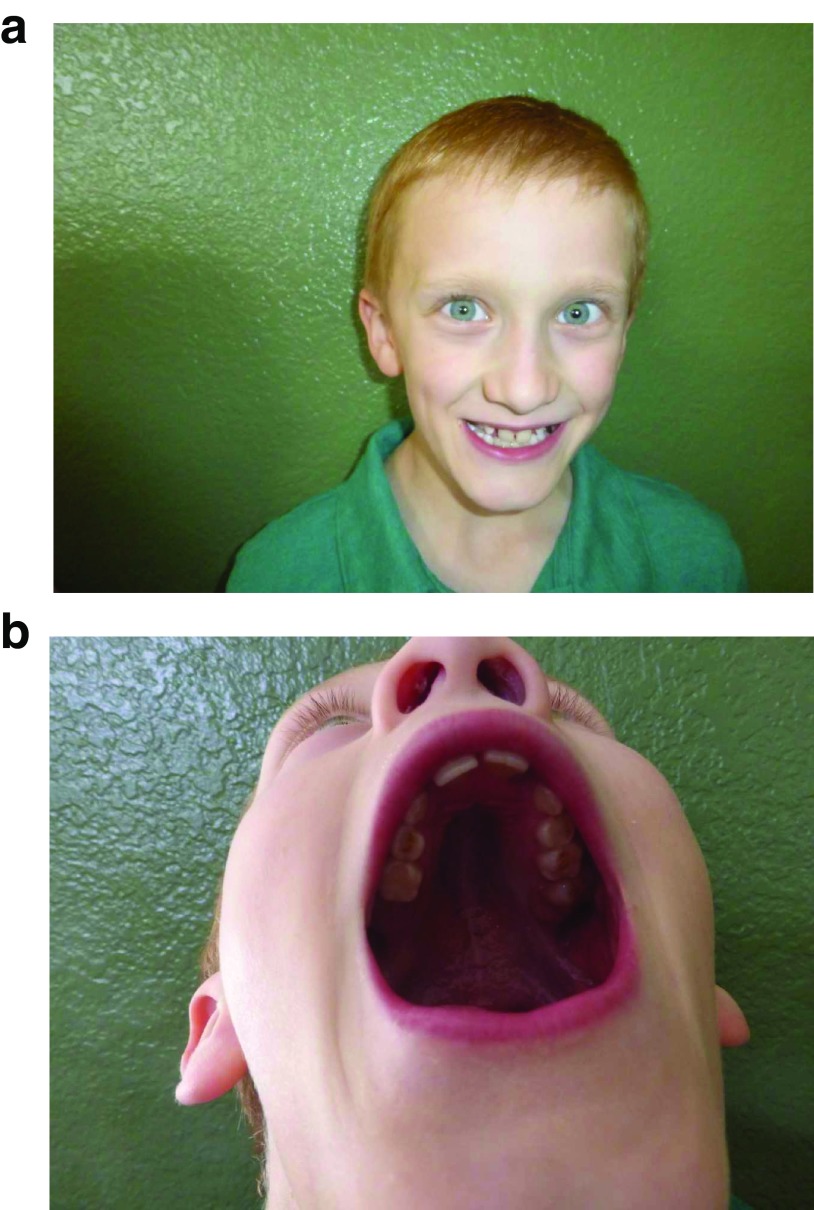
Fragile X syndrome (FXS) is caused by a full mutation on the gene and a subsequent lack of FMRP, the protein product of . FMRP plays a key role in regulating the translation of many proteins involved in maintaining neuronal synaptic connections; its deficiency may result in a range of intellectual disabilities, social deficits, psychiatric problems, and dysmorphic physical features. A range of clinical involvement is also associated with the premutation, including fragile X-associated tremor ataxia syndrome, fragile X-associated primary ovarian insufficiency, psychiatric problems, hypertension, migraines, and autoimmune problems. Over the past few years, there have been a number of advances in our knowledge of FXS and fragile X-associated disorders, and each of these advances offers significant clinical implications. Among these developments are a better understanding of the clinical impact of the phenomenon known as mosaicism, the revelation that various types of mutations can cause FXS, and improvements in treatment for FXS.
脆性X综合征(FXS)由该基因上的一个完全突变以及随后缺乏FMRP(该基因的蛋白质产物)引起。FMRP在调节许多参与维持神经元突触连接的蛋白质的翻译过程中起关键作用;其缺乏可能导致一系列智力残疾、社交缺陷、精神问题和身体畸形特征。一系列临床症状也与前突变有关,包括脆性X相关震颤共济失调综合征、脆性X相关原发性卵巢功能不全、精神问题、高血压、偏头痛和自身免疫问题。在过去几年里,我们对FXS和脆性X相关疾病的认识有了许多进展,这些进展中的每一项都具有重要的临床意义。其中包括对嵌合体现象临床影响的更好理解、揭示各种类型的突变可导致FXS以及FXS治疗方法的改进。