Ryman Augustsson Sofia, Ageberg Eva
Department of Health Sciences, Musculoskeletal Function, Lund University, Lund, Sweden.
BMJ Open Sport Exerc Med. 2017 Apr 16;3(1):e000222. doi: 10.1136/bmjsem-2017-000222. eCollection 2017.
The role of lower extremity (LE) muscle strength for predicting traumatic knee injury in youth athletes is largely unknown.
The aim was to investigate the influence of LE muscle strength on traumatic knee injury in youth female and male athletes.
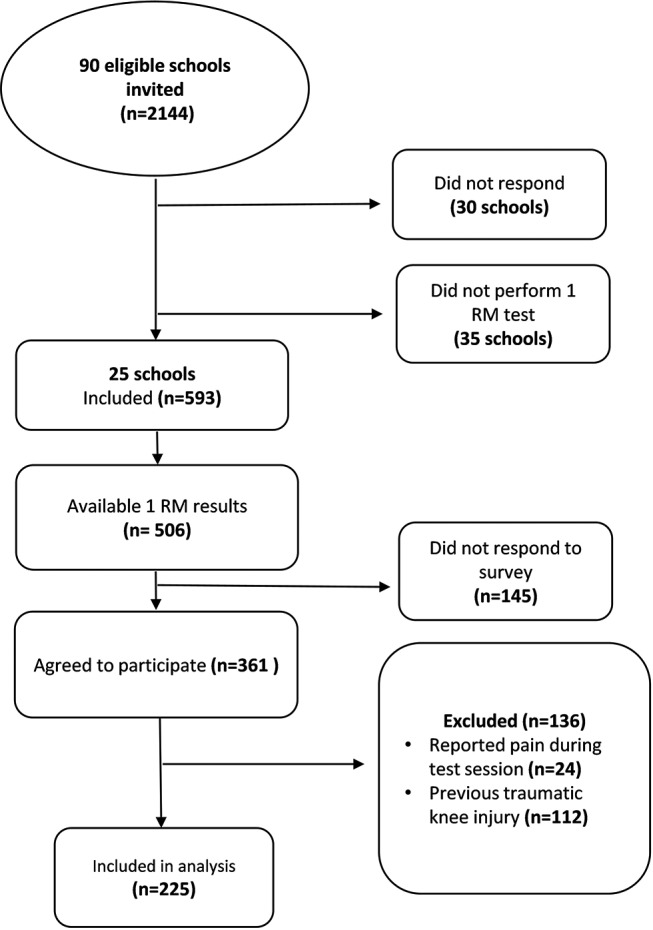
225 athletes (40% females) from sport senior high schools in Sweden were included in this case-control study. The athletes recorded any traumatic knee injury that had occurred during their high-school period in a web-based injury form. A one repetition maximum (1RM) barbell squat test was used to measure LE muscle strength. The 1RM was dichotomised to analyse 'weak' versus 'strong' athletes according to the median (weak vs strong).
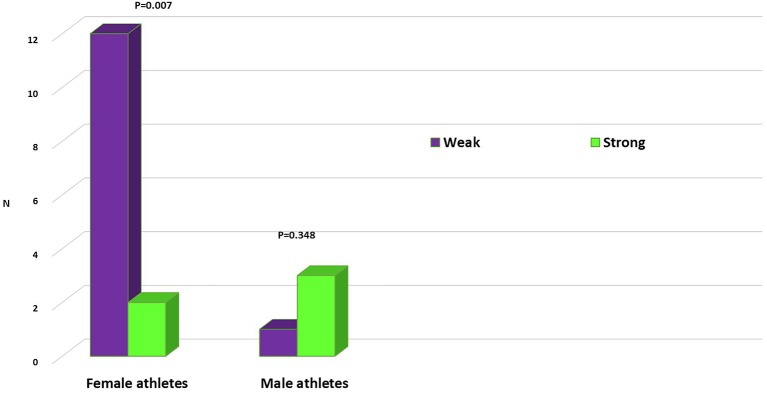
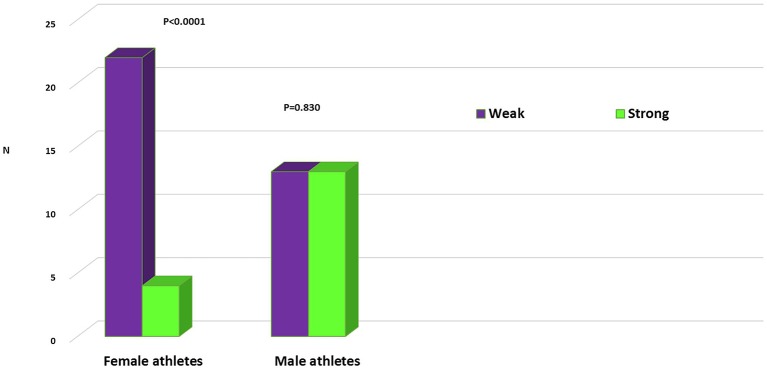
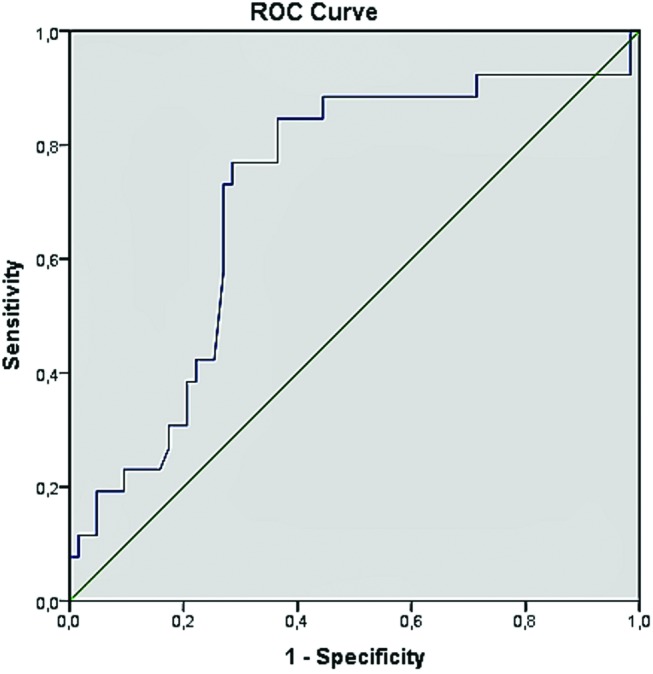
63 traumatic knee injuries, including 18 ACL injuries, were registered. The majority of injured female athletes were in the weak group compared with the strong group (p=0.0001). The odds of sustaining a traumatic knee injury and an ACL injury was 9.5 times higher and 7 times higher, respectively, in the weak group compared with the strong group in females (p ≤0.011). A relative 1RM squat ≤1.05 kg (105% of bodyweight) was established as the best cut-off value to distinguish high versus low risk of injury in female athletes. No strength-injury relationships were observed for the male athletes (p ≥0.348).
Weaker LE muscle strength predicted traumatic knee injury in youth female athletes, but not in males. This suggests that LE muscle strength should be included in injury screening in youth female athletes.
下肢(LE)肌肉力量在预测青少年运动员创伤性膝关节损伤中的作用很大程度上尚不清楚。
旨在研究下肢肌肉力量对青少年男女运动员创伤性膝关节损伤的影响。
本病例对照研究纳入了瑞典体育高中的225名运动员(40%为女性)。运动员通过基于网络的损伤表格记录高中期间发生的任何创伤性膝关节损伤。采用一次重复最大负荷(1RM)杠铃深蹲测试来测量下肢肌肉力量。根据中位数将1RM分为两组,以分析“弱”与“强”运动员(弱组与强组)。
共记录了63例创伤性膝关节损伤,包括18例前交叉韧带损伤。与强组相比,大多数受伤的女性运动员属于弱组(p = 0.0001)。在女性中,弱组发生创伤性膝关节损伤和前交叉韧带损伤的几率分别比强组高9.5倍和7倍(p≤0.011)。确定相对1RM深蹲≤1.05 kg(体重的105%)为区分女性运动员高损伤风险与低损伤风险的最佳临界值。男性运动员未观察到力量与损伤的关系(p≥0.348)。
较弱的下肢肌肉力量可预测青少年女性运动员的创伤性膝关节损伤,但对男性运动员则不然。这表明下肢肌肉力量应纳入青少年女性运动员的损伤筛查。