Santen Richard J, Barrett Eugene J, Siragy Helmy M, Farhi Leon S, Fishbein Lauren, Carey Robert M
Division of Endocrinology and Metabolism, University of Virginia Health Sciences Center, Charlottesville, Virginia 22908.
Divisions of Endocrinology, Metabolism, and Diabetes and Bioinformatics and Personalized Medicine, University of Colorado, Anschutz Medical Campus, Aurora, Colorado 80045.
J Endocr Soc. 2017 Aug 17;1(9):1194-1202. doi: 10.1210/js.2017-00318. eCollection 2017 Sep 1.
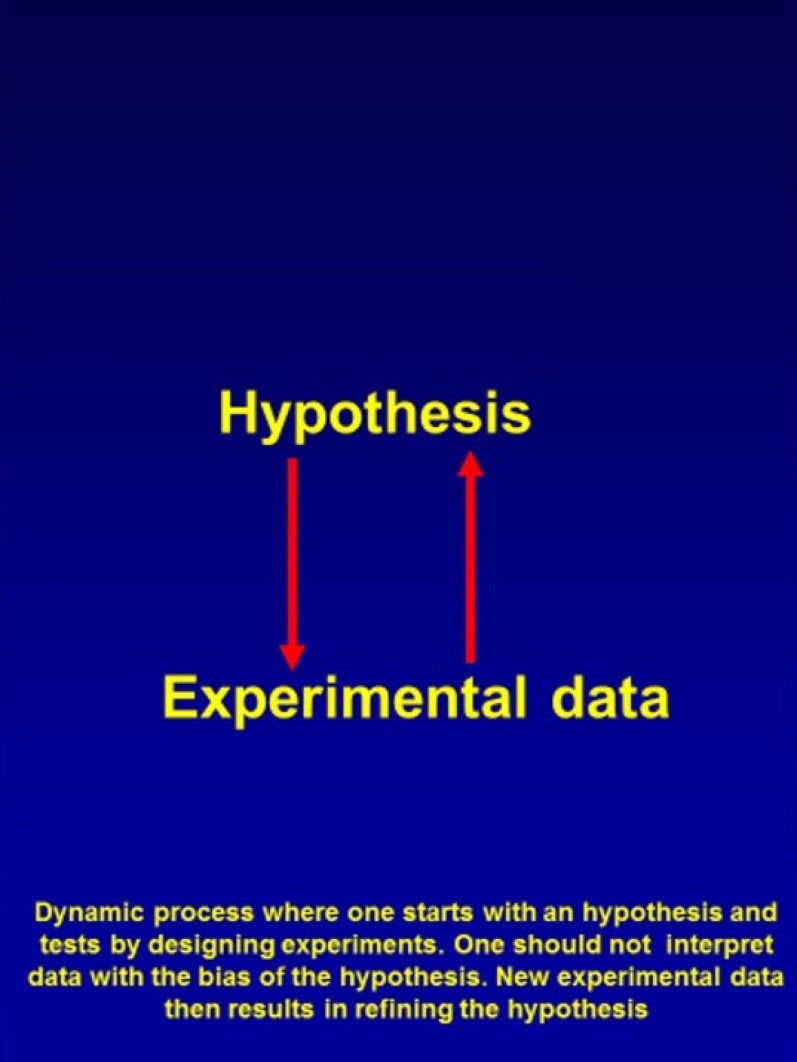
The specific aims section of National Institutes of Health and other grants is the most important component, as it summarizes the scientific premise, gap in current knowledge, hypotheses, methods, and expected results of the project proposed. The reviewer usually reads this section first and forms an immediate opinion, usually confirmed on reading the entire grant. This treatise reviews the philosophical background underlying generation of hypotheses, emphasizes the important characteristics of the specific aims section, and offers a point-by-point roadmap for writing. This perspective arose out of a new Endocrine Society initiative in which senior investigators review the specific aims of next-generation members.
美国国立卫生研究院及其他资助项目的具体目标部分是最重要的组成部分,因为它总结了所提议项目的科学前提、当前知识的空白、假设、方法和预期结果。评审人员通常首先阅读这一部分并形成初步意见,在阅读整个资助申请时这一意见通常会得到确认。本论文综述了假设生成背后的哲学背景,强调了具体目标部分的重要特征,并提供了一份逐点的写作路线图。这一观点源自内分泌学会的一项新倡议,即资深研究人员对下一代成员的具体目标进行评审。