Yang Cheng-Yu, Hsieh Cheng-Chih, Lin Chih-Kung, Lin Chun-Shu, Peng Bo, Lin Gu-Jiun, Sytwu Huey-Kang, Chang Wen-Liang, Chen Yuan-Wu
School of Dentistry, National Defense Medical Center, Taipei, Taiwan, Republic of China.
Department of Pharmacy Practice, Tri-Service General Hospital, Taipei, Taiwan, Republic of China.
BMC Complement Altern Med. 2017 Dec 29;17(1):555. doi: 10.1186/s12906-017-2063-y.
Danshen is a common traditional Chinese medicine used to treat neoplastic and chronic inflammatory diseases in China. However, the effects of Danshen on human oral cancer cells remain relatively unknown. This study investigated the antiproliferative effects of a Danshen extract on human oral cancer SAS, SCC25, OEC-M1, and KB drug-resistant cell lines and elucidated the possible underlying mechanism.
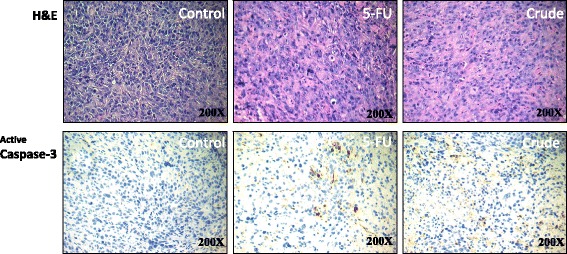
We investigated the anticancer potential of the Danshen extract in human oral cancer cell lines and an in vivo oral cancer xenograft mouse model. The expression of apoptosis-related molecules was evaluated through Western blotting, and the concentration of in vivo apoptotic markers was measured using immunohistochemical staining. The antitumor effects of 5-fluorouracil and the Danshen extract were compared.
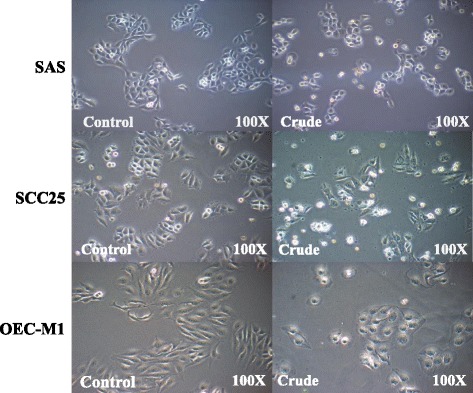
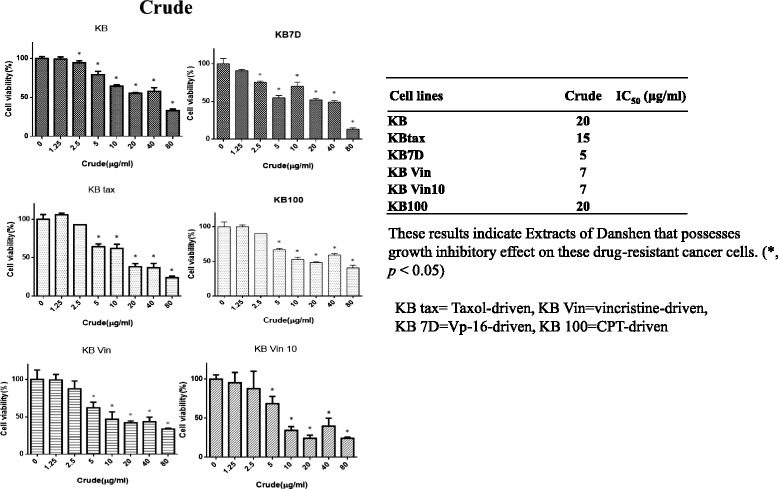
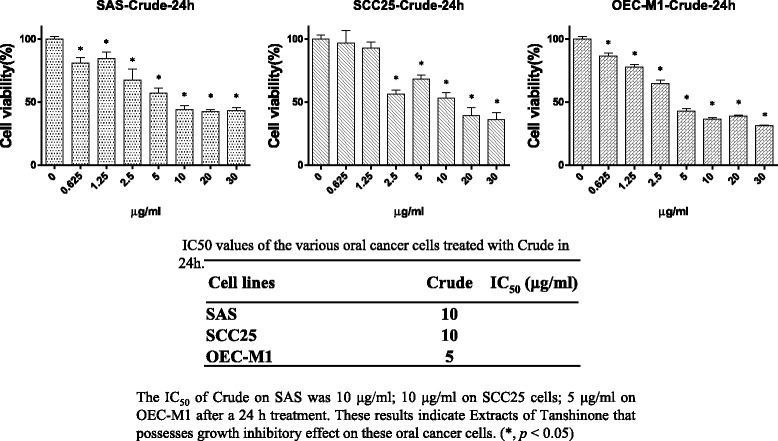
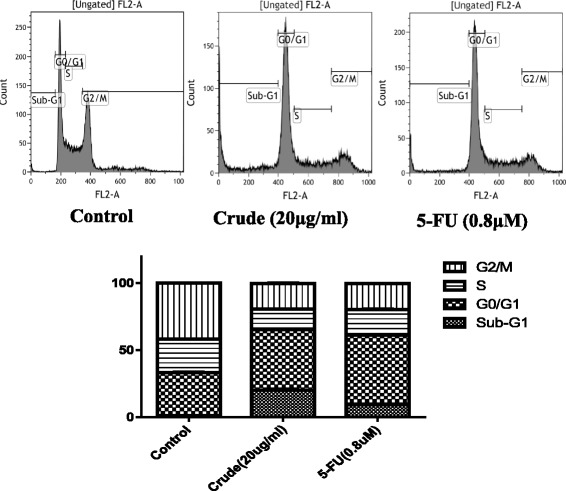
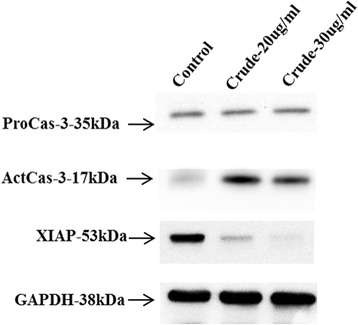
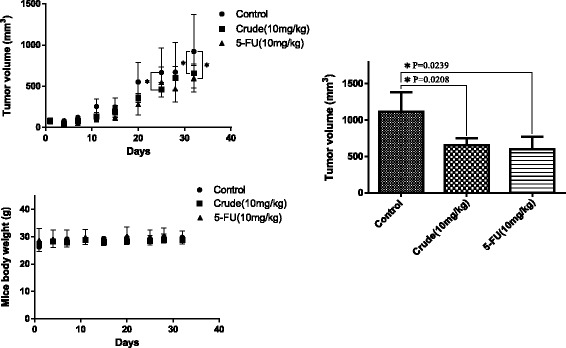
Cell proliferation assays revealed that the Danshen extract strongly inhibited oral cancer cell proliferation. Cell morphology studies revealed that the Danshen extract inhibited the growth of SAS, SCC25, and OEC-M1 cells by inducing apoptosis. The Flow cytometric analysis indicated that the Danshen extract induced cell cycle G0/G1 arrest. Immunoblotting analysis for the expression of active caspase-3 and X-linked inhibitor of apoptosis protein indicated that Danshen extract-induced apoptosis in human oral cancer SAS cells was mediated through the caspase pathway. Moreover, the Danshen extract significantly inhibited growth in the SAS xenograft mouse model. Furthermore, the Danshen extract circumvented drug resistance in KB drug-resistant oral cancer cells.
The study results suggest that the Danshen extract could be a potential anticancer agent in oral cancer treatment.
丹参是中国用于治疗肿瘤和慢性炎症性疾病的常见传统中药。然而,丹参对人口腔癌细胞的作用仍相对未知。本研究调查了丹参提取物对人口腔癌SAS、SCC25、OEC-M1和KB耐药细胞系的抗增殖作用,并阐明了可能的潜在机制。
我们在人口腔癌细胞系和体内口腔癌异种移植小鼠模型中研究了丹参提取物的抗癌潜力。通过蛋白质免疫印迹法评估凋亡相关分子的表达,并使用免疫组织化学染色测量体内凋亡标志物的浓度。比较了5-氟尿嘧啶和丹参提取物的抗肿瘤作用。
细胞增殖试验表明,丹参提取物强烈抑制口腔癌细胞增殖。细胞形态学研究表明,丹参提取物通过诱导凋亡抑制SAS、SCC25和OEC-M1细胞的生长。流式细胞术分析表明,丹参提取物诱导细胞周期G0/G1期阻滞。对活性半胱天冬酶-3和凋亡蛋白X连锁抑制剂表达的免疫印迹分析表明,丹参提取物诱导人口腔癌SAS细胞凋亡是通过半胱天冬酶途径介导的。此外,丹参提取物显著抑制了SAS异种移植小鼠模型中的肿瘤生长。此外,丹参提取物克服了KB耐药口腔癌细胞的耐药性。
研究结果表明,丹参提取物可能是口腔癌治疗中的一种潜在抗癌药物。