Do Khoa, Laing Brenton Thomas, Landry Taylor, Bunner Wyatt, Mersaud Naderi, Matsubara Tomoko, Li Peixin, Yuan Yuan, Lu Qun, Huang Hu
Department of Kinesiology, East Carolina University, Greenville, North Carolina, United States of America.
East Carolina Diabetes and Obesity Institute, East Carolina University, Greenville, North Carolina, United States of America.
PLoS One. 2018 Jan 2;13(1):e0190205. doi: 10.1371/journal.pone.0190205. eCollection 2018.
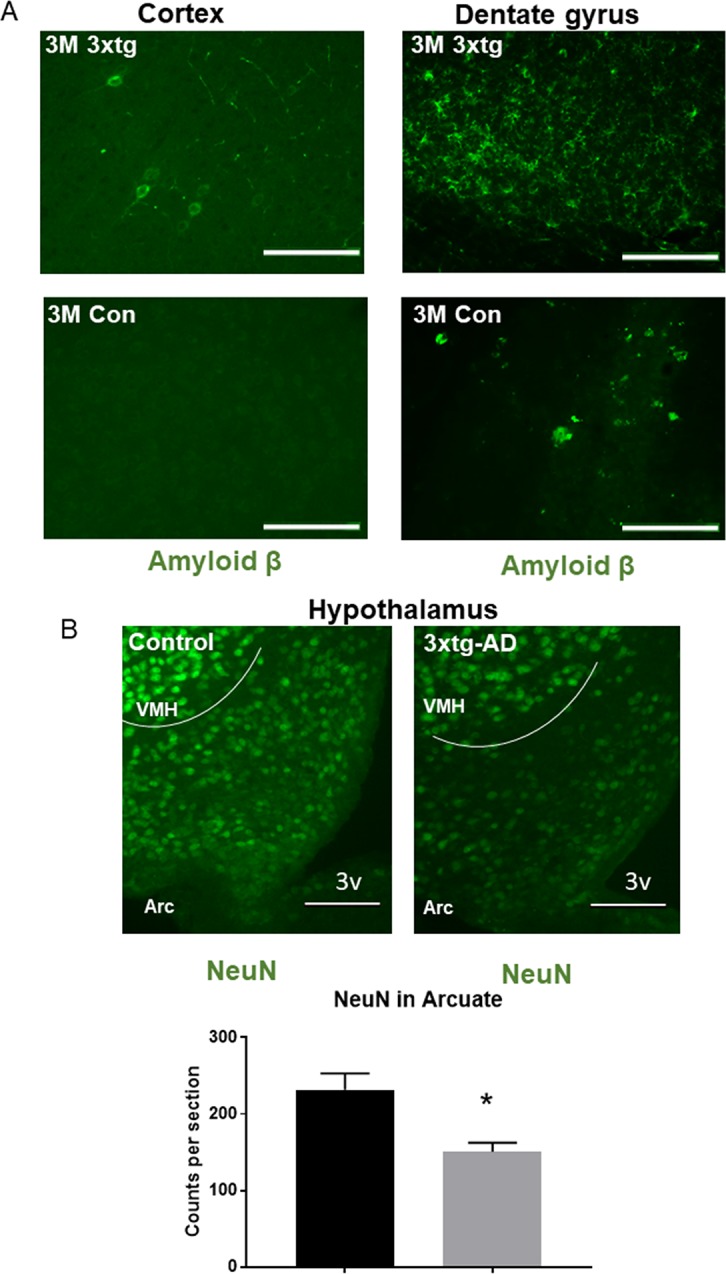
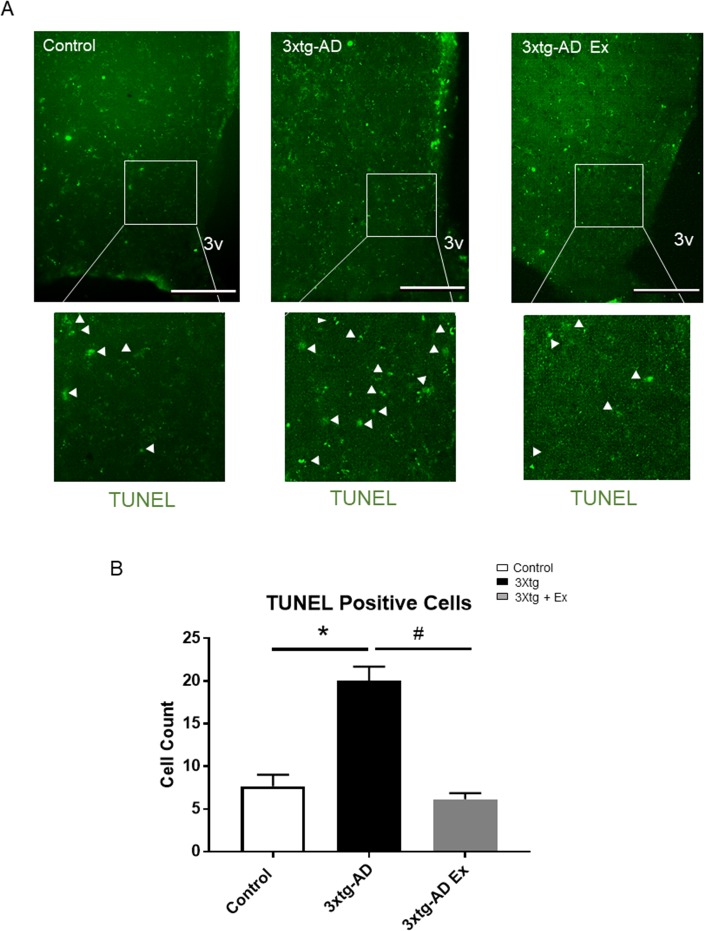
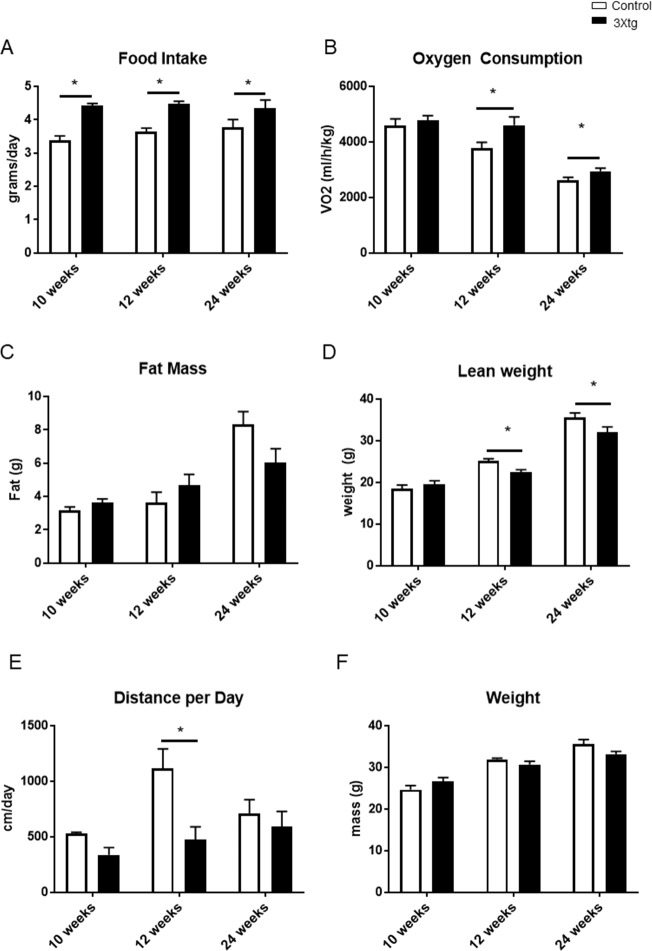
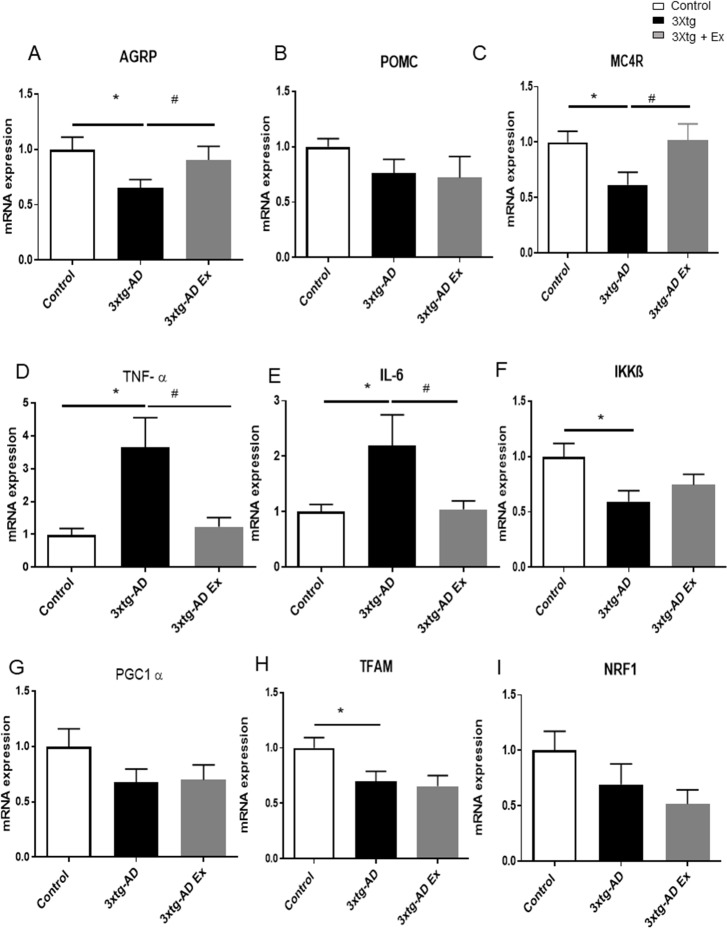
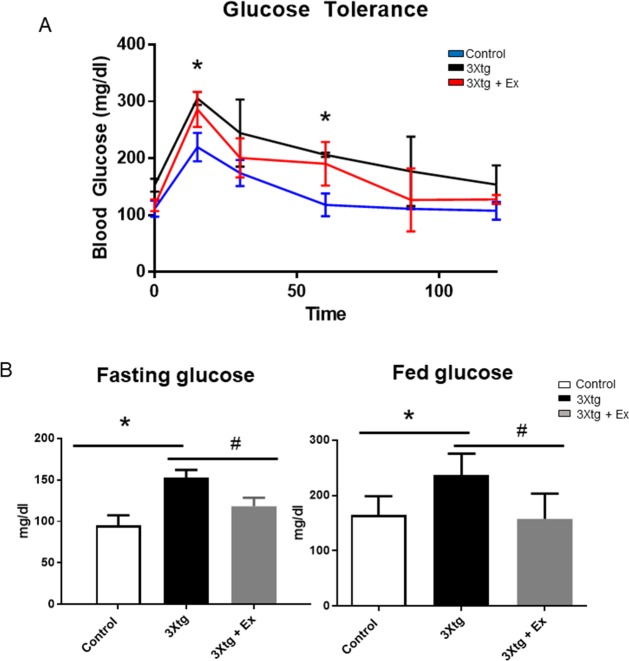
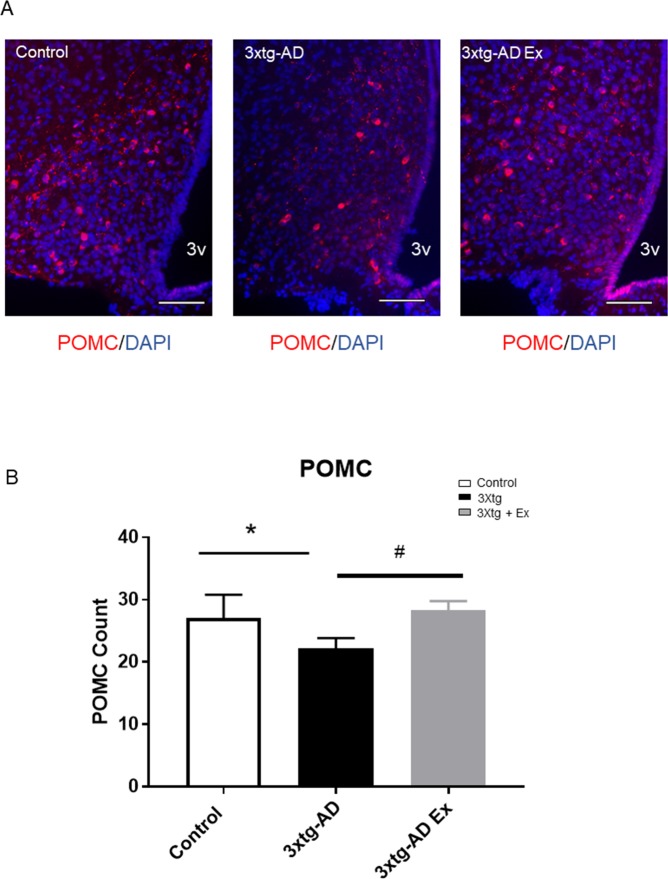
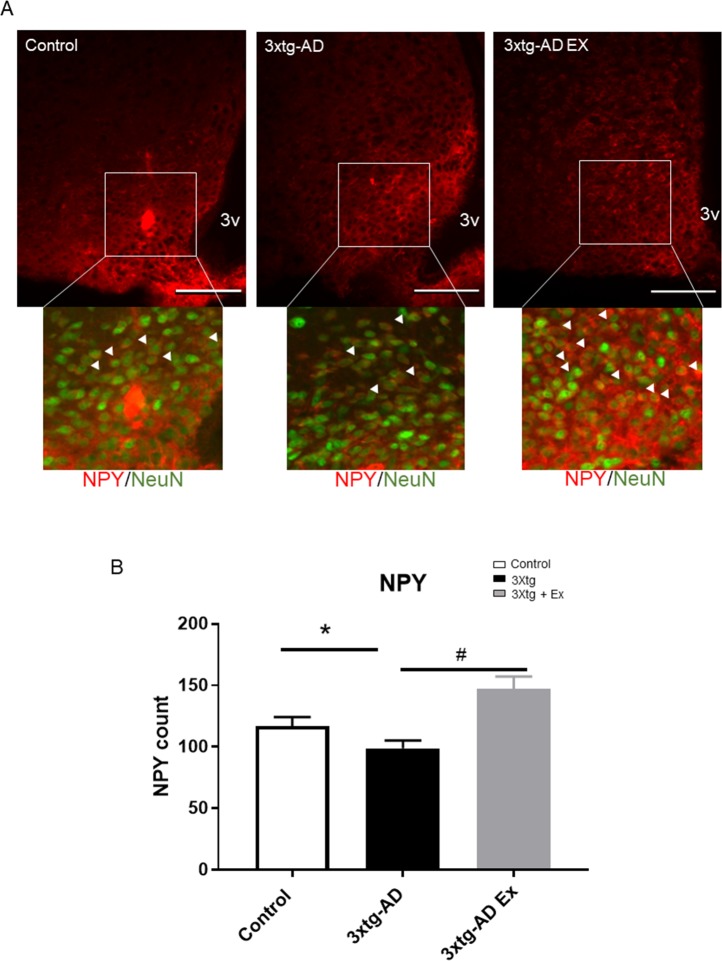
Alzheimer's disease is a neurodegenerative disorder that affects the central nervous system. In this study, we characterized and examined the early metabolic changes in the triple transgenic mouse AD model (3xtg-AD), and their relationship with the hypothalamus, a key regulator of metabolism in the central nervous system. We observed that the 3xtg-AD model exhibited significantly higher oxygen consumption as well as food intake before reported amyloid plaque formation, indicating that metabolic abnormalities occurred at early onset in the 3xtg-AD model compared with their counterparts. Analysis of gene expression in the hypothalamus indicated increased mRNA expression of inflammation- and apoptosis-related genes, as well as decreased gene expression of Agouti-related protein (AgRP) and Melanocortin 4 receptor (MC4R) at 12 weeks of age. Immunofluorescence analysis revealed that pro-opiomelanocortin (POMC) and NPY-expressing neurons decreased at 24 weeks in the 3xtg-AD model. Four weeks of voluntary exercise were sufficient to reverse the gene expression of inflammation and apoptotic markers in the hypothalamus, six weeks of exercise improved glucose metabolism, moreover, 8 weeks of voluntary exercise training attenuated apoptosis and augmented POMC and NPY-expressing neuronal populations in the hypothalamus compared to the control group. Our results indicated that early onset of metabolic abnormalities may contribute to the pathology of AD, which is associated with increased inflammation as well as decreased neuronal population and key neuropeptides in the hypothalamus. Furthermore, early intervention by voluntary exercise normalized hypothalamic inflammation and neurodegeneration as well as glucose metabolism in the 3xtg-AD model. The data, taken as a whole, suggests a hypothalamic-mediated mechanism where exercise prevents the progression of dementia and of Alzheimer's disease.
阿尔茨海默病是一种影响中枢神经系统的神经退行性疾病。在本研究中,我们对三联转基因小鼠AD模型(3xtg-AD)的早期代谢变化进行了表征和检测,并研究了这些变化与下丘脑(中枢神经系统代谢的关键调节因子)之间的关系。我们观察到,在报告的淀粉样斑块形成之前,3xtg-AD模型的耗氧量和食物摄入量显著更高,这表明与对照小鼠相比,3xtg-AD模型在发病早期就出现了代谢异常。对下丘脑基因表达的分析表明,在12周龄时,炎症和凋亡相关基因的mRNA表达增加,而刺鼠相关蛋白(AgRP)和黑皮质素4受体(MC4R)的基因表达降低。免疫荧光分析显示,在3xtg-AD模型中,24周时促肾上腺皮质激素原(POMC)和表达神经肽Y(NPY)的神经元减少。四周的自愿运动足以逆转下丘脑炎症和凋亡标志物的基因表达,六周的运动改善了葡萄糖代谢,此外,与对照组相比,八周的自愿运动训练减轻了下丘脑的细胞凋亡,并增加了表达POMC和NPY的神经元数量。我们的结果表明,代谢异常的早期发生可能促成了AD的病理过程,这与下丘脑炎症增加、神经元数量减少以及关键神经肽减少有关。此外,在3xtg-AD模型中,通过自愿运动进行早期干预可使下丘脑炎症、神经退行性变以及葡萄糖代谢恢复正常。总体而言,这些数据提示了一种下丘脑介导的机制,即运动可预防痴呆和阿尔茨海默病的进展。