From the Molecular Medicine Program (H.S., J.W.R., R.A.C., B.K.M., G.A.Z., A.S.W., M.T.R.), Department of Internal Medicine (H.S., J.W.R., G.A.Z., A.S.W., M.T.R.), and Department of Surgery, Division of Vascular Surgery (H.S.), University of Utah, Salt Lake City; Department of Internal Medicine, George E. Wahlen Salt Lake City VAMC, UT (M.T.R.); Department of Immunology and Transfusion Medicine (U.T.) and Lichtenberg-Professor for Experimental Hemostasis (H.S.), University of Greifswald, Germany; and Division of Medical Biotechnology, Paul-Ehrlich-Institut, Langen, Germany (G.G.S.).
Arterioscler Thromb Vasc Biol. 2018 Apr;38(4):801-815. doi: 10.1161/ATVBAHA.117.310552. Epub 2018 Jan 4.
One source of endogenous reverse transcriptase (eRT) activity in nucleated cells is the LINE-1/L1 (long interspersed nuclear element-1), a non-LTR retrotransposon that is implicated in the regulation of gene expression. Nevertheless, the presence and function of eRT activity and LINE-1 in human platelets, an anucleate cell, has not previously been determined.
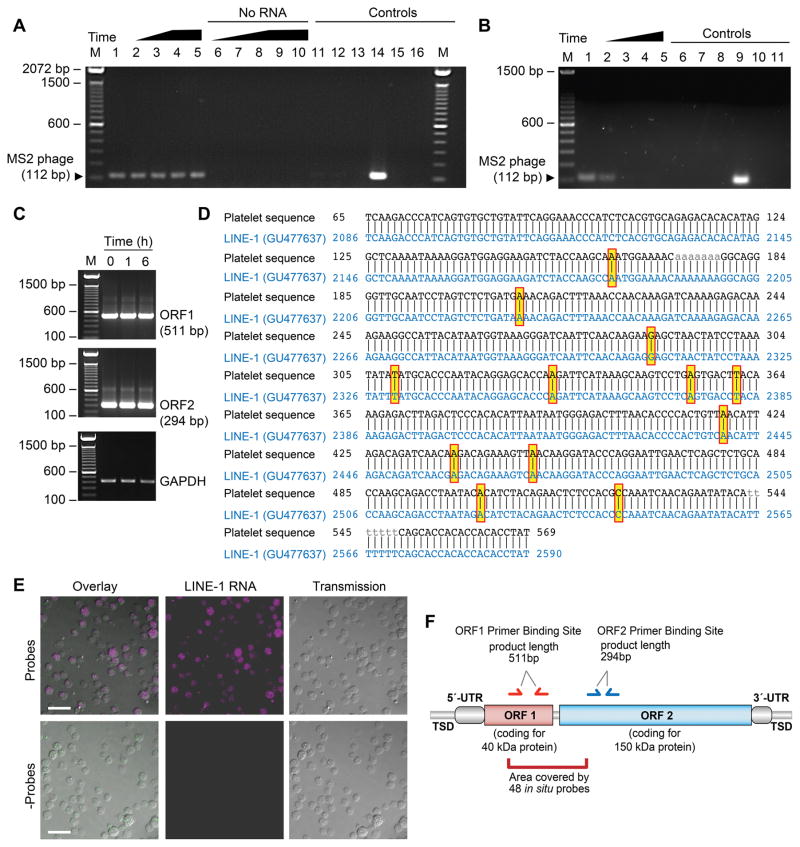
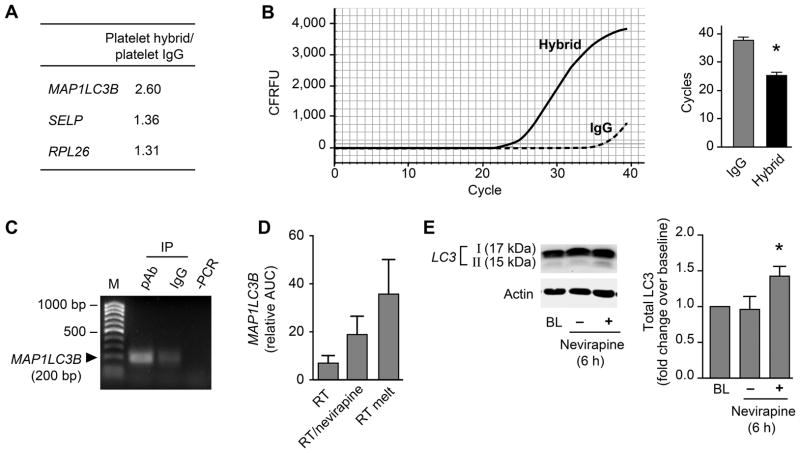
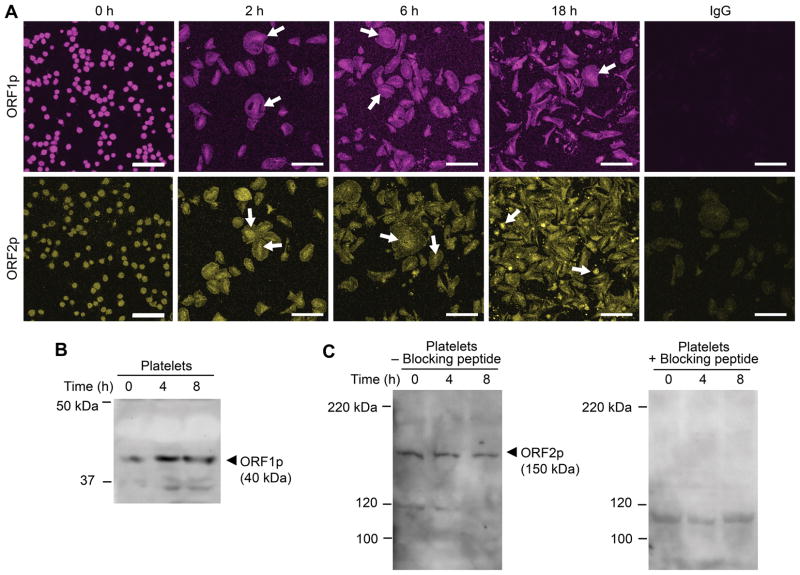
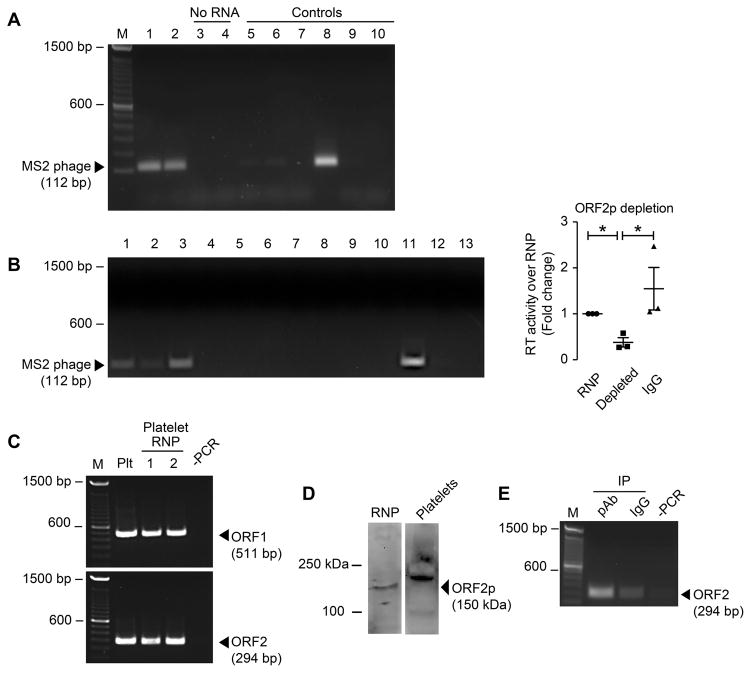
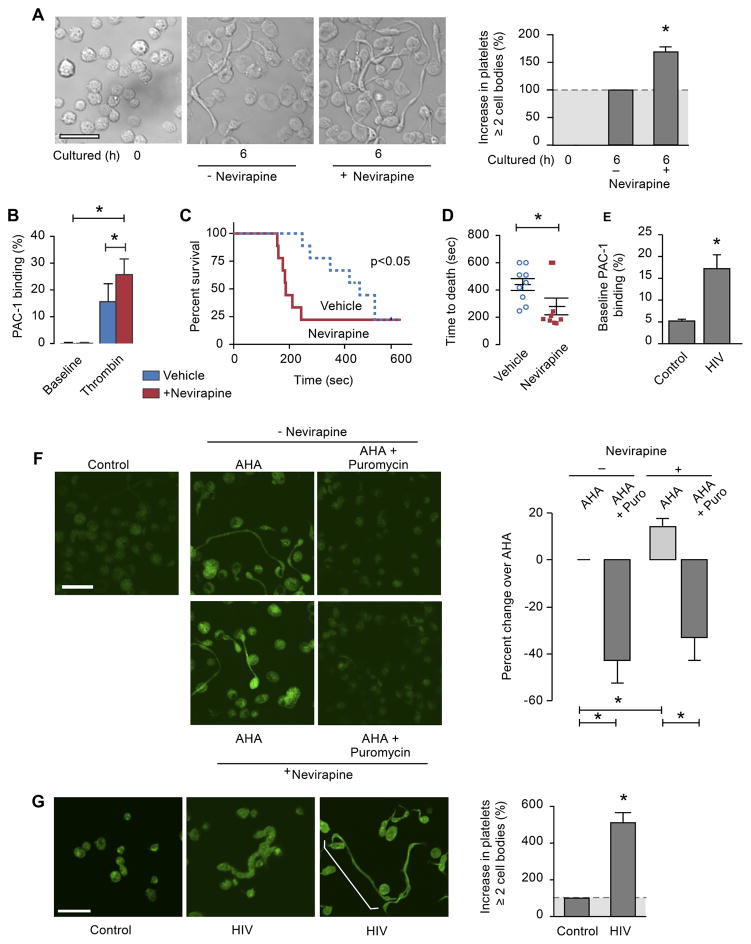
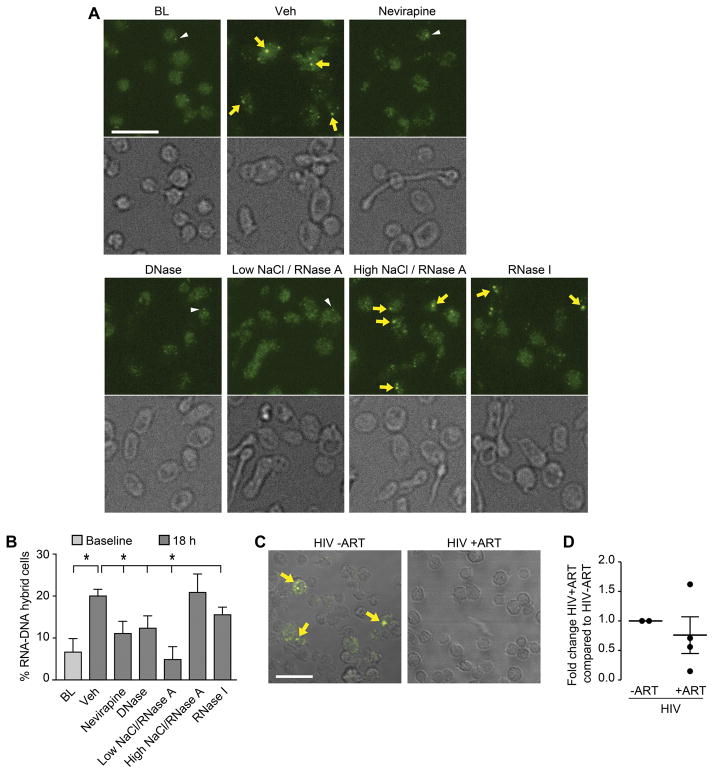
We demonstrate that human and murine platelets possess robust eRT activity and identify the source as being LINE-1 ribonucleoprotein particles. Inhibition of eRT in vitro in isolated platelets from healthy individuals or in people with HIV treated with RT inhibitors enhanced global protein synthesis and platelet activation. If HIV patients were treated with reverse transcriptase inhibitor, we found that platelets from these patients had increased basal activation. We next discovered that eRT activity in platelets controlled the generation of RNA-DNA hybrids, which serve as translational repressors. Inhibition of platelet eRT lifted this RNA-DNA hybrid-induced translational block and was sufficient to increase protein expression of target RNAs identified by RNA-DNA hybrid immunoprecipitation.
Thus, we provide the first evidence that platelets possess L1-encoded eRT activity. We also demonstrate that platelet eRT activity regulates platelet hyperreactivity and thrombosis and controls RNA-DNA hybrid formation and identify that RNA-DNA hybrids function as a novel translational control mechanism in human platelets.
有核细胞内源性逆转录酶(eRT)活性的一个来源是 LINE-1/L1(长散布核元件-1),它是非 LTR 逆转录转座子,与基因表达调控有关。然而,在无核细胞血小板中,eRT 活性和 LINE-1 的存在及其功能尚未确定。
我们证明人类和鼠类血小板具有强大的 eRT 活性,并确定其来源是 LINE-1 核糖核蛋白颗粒。在体外抑制来自健康个体或接受 RT 抑制剂治疗的 HIV 患者的分离血小板中的 eRT,增强了整体蛋白质合成和血小板激活。如果 HIV 患者接受逆转录酶抑制剂治疗,我们发现这些患者的血小板基础激活增加。我们接下来发现,血小板中的 eRT 活性控制 RNA-DNA 杂交的产生,后者作为翻译抑制剂。抑制血小板中的 eRT 可消除这种 RNA-DNA 杂交诱导的翻译阻断,并足以增加通过 RNA-DNA 杂交免疫沉淀鉴定的靶 RNA 的蛋白质表达。
因此,我们首次提供了证据证明血小板具有 L1 编码的 eRT 活性。我们还证明,血小板 eRT 活性调节血小板过度反应性和血栓形成,并控制 RNA-DNA 杂交的形成,并确定 RNA-DNA 杂交在人类血小板中作为一种新的翻译控制机制发挥作用。