Yang Min Jae, Kim Jin Hong, Hwang Jae Chul, Yoo Byung Moo, Kim Soon Sun, Lim Sun Gyo, Won Je Hwan
Department of Gastroenterology Department of Radiology, Ajou University School of Medicine, Suwon, South Korea.
Medicine (Baltimore). 2017 Dec;96(48):e8991. doi: 10.1097/MD.0000000000008991.
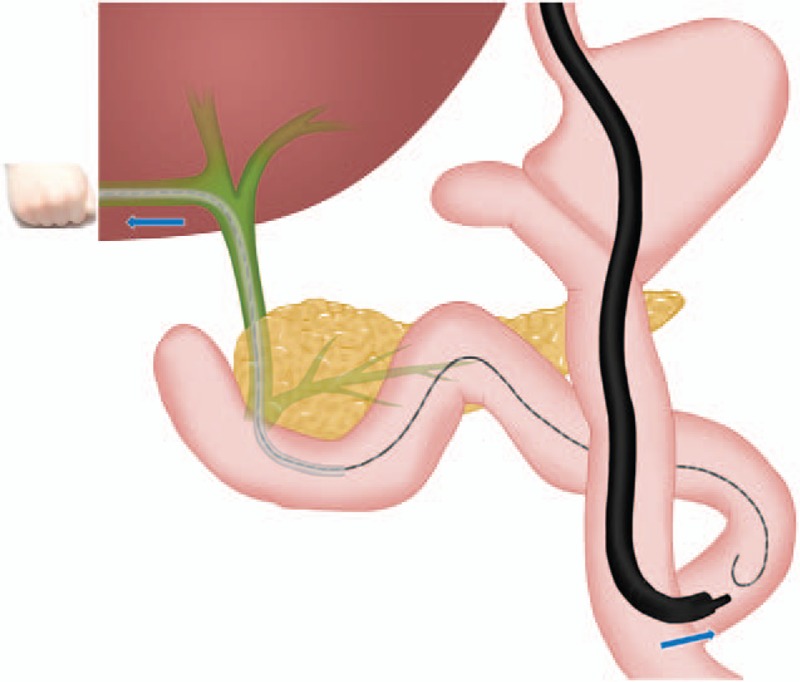
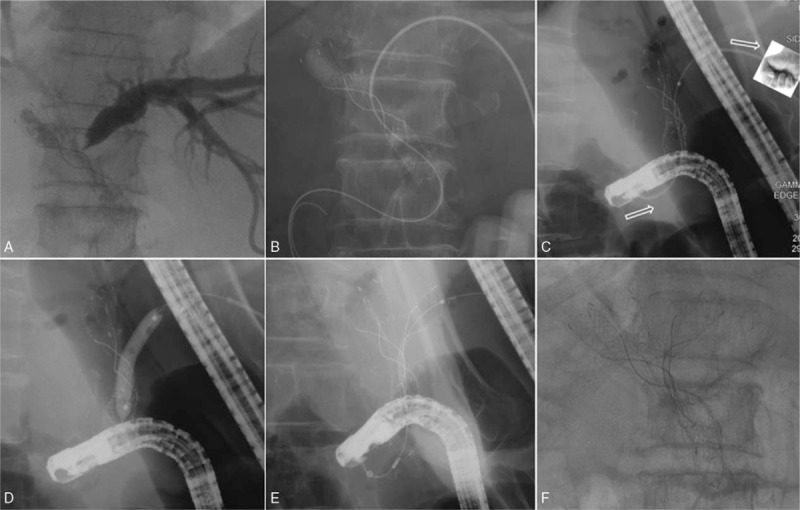
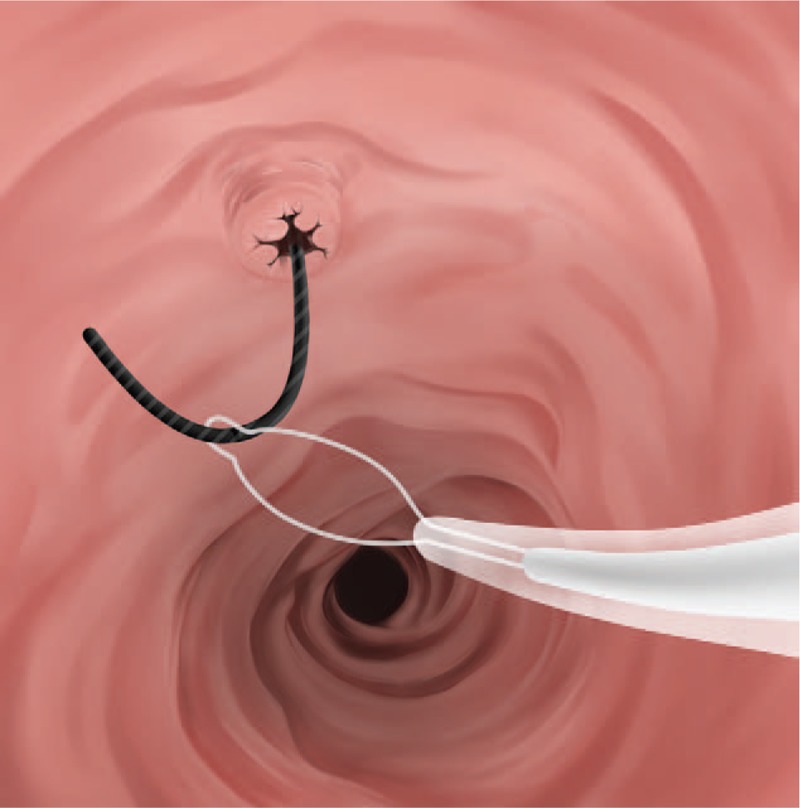
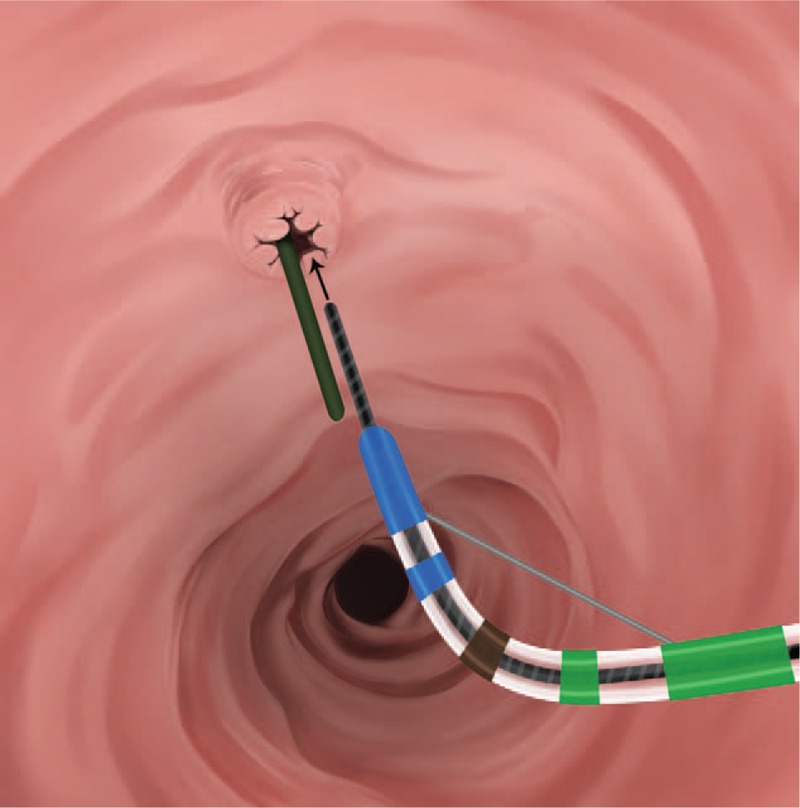
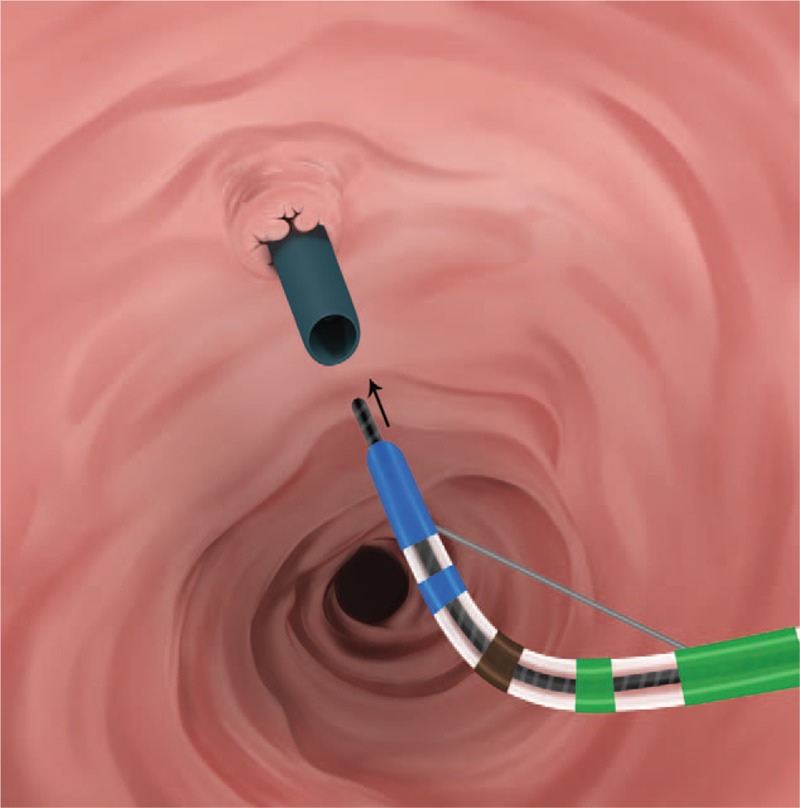
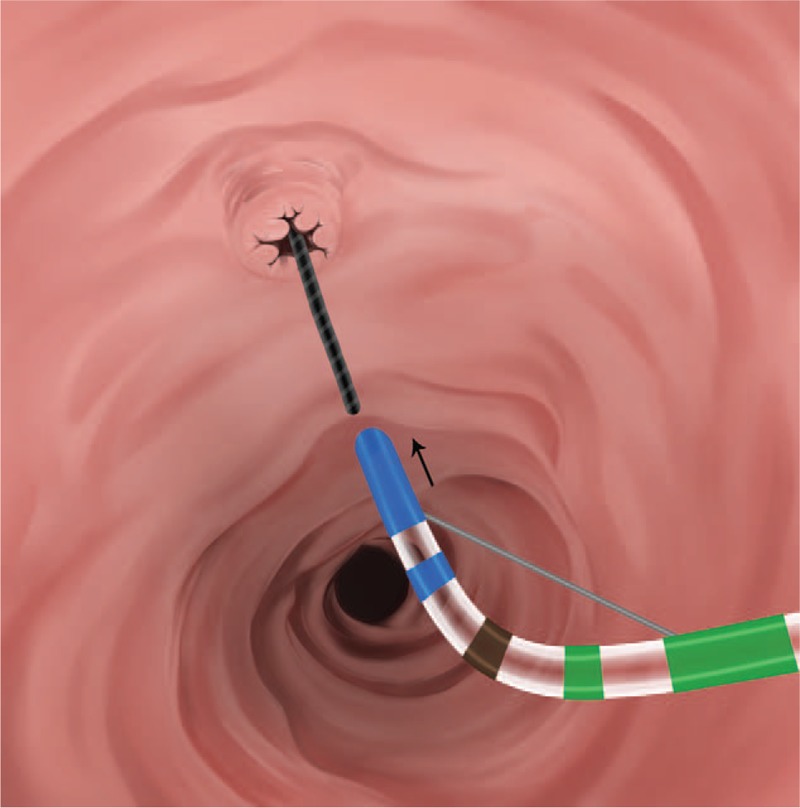
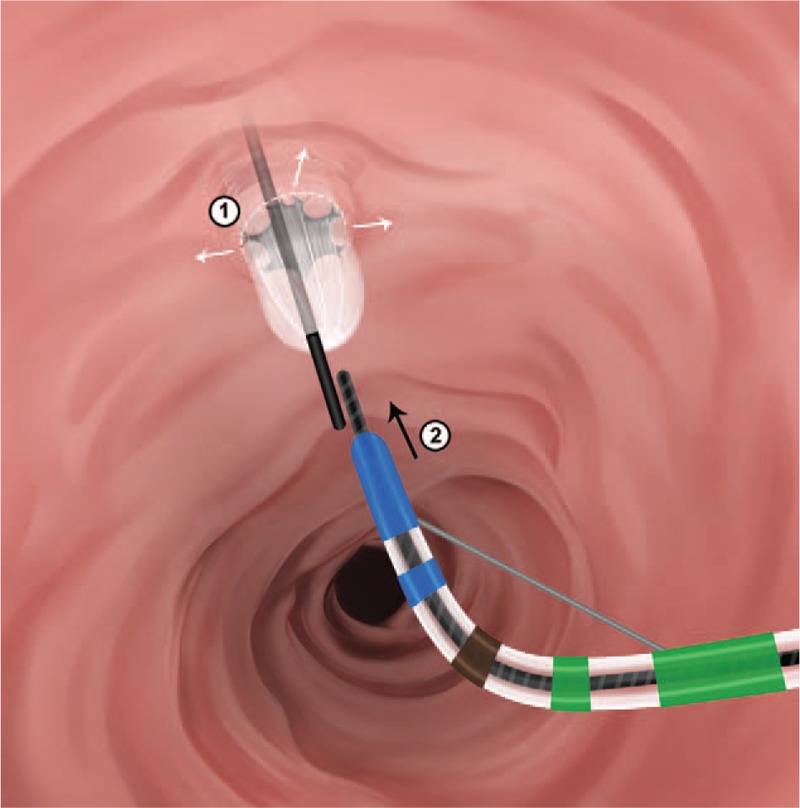
The rendezvous approach is a salvage technique after failure of endoscopic retrograde cholangiography (ERC). In certain circumstances, percutaneous-endoscopic rendezvous (PE-RV) is preferred, and endoscopic ultrasound-guided rendezvous (EUS-RV) is difficult to perform. We aimed to evaluate PE-RV outcomes, describe the PE-RV techniques, and identify potential indications for PE-RV over EUS-RV.Retrospective analysis was conducted of a prospectively designed ERC database between January 2005 and December 2016 at a tertiary referral center including cases where PE-RV was used as a salvage procedure after ERC failure.During the study period, PE-RV was performed in 42 cases after failed therapeutic ERC; 15 had a surgically altered enteric anatomy. The technical success rate of PE-RV was 92.9% (39/42), with a therapeutic success rate of 88.1% (37/42). Potential indications for PE-RV over EUS-RV were identified in 23 cases, and either PE-RV or EUS-RV could have effectively been used in 19 cases. Endoscopic bile duct access was successfully achieved with PE-RV in 39 cases with accessible biliary orifice using one of PE-RV cannulation techniques (classic, n = 11; parallel, n = 19; and adjunctive maneuvers, n = 9).PE-RV uses a unique technology and has clinical indications that distinguish it from EUS-RV. Therefore, PE-RV can still be considered a useful salvage technique for the treatment of biliary obstruction after ERC failure.
会师法是内镜逆行胆管造影术(ERC)失败后的一种挽救技术。在某些情况下,经皮内镜会师术(PE-RV)更受青睐,而内镜超声引导下会师术(EUS-RV)则难以实施。我们旨在评估PE-RV的疗效,描述PE-RV技术,并确定PE-RV相对于EUS-RV的潜在适应证。
对2005年1月至2016年12月在一家三级转诊中心前瞻性设计的ERC数据库进行回顾性分析,纳入将PE-RV用作ERC失败后的挽救程序的病例。
在研究期间,42例治疗性ERC失败后进行了PE-RV;15例患者存在手术改变的肠道解剖结构。PE-RV的技术成功率为92.9%(39/42),治疗成功率为88.1%(37/42)。23例病例确定了PE-RV相对于EUS-RV的潜在适应证,19例病例PE-RV或EUS-RV均可有效使用。39例可触及胆管开口的病例通过PE-RV插管技术(经典法,n = 11;平行法,n = 19;辅助操作,n = 9)之一成功实现了内镜胆管通路。
PE-RV采用独特技术,具有区别于EUS-RV的临床适应证。因此,PE-RV仍可被视为ERC失败后治疗胆管梗阻的一种有用的挽救技术。