Department of Pharmacology, The Nippon Dental University School of Life Dentistry at Tokyo, 1-9-20 Fujimi, Chiyoda-ku, Tokyo, 102-8159, Japan.
Department of Periodontology, Graduate School of Medical and Dental Sciences, Tokyo Medical and Dental University (TMDU), 1-5-45 Yushima, Bunkyo-ku, Tokyo, 113-8510, Japan.
Hum Cell. 2018 Apr;31(2):127-138. doi: 10.1007/s13577-017-0198-2. Epub 2018 Jan 8.
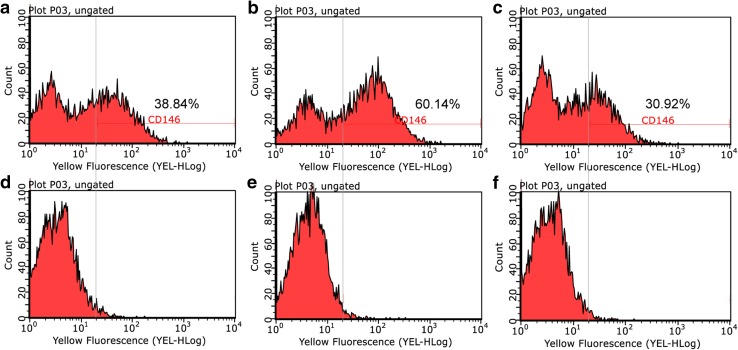
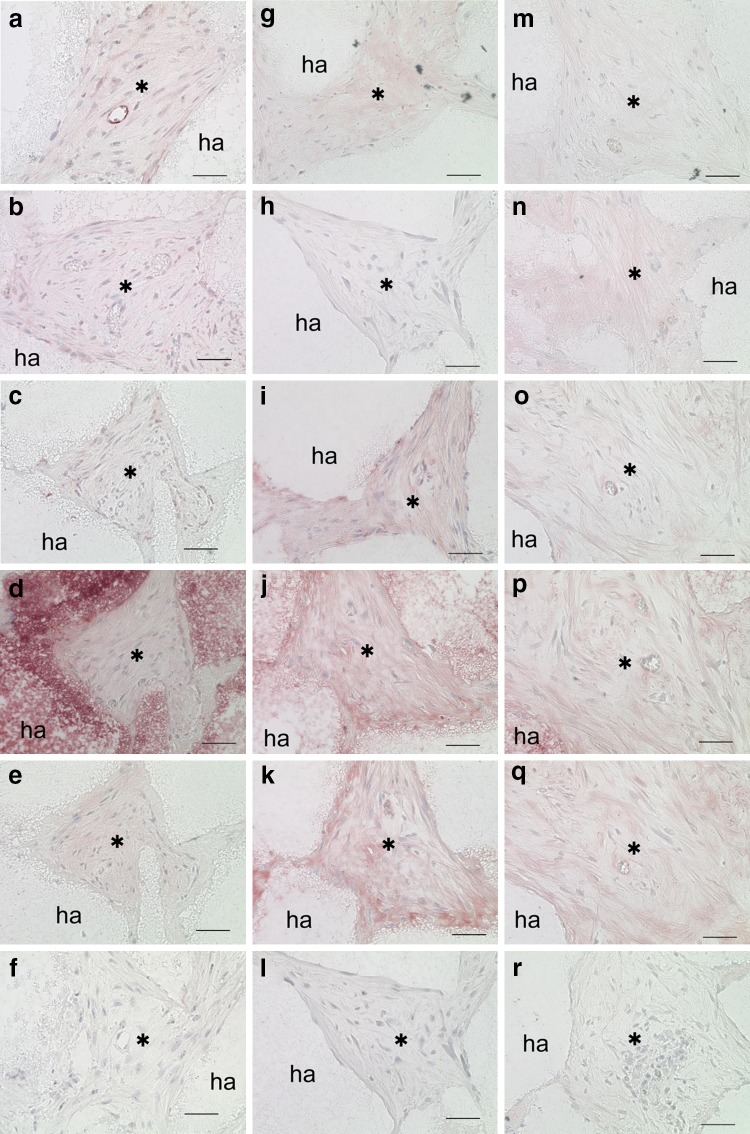
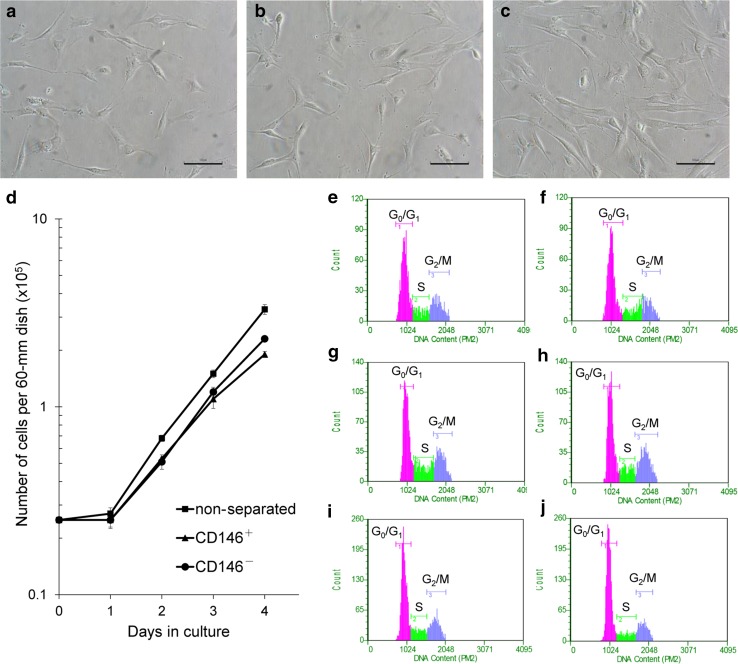
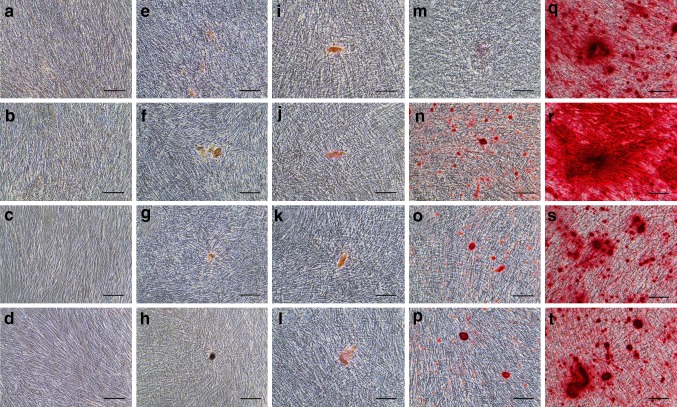
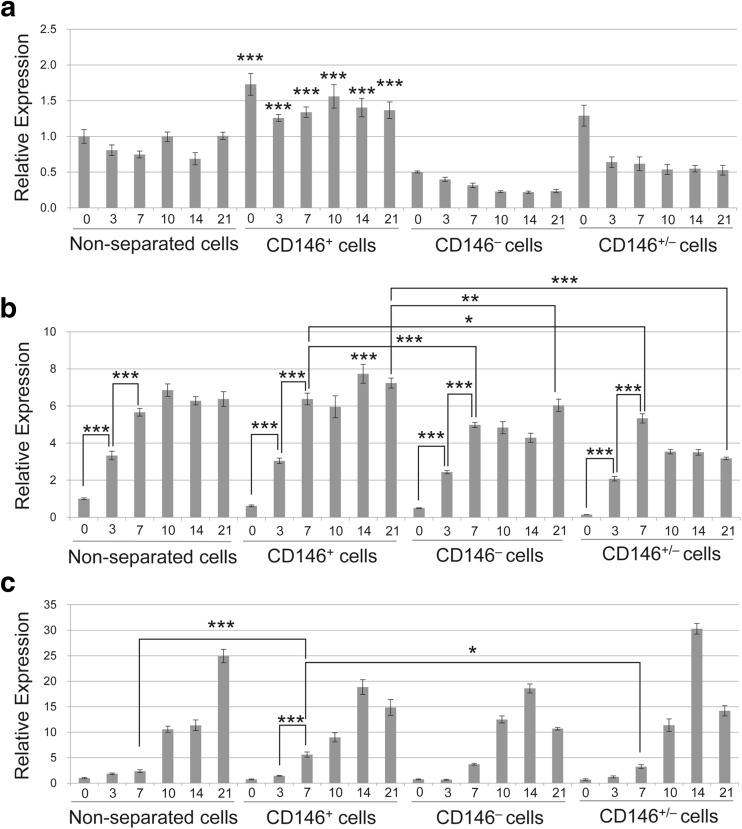
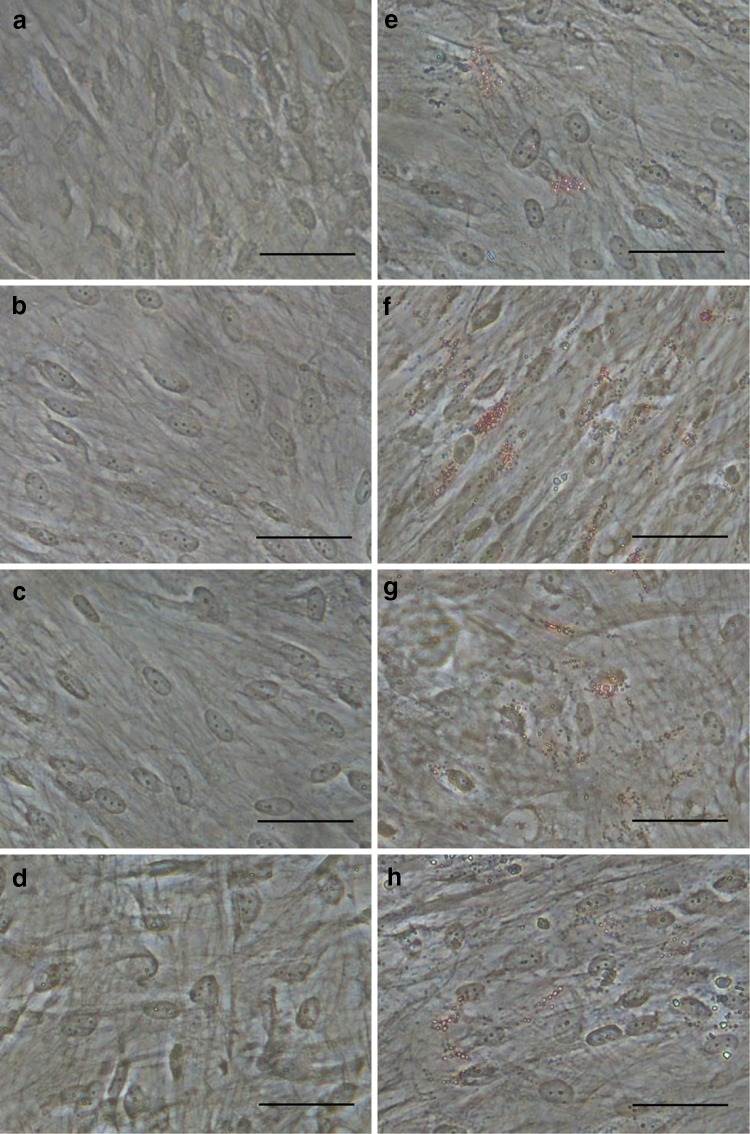
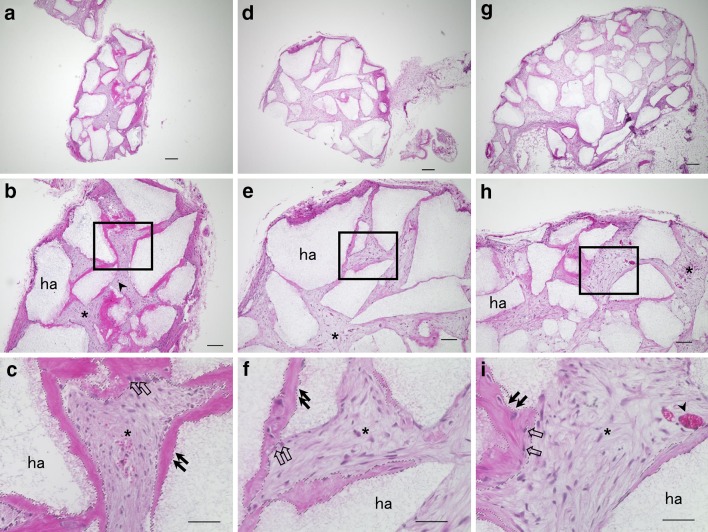
CD146 and STRO-1 are endothelial biomarkers that are co-expressed on the cellular membranes of blood vessels within human dental pulp tissue. This study characterized the percentage of dentin-like structures produced by CD146-positive (CD146) human dental pulp stem cells (DPSCs), compared with their CD146-negative (CD146) counterparts. DPSC populations were enriched using magnetic-activated cell sorting (MACS), yielding CD146 and CD146 cells, as well as mixtures composed of 25% CD146 cells and 75% CD146 cells (CD146). Cell growth assays indicated that CD146 cells exhibit an approximate 3-4 h difference in doubling time, compared with CD146 cells. Cell cycle distributions were determined by flow cytometry analysis. The low percentage of CD146 cells' DNA content in G/G phase were compared with CD146 and non-separated cells. In contrast to CD146 and non-separated cells, prompt mineralization was observed in CD146 cells. Subsequently, qRT-PCR revealed high mRNA expression of CD146 and Alkaline phosphatase in mineralization-induced CD146 cells. CD146 cells were also observed high adipogenic ability by Oil red O staining. Histological examinations revealed an increased area of dentin/pulp-like structures in transplanted CD146 cells, compared with CD146 and CD146 cells. Immunohistochemical studies detected dentin matrix protein-1 (DMP1) and dentin sialophosphoprotein (DSPP), as well as human mitochondria, in transplanted DPSCs. Co-expression of CD146 and GFP indicated that CD146 was expressed in transplanted CD146 cells. CD146 cells may promote mineralization and generate dentin/pulp-like structures, suggesting a role in self-renewal of stem cells and dental pulp regenerative therapy.
CD146 和 STRO-1 是血管内皮生物标志物,共同表达于人牙髓组织的血管细胞膜上。本研究比较了 CD146 阳性(CD146)人牙髓干细胞(DPSCs)与 CD146 阴性(CD146)对照物产生牙本质样结构的百分比。使用磁性激活细胞分选(MACS)对 DPSC 进行富集,得到 CD146 和 CD146 细胞,以及由 25% CD146 细胞和 75% CD146 细胞(CD146)组成的混合物。细胞生长试验表明,CD146 细胞的倍增时间比 CD146 细胞长约 3-4 小时。通过流式细胞术分析确定细胞周期分布。与 CD146 和未分离细胞相比,CD146 细胞的 G/G 期 DNA 含量百分比较低。与 CD146 和未分离细胞相比,CD146 细胞迅速矿化。随后,qRT-PCR 显示矿化诱导的 CD146 细胞中 CD146 和碱性磷酸酶的 mRNA 表达水平较高。通过油红 O 染色观察到 CD146 细胞具有较高的成脂能力。组织学检查显示,与 CD146 和 CD146 细胞相比,移植的 CD146 细胞中有更多的牙本质/牙髓样结构区域。免疫组织化学研究检测到移植的 DPSCs 中牙本质基质蛋白-1(DMP1)和牙本质涎磷蛋白(DSPP)以及人线粒体。CD146 和 GFP 的共表达表明 CD146 在移植的 CD146 细胞中表达。CD146 细胞可能促进矿化并产生牙本质/牙髓样结构,提示其在干细胞自我更新和牙髓再生治疗中发挥作用。