Khosravi Ahmad, Sharifi Iraj, Fekri Alireza, Kermanizadeh Alireza, Bamorovat Mehdi, Mostafavi Mahshid, Aflatoonian Mohammad Reza, Keyhani Alireza
Leishmaniasis Research Center, Kerman University of Medical Sciences, Kerman, Iran.
Research Center of Tropical and Infectious Diseases, Kerman University of Medical Sciences, Kerman, Iran.
Iran J Parasitol. 2017 Oct-Dec;12(4):544-553.
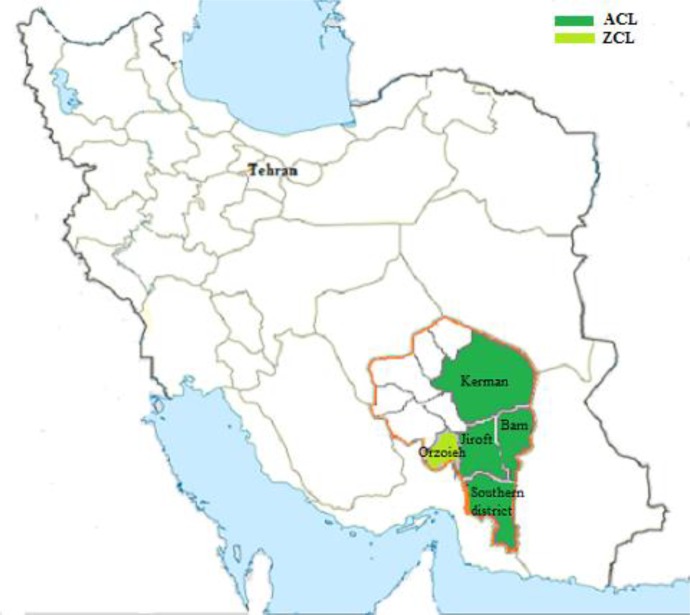
Cutaneous leishmaniasis (CL) is associated with a broad and complex clinical spectrum of diseases. The objectives of this study were to assess the clinical features and identification of the causative agents of CL in a well-known focus of anthroponotic CL (ACL) caused by , southeast Iran.
This study was performed randomly as a descriptive cross-sectional survey to evaluate 2000 CL patients by active and passive case-detection approaches in Kerman Province from 1994 to 2014. The ACL patients were confirmed by direct smear and 600 cases by one or a combination of intrinsic methods.
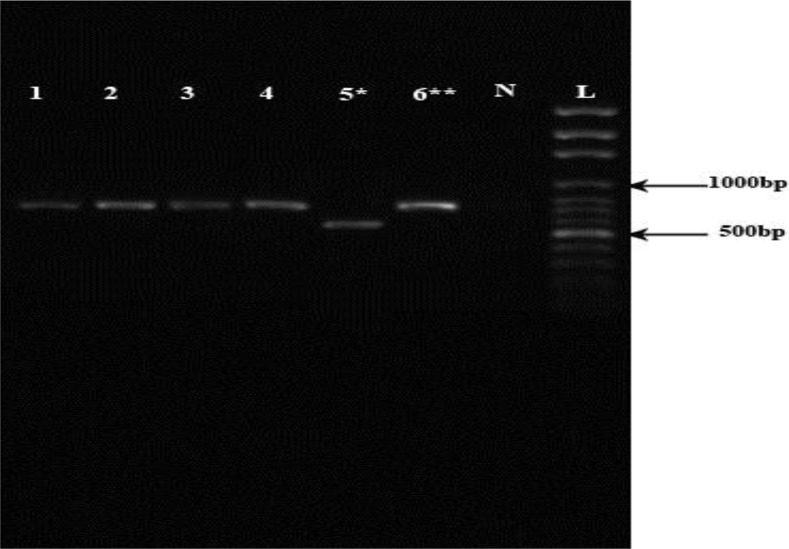
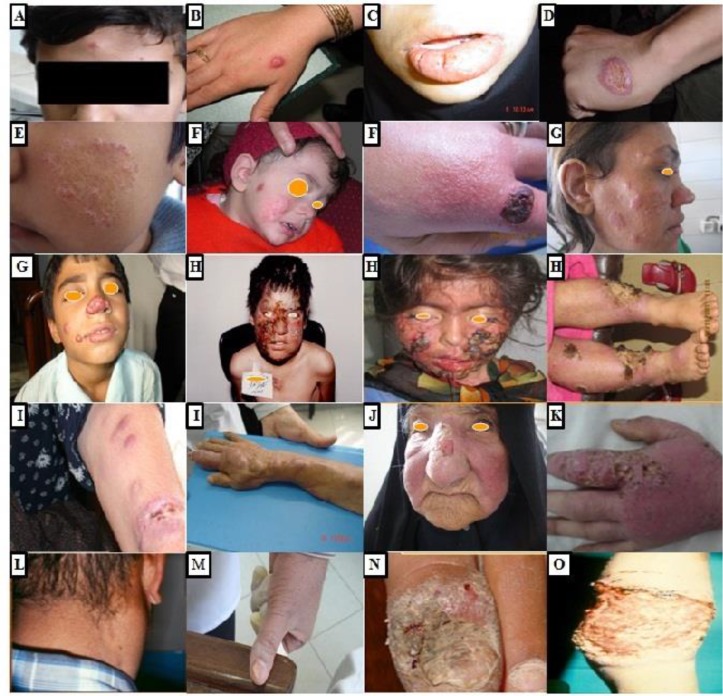
Children aged <10 yr old were the most infected patients (<0.001). The majority of the CL lesions were located in hands (46.3%), face (34.1%), legs (14.3%), and other parts of the body (5.3%). The mean number of lesions was 1.5 and most of the patients had single lesion (65%).Typical clinical lesions included papule (36.8%), followed by ulcerated nodule (20.7%), plaque (18.4%), and ulcerated plaque (18.5%). While among atypical clinical features, leishmaniasis recidivans (LR) (4.7%) and leishmanid (0.3%) were the dominant forms, followed by diffuse, disseminated, sporotrichoid, and erysipeloid types, 0.1% each, and then lymphedematous, lymphadenic, hyperkeratotic, paronychial, and mutilating types, 0.05% each. Based on various intrinsic methods the parasites isolated from the lesions were characterized as
ACL due to presents numerous cases of localized form and diverse uncommon clinical presentations, which mimic other disease conditions. Therefore, physicians should be aware of such manifestations for selecting appropriate treatment modality.
皮肤利什曼病(CL)与广泛而复杂的疾病临床谱相关。本研究的目的是评估伊朗东南部一个由[具体病原体名称未给出]引起的人源性皮肤利什曼病(ACL)知名疫源地中CL的临床特征并鉴定病原体。
本研究作为一项描述性横断面调查随机进行,于1994年至2014年通过主动和被动病例检测方法对克尔曼省的2000例CL患者进行评估。ACL患者通过直接涂片确诊,600例通过一种或多种固有方法确诊。
10岁以下儿童是感染最多的患者(<0.001)。大多数CL皮损位于手部(46.3%)、面部(34.1%)、腿部(14.3%)和身体其他部位(5.3%)。皮损的平均数量为1.5个,大多数患者有单个皮损(65%)。典型临床皮损包括丘疹(36.8%),其次是溃疡结节(20.7%)、斑块(18.4%)和溃疡斑块(18.5%)。而非典型临床特征中,复发型利什曼病(LR)(4.7%)和利什曼疹(0.3%)是主要形式,其次是弥漫型、播散型、孢子丝菌病样型和丹毒样型,各占0.1%,然后是淋巴水肿型、淋巴结型、角化过度型、甲沟炎型和毁形型,各占0.05%。基于各种固有方法,从皮损中分离出的寄生虫被鉴定为
由[具体病原体名称未给出]引起的ACL存在大量局限性病例以及多种不常见的临床表现,这些表现类似其他疾病情况。因此,医生应了解此类表现以选择合适的治疗方式。