Goodspeed Kimberly, Newsom Cassandra, Morris Mary Ann, Powell Craig, Evans Patricia, Golla Sailaja
1 University of Texas Southwestern Medical School, Dallas, TX, USA.
2 Children's Health, Dallas, TX, USA.
J Child Neurol. 2018 Mar;33(3):233-244. doi: 10.1177/0883073817750490. Epub 2018 Jan 10.
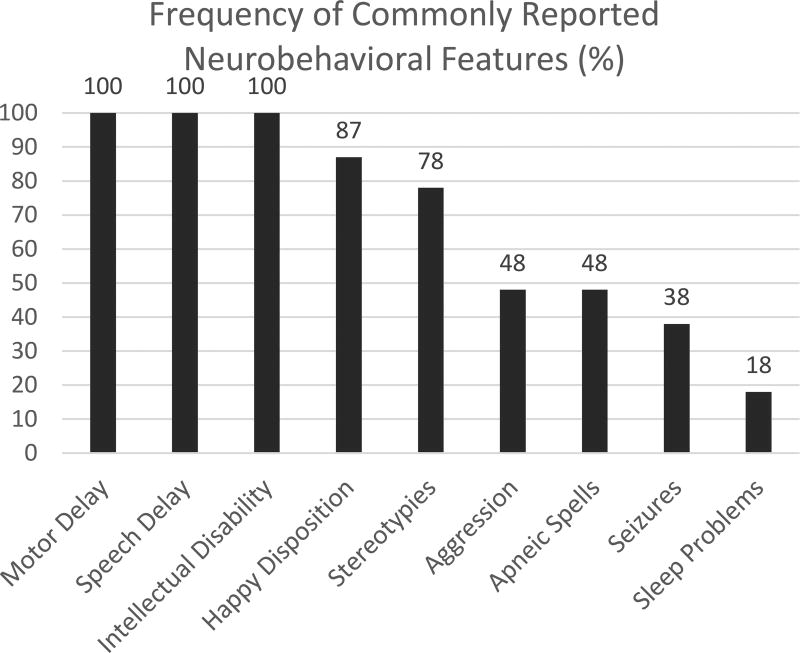
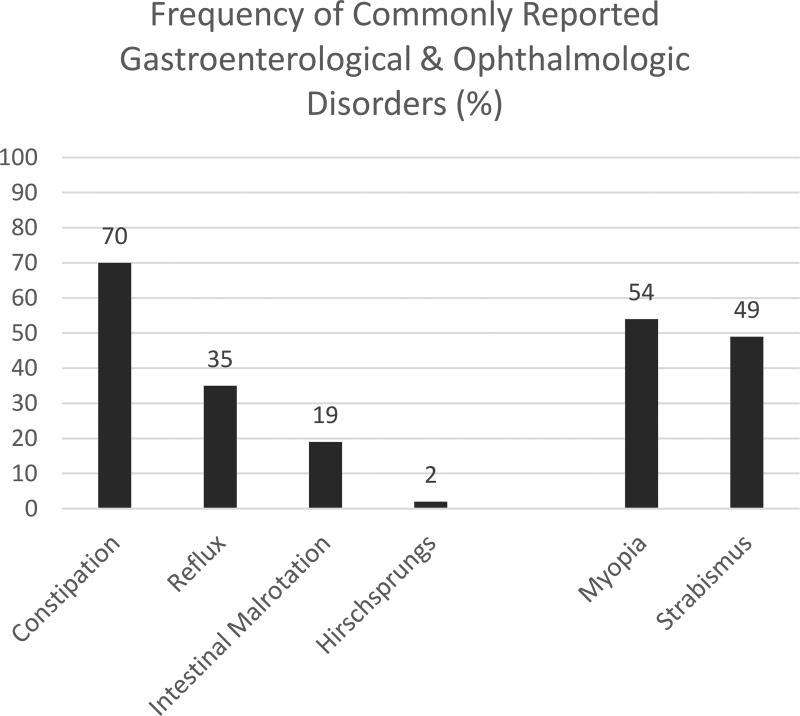
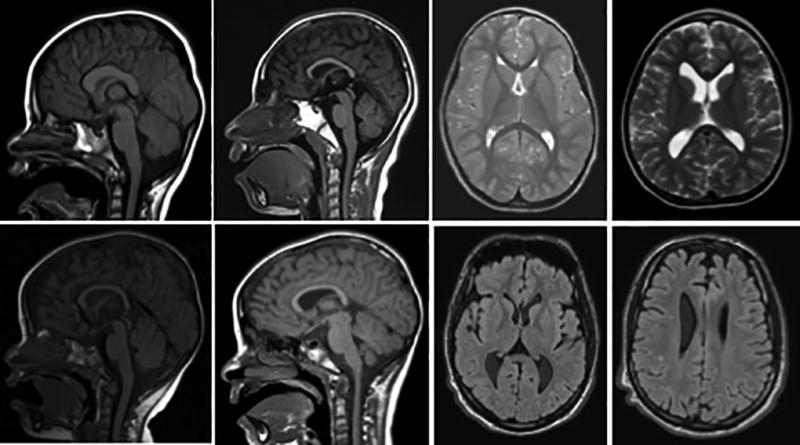
Pitt-Hopkins syndrome (PTHS) is a rare, genetic disorder caused by a molecular variant of TCF4 which is involved in embryologic neuronal differentiation. PTHS is characterized by syndromic facies, psychomotor delay, and intellectual disability. Other associated features include early-onset myopia, seizures, constipation, and hyperventilation-apneic spells. Many also meet criteria for autism spectrum disorder. Here the authors present a series of 23 PTHS patients with molecularly confirmed TCF4 variants and describe 3 unique individuals. The first carries a small deletion but does not exhibit the typical facial features nor the typical pattern of developmental delay. The second exhibits typical facial features, but has attained more advanced motor and verbal skills than other reported cases to date. The third displays typical features of PTHS, however inherited a large chromosomal duplication involving TCF4 from his unaffected father with somatic mosaicism. To the authors' knowledge, this is the first chromosomal duplication case reported to date.
皮特-霍普金斯综合征(PTHS)是一种罕见的遗传性疾病,由参与胚胎神经元分化的TCF4分子变异引起。PTHS的特征包括综合征面容、精神运动发育迟缓及智力残疾。其他相关特征包括早发性近视、癫痫、便秘和通气过度-呼吸暂停发作。许多患者还符合自闭症谱系障碍的标准。本文作者报告了一系列23例经分子确诊的携带TCF4变异的PTHS患者,并描述了3例独特个体。第一例患者有一个小的缺失,但未表现出典型的面部特征和典型的发育迟缓模式。第二例表现出典型的面部特征,但在运动和语言技能方面比迄今报道的其他病例更为先进。第三例表现出PTHS的典型特征,然而其从未受影响的父亲那里遗传了一个涉及TCF4的大染色体重复,并伴有体细胞镶嵌现象。据作者所知,这是迄今为止报道的首例染色体重复病例。