Hartzell Jennifer Wiener, Geary Richard, Gyure Kymberly, Chivukula Venkata Ravi, Haut Marc W
Department of Supportive Oncology, Levine Cancer Institute, Carolinas HealthCare System, NC 28202, USA.
Department of Neuropsychology & Psychology, Carolinas Rehabilitation, Carolinas HealthCare System, NC 28203, USA.
Neurodegener Dis Manag. 2018 Apr;8(2):81-88. doi: 10.2217/nmt-2017-0045. Epub 2018 Jan 10.
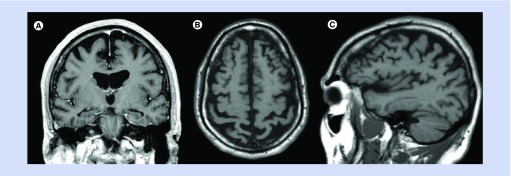
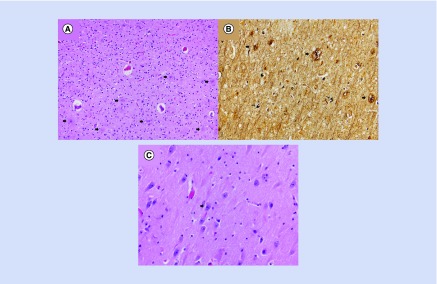
We report a case of a 57-year-old male with clinically diagnosed and autopsy-confirmed early onset Alzheimer's disease who completed suicide by gunshot wound to the chest. This case has several unique aspects that have not been discussed in previous case reports of completed suicide in Alzheimer's disease. In particular, our patient's death was highly planned with successful compensation for his cognitive deficits. After all firearms had been removed from the home as a safety precaution, he obtained a new weapon, hid it and left himself cues to find and use it. The case is discussed in the context of literature differentiating the neural circuitry propagating impulsive versus planned suicidal acts.
我们报告一例57岁男性,临床诊断并经尸检证实为早发性阿尔茨海默病,其通过胸部枪伤自杀身亡。该病例有几个独特之处,在先前关于阿尔茨海默病患者自杀身亡的病例报告中尚未讨论过。特别是,我们的患者死亡计划周密,成功弥补了其认知缺陷。作为安全预防措施,家中所有枪支都已被拿走后,他又获取了一把新枪,将其藏起来,并给自己留下寻找和使用它的线索。本文结合区分冲动性自杀行为与计划性自杀行为的神经回路的文献对该病例进行了讨论。