Department of Life Science University of Trieste, University of Trieste, 34127 Trieste, Italy.
Int J Environ Res Public Health. 2018 Jan 10;15(1):104. doi: 10.3390/ijerph15010104.
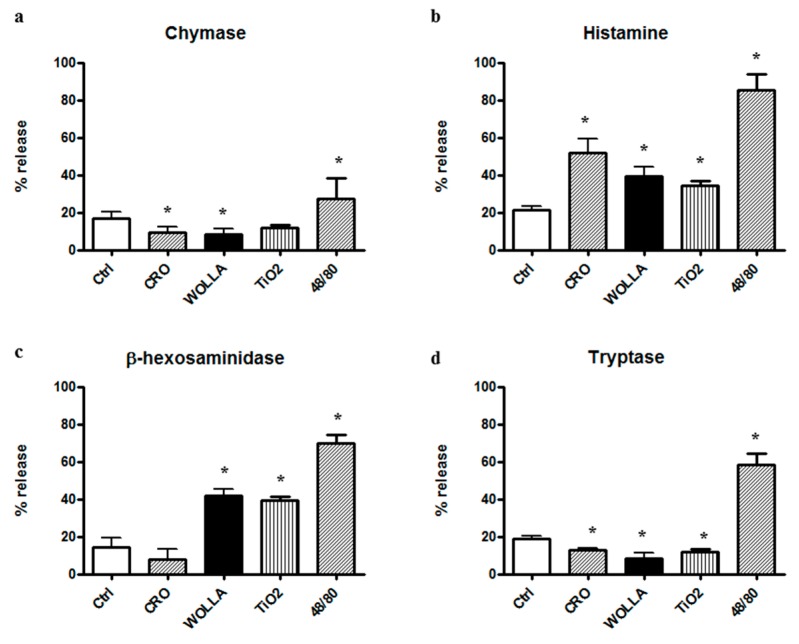
Exposure to mineral fibers is of substantial relevance to human health. A key event in exposure is the interaction with inflammatory cells and the subsequent generation of pro-inflammatory factors. Mast cells (MCs) have been shown to interact with titanium oxide (TiO₂) and asbestos fibers. In this study, we compared the response of rat peritoneal MCs challenged with the asbestos crocidolite and nanowires of TiO₂ to that induced by wollastonite employed as a control fiber.
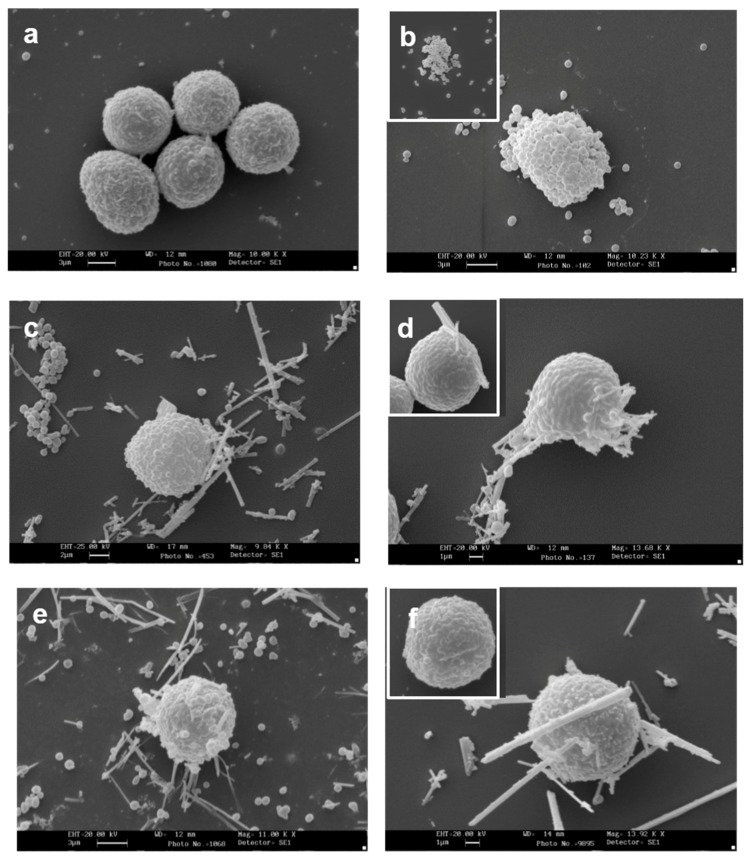
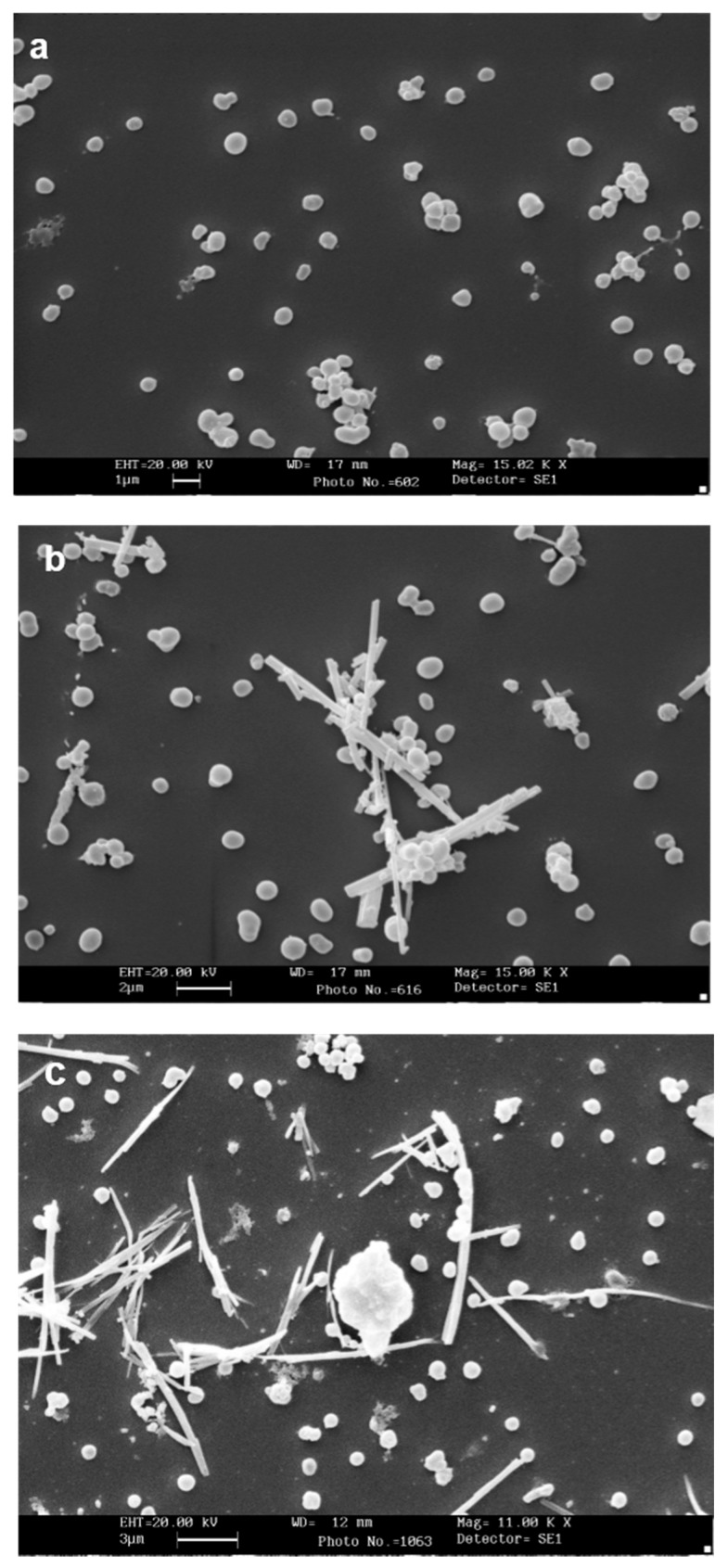
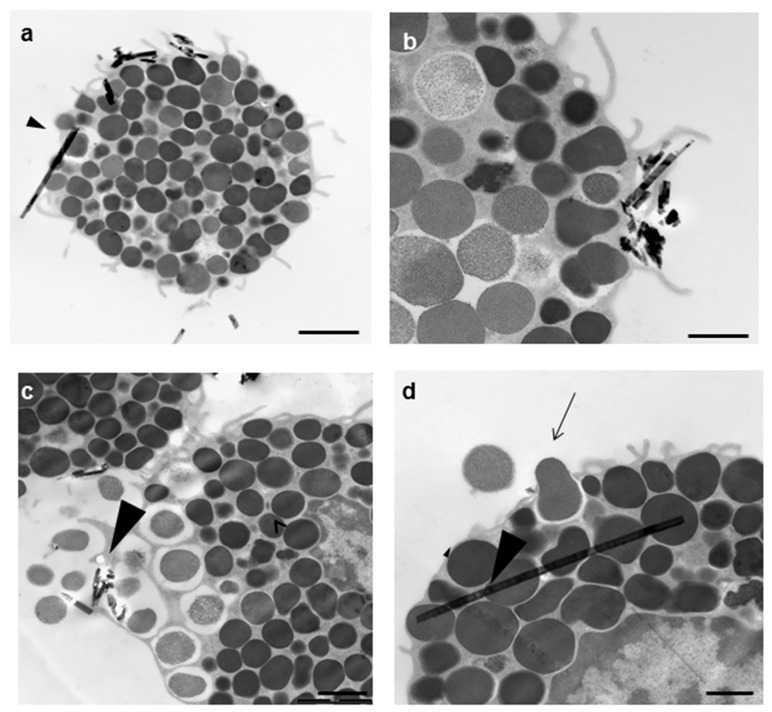
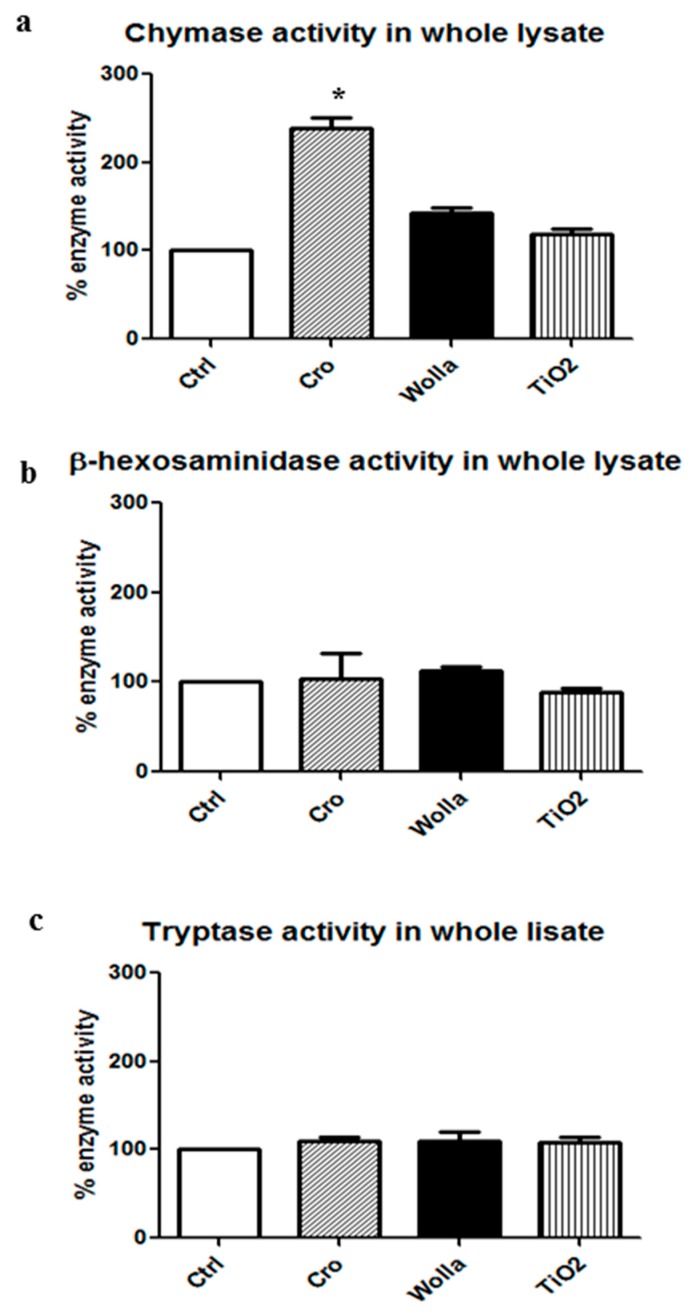
Rat peritoneal MCs (RPMCs), isolated from peritoneal lavage, were incubated in the presence of mineral fibers. The quantities of secreted enzymes were evaluated together with the activity of fiber-associated enzymes. The ultrastructural morphology of fiber-interacting RPMCs was analyzed with electron microscopy.
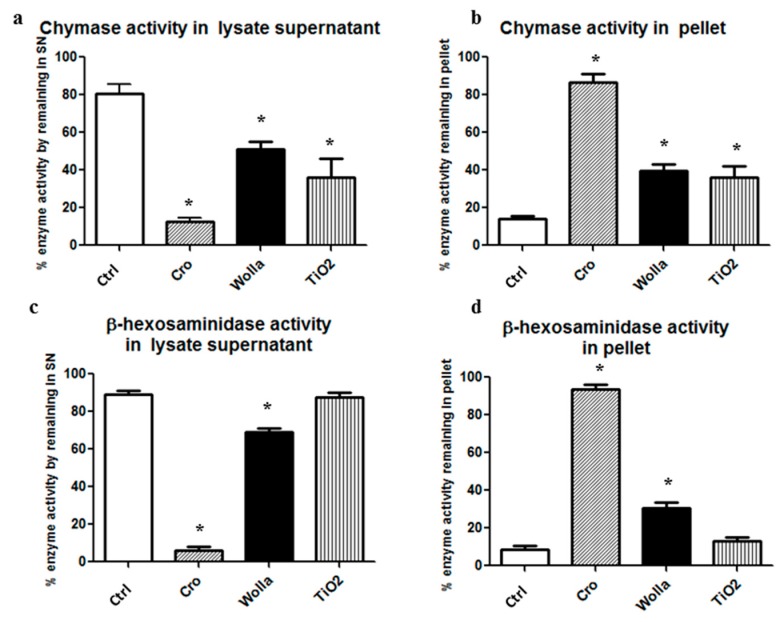
Asbestos and TiO₂ stimulate MC secretion. Secreted enzymes bind to fibers and exhibit higher activity. TiO₂ and wollastonite bind and improve enzyme activity, but to a lesser degree than crocidolite.
(1) Mineral fibers are able to stimulate the mast cell secretory process by both active (during membrane interaction) and/or passive (during membrane penetration) interaction; (2) fibers can be found to be associated with secreted enzymes-this process appears to create long-lasting pro-inflammatory environments and may represent the active contribution of MCs in maintaining the inflammatory process; (3) MCs and their enzymes should be considered as a therapeutic target in the pathogenesis of asbestos-induced lung inflammation; and (4) MCs can contribute to the inflammatory effect associated with selected engineered nanomaterials, such as TiO₂ nanoparticles.
暴露于矿物质纤维对人类健康具有重要意义。暴露的一个关键事件是与炎症细胞相互作用,以及随后产生促炎因子。已经表明肥大细胞(MC)与二氧化钛(TiO₂)和石棉纤维相互作用。在这项研究中,我们比较了大鼠腹膜肥大细胞(RPMC)与石棉青石棉和 TiO₂纳米线挑战,以及作为对照纤维的硅灰石诱导的反应。
从腹膜灌洗中分离大鼠腹膜肥大细胞(RPMC),在存在矿物质纤维的情况下孵育。评估分泌酶的量以及纤维相关酶的活性。用电子显微镜分析与纤维相互作用的 RPMC 的超微结构形态。
石棉和 TiO₂刺激 MC 分泌。分泌的酶与纤维结合并表现出更高的活性。TiO₂和硅灰石结合并提高了酶的活性,但程度低于青石棉。
(1)矿物质纤维能够通过主动(在膜相互作用期间)和/或被动(在膜穿透期间)相互作用刺激肥大细胞分泌过程; (2)纤维可以与分泌的酶相关联-这个过程似乎创造了持久的促炎环境,并可能代表 MC 维持炎症过程的积极贡献; (3)MC 及其酶应被视为石棉诱导的肺炎症发病机制中的治疗靶标; (4)MC 可导致与选定的工程纳米材料(如 TiO₂纳米粒子)相关的炎症效应。