Ibikunle Adebayo Aremu, Adeyemo Wasiu Lanre
Department of Dental and Maxillofacial Surgery, Usmanu Danfodiyo University Teaching Hospital, Sokoto, Nigeria.
Department of Oral and Maxillofacial Surgery, College of Medicine, University of Lagos, Lagos, Nigeria.
Contemp Clin Dent. 2017 Oct-Dec;8(4):545-551. doi: 10.4103/ccd.ccd_435_17.
Surgical extraction of impacted mandibular third molars is often associated with sequelae such as postoperative pain, facial edema, and limitation in mouth opening ability. These sequelae may result in changes in the patients' lifestyle and quality of life (QoL).
The aim of this study was to evaluate the effect of surgical extraction of impacted mandibular third molars on patients' QoL in the immediate postoperative period (7 days).
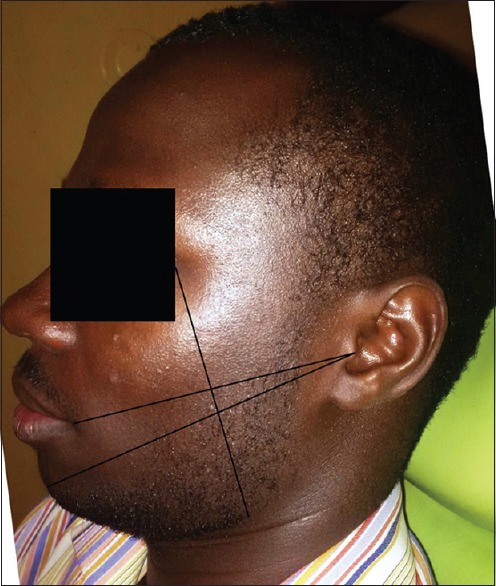
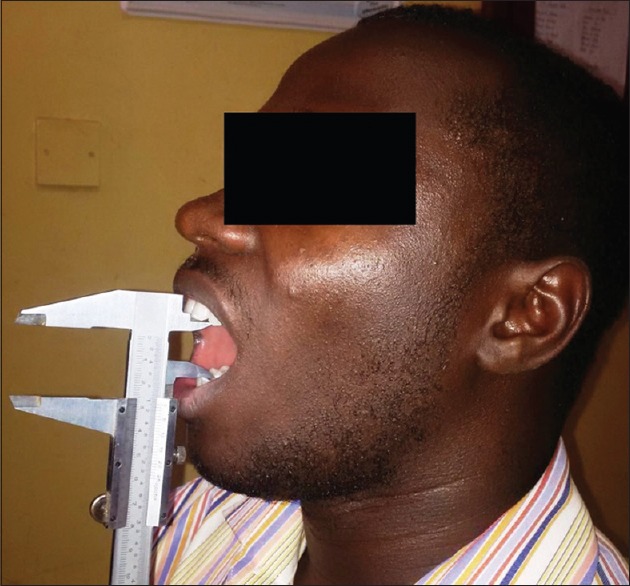
Ethical approval for this study was obtained from the Health Research and Ethics committee of the Lagos University Teaching Hospital. A total of 124 individuals with impacted mandibular third molars, who satisfied the inclusion criteria and consented to participate in this study, were included. The Oral Health Impact Profile-14 (OHIP-14) QoL questionnaire was used to assess QoL. QoL was assessed preoperatively (baseline) and on postoperative days (PODs) 1, 3, and 7. Maximal interincisal mouth opening, facial width, and pain were also reviewed at all evaluation points. Data analysis was done using the Statistical Package for Social Sciences (SPSS) for Windows (version 16.0, Chicago, IL, USA).
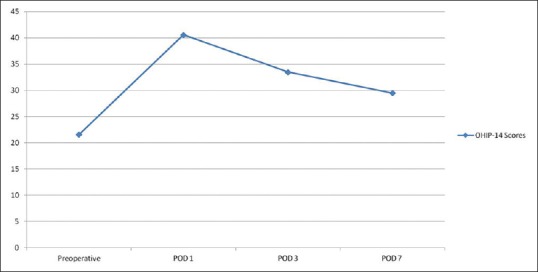
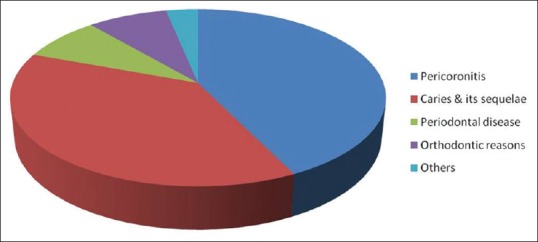
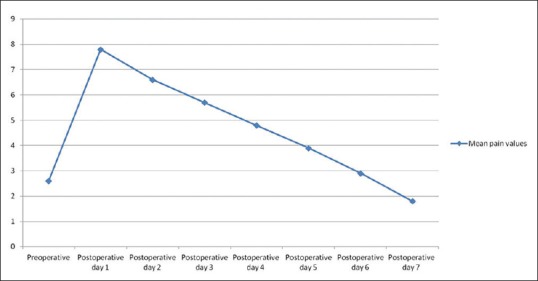
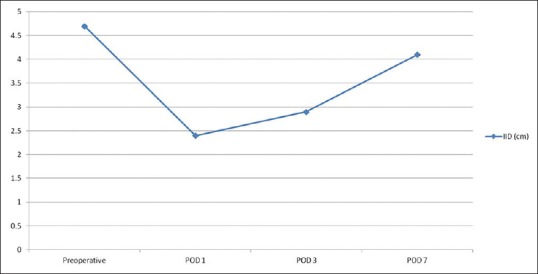
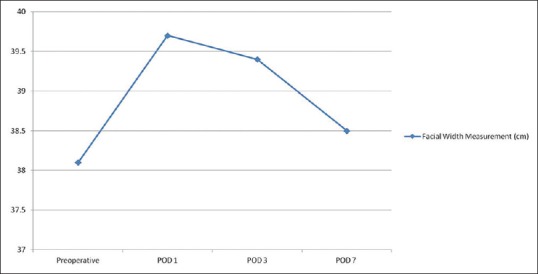
A total of 124 individuals were included in the final analysis. An age range of 18-51 years with a mean (±standard deviation) of 28.5 (7.4) years was observed. A male to female ratio of 1:1.5 was observed. The most frequently encountered type of impaction was the mesioangular impaction 51 (41.1%) and recurrent pericoronitis was the principal reason for extraction 53 (42.7%). The severity of the sequelae (pain, trismus, and facial edema) was maximal on the first POD. Patients' overall QoL deteriorated sharply on the first POD and subsequently improved.
Surgical extraction of mandibular third molars is associated with worsening of patients' postoperative QoL in the immediate postoperative period. Prospective patients should be informed about this, and ways of reducing this untoward effect should be explored.
下颌阻生第三磨牙的外科拔除常伴有术后疼痛、面部水肿和张口受限等后遗症。这些后遗症可能导致患者生活方式和生活质量(QoL)的改变。
本研究的目的是评估下颌阻生第三磨牙外科拔除对患者术后即刻(7天)生活质量的影响。
本研究获得了拉各斯大学教学医院健康研究与伦理委员会的伦理批准。共有124例下颌阻生第三磨牙患者符合纳入标准并同意参与本研究。采用口腔健康影响程度量表-14(OHIP-14)生活质量问卷评估生活质量。在术前(基线)以及术后第1、3和7天评估生活质量。在所有评估点还检查了最大切牙间张口度、面部宽度和疼痛情况。使用社会科学统计软件包(SPSS)Windows版(版本16.0,美国伊利诺伊州芝加哥)进行数据分析。
共有124例患者纳入最终分析。观察到年龄范围为18至51岁,平均(±标准差)为28.5(7.4)岁。男女比例为1:1.5。最常见的阻生类型是近中阻生51例(41.1%),反复冠周炎是拔除的主要原因53例(42.7%)。后遗症(疼痛、牙关紧闭和面部水肿)的严重程度在术后第1天最高。患者的总体生活质量在术后第1天急剧恶化,随后改善。
下颌第三磨牙的外科拔除在术后即刻会导致患者生活质量恶化。应告知未来的患者这一情况,并探索减轻这种不良影响的方法。